

How Much Is A Mattress Really? Cost, Value, And Finding Your Sweet Spot In
You are probably here because you typed something like "how much is a mattress" after getting hit with sticker shock, or because the cheap mattress you bought a few years ago is already sagging. Maybe a salesperson told you that you had to spend thousands, while an online ad promised the "perfect" bed for a few hundred dollars. It is confusing, and it can start to feel like guessing instead of making a smart decision.
The truth is, mattress pricing has a logic behind it, but most shoppers are never given a clear, honest framework. You see a sea of buzzwords and big discounts, yet very little help connecting what you pay to how well you will actually sleep. Since you will spend roughly a third of your life on this purchase, that is a problem worth solving.
Your sleep affects your mood, focus, and long term health. The Sleep Foundation notes that consistently getting enough high quality sleep helps reduce the risk of obesity, heart disease, and depression, and the mattress you sleep on plays a direct role in how restorative that sleep is. According to organizations like the Mayo Clinic, chronic pain and poor sleep can become a feedback loop, which is one reason the right support system under your body matters so much.
My goal here is to walk you through what you really get at different price points, how materials and construction change the cost, and how to match a realistic budget to your body and sleep needs. By the end, you should feel clear on what you can expect to pay, what you can safely skip, and where it is worth investing a bit more, with some specific Sleepology mattress suggestions when you are ready to look at actual models.
Mattress Cost Basics: What Most People Actually Pay
When people ask "how much is a mattress," what they usually mean is "how much should I plan to invest for something genuinely good, not the cheapest thing on the internet." For a queen size mattress, which is the most common size for couples, most shoppers end up somewhere in a broad middle range rather than at the extreme low or high ends.
Across the industry, queen mattresses often range from a few hundred dollars to several thousand. Consumer organizations that test mattresses, such as Consumer Reports, generally find that many well performing models sit in the mid hundreds to low thousands, rather than in the ultra low or ultra luxury categories. In other words, you do not automatically have to spend four or five thousand, but it is also rare that a two hundred dollar mattress will provide healthy support for nightly use over many years.
A helpful way to think about cost is "cost per night" instead of just the ticket price. If you buy a seven hundred dollar mattress that lasts seven years, your cost per night is well under thirty cents. A more expensive mattress that genuinely lasts longer can actually end up costing less per night than a cheap one you have to replace frequently. That is why researchers who study sleep and back pain often emphasize durability and sustained support, not just initial comfort, when evaluating mattress value.
It also helps to separate "what is possible" from "what is sensible for me." If you are buying for a guest room that gets used twice a month, you will likely land at a very different budget than if you and your partner are dealing with back pain, are different body sizes, and sleep hot. The key is matching what you spend to how demanding your use is going to be.
“Mia helped us realize we did not need a 4,000 dollar mattress for our college age son’s room. We ended up with a mid range hybrid for under 1,200 dollars that still has great support. Two years later it looks brand new and he sleeps through the night when he is home.” – Carla M., November
Price By Mattress Type: Foam, Hybrid, Latex, And Innerspring
Different mattress types have different typical price ranges, largely because of the raw materials and how complex they are to build. Understanding the tradeoffs will keep you from overpaying for a type that does not match your needs.
All Foam Mattresses: Pressure Relief At A Wide Range Of Prices
Foam mattresses are often the entry point for shoppers who want contouring and pressure relief. At the lower end of the price spectrum, manufacturers use simpler polyurethane foams, fewer layers, and thinner profiles. As you move into higher price tiers, you see denser base foams for support, higher quality memory foam for contouring, and specialty foams for cooling and responsiveness.
From a cost perspective, queen size foam mattresses can range from a few hundred dollars for true budget models to well over one thousand for more sophisticated constructions. Sleep organizations like the Sleep Foundation often highlight foam as a strong choice for side sleepers, because the material can cradle shoulders and hips, reducing pressure points that might otherwise wake you up. That said, ultra cheap foams may lose that support quickly, which means even if the up front price is low, you might feel it in your back and in your wallet sooner than you would like.
At Sleepology, our curated best foam mattresses collection focuses on models that balance price with real world durability. For instance, if you are a lighter weight side sleeper without major pain issues, a thoughtfully built mid priced foam bed can be an excellent value, while heavier sleepers or people with chronic back issues are usually better served by a more robust hybrid or latex option.
Hybrid Mattresses: Where Most Shoppers Land In
Hybrid mattresses combine a coil support system with foam or latex comfort layers on top. This construction gives you the buoyancy and airflow of coils with the cushioning of foam, which is why many sleep experts and testing labs consider hybrids a sweet spot for couples and combination sleepers. Because you are essentially getting two systems in one, hybrids usually sit slightly higher in price than basic all foam or all coil beds.
Typical queen hybrid prices span from the high hundreds into the low to mid thousands, depending on things like coil count, zoning, foam quality, and edge reinforcement. According to sleep medicine specialists who study spinal alignment during sleep, a supportive coil core with carefully tuned comfort layers can help keep the spine in a more neutral position, especially for back and stomach sleepers. That alignment can translate to less morning stiffness, which is a big part of perceived value.
If you want a sense of what a good value hybrid looks like, consider how many "problem areas" it solves relative to the cost. For example, a queen hybrid in the one to two thousand dollar range that offers strong edge support, individually wrapped coils to reduce partner motion, and high quality comfort foams can feel like a bargain if it solves back pain and motion transfer for both partners. Our best hybrid mattresses are hand picked with that balance in mind, so you are not paying for flashy names without meaningful upgrades.
“We upgraded from a basic foam bed to a mid priced hybrid Mia recommended. We spent about 1,800 dollars for a queen, which felt like a lot, but my husband’s back pain eased within a few weeks and we are not waking each other up all night. It has been worth every penny.” – Jordan K., October
Innerspring Mattresses: Simple, Supportive, And Often Budget Friendly
Traditional innerspring mattresses are built around a network of steel coils with thinner comfort layers on top. From a cost standpoint, they often start lower than hybrids and can be very economical in guest rooms or as starter mattresses. As you move up in price, you see upgrades such as higher coil counts, individually pocketed coils, and better quality comfort materials.
Industry research from mattress associations has consistently shown that basic open coil innerspring mattresses tend to have shorter lifespans than higher quality pocket coil or hybrid designs. The wires can lose tension, and thin top layers break down, leading to body impressions and sag. This is why very low cost innerspring mattresses are usually best viewed as temporary solutions rather than decade long investments.
Where innerspring beds shine is for sleepers who want a firmer, more "on the mattress" feel and strong airflow, but who do not necessarily need deep contouring. A well built mid range innerspring, especially one that incorporates pocketed coils and a sensible comfort package, can be a solid value for back and stomach sleepers. At Sleepology, we often steer budget conscious shoppers toward these mid tier spring beds rather than the absolute cheapest models, because the small price jump usually buys several more years of comfortable use.
Latex Mattresses: Higher Upfront Cost, Long Term Value
Latex mattresses sit at the higher end of the price spectrum, in part because of how the material is sourced and processed. Natural latex, often harvested from rubber tree sap, is resilient, breathable, and extremely durable. Many latex beds also include organic cotton or wool in the cover, which can further raise costs. Academic research on latex as a bedding material has shown that it resists permanent body impressions better than many conventional foams, which contributes to the longer usable lifespan.
For queen sizes, it is common to see latex mattresses priced from the mid thousands upward, particularly for natural or organic options. While that number can feel intimidating, owners frequently report using a latex bed comfortably for well over a decade. If you divide cost across those years of use, the cost per night can be very reasonable compared to cheaper beds that need to be replaced every five or six years.
Latex can be an excellent choice for sleepers who prefer a slightly buoyant feel, are concerned about chemical sensitivities, or want to buy once and keep a mattress for a very long time. For many of our customers, we use latex hybrids or latex pillows, such as the Stearns and Foster Premium Latex Pillow, to get some of those benefits without committing to a full latex mattress budget.
How Mattress Size Changes The Price

Once you have a handle on mattress types, size is the next big driver of cost. This one is more intuitive: bigger mattresses use more materials, so they cost more. However, the step ups between sizes are not always linear, and understanding those jumps can help you pick the most economical size that still fits your needs.
For most brands, the price progression goes something like this: twin at the lowest price, then full, then queen, then king and California king at the top. Many queen mattresses are only modestly more expensive than full size equivalents, which is one reason queen is considered the standard for couples. However, moving from queen to king can be a more noticeable price jump, because you are adding significant surface area in both the comfort and support layers.
Health focused organizations such as Cleveland Clinic often remind people that sharing a too small sleep surface can lead to more nighttime awakenings from partner movement. If you or your partner frequently feel crowded on a full size bed, the extra investment in a queen can pay off in fewer disturbances and better sleep quality. Similarly, for taller or larger bodies, the upgrade from queen to king can be worth the additional cost when it prevents limbs from hanging off the edge or gives both partners room to assume healthy sleep positions.
It is also important to remember the secondary costs of changing mattress size. A larger bed may require a new frame, foundation, and bedding. When we work with Sleepology customers, we often help them weigh the full "sleep system" cost, not just the mattress price tag, so that there are no surprises and the entire setup works cohesively.
“We almost went straight to a king because everyone online said it was the only way couples could sleep. Mia walked us through the price differences and pointed out that a queen would fit our room better and still give us enough space. We saved around 900 dollars overall between the mattress and bedding and have zero regrets.” – Renee T., January
What You Get At Different Price Points
Price ranges are helpful, but what most people really want to know is what they can reasonably expect in terms of quality and features as they spend more. While every brand is different, there are common patterns that hold across the industry.
Entry Level And Budget Mattresses
At the lowest end, you find basic foam or innerspring beds with simpler designs and fewer premium materials. These mattresses typically have thinner comfort layers, lower density foams, and coils with less sophisticated support. They can absolutely be the right choice for certain scenarios, such as children who will outgrow a mattress size, guest rooms that see occasional use, or very tight budgets.
The tradeoffs at this level often include shorter lifespans, more motion transfer, and less robust support for heavier bodies. Studies that track mattress age and back pain often see a correlation between older, sagging mattresses and higher reports of discomfort. Starting with a mattress that is already right on the edge of adequate support can accelerate that process.
If you are shopping in this range, it is especially important to pay attention to warranty terms and any comfort trial that allows you to test the mattress at home. Even lower cost beds should give your body enough time to adjust before you decide whether to keep them.
Mid Range Mattresses: The "Value Sweet Spot" For Most Shoppers
For many people, the best combination of cost and performance lives in the mid range: mattresses that are not the most expensive option on the floor, but that include clearly upgraded materials and thoughtful engineering. These are often hybrids or more complex foam builds that add layers for targeted support, cooling, and motion isolation.
In this band, you should expect more generous comfort layers, higher density base foams, sturdier edges, and better quality control. External testing by groups that evaluate mattresses for durability and pressure relief often shows a noticeable jump in performance and consistency as you move from true budget to this mid tier. That is a big reason why, at Sleepology, we stock a large selection in this zone and spend most of our fitting conversations helping customers narrow among these options.
An example is the Sealy Posturepedic Pro Medium Mattress – Dupont II Euro Pillow Top. It layers conforming foams over a strong coil core, with extra reinforcement in the center third of the mattress where most of your weight rests. For back and side sleepers who want a blend of cushioning and support without jumping into ultra luxury pricing, this type of construction is a great representation of mid range value.
Premium And Luxury Mattresses
At the top of the spectrum, you find mattresses that feature more complex constructions, hand finishing, specialty materials, and often more generous warranties. These might include zoned coil systems, advanced cooling fabrics, thick layers of specialty foams, or natural and organic materials such as latex, wool, and organic cotton. Some models are tuned very specifically for pressure relief in chronic pain conditions, or for very hot sleepers.
According to sleep medicine research, people who live with significant pain, including chronic low back pain, often require more precise pressure relief and support to reduce nighttime awakenings. For them, a luxury mattress designed with intensive zoning and premium materials may not be a splurge so much as a tool for managing symptoms. For others, the decision is more about long term durability and a particular "feel" they love.
Within the Sleepology line up, a mattress like the Sealy Posturepedic Plus Firm Mattress – Paterson II Euro Pillow Top fits into that more premium bracket. It incorporates targeted back support and denser, more durable foams that are built to hold their feel under nightly use for many years. The cost is higher, but so is the likely lifespan and the level of refinement you feel when you lie down.
What Actually Drives Mattress Prices Up Or Down
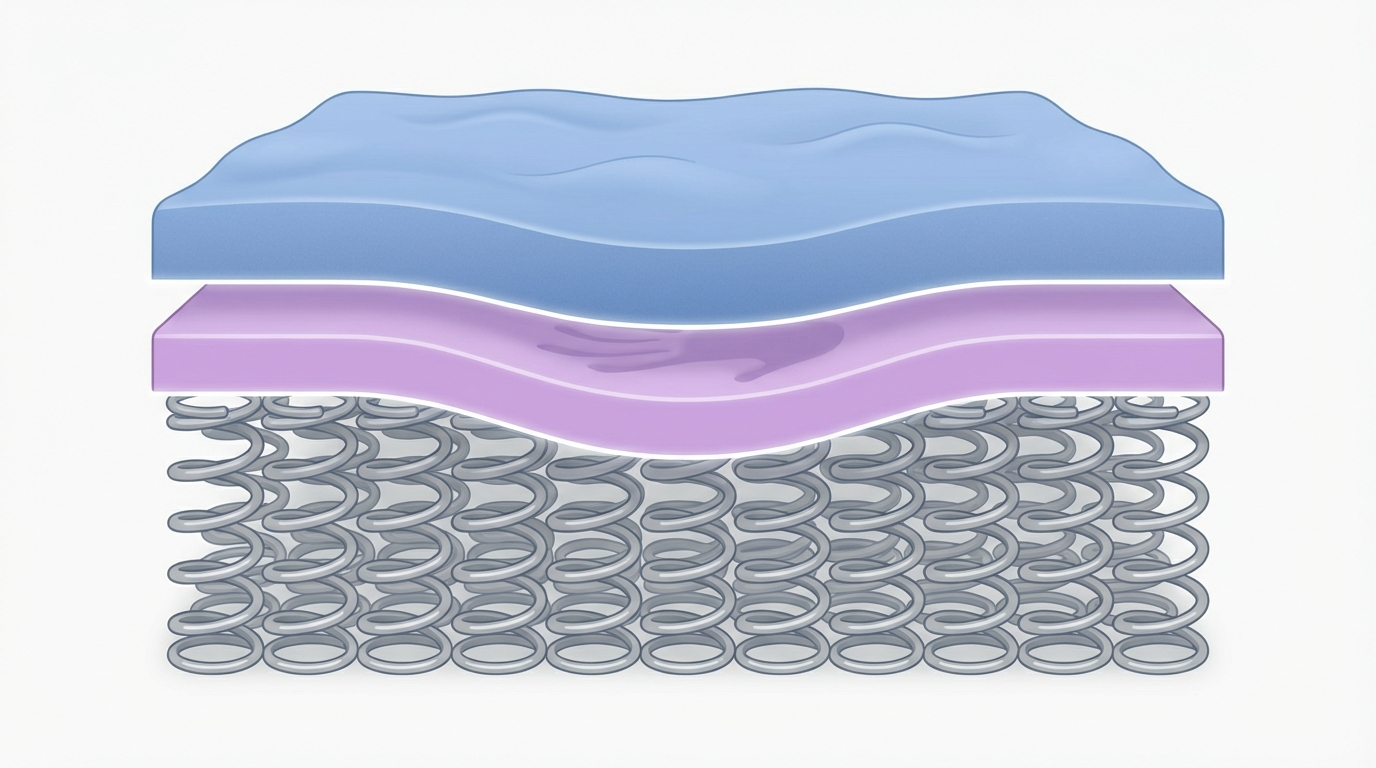
Once you understand the broad categories, it helps to know why two mattresses that look similar can be several hundred dollars apart. There are a handful of core factors that tend to matter the most.
Material Quality And Density
The quality of the raw materials is often the single biggest contributor to price. Denser base foams resist sagging better. High end memory foams can contour more precisely without "bottoming out." Pocketed coil systems with thicker gauge steel and higher coil counts cost more to produce than simple open coils. Natural latex is more expensive than synthetic foams because it is labor intensive to produce and has a narrower supply chain.
Laboratories that test foam longevity routinely find that higher density foams keep their shape and support longer under repeated compression cycles. That is why, when I am evaluating a mattress for the Sleepology assortment, I look closely at the densities in the internal layers, not just what the top fabric feels like when you touch it on the showroom floor.
Construction Complexity And Features
The more layers and specialized features a mattress has, the higher the manufacturing cost. Zoned support that is firmer under your hips and softer under your shoulders requires additional design work and sometimes separate coil units or foam cuts. Edge support systems with extra reinforcement add both material and labor costs. Advanced cooling features, such as phase change materials, specialty gels, or breathable covers, also increase prices.
From a value standpoint, the key question is whether those features solve a real problem for you. If you are a hot sleeper who routinely wakes up sweaty, paying more for genuinely effective cooling can be a wise investment. If you sleep cool and live in a moderate climate, you might decide that a simpler construction is perfectly adequate.
Certifications, Testing, And Warranty
Third party certifications, such as foam safety standards, do not come free. Brands that submit their products for testing commit to ongoing audits and quality controls, which add to cost. Similarly, a longer warranty usually signals that a manufacturer is confident in their materials and willing to absorb more long term risk.
Organizations focused on indoor air quality and chemical safety have set guidelines that, when met, can give you peace of mind about what you are bringing into your bedroom. If you are sensitive to odors or chemicals, mattresses that carry these certifications can be worth a modest premium.
Comparing Mattress Types And Typical Cost Ranges
Because so many shoppers like to see differences in one quick view, here is a simple comparison of the main mattress types. Remember, these are general patterns, not rigid rules, and pricing varies by brand and specific model.
| Mattress Type | Typical Queen Cost Range | Feel & Support | Who It Often Fits Best |
|---|---|---|---|
| All Foam | Low hundreds to low thousands | Contouring, pressure relieving, less bounce | Side sleepers, people who like a "hugging" feel, lighter bodies |
| Hybrid | Mid hundreds to mid thousands | Balanced support and cushioning, moderate bounce | Couples, combo sleepers, back sleepers, many average to heavier bodies |
| Innerspring | Lower hundreds to mid thousands | Firmer, more buoyant, strong airflow | Back and stomach sleepers who want a traditional feel, guest rooms |
| Latex / Latex Hybrid | Upper hundreds to several thousands | Buoyant, responsive, very durable | Eco conscious shoppers, heavier bodies, people wanting long lifespan |
Used as a guide, this table can help you quickly see why a specific type might come in higher or lower than another when you compare price tags. When you pair it with a clear sense of your own sleep style, choosing a type and budget becomes much easier.
How To Match Your Budget To Your Body And Sleep Style
Knowing how much mattresses cost is only half of the process. The other half is understanding what your body needs so you can decide where to allocate your budget for the biggest impact.
Sleep Position And Support Needs
Your main sleep position is one of the biggest factors in how firm or soft your mattress should feel. Side sleepers usually need more pressure relief around shoulders and hips, while back and stomach sleepers need flatter, more even support.
Back sleepers, for instance, often do very well on medium to medium firm hybrids, where the coil core keeps the lumbar region supported and the top layers cushion surface pressure. Collections like the best mattresses for back sleepers at Sleepology are selected with this balance in mind. Side sleepers may prefer a plusher surface, such as the Sealy Posturepedic Pro Soft Mattress – Dupont II Euro Pillow Top, which offers more give at the surface while keeping the deeper layers supportive.
If you are a combination sleeper who changes positions, it often makes sense to invest a bit more in a versatile hybrid that provides both contouring and easy movement. You want enough cushioning to be comfortable on your side, but not so much sink that flipping to your back feels like work.
Body Type And Durability
Your body weight and build also influence how a mattress feels and how long it will last. Heavier bodies compress foams and coils more, which means extremely soft or thin mattresses can wear out quickly or feel unsupportive. In this case, it is usually wise to budget a bit higher so you can choose mattresses with more robust coil systems and denser foams.
Academic studies on mattress firmness and body weight often suggest that people over certain weight thresholds tend to rate slightly firmer, more supportive beds as more comfortable long term, even if very plush beds feel appealing at first. When I work with couples who have a significant weight difference, we often look at medium firm hybrids that use zoning and thicker comfort packages to accommodate both partners without bottoming out.
If you are lighter weight, you may not need as much structural reinforcement to get similar longevity, which can open up more lower and mid priced options without sacrificing comfort. What matters is not how much the mattress costs in a vacuum, but how that cost interacts with how your body loads the materials over time.
Non Mattress Costs That Affect Your Total Budget
When you are planning how much to spend, it helps to think of your "sleep system" as a whole. The mattress is the centerpiece, but other elements can influence both your comfort and your total investment.
Pillows are a big one. A great mattress with the wrong pillow can still leave you with neck pain. Health guidance from organizations like the Mayo Clinic often emphasizes keeping your head and neck aligned with your spine to reduce strain during sleep. For example, if you move from a flat, unsupportive bed to a more supportive medium firm mattress, your old pillow might now be too high or too low. In that case, setting aside a little budget for a supportive pillow, such as the Sealy Memory Foam Supportive Down Alternative Fill Pillow or The BodyPillow by Tempur Pedic for side sleepers who like hugging support, can dramatically improve your experience.
Bedding and protectors also matter. A breathable mattress protector will help guard your investment against spills and allergens without closing off airflow. Collections like pillows, sheets, toppers, and protectors are designed to complement the feel of your mattress instead of fighting it. Finally, if you are changing sizes, you may need a new frame or foundation. While these pieces add to your total cost, they are essential for proper support and to keep your mattress warranty intact.
If your budget is tight, prioritize the mattress first, then a suitable pillow and protector, and treat decorative pieces as upgrades you can add over time. That way, you are not cutting corners on the components that have the biggest impact on sleep quality.
A Simple Checklist To Decide How Much You Should Spend

Once you understand the variables, it is useful to walk through a short, structured checklist. This can help you land on a realistic budget that fits your life instead of just copying what a friend spent or what an ad suggests.
Start with your primary purpose. Are you buying for nightly use for yourself or you and a partner, or for a guest or child? The more hours per week the mattress will be used, the more sense it makes to invest thoughtfully. Next, list any specific sleep challenges, such as back pain, hip or shoulder pressure, overheating, or partner motion disturbances. These issues are clues about where features matter and where you can save.
Now, look at how long you realistically plan to keep this mattress. If you are furnishing a short term rental, your timeline might be shorter than if you are setting up a long term home. Divide a few example price points by the number of planned years of use to see your approximate cost per night. Many people are surprised by how reasonable a higher quality mattress looks when you break it down that way.
Once you have those numbers, you can use a quick mental framework like this:
- Occasional use (guest room, short term situation), no major pain issues, moderate budget
- Nightly use, at least one sleeper with pain or sleep issues, medium budget
- Nightly use for years, both sleepers with specific needs or preferences, larger budget
From there, it becomes much easier to say, for example, "a mid range hybrid around this price is a smart target," rather than trying to guess among random price tags.
After you have narrowed it down, a short in store or at home trial period can confirm your choice. Research compiled by sleep health organizations often suggests giving yourself several weeks on a new mattress to fully adjust. That is why we encourage customers to monitor how they feel not just the first night, but over the course of a month before making any big decisions.
Conclusion: Turning "How Much Is A Mattress?" Into A Confident Decision
As you have seen, "how much is a mattress" does not have a single universal answer. Instead, there is a healthy range that depends on the type of mattress, size, materials, and how demanding your sleep needs are. The good news is that you do not have to chase the most expensive model on the floor to sleep well, and you do not have to gamble on the very cheapest option either.
If you remember just a few key ideas, you will be ahead of most shoppers. First, focus on value over sticker shock by thinking in terms of cost per night and realistic lifespan. Second, let your body type, sleep position, and any pain or temperature issues guide which features are worth paying for. Third, treat your mattress as part of a complete sleep system, making sure your pillow, protector, and base all support the investment you are making.
At Sleepology, our job is to simplify this process so you do not have to memorize foam densities or coil gauges. Whether you end up drawn to a gently cushioned model like the Sealy Posturepedic Elite Medium Mattress – Brenham II Euro Pillow Top or a responsive hybrid in our curated collections, you will have a clear sense of why it costs what it does and how it fits your life. When you are ready, you can explore online or call for one on one guidance, knowing you now have a framework that keeps your budget and your sleep health firmly on the same team.
Frequently Asked Questions
How much should I expect to spend on a good queen mattress in ?
For most people shopping in 2026, a solid, supportive queen mattress usually falls somewhere in the mid hundreds to low thousands, depending on type and features. Entry level foam or innerspring beds can cost only a few hundred dollars, but they may not last as long or offer as much support. Many shoppers find their best value in mid range hybrids or higher quality foams, which may run closer to one to two thousand dollars and often provide better durability, comfort, and motion isolation.
Is a 300 dollar mattress ever a good idea?
A three hundred dollar mattress can make sense in specific situations, such as a lightly used guest room, a temporary living arrangement, or a young child who will soon need a larger size anyway. However, for nightly adult use, especially if you have back or joint pain, this price level often involves tradeoffs in materials and long term support. If your budget allows, stepping up even a few hundred dollars can significantly improve both how the mattress feels and how long it remains comfortable.
Do I really need a hybrid mattress, or is foam enough?
You do not automatically need a hybrid, but hybrids are often a great fit for couples and combination sleepers because they blend support and pressure relief. If you sleep mostly on your side, are average weight, and do not run particularly hot, a well built foam mattress from a curated collection like the best foam mattresses can serve you very well. If you are heavier, switch positions often, share the bed, or struggle with temperature, a hybrid's coil support and airflow can justify the higher price.
Why are some mattresses thousands of dollars more than others that look similar?
When two mattresses look alike but have very different prices, the differences usually live inside the mattress. Higher priced models often use denser, more durable foams, more sophisticated coil systems with zoning and edge reinforcement, natural materials such as latex or wool, and advanced cooling fabrics. They may also come with stronger warranties and have undergone more extensive safety and performance testing. While marketing can add noise, most genuine price differences trace back to these hidden construction details.
How long should my new mattress last at different price points?
Lifespan depends on both quality and how heavily the mattress is used. Lower priced mattresses may start to feel unsupportive within four to six years, especially for heavier sleepers. Many mid range foam and hybrid mattresses are designed to remain comfortable for around seven to ten years, which aligns with replacement timelines often suggested by sleep experts. Premium and latex mattresses can last longer, sometimes twelve to fifteen years or more, if they are cared for properly and used on a suitable foundation.
Should I finance a mattress if my ideal option is above my current budget?
Financing can be a reasonable tool if it allows you to purchase a mattress that genuinely supports your health and sleep, as long as the monthly payments fit comfortably into your budget. Since you will use the mattress every night, spreading the cost over time can make sense, especially for people with pain or chronic conditions who benefit significantly from a higher quality bed. Just be sure to understand the terms, interest rates, and total cost, and avoid financing upgrades that do not meaningfully improve your sleep.
How much extra should I budget for pillows and bedding with a new mattress?
If you are moving to a different mattress type, firmness, or size, it is wise to set aside a separate, smaller budget for at least one appropriately supportive pillow and a breathable protector. Many people find that allocating one to two hundred dollars for that supporting cast is enough to get a great pillow, such as the Sealy Memory Foam Supportive Down Alternative Fill Pillow, and a quality protector from the pillows, sheets, toppers, and protectors collection. Bedding, decorative pillows, and new frames can then be layered in over time as your budget allows.