

How Much Does A Mattress Weigh? The Practical Guide No One Gives You
If you have ever tried to drag a queen mattress up a staircase or flip a king by yourself, you already know that mattress weight is not a small detail. It can be the difference between a smooth, exciting setup and a pulled muscle or damaged bed frame. Many people only think about comfort and price, then get surprised when the delivery team says, "You might want a second person for this one." If that is you right now, you are not alone.
Mattress weight affects more than moving day. It influences which foundation you can safely use, how easy it will be to rotate or clean your bed, whether your kids can help you make the bed, and even how long the mattress is likely to last before sagging. According to the Sleep Foundation, mattress construction and materials are among the biggest drivers of durability and support, and both of those are closely tied to weight and density. When you understand how much a mattress weighs and why, you can choose something that fits your body, your home, and your lifestyle, not just your budget.
You will learn the real weight ranges for common sizes, what makes some mattresses surprisingly heavy or light, and how to match mattress weight with your frame, floor, and physical abilities. We will also walk through how weight connects to quality, how much help you really need to move different sizes, and how to decode "weight limit" ratings without reading engineering textbooks. Along the way, you will see practical examples and product suggestions so you can picture exactly what would work in your bedroom.
By the time you finish reading, you will know how much a mattress weighs in realistic terms, how that affects daily life, and how to choose a mattress that you can actually live with, not just sleep on. If at any point you feel stuck between two options, imagine you are talking it through with a knowledgeable friend who happens to work in a mattress shop. That is the role we are stepping into here at Sleepology.
Why Mattress Weight Matters More Than You Think
Most people first ask "How soft is it?" or "Will it fit in my room?" before they ever consider weight. It is natural to focus on comfort and size, but weight quietly shapes whether the mattress will be practical in your real, everyday life. Think about who will be moving it, how often you reorganize your home, whether you live in a walk up, and even whether you might move in the next few years. A mattress that feels dreamy for ten minutes in a showroom can feel like an anchor when you need to rotate it every few months.
Mattress weight also connects directly to support and stability. Heavier models often contain denser foams, more robust coil systems, or thick comfort layers that resist early sagging. According to Consumer Reports, mattresses that use higher density foams and stronger coil units tend to maintain support longer for many sleepers. That extra material adds pounds, which can be a good thing for durability, as long as the weight matches your frame and foundation.
Your own body size and sleep style matter here as well. A very light person on an extremely heavy, ultra plush mattress might feel trapped in the surface, while a heavier person on a very lightweight, basic mattress might bottom out and feel the frame. The Cleveland Clinic notes that spinal alignment and pressure relief depend on both body weight and mattress responsiveness, which again come back to material density and overall construction. Weight is not the only signal of quality, but it is a useful proxy for how substantial the build is.
Finally, there is the safety angle that hardly anyone mentions. Overloading a flimsy frame with a very heavy mattress can lead to bent slats, broken legs, or a slow, invisible sag that eventually affects your sleep and your back. If you live in an older home or have softer subflooring, concentrating hundreds of pounds into a small footprint might matter too. When you treat mattress weight as part of your planning, you avoid expensive surprises later.
“I never thought to ask how much the mattress weighed until my old bed frame literally bowed in the middle. The Sleepology team walked me through the weight and support specs and helped me pick a sturdier hybrid that still felt plush. I spent a little more upfront and probably saved a few hundred dollars in broken furniture.” – Lauren S., November
Average Mattress Weights By Size: What You Can Realistically Expect
You will see a lot of different charts across brands, but once you strip out the marketing, mattress weights by size follow fairly predictable patterns. Think of the ranges below as realistic averages for modern, high quality mattresses in 2026, not ultra thin budget models or extra tall specialty builds.
A typical mattress in a box or traditional mattress tends to fall somewhere between about 50 and 150 pounds overall, depending on size and type. Twins and twin XLs sit at the low end because they simply use less material. Queen and king sizes can easily weigh double or more, especially in thicker hybrids or latex designs. The moment you combine foam layers and steel coils, you increase total weight significantly.
Here is a quick overview of common sizes and how they usually compare when you pick a standard, mid range profile of around 10 to 13 inches. Keep in mind that premium constructions, high density foams, or latex can easily push toward the top of these ranges or beyond.
| Mattress size | Typical dimensions (inches) | Common weight range (pounds) | Typical handling needs |
|---|---|---|---|
| Twin | 38 x 75 | 40 to 60 | One strong adult or two smaller adults |
| Twin XL | 38 x 80 | 45 to 65 | One strong adult or two smaller adults |
| Full / Double | 54 x 75 | 50 to 75 | Two adults recommended, especially with foam |
| Queen | 60 x 80 | 70 to 120 | Two adults, stairwells require planning |
| King | 76 x 80 | 90 to 150 | Two adults minimum, three for tight stair turns |
| California King | 72 x 84 | 90 to 160 | Two or three adults, extra length needs strategy |
If you have ever wondered why moving a queen felt twice as hard as moving a full, it is not your imagination. You are dealing with more surface area, thicker comfort layers, and often higher quality components. Even within the same brand, a pillow top or plush version of a mattress usually weighs noticeably more than the firm version, simply because the comfort system on top is thicker.
At Sleepology, we see this in real products every day. For example, a supportive but more streamlined euro pillow top like the Sealy Posturepedic Medium Mattress – Medina II Euro Pillow Top in a queen size will usually feel easier to maneuver than a tall, deeply cushioned euro pillow top in the same size. If you are a smaller person who expects to move your mattress occasionally, paying attention to these ranges can keep your setup manageable.
How Mattress Type Changes The Scale

Beyond size, the most important factor in how much a mattress weighs is what is inside it. Different materials carry weight differently. A 12 inch all foam mattress does not behave or weigh the same as a 12 inch hybrid, even when the dimensions on the tag match. Understanding the broad tendencies of each type will make the product specs on individual models much easier to understand.
Memory Foam Mattresses
Memory foam mattresses use layers of polyurethane foam that vary in density and responsiveness. The foams that sit closer to your body are usually softer, while the deeper base foams are denser and heavier. According to the Sleep Foundation, higher density memory foam tends to offer better pressure relief and longer lasting support for most adults, but that benefit does come with more weight.
In practical terms, a queen size memory foam mattress often falls somewhere around 70 to 110 pounds, depending on height and density. Lighter, budget models often shave off weight by using thinner cores or lower density foams. They may be easier to move, but they tend to develop impressions and soft spots sooner, especially for heavier sleepers. Premium foams add pounds, which is one reason many boxed foam mattresses feel surprisingly substantial once fully expanded.
Weight distribution in memory foam is very even, which makes the mattress feel like one solid piece when you try to lift it. That can make handling a bit awkward, because there is no rigid edge or coil unit to grab. If you plan to regularly rotate your mattress or you live alone, there is a real upside in choosing a profile that stays closer to the middle of the weight range instead of the heaviest, tallest foam option you can find.
Innerspring Mattresses
Innerspring mattresses use steel coils as the main support system, topped with thinner layers of foam or fiber for cushioning. Because of the open coil structure and fewer thick foam layers, many innerspring designs are lighter per inch than dense all foam beds. A typical queen innerspring might land in the 60 to 90 pound range, although heavier gauge coils and extra comfort padding can push that higher.
The way those coils are arranged affects total weight too. Basic, interconnected coil systems usually weigh somewhat less than individually wrapped, pocketed coil units, which use more steel and more fabric. Pocketed coils often provide better motion isolation and targeted support though, so it is not a simple case of "lighter is better." When clients at Sleepology tell us they want something easier to move but still supportive, a mid profile innerspring with robust but not ultra thick comfort layers is often a smart direction.
Innerspring mattresses have a slightly different handling feel from foam. The coil unit adds structure, so they feel a bit more "rigid" when you stand them on edge or tilt them around a doorway. That structure can make certain moves easier, even when the mattress weight on paper is similar to a foam model.
Hybrid Mattresses
Hybrid mattresses combine a coil support core with one or more layers of foam, latex, or other comfort materials on top. This mix usually produces some of the heaviest mattresses in any lineup, because you get both dense comfort layers and a full coil system. According to several industry surveys, hybrids have surged in popularity through , because they tend to offer a well balanced feel and better edge support for many sleepers.
A queen hybrid often runs between 90 and 140 pounds, and some tall or extra luxurious builds can go beyond that. For example, a generously cushioned euro pillow top like the Sealy Posturepedic Elite Medium Mattress – Brenham II Euro Pillow Top or a softer hybrid like the Sealy Posturepedic Elite Soft Hybrid Mattress – Brenham II often uses multiple layers of foam over a sturdy coil unit. This creates a more luxurious feel and excellent durability, which understandably shows up as extra pounds.
The tradeoff is usually worth it for couples, heavier individuals, or anyone who values strong edge support and that "floating on top with some hug" sensation. The key is to plan for the weight realistically. If you know you will not have help on moving day, hybrid weight might lead you to opt for white glove delivery, or at least plan extra hands.
“We upgraded to a hybrid queen from Sleepology after years on a super light spring mattress that sagged. The new bed is much heavier, but Mia walked us through what that meant. We scheduled white glove delivery for an extra fee and it was absolutely worth it. The mattress feels rock solid and we have zero back pain now.” – David R., October
Latex Mattresses
Natural latex mattresses are often the heavyweight champions of the mattress world. Latex foam is inherently dense and springy, and fully latex mattresses stack thick layers of it from top to bottom. That means a queen size all latex mattress can easily weigh 120 pounds or more, even in a medium profile. Talalay latex tends to be a little lighter and airier than Dunlop latex, which is denser and can add even more weight for the same thickness.
For the right person, that weight reflects incredible support and longevity. Some latex designs outlast typical mattress lifespans, especially for average weight sleepers who appreciate a more buoyant feel. The Mayo Clinic notes that consistent spinal support over many years is one of the key factors in reducing chronic back pain during sleep, and latex can deliver that with very little sag when it is built well. The price is that you end up with what feels like a solid block of rubber to move around.
If you are drawn to latex but the weight worries you, a hybrid that uses a latex comfort layer over coils can be a good compromise. You keep the responsiveness and durability of latex while letting the coil unit carry some of the structure. You still get a fairly heavy mattress, but often something a bit easier to tilt and handle than pure latex.
Airbeds And Temporary Air Mattresses
When people hear "airbed," they sometimes think of customizable luxury air systems and sometimes of temporary vinyl air mattresses for guests. The weight conversation is very different for each. High end adjustable airbeds with foam comfort layers and multiple air chambers can be quite heavy because of the machinery and dense materials surrounding the air. In contrast, simple PVC or vinyl air mattresses for camping or short term guest use are often the lightest of all options when deflated.
A basic guest air mattress might only weigh 10 to 25 pounds, which makes it very easy to store and move. The downside, as organizations like the Sleep Foundation regularly note, is that these temporary air beds rarely provide the long term support or durability needed for nightly sleep. For short term needs and portability, air makes sense. For your main bed, the weight savings is usually not worth the tradeoffs.
How Thickness Changes Mattress Weight
Even within the same type and size, thickness has a clear, direct impact on how much a mattress weighs. Adding height means adding materials, whether those are support foams, coils, latex layers, or quilted pillow tops. It is similar to thinking about stacking books. A short stack might weigh very little, while a taller stack of the same size books gets heavier quickly.
Standard mattress profiles typically range from about 8 to 14 inches in height, with many popular models landing between 10 and 12 inches. Thinner mattresses at the 8 to 9 inch mark tend to be lighter, but they sometimes rely on firmer cores and thinner comfort layers, which can feel too hard for some sleepers, especially side sleepers who need more pressure relief. Thicker profiles above 13 inches often include multiple comfort and transition layers that improve contouring and motion isolation, at the cost of several extra pounds.
If you compare two queen mattresses with similar constructions but different heights, the taller one might easily weigh 10 to 25 pounds more. For example, a 10 inch medium memory foam queen might weigh around 75 pounds, while a 13 inch plush version from the same line could be 95 pounds or more. The same pattern appears with hybrids and innersprings when manufacturers add more foam or fiber on top of the coil unit.
There is also a practical, day to day consideration with very tall mattresses. Putting fitted sheets on a high profile, heavy mattress can be more demanding for smaller people or anyone with shoulder discomfort. If you love the feel of a supportive but not overly tall bed, pairing a moderate profile mattress with high quality sheets like the breathable Tempur-Pedic ProPerformance Sheet Set or the Tempur-Pedic TEMPUR Adapt Luxe Egyptian Cotton Sheet Set can deliver a luxurious experience without piling on unnecessary weight.
How Much Does A Mattress Weigh Over Time?
You might have heard people joke that a mattress gains weight as it gets older. It turns out there is a grain of truth behind that. Over years of nightly use, mattresses accumulate dead skin cells, dust, oils, and environmental particles. The Sleep Foundation and other health organizations have pointed out that dust mites, which feed on skin flakes, can thrive inside older mattresses. Some academic estimates suggest that a well used mattress can harbor hundreds of thousands to millions of mites by the end of its life.
All of that debris and microscopic life does add some weight, but not typically an extreme amount. Many claims that a mattress doubles in weight over a decade are exaggerated. A more realistic estimate is that an older mattress might gain several pounds across ten or more years, depending on how often it is vacuumed, whether a protector is used, the local climate, and how much moisture it is exposed to. While the exact number is hard to pin down, the overall principle is straightforward: better hygiene and protection slow weight gain and keep the mattress healthier inside.
You feel the effects of that buildup in ways that go beyond a number on a scale. Dust and mites can aggravate allergies and asthma, especially in sensitive sleepers. The Mayo Clinic notes that indoor allergens, especially dust mites, are a common trigger for nighttime respiratory symptoms. Using a high quality mattress protector, washing bedding regularly, and occasionally vacuuming the surface are simple habits that keep your mattress from becoming heavier and less hygienic than it needs to be.
If your mattress feels much heavier than you remember and it is more than eight to ten years old, that weight change is often a sign that it is time to start planning a replacement. At that stage, the foams and fibers have usually broken down as well, leading to dips and pressure points. Instead of wrestling with an aging, heavier mattress, many people find that upgrading to a supportive new option is both a comfort and a cleanliness win.
Is A Heavier Mattress Always Better Quality?
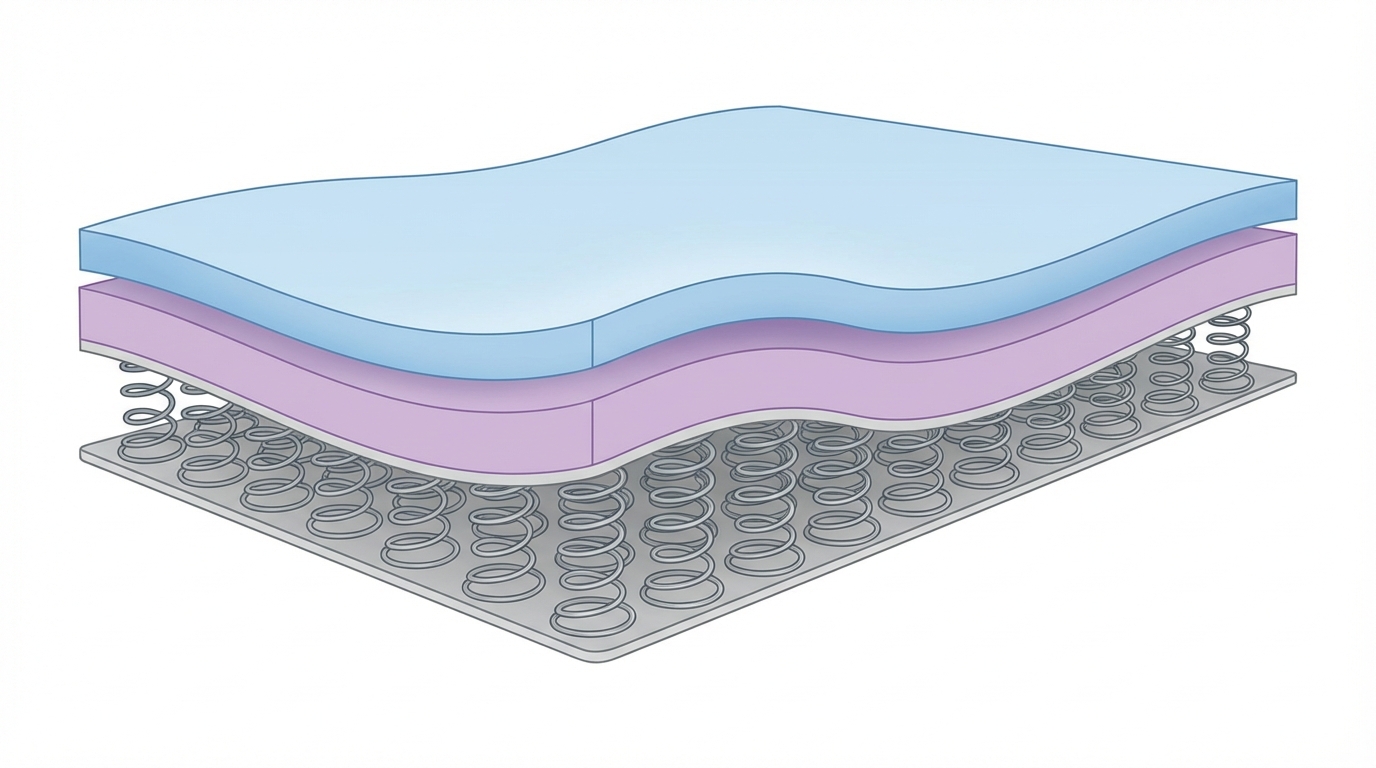
A common belief is that the heavier a mattress is, the better it must be. There is a hint of logic here. Denser foams and stronger coil systems do weigh more, and those features often correlate with durability and support. However, weight by itself is not a reliable measure of quality. Two mattresses can weigh the same but perform very differently over time.
Think of mattress weight as context rather than a verdict. If you pick up a full size mattress that feels unusually light compared to others in its category, that can be a sign that the comfort layers and core might be thinner or lower density. For average and heavier sleepers, that could mean earlier sagging. On the other hand, an extremely heavy mattress that uses poor quality materials, too much low density foam in the upper layers, or weak edge support can still break down prematurely.
Your own body weight and sleep position should guide how you interpret mattress weight. Heavier individuals generally benefit from more substantial mattresses that use denser materials and more robust coil units. Lighter individuals may not need as much density, and may prefer a mattress that is slightly lighter and easier to rotate or lift. The Sleep Foundation emphasizes that proper spinal alignment depends on matching mattress firmness and support to your body, which is more nuanced than simply chasing the heaviest option.
The smart approach is to look at weight along with specs like foam density, coil gauge, and construction details, and then filter all of that through your own needs. At Sleepology, we often help customers find the "sweet spot" where a mattress is heavy enough to feel stable and long lasting, but not so heavy that it becomes a burden to move or maintain. That balance can look very different for a petite solo sleeper in a studio apartment compared to a tall couple in a spacious home.
Mattress Weight, Foundations, And Bed Frames
Your mattress does not support itself. Every pound of foam, steel, and latex ultimately sits on a bed frame, platform, or adjustable base. Matching mattress weight with a suitable foundation is one of the most important safety and longevity decisions you will make, even though it rarely appears on glossy marketing pages.
Most modern queen and king mattresses can handle combined sleeper weights of 400 to 800 pounds when used on a proper foundation, according to several manufacturer guidelines compiled by sleep industry groups. However, that capacity assumes the base itself is strong enough to spread the load. Simple metal frames without center support, aging box springs, or widely spaced slat systems can struggle under a heavy hybrid or latex mattress, let alone the weight of people sleeping on it.
For heavier mattresses, look for frames or platforms with solid center rails, multiple support legs touching the floor, and slats that are either very close together or solid panels. Many mattress brands now require slats no more than a few inches apart to keep warranties valid. This spacing helps prevent the mattress from sagging between slats and puts less stress on individual components. When you mix a heavy mattress with a flimsy or out of spec base, you can end up with creaking, bending, or premature sagging that has nothing to do with the mattress quality itself.
If you are pairing a new mattress with an adjustable base, pay special attention to the weight rating of the base, which typically includes both the mattress and sleepers. For example, a dense hybrid mattress plus two adults can easily reach 500 pounds or more combined. When that total approaches the base's maximum rating, the lift motors and joints experience more strain. Asking about specific weight capacities and confirming that your chosen mattress is compatible is a quiet but crucial part of a successful setup.
“We had no idea our old metal frame was rated for a fraction of what our new king hybrid actually weighed. Mia at Sleepology helped us choose a sturdier platform and walked us through the numbers. It has been over a year now, no squeaks, no dips, and no more worrying the bed will collapse when the kids jump on it.” – Carlos M., September
Mattress Weight And Sleep Position: Matching The Bed To Your Body
When you choose a mattress, you are not just choosing for the day it arrives. You are choosing something you will interact with every single night. Your sleep position, body weight, and sensitivity to pressure can all influence how much mattress weight you actually benefit from, versus when it simply becomes overkill.
Back sleepers generally do well on medium to slightly firm mattresses that keep the spine neutral and prevent the hips from sinking too far. Many of the balanced hybrids and robust innersprings in this category naturally carry more weight because they use stronger coil systems and denser support foams. If you are a back sleeper shopping in 2026, a curated collection like The Best Mattresses For Back Sleepers is a helpful shortcut. Models in this category tend to lean into sturdier builds where a bit of extra weight works in your favor for long term support.
Side sleepers usually need more pressure relief at the shoulders and hips. That often comes from thicker comfort layers of foam or latex, which again adds weight. A very light mattress with thin cushioning may feel too firm and leave you sore. At Sleepology, we often steer side sleepers toward options that combine generous cushioning with a supportive core, like those in The Best Side Sleeper Mattress Collection. These mattresses are not the lightest in the store, but they use that weight to provide contouring where it matters.
Stomach sleepers, especially lighter individuals, often benefit from flatter, slightly firmer surfaces that stop the hips from dipping into a hammock shape. Excessively plush, heavy pillow tops can sometimes create too much sink under the midsection, even if they feel luxurious on first contact. That is one reason a more streamlined, supportive build from a category like The Best Mattresses For Stomach Sleepers can be a better long term choice. In this case, a somewhat lighter plush layer over a firm core is often healthier for the spine.
Weight also shows up in how easy it is to maintain neutral posture when you sit on the edge or move around in bed. Heavier mattresses with strong edge systems can feel more secure to sit on, which is helpful if you frequently sit to put on shoes or you have mobility limitations. On the other hand, if you have to wrestle the mattress to change sheets, you may want to balance that stability with something that is still manageable for your body.
Planning A Move: How To Handle Mattress Weight Safely
Knowing how much a mattress weighs matters most when you are planning to move it. Whether you are bringing home a new bed, rearranging a room, or moving to a new house, having realistic expectations can save you time, money, and physical strain. Many injuries connected to mattress moving come from underestimating both the weight and the awkwardness of the shape.
Before move day, check the approximate weight of your mattress by looking up the model online or checking your original paperwork. Use that number to decide how many people you need, what kind of vehicle you will use, and whether professional help makes sense. According to general moving guidelines from safety organizations, a single adult should limit solo carries to much less than the full weight of a queen or king mattress. Because mattresses are large and floppy, even a "medium" weight can be risky to handle alone.
One underappreciated detail is the difference between boxed weight and expanded weight for mattresses in a box. The shipping box often lists a total weight that includes packaging and compressed foam. Once unboxed and expanded, the mattress can feel significantly heavier and less compact, even though the number on the scale has not changed dramatically. If you plan to move a boxed mattress up narrow stairs, consider taking the box only as far as you must, then unboxing and moving the expanded mattress shorter distances.
Finally, think ahead about rotating and cleaning your mattress once it is in place. Regular rotation helps many mattresses wear more evenly, and vacuuming the surface and laundering protectors support hygiene. If your mattress is heavy enough that you know you will avoid these tasks, that is a sign to either enlist ongoing help or choose a slightly lighter, more manageable build from the start. Remember, a mattress you can care for properly will often outlast a heavier mattress you never rotate or clean because it feels overwhelming.
When A Lighter Mattress Is The Smarter Choice

With so much focus on durability and support, it is easy to assume heavier is always better. In real bedrooms, there are many situations where a somewhat lighter mattress is the better and safer choice. A lighter bed is not automatically a thin, unsupportive one. Modern designs can balance thoughtful materials with reasonable overall weight, especially in smaller sizes.
If you live alone and do not have regular access to help, managing a very heavy queen or king can feel like an ongoing challenge. Routine tasks like rotating the mattress, lifting corners to tuck sheets, or sliding the bed to clean underneath become more physically demanding. Over time, this can lead to skipping maintenance entirely. Choosing a mattress that sits closer to the middle of the weight range, or opting for a full instead of a queen in a small room, can be a practical way to respect your body and energy.
Lightweight sleepers, especially those under 130 pounds, sometimes do better on mattresses that are slightly less dense. Heavier, ultra dense foams are designed to compress under greater loads. For very light sleepers, they may feel harder and less responsive, regardless of the mattress marketing. In such cases, a moderately weighted foam or spring design that uses quality materials but not extreme densities can offer more comfort.
Another scenario where lighter is helpful is in multi use rooms, loft spaces, or homes with tight stairwells and sharp turns. Physically getting a 150 pound California king hybrid to a third floor loft with a tight landing can be a serious project. Opting for a lighter king or even two twin XLs on a split king frame can make the logistics far easier. The comfort can still be excellent while the moving process becomes manageable.
Checklist: Key Weight Considerations Before You Buy
So far we have explored how size, type, thickness, and age influence mattress weight, and how weight connects to comfort, durability, and safety. Before you commit to a new bed, it helps to run through a short mental checklist that pulls all of these threads together. To make this easier, here is a quick set of questions to review as you compare options.
- Who will be lifting or moving this mattress on delivery day and during future moves or room rearrangements?
- What are the stairs, hallways, and doorways like between the entrance and the bedroom, including turns and ceiling height?
- What is the approximate combined weight of the mattress, sleepers, and any pets who sleep on the bed, and does your frame or base have a clear weight rating above that?
- How often do you realistically rotate or flip your mattress now, and does the new mattress weight make that easier or harder?
- Are you or your partner dealing with back, shoulder, or mobility issues that make lifting and tugging on a very heavy mattress more challenging?
- Do you live in a rental or older home where floor construction or landlord rules might limit very heavy furniture in upper floor bedrooms?
- Can you budget for white glove delivery or professional moving help if you decide on a heavier hybrid or latex mattress?
Taking a moment to answer these honestly can prevent that "I did not think about this part" feeling when a large delivery truck arrives. It shifts the focus from just price and comfort to how well the mattress fits your real life. If you discover that the mattress you love on paper is heavier than feels practical, you can look for close cousins that share the same comfort feel with slightly leaner constructions.
Remember that certain accessories can help you get more comfort out of a mattress that sits closer to a manageable weight. Adding a high quality topper or using thoughtfully designed pillows, like the supportive BodyPillow by Tempur-Pedic or a versatile Tempur-Pedic Mattress Topper – Travel and Guest Bundle, can fine tune comfort without dramatically changing the underlying mattress weight or structure.
After you have thought through these points, you are far more likely to end up with a mattress that not only feels great night after night, but is also safe and straightforward to live with over the long term.
Conclusion: Turning “How Much Does A Mattress Weigh?” Into A Smart Decision
Understanding how much a mattress weighs is really about understanding how a bed will fit into your everyday life. Weight reflects the size, materials, and thickness of your mattress, but it also points to how easy it will be to bring home, rotate, and support properly. Once you know that a queen usually ranges from around 70 to 120 pounds and a king can top 150, those numbers stop being abstract. They become a concrete part of choosing something that works for your body and your home.
You have seen how different types, from memory foam and innerspring to hybrids, latex, and airbeds, carry weight in different ways and for different reasons. You have also seen why quality is not as simple as heavier equals better. The real art is in matching mattress weight and construction to your sleeping position, your frame or base, and your ability to move and maintain the bed. When you think about what you can handle tomorrow and five years from now, the "right" weight starts to make much more sense.
If you are ready to narrow down options, a helpful next step is to clarify your sleep position, firmness preference, and bedroom constraints, then explore focused collections or talk with a Sleepology expert. With a few clear details, we can point you toward mattresses that deliver the comfort and support you want at a weight that feels realistic. You deserve a mattress that supports your spine, fits your space, and does not demand a wrestling match every time you change the sheets.
Frequently Asked Questions
How much does an average mattress weigh by size?
For most modern mattresses in, realistic weight ranges look roughly like this: twin mattresses typically weigh around 40 to 60 pounds, twin XLs about 45 to 65, full or double sizes around 50 to 75, queen sizes around 70 to 120, and king or California king sizes around 90 to 150 or slightly more for very tall or luxurious builds. The low end of these ranges usually corresponds to thinner or simpler constructions, while the high end reflects thicker profiles, denser foams, or robust hybrid and latex designs. When you see numbers far below these ranges for a full size or larger mattress, that can be a hint you are dealing with a very basic or lightweight build.
Does the weight of a mattress matter for sleep quality?
Weight itself is not what creates comfort, but it often signals how much supportive material is inside the mattress. Heavier mattresses tend to include denser foams, stronger coil units, or thicker comfort systems, which can improve pressure relief and reduce sagging, especially for average and heavier sleepers. According to the Sleep Foundation, high quality support cores are one of the biggest predictors of how well a mattress maintains spinal alignment over time. At the same time, a mattress can be heavy but still poorly designed, so you always want to consider weight together with actual construction details and your own body type.
Will my bed frame support a heavy hybrid or latex mattress?
Most well built bed frames and platforms designed for queen and king sizes can handle heavy hybrid and latex mattresses, as long as they meet basic standards for slat spacing, center support, and leg strength. Look for frames with center rails and multiple legs touching the floor, and for platforms with slats that are close enough together that there is no significant sag between them. If you have a basic metal frame or an older box spring from a previous mattress, it is worth checking the manufacturer’s weight limit or speaking with a Sleepology specialist before pairing it with a very heavy new mattress. Upgrading your support system can protect both your new mattress and your safety.
How much weight can a mattress support in terms of sleeper body weight?
Exact weight limits vary by brand and model, but a common pattern is that twin, twin XL, and full size mattresses are rated to support something in the neighborhood of 250 to 400 pounds total, while queen, king, and California king mattresses are often rated for similar weights per side when used by two sleepers. For example, many queen and king mattresses are tested to handle around 400 pounds per sleeper when paired with a proper foundation. If you or your partner are in a higher weight bracket, it is especially important to choose a mattress with dense support materials and a sturdy base, and to confirm the explicit weight limit for your specific model.
Why does my old mattress feel heavier than when I first bought it?
There are a few reasons an older mattress may feel heavier. Over years of use, it accumulates dust, dead skin, moisture, and other environmental particles, all of which can add a small amount of weight. At the same time, foams and fibers inside the mattress break down and shift, making it more awkward to lift and less responsive when you try to move it. The presence of dust mites and compacted materials can also make the mattress feel denser. While you can slow this process with a good protector and regular cleaning, a mattress that feels dramatically heavier and less supportive after eight to ten years is often ready to be replaced.
Is a lighter mattress better if I move frequently?
If you move often between apartments or homes, choosing a slightly lighter mattress can absolutely be a smarter choice. Each move involves lifting, tilting, and negotiating stairs and doorways, all of which are more demanding with very heavy hybrids or latex builds. A well made innerspring or medium weight foam mattress can still offer excellent comfort and support, especially in full or queen sizes, while being much more manageable for two people to transport. When mobility and flexibility are priorities, it is usually wise to balance comfort and durability with a weight that you can realistically move every couple of years.
How do mattress toppers and bedding affect overall weight?
Mattress toppers, protectors, and bedding do add to the total weight that your frame and base must support, but they typically contribute much less than the mattress itself. A dense, high quality topper might add 5 to 15 pounds, while most protectors and sheet sets add only a couple of pounds at most. What they do change meaningfully is comfort, temperature, and hygiene. Using a breathable protector and quality bedding, such as items from Sleepology’s Pillows, Sheets, Toppers, Protectors collection, can allow you to choose a moderately weighted mattress and still fine tune your sleep surface without worrying about drastically increasing the load on your frame.