

How Long Should a Mattress Last? A Complete Guide To Knowing When It Is Time
You are not imagining it. If you are waking up more sore than you used to, rolling into the same dip every night, or suddenly sleeping better on a guest bed or hotel mattress, your mattress might be quietly aging out from under you. It is surprisingly easy to ignore a tired bed, especially when life is busy and a replacement feels like a big project. Many people keep sleeping on mattresses that are well past their prime and only realize it when pain, stiffness, or heavy fatigue become the new normal.
Mattress lifespan is more than a number on a chart. It affects how your spine lines up, how often you wake during the night, how your muscles recover, and even how your immune system functions. The Sleep Foundation notes that most mattresses last around 7 to 10 years, but that range shrinks or stretches depending on materials, build quality, your body type, and how you care for the bed. According to organizations like Mayo Clinic and Cleveland Clinic, chronic poor sleep is tied to higher risks of weight gain, cardiovascular issues, mood disorders, and reduced daytime performance, so the state of your mattress is not a trivial detail in your health.
You might be here because your mattress is older, because your back is not thrilled with your mornings, or because you simply want to plan ahead and avoid an emergency replacement. You may also be confused by conflicting advice: 7 years, 10 years, 20 years if it is latex, or “replace it when it hurts.” It can be hard to know what really applies to you, to your specific bed, and to your sleep needs in . Part of my work at Sleepology is helping real people translate those vague timelines into clear, confident decisions.
By the time you finish reading, you will understand how long different mattress types typically last, how to tell when your specific bed is actually wearing out, what you can realistically do to extend its lifespan, and when it is smarter to stop “making do” and invest in something that supports you again. You will also see concrete examples of mattresses and accessories that tend to age well, plus a simple way to match your next bed to your body, sleep position, and budget, so you are not repeating this cycle any sooner than you need to.
How Long Should a Mattress Last, Really?
The most common answer you will see is that a mattress should last 7 to 10 years. That range is a useful starting point, but it is only that, a starting point. The Sleep Foundation and several industry groups describe 7 to 10 years as an average lifespan based on typical materials and average use, not a fixed rule that fits every sleeper or every bed. Some mattresses give up well before year 7. Others, especially high quality latex or well built hybrids, can remain comfortable and supportive long after a decade if matched to the right sleeper and cared for properly.
It is helpful to think of mattress lifespan the way you think of car mileage. Two cars of the same age can be in completely different condition depending on highway miles versus city miles, maintenance, climate, and driving habits. In the same way, a mattress in a hot, humid climate with two adults, a dog, and a toddler jumping on it will age much faster than an identical mattress in a cool spare room that only sees occasional guests. Years are part of the story, but not the entire story.
Several key factors drive how long your mattress lasts. Materials matter a lot. Latex and high density foams generally outlast low density foams. Pocketed coil systems with good gauge and count stay supportive longer than sparse, thin coils. The original build quality plays a big role as well. A deeply discounted, ultra budget mattress is usually cutting corners somewhere, often in durability, which can shorten its usable life to only a few years before sagging and loss of support show up.
Your body and your habits are the other half of the equation. Heavier bodies compress materials more deeply and can bring out weaknesses sooner. Side sleepers concentrate pressure into smaller areas at the shoulders and hips, which wears foam faster in those zones. Back and stomach sleepers tend to load weight more evenly, but if a mattress is not firm enough, the midsection can slowly sink and overstress the lower spine. All of this is why population wide averages can be misleading and why you deserve a more personalized way to judge your mattress.
Finally, there is a human factor that research rarely captures. People adapt to gradual decline. You get used to waking up a little sore, then a lot sore, and you forget what it felt like to stand up from bed without bracing. You accept tossing and turning as part of getting older. Studies from organizations like the Better Sleep Council have found that many people delay replacing their mattresses beyond recommended timelines simply because they underestimate how much their bed is affecting their sleep. Once they do upgrade, they often report dramatically better comfort and energy and wonder why they waited so long.
“I honestly thought my back pain was just age creeping up on me. Mia helped me realize my 11 year old mattress had deep body impressions and no support left. I replaced it with a Sealy hybrid she suggested, and within two weeks my morning stiffness dropped from an 8 out of 10 to maybe a 2. I wish I had done it years earlier.” – Karen S., November
Understanding average lifespans is helpful, but what really matters is what is happening under your own sheets. That starts with knowing how different mattress types naturally age.
Mattress Lifespan by Type

Not all mattresses age in the same way. Materials and construction directly affect how long a bed can reasonably perform. Here is what you can expect, in broad strokes, from the most common mattress types.
Innerspring mattresses
Traditional innerspring mattresses rely on a network of metal coils for support, topped with layers of padding or foam for comfort. They tend to offer strong initial support and a familiar, slightly bouncy feel. Their weakness is durability at the comfort layer and sometimes at the coils if the design is sparse or uses thinner wire.
Most innerspring beds have an expected lifespan of about 5 to 8 years. Over time, thinner comfort foams pack down, creating pressure points at the hips and shoulders. Coils can also lose tension, especially in beds that use continuous coil units instead of individually wrapped coils. You may notice this as sagging in the middle of the mattress, a hammock effect, or more motion transfer when a partner moves.
Better quality innersprings use thicker gauge steel, more coils, and higher density foams or fiber padding. These can push closer to the 8 year mark or beyond, particularly for lighter sleepers or for beds that are rotated regularly. A model like the Sealy Posturepedic Firm Mattress – Medina II uses reinforced coil zones under the heaviest parts of the body, which is a design choice specifically meant to hold up better over time.
If you grew up on inexpensive coil beds that developed dramatic valleys within a few years, it can be a relief to know that not every innerspring is destined to fail that quickly. At the same time, if your current innerspring is older than 7 or 8 years and you can see or feel your imprint, you are not imagining that it has changed. Your body is telling you that the support system is breaking down, even if the surface fabric still looks fine.
Memory foam mattresses
Memory foam mattresses became popular because they contour closely around the body, easing pressure on joints and helping some people feel more “cradled.” According to the Sleep Foundation and multiple sleep product testing organizations, a typical memory foam mattress lasts around 7 to 10 years, with density and quality being the main predictors of longevity.
High density foams usually hold their shape longer and are more resilient. Lower density foams can feel plush at first but may show impressions and soft spots earlier. Over time, all foams experience some degree of fatigue, especially under the heaviest parts of the body. This shows up as permanent dips, slower response when you move, or a feeling of being “stuck” in a groove.
One advantage of memory foam designs is that they tend to avoid the squeaks and creaks of coil systems. Their downside is that when they do fail, they often fail more quietly. You may not notice visible sagging, but you feel your midsection sinking more deeply or your shoulders bottoming out toward the base. For stomach and back sleepers in particular, this gradual softening can put extra strain on the lower spine even when the bed still looks perfectly flat.
If you love the pressure relief of foam but want to guard against early breakdown, pay attention to overall density specifications when you shop, and be honest about your weight and sleep style. A hybrid that combines foam with coils, such as the Sealy Posturepedic Elite Medium Mattress – Brenham II Euro Pillow Top, can be a smart compromise, offering contouring without relying on foam alone for deep support.
Hybrid mattresses
Hybrid mattresses combine coils with foam, latex, or other comfort layers, aiming to deliver the best of both worlds. The coil unit provides structure, responsiveness, and airflow, while the comfort stack softens pressure points and customizes feel. Across the industry, well built hybrids generally fall into the 7 to 10 year lifespan range, similar to good memory foam beds, with some exceeding that span when made with high quality components.
Durability in a hybrid comes from both the coil unit and the comfort materials. Pocketed coils that are zoned or reinforced in the center third of the bed stand up better to daily loading. Thicker foam layers can provide a longer runway before you feel compression, and latex layers are especially resilient. On the other hand, thin, low density foams over coils may feel great for the first year or two, then quickly flatten.
For many of the shoppers I see at Sleepology, a thoughtfully constructed hybrid is the sweet spot, particularly for couples and for people who want a balance of pressure relief and support. A mattress like the Sealy Posturepedic Elite Soft Hybrid Mattress – Brenham II uses individually wrapped coils to reduce motion transfer plus multiple layers of cushioning. That kind of layered design tends to maintain comfort and spinal alignment longer than a single thin foam pad on top of basic springs.
If you are currently on an older innerspring and switching to a hybrid, you may feel an immediate difference in how evenly your body is held, particularly around the shoulders and hips. That does not mean your hybrid will last forever, but many people find they get more consistently comfortable years out of a solid mid to upper tier hybrid than they did from their previous basic coil bed.
Latex mattresses
Latex mattresses are often the longevity champions. Natural latex, made from rubber tree sap, is highly resilient and bounces back nearly instantly when pressure is removed. Several independent sources, including the Sleep Foundation and long term user surveys, indicate that quality latex mattresses can last 10 to 15 years or more before significant changes in feel or support occur, as long as they are properly cared for and paired with the right foundation.
The gap between “quality latex” and “latex labeled but mostly synthetic or low density foam” is important. Natural or high content latex tends to resist body impressions and micro tearing better than many synthetic blends. Latex is also naturally breathable and resistant to dust mites and mold, which can help the interior of the mattress stay healthier over time. For sleepers with allergies, that can be a meaningful benefit according to organizations like the American Academy of Allergy, Asthma & Immunology.
Latex is not for everyone. Some people do not enjoy its buoyant feel, and true natural latex is typically a higher financial investment upfront. However, when durability is your top priority and you want the highest chance of pushing beyond a decade of solid use, a well made latex or latex hybrid is often where I start the conversation.
Can a mattress last 20 years?
Technically, yes, a mattress can last 20 years in the sense that it remains physically intact and sleepable. A lightly used guest room latex bed might be quite comfortable after two decades. For a daily use master bed, though, it is rare for a 20 year old mattress to provide the kind of spinal support and cleanliness that modern sleep health standards recommend.
Even if a mattress feels “okay,” internal cushioning and support materials gradually fatigue and the accumulation of dust mites, skin cells, and moisture increases with every passing year. The Cleveland Clinic and similar health organizations emphasize that sleep environment hygiene is one piece of overall wellness. So while you may squeeze many years out of a particularly durable bed, I rarely encourage someone to aim for 20 unless the mattress has seen only occasional use and still passes the comfort, support, and cleanliness checks we will cover shortly.
“Our old mattress was pushing 18 years and we truly thought we were saving money by keeping it. After Mia walked us through how much it had flattened and how that was affecting our joints, we upgraded to a Posturepedic hybrid. Even factoring in the cost, we are saving on chiropractor visits. Best investment we have made in a long time.” – Daniel P., October
Signs Your Mattress Is Past Its Prime
Calendar age is a clue, but your body and your bed will usually send clearer signals when it is time to move on. Learning to read those signs helps you avoid both premature replacement and unnecessary suffering.
Visible sagging and body impressions
Sagging is one of the most common and most important indicators of a worn mattress. When you get up in the morning and you can still see a deep outline where your body was, or if the surface looks like a hammock between the center and the edges, the internal structure of the bed has changed. Coils may have lost tension, foams may have permanently compressed, or both.
Mild impressions of up to about 1 inch can be normal in some materials, especially pillow tops and plush foams. Deeper impressions, especially if they form under the hips and low back, often mean your spine is no longer being held in a neutral position. The Sleep Foundation points out that spinal misalignment during sleep is a major driver of morning back and neck pain. When your midsection drops even a little too low on a too soft or sagging bed, the muscles and ligaments of your back work overtime all night to stabilize you.
You can do a simple home test. Remove your bedding and lay a straight object, like a broom handle or a long level, across the area where you sleep. If you can see daylight of more than about an inch under the straight edge in the center, that is usually more sag than I like to see for healthy long term use. Even without a measuring tape, trust how quickly you roll into that spot when you lie down. If you feel pulled into a dip, your mattress is telling you it has lost resilience.
Morning aches, stiffness, and numbness
Everyone has the occasional restless night, but if you are consistently waking with pain or stiffness that eases after you have been up and moving for a while, that pattern is a strong clue that your mattress is part of the problem. Research in journals such as Spine and recommendations from Mayo Clinic both highlight that supportive, pressure relieving sleep surfaces reduce the risk of chronic low back pain and joint pain.
On too soft or worn mattresses, your heavier areas sink more deeply, creating uneven pressure along the spine. On overly firm or thinned out beds, your shoulders, hips, and knees take more direct pressure, especially if you sleep on your side. Numb or tingling arms can point to compressed nerves from a shoulder that is driven too hard into the bed surface. Hip pain can suggest that the cushioning layer has compacted and is no longer buffering the joint.
If you are not sure whether your mattress or another condition is to blame, compare how you feel after sleeping in a different environment. If your symptoms improve significantly on a hotel bed or in another room and then return on your home mattress, it is very likely that your current bed is no longer providing what your body needs.
Allergy, asthma, or breathing flare ups
Over the years, mattresses collect dust mites, pet dander, pollen, and moisture. Even with good cleaning habits, these materials naturally accumulate inside the comfort layers. For people with asthma or allergies, this can trigger congestion, coughing, or sneezing at night and first thing in the morning. The American Lung Association and other respiratory organizations emphasize controlling bedroom allergens as part of asthma management, and your mattress is a major reservoir.
If you notice that your nose runs or your chest feels tight when you are in bed but improves when you are away from home, pay attention. Sometimes a deep cleaning, a high quality mattress protector, and regular vacuuming can help. However, if your mattress is already older and you are also seeing other signs of wear, it can be kinder to your body to replace the bed with a fresher, more hypoallergenic option rather than trying to rehabilitate something that is structurally and hygienically past its best years.
Noise, broken components, and overall feel
Noisy springs, cracking or breaking sounds from within the mattress or foundation, and a generally “loose” or unstable feeling when you turn are additional red flags. Metal fatigue in coils or broken slats under the mattress may not always show up as dramatic sagging, but they do change how evenly your weight is supported. This can increase motion transfer between partners and create subtle pressure points you feel as restlessness.
Pay attention also to how many position changes you are making each night. Many modern sleep trackers report the number of arousals or turns. If those have increased steadily over the years without another clear cause like medication or stress, your mattress might no longer be absorbing and distributing pressure the way it once did.
“My husband used to joke that I ran a marathon in my sleep because I tossed around so much. We thought it was just my ‘restless nature.’ After replacing our 9 year old bed with a Sealy Posturepedic Plus Firm Mattress – Paterson II Euro Pillow Top, my sleep tracker shows far fewer wakeups and I feel less exhausted. The only thing we changed was the mattress.” – Lisa J., September
These signs taken together tell a clearer story than the calendar alone. If your mattress is over 7 or 8 years old and you are seeing multiple red flags, it is time to seriously consider replacement rather than continuing to tough it out.
Factors That Make a Mattress Last Longer (Or Shorter)
If you are not quite ready to replace your bed, or you want your next mattress to last as long as it reasonably can, understanding the levers you can control is empowering. You cannot change your body type, but you can choose materials, support systems, and habits that all contribute to a longer, healthier mattress life.
Materials and build quality
The single biggest predictor of how long a mattress will last is what it is made of and how those materials are put together. High density foams, robust coil systems, and quality textiles simply stand up better to years of compression, heat, and moisture than flimsy alternatives. It is similar to investing in a well made pair of shoes versus a bargain pair that breaks down within a season.
Foam density is one of the clearest indicators. Denser memory foam and polyfoam tend to resist body impressions longer. Softer or lower density foam can still be comfortable, but it usually belongs higher in the comfort stack with stronger materials underneath. Coil systems also vary widely. Pocketed coils that contour individually and are zoned for extra support in the center third of the bed do a better job maintaining alignment than continuous coil units that flex as one large grid.
The ticking, quilting, and edge support also matter. Reinforced edges keep you from sliding or rolling off over time and help the mattress hold its full usable surface. Breathable, durable top fabrics reduce early pilling and tearing. When I recommend options like the Sealy Posturepedic Pro Medium Mattress – Dupont II Euro Pillow Top, part of the reason is that these beds are engineered to a higher standard of durability than many mass market models, which tends to translate into a longer comfortable lifespan.
Support system and foundation
Even the best mattress will age prematurely if it is not properly supported. Slats that are too far apart, a sagging box spring, or an old metal frame with bending rails all allow the mattress to dip in unsupported areas. Over time, those dips become permanent. Most manufacturers specify a maximum slat spacing and sometimes require a center support leg for queen and king sizes to maintain warranty coverage.
If you are not sure about your current setup, pull the mattress off and inspect the underlying base. Look for bowed slats, cracked boards, or a visible valley in the center. It is often worth upgrading to a solid platform base or a high quality adjustable frame, especially if your existing support system is as old as the mattress itself. A well built adjustable bed frame or base can add years of comfort and also lets you elevate your head or legs, which can help with snoring, reflux, or circulation issues according to several sleep medicine specialists.
Body weight, sleep position, and usage patterns
Your body is part of the system. Heavier individuals and couples naturally compress materials more deeply, which means they benefit from slightly firmer, higher density designs. Side sleepers tend to create more focused pressure at the shoulders and hips, wearing foam in those regions faster than back sleepers who distribute weight more evenly. If you currently sleep on your side and your mattress is already on the softer end, its usable life may be a bit shorter than the averages you see quoted in research articles.
Usage patterns matter too. A mattress used every night by two adults plus pets will age differently than a mattress that only sees weekend use. A bed that doubles as an office couch or movie lounge, particularly if you sit on the same edge repeatedly, will show earlier wear in those high load zones. Being aware of these realities is not about blame, it simply helps you adjust expectations and choose more durable constructions if you know your bed will be heavily used.
How to actively extend your mattress lifespan
You cannot freeze your mattress in time, but you can slow the aging curve. Several low effort habits make a meaningful difference in how long your bed stays comfortable and supportive:
- Use a breathable, waterproof mattress protector from day one to shield against sweat, spills, and skin oils.
- Rotate the mattress head to foot every three to six months unless the manufacturer specifies otherwise.
- Vacuum the surface a few times a year to remove dust, dander, and crumbs that can attract mites.
- Keep pets and kids from frequently jumping on the bed, which stresses coils and foams.
- Ensure your foundation or frame meets the manufacturer’s support recommendations and replace it if it shows sagging or damage.
These habits do not turn a 5 year mattress into a 15 year mattress, but they often mean the difference between a bed failing early at year 4 and staying comfortable closer to years 7 or 8. They also help maintain your warranty coverage, which can be valuable if a manufacturing defect appears.
After you adopt these practices, pay attention to how your body responds. If you tidy up your sleep setup and your back or hips still complain every morning, your bed is likely telling you that its time has come.
How To Decide If You Should Replace Your Mattress Now
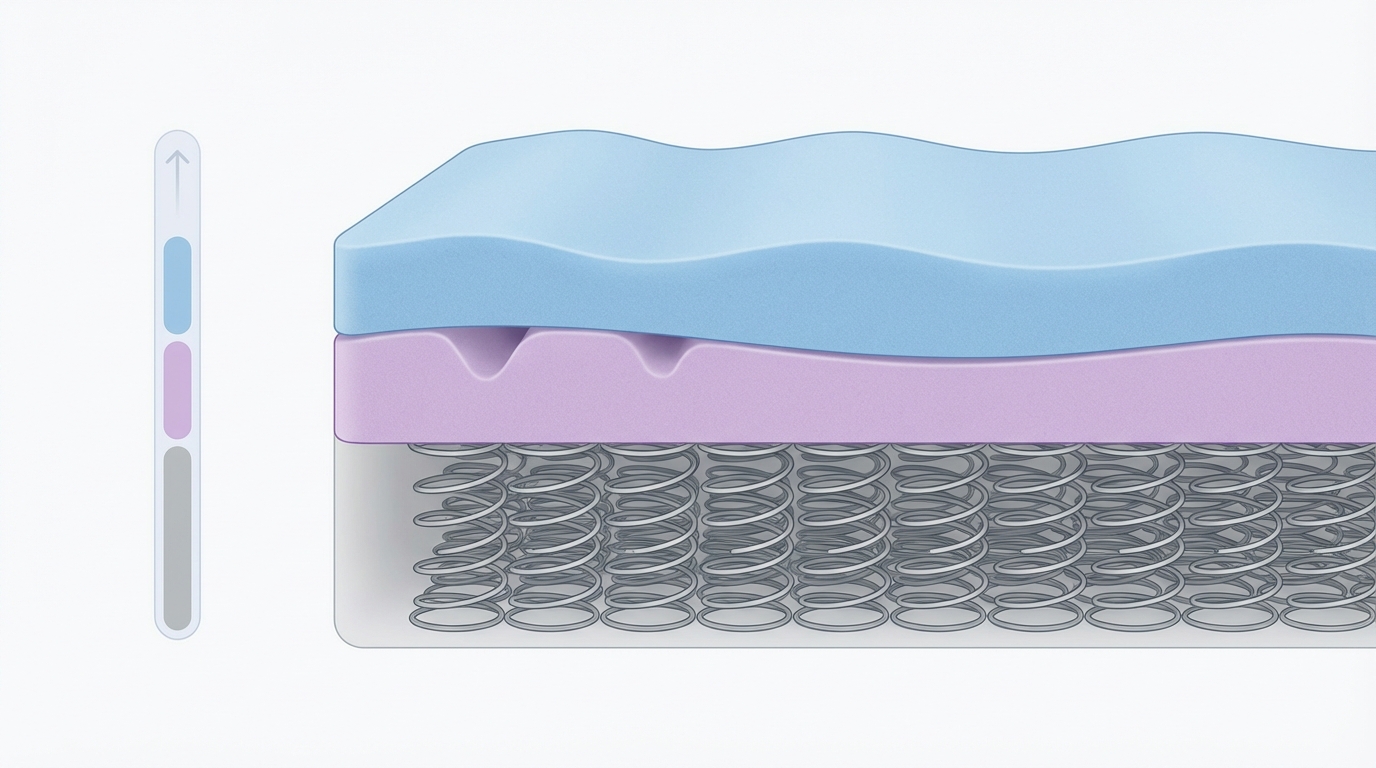
Even with all this information, many people still struggle with the actual decision point. You might worry about making the wrong choice, or feel guilty about spending money on yourself. A simple mental framework can help you cut through that hesitation and make a clear, confident call.
The three question mattress check
When I work one on one with shoppers, I often walk them through three core questions:
- How old is your mattress, realistically?
- How do you feel in your body when you wake up on it?
- How does it compare to sleeping somewhere else?
If your mattress is under 5 years old, you wake up comfortable and rested the majority of mornings, and you do not feel significantly better on other beds, you are probably safe to wait, focusing on care and perhaps adding a topper if you need a subtle tweak. If your mattress is between 5 and 8 years old, your sleep or comfort is inconsistent, and you notice you sleep better in hotels or at friends’ homes, replacement is worth serious consideration.
Once you cross 8 to 10 years, the burden of proof flips. At that point, your mattress should earn its place by actively supporting you. If you are in your later forties, fifties, or beyond, your joints and spine tend to become less forgiving of uneven surfaces, and a supportive, age appropriate mattress can make a noticeable difference in pain levels according to multiple orthopedic and rheumatology experts.
How your health and life changes factor in
Sometimes it is time for a new mattress even if your current one is not yet “old” by the numbers. Life changes like pregnancy, significant weight loss or gain, a new diagnosis of arthritis, sciatica, or sleep apnea, or adding a partner to your bed all change the way you load and experience your mattress.
For example, a surface that felt comfortably firm when you weighed 160 pounds may feel too hard and unforgiving if you now weigh 120, creating new pressure points. On the flip side, if you have gained weight, a plush mattress that once cradled you nicely may now let your hips sink too deeply, straining your lower back. If you develop shoulder arthritis and sleep on your side, you may need more cushioning around the joint than your current mattress can provide, even if it is technically still within its expected lifespan.
In these situations, adding a high quality topper can sometimes buy you an extra year or two of comfort. Products like the Tempur-Pedic Mattress Topper – Pillow Travel and Guest Bundle are designed to alter surface feel and redistribute pressure. However, if the underlying support system is already sagging or if your symptoms are significant, a full mattress replacement will usually serve your body better than layering comfort on top of structural fatigue.
Financial considerations and “false economy”
Mattresses are significant purchases, and it is natural to want to maximize every dollar. However, there is a point where hanging on to a failing bed becomes a false economy. If you are spending more on pain management, chiropractic treatments, massage therapy, or lost productivity at work than you would on a midrange replacement mattress, it is time to recalibrate.
Think in cost per night rather than ticket price. A quality mattress that costs a bit more upfront but lasts 9 or 10 years can work out to pennies per night of comfortable sleep. On the other hand, a bargain mattress that feels great for only 3 or 4 years before sagging may cost you more over time in both replacements and health consequences. Industry studies and consumer testing groups like Consumer Reports have repeatedly found that investing moderately more for solid construction yields better long term satisfaction.
When a shopper tells me they are trying to squeeze one more year out of a clearly worn out mattress, I gently remind them that they spend about one third of each day on that surface. Your bed is not a luxury item you interact with once in a while, it is the foundation of your nightly recovery. Framed this way, investing in a mattress that will last appropriately and support you well is one of the more rational, even frugal, health decisions you can make.
How to Choose a Longer Lasting Replacement Mattress
Once you have decided that your current bed has given all it can, the next question is how to choose a new mattress that will last as long as it reasonably should and feel good for as much of that lifespan as possible.
Match mattress type to your body and sleep style
The best longevity in the world is not helpful if you do not actually sleep well on the mattress. Start by matching the type and firmness of your new bed to your body and position habits. Side sleepers typically need more pressure relief at the shoulders and hips so they do not dig painfully into the mattress. Back sleepers usually do best on slightly firmer surfaces that keep the spine neutral while still allowing the hips to sink just enough. Stomach sleepers often require even firmer support to prevent the midsection from bowing downward.
Collections like the best mattresses for back sleepers and the best mattresses for stomach sleepers can be good starting points if you primarily sleep in one of those positions. Within side sleeping, your weight and personal preferences will guide whether you lean toward soft, medium, or medium firm. A plush pillow top like the Sealy Posturepedic Elite Soft Mattress – Albany II Euro Pillow Top often works nicely for lighter to average side sleepers who want a cozy, enveloping feel without giving up deep support.
Heavier individuals, combination sleepers, and couples with different needs often do well on a medium to medium firm hybrid that blends foam or latex comfort layers with a strong coil core. This design provides enough contouring to ease pressure but enough resilience to hold alignment for a wider range of bodies over more years.
Compare durability, not just comfort, on day one
When you are test lying on mattresses, it is easy to focus only on immediate comfort. While first impressions matter, you also want to pay attention to signals of durability. Look for:
- Substantial weight when you lift a corner, which often indicates denser materials and thicker coil units.
- Reinforced or “zoned” support descriptions, especially under the lumbar area.
- Foam densities listed in product specs, with higher numbers generally indicating longer life for the same firmness level.
- Edge support systems that keep the perimeter from collapsing when you sit or lie near the side.
A simple way to think of it: comfort is what you feel in the first few minutes, durability is how that comfort holds up night after night across years. Both matter, and a good Sleepology guide can help you interpret which models are built with longevity in mind versus those that lean more on immediate plushness with less structural backbone.
Protect your new investment from day one
Once your new mattress arrives, protect it well. A high quality mattress protector and well fitted sheets are your first line of defense against spills, sweat, and dust. Breathable cotton or moisture wicking fabrics help regulate temperature and prevent dampness, which can degrade materials faster and create a less hygienic sleep surface.
Consider upgrading your sleep environment more broadly at the same time. Supportive pillows, breathable sheets, and a properly sized foundation or frame all work together with your mattress. The pillows, sheets, toppers, and protectors collection offers options to round out your setup so that your new mattress has the best possible chance to deliver many years of healthy, restorative sleep.
Mattress Type Comparison: Comfort, Lifespan, and Best Fit
A side by side view can help clarify which general class of mattress best fits your durability and comfort goals:
| Mattress Type | Typical Lifespan (Years) | General Feel and Support | Best For |
|---|---|---|---|
| Innerspring | 5 to 8 | Bouncy, strong initial support, less contour | Back and stomach sleepers who like a traditional, firmer feel |
| Memory Foam | 7 to 10 | Deep contouring, pressure relief | Side sleepers and those with joint pain who like to feel cradled |
| Hybrid | 7 to 10 | Balanced support and contour, responsive | Most couples, combination sleepers, and mixed position sleepers |
| Latex | 10 to 15+ | Buoyant, supportive, slightly springy | Eco focused buyers, hot sleepers, and durability seekers |
These ranges are general and assume average use with reasonable care. Your specific experience will depend on build quality, body type, and the maintenance habits we discussed earlier. What the table makes clear is that you can choose a mattress type that aligns with both your comfort preferences and your expectations for how long the bed should reasonably last.
Conclusion: Your Mattress Should Support Your Life, Not Hold You Back
If your mattress is making you dread bedtime or resent mornings, you are not being picky, you are picking up on a real mismatch between what your body needs and what your bed is delivering. Over the years, I have watched countless people assume that their aches, fatigue, or broken sleep were just part of aging or stress, only to discover that replacing a worn out mattress unlocked better days and easier nights than they thought possible.
You now know that there is no single magic number for how long a mattress should last. Instead, lifespan depends on materials, build quality, your body, and your habits. Average ranges of 7 to 10 years for most modern mattresses provide a reasonable planning window, but the more important clues are what your body is telling you, how your mattress looks and feels, and how your sleep compares in other environments. Sagging, pain that fades after you get out of bed, allergy flare ups at night, and a clear gap between home and hotel sleep are all signs that your mattress has given what it can.
The good news is that you are not stuck. With a bit of guidance, you can choose a replacement that fits your sleep style, supports your health, and is built to last a realistic, satisfying number of years. Whether that means a resilient hybrid like the Sealy Posturepedic models we explored, a high quality latex option, or a thoughtfully constructed innerspring, you have options at different price points that balance comfort and durability. Pair your next mattress with proper support, protection, and a few simple care habits, and you will set yourself up for thousands of nights of better rest.
If you feel unsure about where to start or how your current mattress stacks up, you do not have to navigate this alone. A Sleepology Sleepologist can help you translate your symptoms, your current bed’s age and condition, and your budget into clear next steps. Whether that is giving your bed one more year with the right topper and base or choosing something entirely new, the goal is the same: to help you wake up supported, refreshed, and ready for your day, not fighting the aftereffects of a mattress that has quietly aged out of your life.
Frequently Asked Questions
How long should a mattress last on average?
For most adults, a typical mattress should last about 7 to 10 years with regular nightly use. That range comes from organizations like the Sleep Foundation, which note that materials such as latex and high density memory foam tend to reach the upper end of the range or beyond, while basic innerspring beds often fall on the shorter side. Your personal experience depends on your body weight, sleep style, mattress quality, and how carefully you protect and support the bed over time. Lightly used guest mattresses can last longer, while mattresses used by heavier couples or active families may need replacement closer to the 7 year mark.
How can I tell if my mattress is causing my back pain?
If your back pain is worse in the morning, improves after you get up and move around, and is noticeably better when you sleep on a different bed, your mattress is a likely contributor. A sagging middle, visible body impressions, or a feeling that your hips or midsection are sinking too deeply are additional clues. According to back health experts and clinics like Mayo Clinic, sleep surfaces that fail to maintain neutral spinal alignment can aggravate or even trigger chronic low back pain. It is still important to talk with your healthcare provider about new or worsening pain, but if your exam is otherwise normal and your pain pattern lines up with your mattress use, a replacement bed with better support is often part of the solution.
Can a mattress topper make an old mattress last longer?
A mattress topper can improve surface comfort and sometimes buy you an extra year or two if your existing mattress is still structurally sound but feels a bit too firm or has only mild, shallow impressions. Toppers add cushioning and can redistribute pressure, which is especially helpful for side sleepers or those with hip or shoulder pain. However, if your mattress is already sagging deeply, has broken coils, or shows clear loss of core support, a topper will not fix the underlying problem. In those cases, it acts more like a bandage over a structural issue. You may be more comfortable for a short time, but your spine will still be working too hard all night, and full replacement is usually the healthier option.
Do I really need a new foundation or base when I get a new mattress?
In many cases, yes. A worn or incompatible base can shorten the life of a new mattress and may even void its warranty. Slats that are spaced too far apart or a sagging box spring allow the mattress to bow between support points, which accelerates foam and coil fatigue. When you invest in a new mattress, it is wise to evaluate your current support system honestly. If it is more than a decade old, visibly sagging, or not designed for your new mattress type, upgrading to a supportive platform or a high quality adjustable base is usually worth the cost. This helps your mattress perform as intended and maximizes its lifespan.
Are more expensive mattresses always longer lasting?
Not always, but cost and durability are often related. Higher prices typically reflect better quality materials, more complex construction, and stronger quality control, all of which can translate into better longevity. However, some mattresses are expensive primarily because of branding or niche features that do not actually improve durability. The key is to look under the hood: check foam densities, coil type and count, edge support, and warranty terms. A moderately priced hybrid with solid specs can outlast a flashy, “luxury” mattress that skimps on structure. Working with a knowledgeable guide at Sleepology can help you spot where your money is truly going into long term performance versus short term gloss.
Is it okay to keep a mattress in a guest room for 15 or 20 years?
It can be, as long as the mattress remains clean, supportive, and comfortable for the people who use it. Guest room mattresses generally see far less nightly wear, so their materials age more slowly. That said, time still brings gradual foam oxidation and allergen buildup. If your guest mattress is approaching 15 or 20 years, inspect it for sagging, smells, or visible staining, and lie on it yourself for a few nights to assess comfort. If you would not be happy sleeping on it for a week, your guests probably would not be either. Replacing an extremely old guest mattress with a modern, midrange option is a considerate step and does not have to be as large an investment as a primary bed.
How often should I rotate my mattress to help it last longer?
Unless the manufacturer specifies otherwise, rotating your mattress head to foot every three to six months is a reasonable guideline. This helps distribute wear more evenly so the same areas are not constantly under the heaviest load. Some mattresses are designed to be one sided and should not be flipped, but almost all benefit from rotation. Mark a reminder on your calendar or tie it to seasonal tasks like changing smoke detector batteries. Regular rotation, combined with a mattress protector and proper support, is one of the simplest ways to help your mattress maintain comfort and alignment longer.