

How Long Does a Mattress Last? A Realistic Guide To Lifespan, Comfort, And Knowing When It Is Time
If you are waking up sore and staring at a mattress that has seen better days, you are not alone. I talk to people every week who feel guilty for hanging on to an old bed, but also nervous about spending money on a new one. Maybe your mattress is 7, 10, or even 15 years old, and you are wondering whether it is really the problem or if your body just hurts more than it used to. That uncertainty can keep you stuck in limbo, night after night.
Your mattress plays a bigger role in your health than almost anything else in your bedroom. According to the Sleep Foundation, most adults need 7 to 9 hours of sleep per night, and mattress comfort and support directly influence how much of that time is actually restorative. When a mattress ages, you do not just lose a bit of fluff. You lose spinal support, pressure relief, and often hygiene, which can quietly chip away at your energy, mood, and pain levels.
The good news is that mattress lifespan is not a mystery when you know what to look for. There are clear patterns in how long different mattress types last, specific warning signs that yours is past its prime, and very practical ways to squeeze more years of healthy sleep out of the bed you already own. You will also see that a “10 year warranty” is not the same thing as “10 years of great sleep,” and you will learn how to tell the difference.
You are in the right place if you want a realistic answer to the question “How long does a mattress last?” without scare tactics or sales pressure. I will walk through typical lifespans by material, how your body, habits, and home environment affect durability, which problems you can fix and which mean it is time to move on, and how to match your replacement mattress to the way you actually sleep. Along the way I will point you toward specific Sleepology mattresses and accessories that fit common situations, so you can turn information into an action plan when you feel ready.
Mattress Lifespan 101: The Honest Answer
The most straightforward answer to “how long does a mattress last” is that most mattresses provide their best comfort and support for about 7 to 10 years. That range comes up consistently across industry research and consumer organizations. The Sleep Foundation notes that 7 to 10 years is the general guideline, with some materials lasting longer and some wearing out sooner. The key phrase there is “general guideline,” because your own experience will depend on what is inside your mattress and how it is used.
Think of a mattress as a system rather than a single slab of foam or springs. You have comfort layers on top, support cores underneath, adhesives stitching everything together, and the cover protecting it all from body oils, sweat, and moisture. Over time, the comfort layers compress, the support core can lose firmness, and the cover can stretch, stain, or tear. A high quality build simply slows that process down, while a bargain build tends to speed it up.
Another important reality is that your body changes even if your mattress did not. Weight gain or loss, pregnancy, new back or joint issues, or the addition of a partner can all change what “supportive” feels like to you. It is common for people to blame themselves instead of the mattress, especially when they have had it for a long time. From what I see in the showroom, many people push a mattress several years beyond its optimal lifespan simply because the decline is gradual.
That slow slide is why organizations like the National Sleep Foundation and Mayo Clinic encourage people to look at sleep quality and next day functioning, not just calendar years. If a mattress is keeping your spine aligned, minimizing pressure points, and letting you wake up refreshed, it is doing its job, even if it is 9 years old. If you are tossing, sore, or more comfortable on the couch, the “age” conversation suddenly becomes much more urgent, even at 5 or 6 years.
How Long Different Mattress Types Typically Last

Mattress materials are not all created equal when it comes to longevity. One of the biggest gaps I see in competitor content is that they throw out an average like “8 years” without explaining that latex, memory foam, and basic innersprings behave very differently over time. Let us break that down, then we will compare them side by side in a quick reference table.
Innerspring mattresses
Traditional innerspring mattresses rely on a core of metal coils with thinner layers of foam and fiber on top. These are the classic “bouncy” beds many of us grew up with. Innersprings tend to have the shortest useful lifespan, commonly around 5 to 8 years, because the comfort layers are relatively thin and the coils can lose tension or lean over time. Once the coil system starts to fatigue, you often see visible sagging or feel that “hammock” effect through your hips and lower back.
Better innerspring and hybrid designs that use stronger coil systems and more durable comfort layers can push that range closer to 8 to 10 years for many sleepers. For example, the Sealy Posturepedic line is built with zoned coils that hold up better under heavier parts of the body, which helps delay that mid‑mattress dip that sends people shopping.
Memory foam mattresses
All foam and memory foam mattresses earn their reputation for contouring because the foam softens under body heat and weight, then slowly recovers. That recovery is where lifespan lives or dies. High density foams are more resilient and can often provide 8 to 10 years of good support, sometimes more for lighter sleepers. Lower density foams may feel great the first few years but tend to develop permanent impressions and soft spots more quickly.
Consumer Reports testing over the years has repeatedly found that higher density memory foam holds its shape and support better than cheaper, airy foams, especially for people over 200 pounds. Heavier bodies simply compress foam deeper and more often, so density really matters. If your foam mattress is starting to feel “mushy” in the middle or you see clear body impressions that do not bounce back, you are seeing the end of its healthy lifespan.
Hybrid mattresses
Hybrids combine a coil support core with thicker foam or latex comfort layers on top. Done well, they offer the durability of springs with the pressure relief and motion isolation of foam. In real‑world use, a quality hybrid often lands in the 7 to 10 year range and sometimes beyond, depending on sleeper weight and materials. The coil system does a lot of the lifting, so the foam does not have to work as hard as it does in an all‑foam design.
At Sleepology, many of the mattresses our customers keep the longest are modern hybrids. For example, a medium hybrid like the Sealy Posturepedic Pro Medium Mattress – Dupont II Euro Pillow Top layers responsive coils with high quality foams. That combination gives a comfortable, cushioned feel now and better structural integrity over the long term, particularly for back and combo sleepers.
Latex mattresses
Natural latex is the clear longevity winner. High quality latex mattresses regularly reach 12 to 15 years of useful comfort and, in some cases, 20 or more. Latex is a very resilient material, so it bounces back quickly and resists forming deep impressions. Studies in bedding industry trade publications and long‑term user reports have shown that latex maintains firmness and support better than most other materials.
The tradeoff is cost and feel. Latex mattresses tend to be more expensive and have a buoyant, slightly springy feel rather than the slow sink of memory foam. Many people love that combination of lift and contour, but some prefer a more traditional “hug.” If you decide to invest in latex, you are generally trading a higher up‑front spend for a longer usable lifespan.
Quick comparison: How long do mattress types last?
Here is a simple table that pulls the big picture together. These are realistic ranges for typical, everyday use, not marketing promises.
| Mattress Type | Typical Comfortable Lifespan | What Usually Wears Out First | Best Fit For |
|---|---|---|---|
| Basic innerspring | 5 to 8 years | Coil tension, thin comfort layers | Guest rooms, lighter bodies, shorter term use |
| Quality hybrid | 7 to 10 years | Top foams, edge support | Most sleepers wanting balance of support and feel |
| Memory foam | 7 to 10 years | Foam density, body impressions | Pressure relief, side sleepers, motion isolation |
| Natural latex | 12 to 15+ years | Cover, minor softening | Long term investment, eco‑minded shoppers |
These ranges are starting points, not rules. Two people can buy the same hybrid mattress and have different outcomes if one weighs 130 pounds and the other 260, or if one uses a protector and rotates the bed and the other does not. We will talk about those real life factors next.
“Our old mattress was a cheap innerspring and by year six my hips were in a permanent ditch. Mia walked us through hybrids and latex, and we ended up with a mid‑range hybrid that feels amazing. Two years in, it still looks brand new and I actually wake up pain free. Worth every dollar compared to what we spent replacing the old one.” – Sara K., November
What Actually Affects How Long Your Mattress Lasts
Knowing the average lifespan of a mattress type is helpful, but your particular mattress lives in your particular bedroom, with your body, habits, and environment. This is where a lot of generic advice falls short. Let us look at the main factors I see shortening or extending mattress life in the real world.
Your body weight and sleep position
Weight and sleep position change how your body interacts with the mattress. Heavier bodies compress materials more deeply and speed up wear, especially in the center third of the bed where you carry most of your mass. If you weigh over about 230 pounds, choosing higher density foams, stronger coil systems, or latex becomes even more important. Otherwise, that 10 year marketing claim may feel more like 5 or 6 years of good sleep.
Sleep position matters because it concentrates pressure on different areas. Side sleepers put a lot of weight into hips and shoulders, which can cause localized sagging or deep impressions in softer comfort layers. Back and stomach sleepers distribute weight more broadly, but they are also more sensitive to midsection sag, which can increase back pain. A study in the Journal of Chiropractic Medicine found that medium‑firm mattresses tend to support spinal alignment better than very soft ones for many people, but that assumes the mattress is not already dipping under your hips.
This is one reason Sleepology stocks specific collections for sleep positions. If you mainly sleep on your back and want a mattress that will keep your spine supported for years, browsing something like our best mattresses for back sleepers collection can be a smart starting point. These beds are built with firmer support in the center so that lifespan and comfort align with your body.
The quality of materials and construction
You can feel some differences in quality in a showroom, but many do not show up until year three, four, or five. High density foams weigh more, resist immediate “body grooves,” and tend to feel substantial when you press your hand in. Coils made from thicker gauge steel or arranged in zoned patterns are more resilient than very thin, bonnell‑style coils. Reinforced edges hold up better to nightly sitting or side sleeping right at the border.
Organizations like Consumer Reports and independent testing labs consistently find that mid‑ to higher priced mattresses use better materials and have fewer early sags or defects than rock bottom options. Price is not everything, but when you see a queen mattress advertised for less than many sofas, that low price has to come from somewhere, and it is usually thinner foams and lighter weight coil systems that age faster.
When you look at a mattress like the Sealy Posturepedic Plus Medium Mattress – Paterson II Euro Pillow Top, you are paying for density and design. Zoned coils under your hips and lower back, more robust edge support, and higher quality comfort foams are not just about how it feels in year one. They are about how it continues to perform in year seven.
Your sleep environment and care habits
Humidity, temperature swings, and indoor air quality all influence how a mattress ages. Moisture from sweat or spills that is not managed with a protector can seep into foams and batting, breaking them down more quickly and inviting mold or mildew in humid climates. According to the Cleveland Clinic, dust mites and allergens thrive in warm, humid bedding environments and can worsen allergies and asthma over time, which is another reason to keep your mattress clean and protected.
Care habits are where you have the most immediate control. Using a waterproof, breathable mattress protector from day one significantly reduces stains, odors, and moisture damage. Regularly vacuuming the surface and occasionally cleaning the cover according to manufacturer instructions helps keep allergens down. Rotating the mattress head to foot on a schedule, if the design allows, spreads wear more evenly and can dramatically extend the time before you see a clear “favorite spot.”
Sleep accessories matter too. A supportive foundation or base prevents the mattress from bowing through slats, and an adjustable base can improve comfort and circulation without forcing you to use multiple thick pillows that compress the top layers more aggressively. At Sleepology, I often pair new mattresses with an adjustable bed frame and base for people with snoring, reflux, or back issues, because that combination can reduce strain on the mattress and your body at the same time.
“I assumed my 9 year old mattress was just ‘done,’ but Mia asked about my slats, pillows, and protector. We realized the bed was bowing in the middle and my pillows were exaggerating my neck pain. I upgraded my base and added a quality protector and topper instead of rushing into a new mattress, and it bought me another 2 years of genuinely better sleep.” – David R., October
Signs Your Mattress Is Past Its Prime
Years alone do not tell the whole story. The real question is less “How old is your mattress?” and more “How is it treating your body right now?” There are specific signs I encourage people to watch for that often appear in the 7 to 10 year range, but can show up earlier if materials are lower quality or heavily used.
Changes you can see
The most obvious sign is visible sagging or body impressions that do not rebound after you get out of bed. A slight cosmetic impression is normal, especially in very plush pillow tops, but if you are seeing a valley deeper than about 1 to 1.5 inches or a noticeable ridge down the middle, the support system is likely compromised. You might also notice that your sheets no longer stay tight or that you roll toward the center unintentionally.
Stains and discoloration tell a different story. Yellowing can happen over time from light and normal moisture, but large dark stains or persistent discoloration can indicate spills that soaked through or even mildew inside the mattress. At that point, hygiene and indoor air quality become concerns, especially if anyone in your household has allergies or asthma. Regular protectors and cleanings help, but past damage cannot always be reversed.
Finally, check the edges and corners. If you sit on the side of the bed to get dressed every day or sleep right at the edge, that area often softens first. Mushy edges that collapse when you sit or lie there are another sign your mattress has lost structural integrity, even if the center still feels okay.
Changes you can feel
Sometimes the mattress looks fine but your body disagrees. Waking up with new or worsening aches in your neck, shoulders, hips, or lower back is one of the strongest functional signs that the bed is not supporting you well anymore. An older study published in The Lancet concluded that medium‑firm mattresses tended to reduce back pain and improve sleep quality for many individuals with chronic low back pain, but those results assume the mattress is not sagging. Once support weakens, even a medium‑firm bed can become a source of strain.
Pay attention to how you feel in different locations. If you sleep better on a hotel bed, a guest room mattress, or even your couch than you do in your own bed at home, that contrast is extremely telling. Your body does not have brand loyalty. It simply knows whether your spine feels supported and your pressure points are cushioned. Likewise, if you find you are tossing and turning more, hunting for a comfortable spot, that can signal that your mattress is not evenly supporting your body.
Motion transfer can change over time too. If you suddenly feel every movement your partner makes when you did not before, it might mean the foams that once absorbed that motion have broken down. On older innersprings, squeaks and creaks from the coil system are a mechanical warning that components are wearing out.
“I thought my knee and hip pain were just age catching up with me. Mia had me lie on my side on my old mattress, then on a supportive medium hybrid in the showroom. The difference in how my spine lined up was shocking. Within two weeks of sleeping on our new Sealy Posturepedic Elite Soft Mattress – Albany II Euro Pillow Top, I was waking up without that deep ache for the first time in years.” – Linda P., December
Can You Make A Mattress Last Longer Without Sacrificing Comfort?
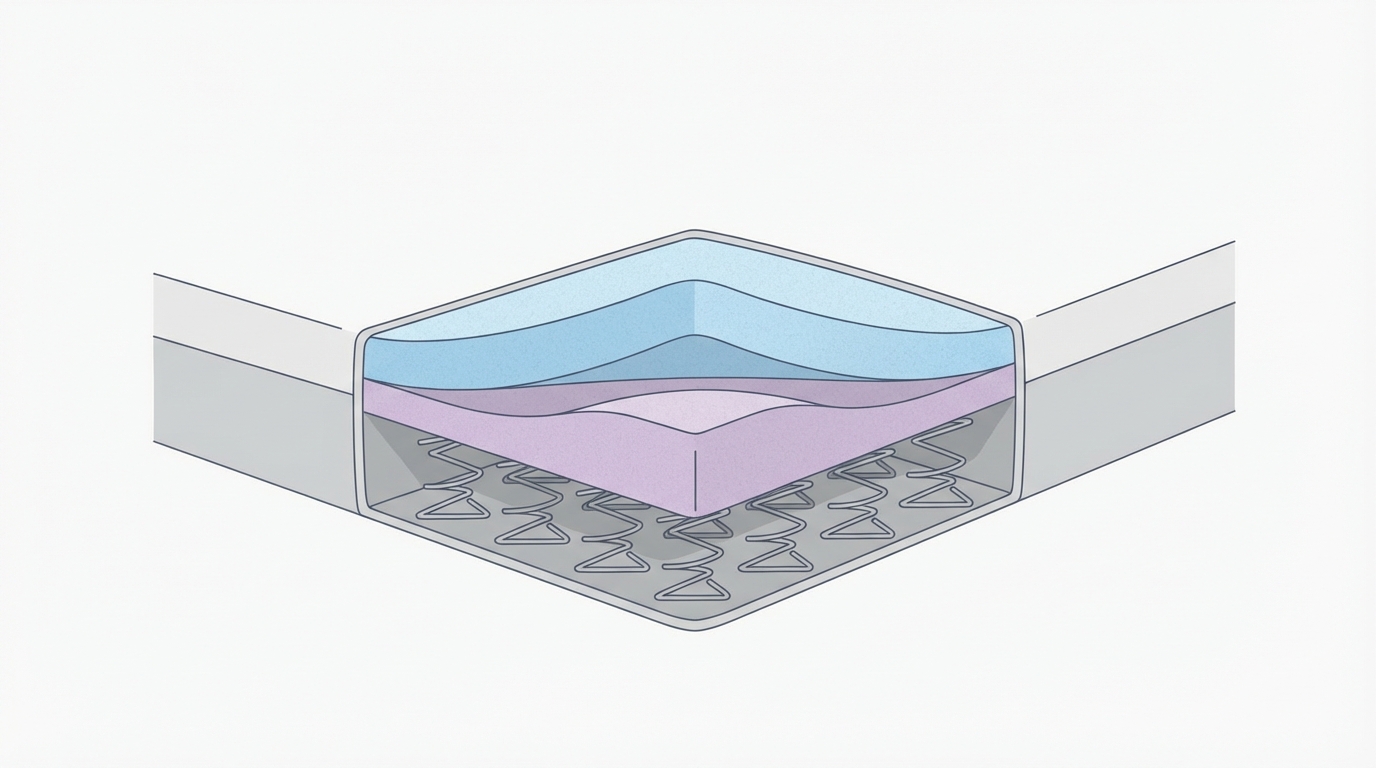
If your mattress is clearly sagging or causing pain, it is time to start shopping. But if it is in that gray area where it is aging but not yet failing, there are smart ways to extend its life while still honoring your body. Think of this as preventative care and triage, not magic.
Smart protection and cleaning
A good quality, breathable mattress protector is not just about spills from kids or pets. It is your front line against sweat, body oils, dust mites, and skin cells that can slowly break down foams and cause odors. According to allergy specialists referenced by Mayo Clinic, encasing mattresses and pillows in allergen‑proof covers significantly reduces exposure to dust mites, which can improve night‑time allergy and asthma symptoms.
Cleaning habits matter too. A quick vacuum of the mattress surface when you change sheets helps remove dust and debris before it works its way deeper. Spot clean stains promptly according to manufacturer instructions, and give the mattress occasional time to air out with sheets off if humidity is not too high. Just like with clothing, a little consistent care is easier and more effective than trying to fix years of neglect in one weekend.
Accessories can also share the load. A high quality topper cannot fix a collapsed support core, but it can smooth out minor comfort issues, adjust firmness, and take some pressure off the top layers. If your mattress is structurally sound but feels a bit too firm now that your body has changed, pairing it with a plush topper and breathable sheets from a collection like our pillows, sheets, toppers, protectors can buy you time and improve comfort.
Rotating, supporting, and using your bed wisely
If your mattress is designed to be rotated head to foot, doing that every three to six months as recommended by the manufacturer helps distribute wear more evenly. Foam and hybrid mattresses especially benefit from this practice. Avoid flipping mattresses that are not built to be double‑sided, though, because using them upside down often puts softer foams on the bottom and can damage the structure.
Equally important is what your mattress rests on. Slats that are too far apart, a broken box spring, or using the mattress directly on a surface that traps moisture can all shorten its life. Many modern mattresses work best on a solid platform, appropriately spaced slats, or a compatible adjustable base. If your mattress is sagging in the middle, peek under it. Sometimes replacing or reinforcing the foundation is the simple fix.
Habits matter in subtle ways, too. Regularly sitting on the same spot at the edge to put on shoes, letting kids use the mattress like a trampoline, or stacking several very thick pillows under your upper body can put extra stress on specific areas. I am not suggesting you baby your mattress like a museum piece, but being aware of those concentrated loads can help you balance daily life with long term comfort.
When To Replace Versus When To Repair Or Adapt
One of the most stressful parts of mattress shopping is not knowing whether you truly need a new bed or if you are being “sold.” As someone who has spent two decades in this field, I am a big believer in making careful distinctions between a mattress that is failing and one that simply needs support.
A mattress is usually ready to be replaced if you can answer yes to at least two or three of these statements:
- You see sagging or body impressions deeper than about 1 to 1.5 inches in the areas where you sleep.
- You wake up with new or worse pain that improves when you sleep in a different bed.
- You feel noticeably more comfortable and supported on a newer mattress elsewhere.
- There are significant stains, odors, or suspected mold that cleaning and protectors cannot address.
- Your weight, health, or sleep situation has changed dramatically since you bought it, and the mattress no longer meets your needs.
On the other hand, your mattress might be salvageable or adaptable if the core feels level and supportive but the comfort just is not quite right. In that case, a quality topper, a better pillow matched to your sleep position, or an adjustable base that slightly elevates your head or feet can make a meaningful difference. For example, stomach sleepers often do best on a flatter, firmer surface, and they may be better served by moving to something from our best mattresses for stomach sleepers collection once their current bed truly wears out.
Warranty coverage is one more layer to consider. Many mattress warranties cover defects like deep impressions beyond a certain depth, broken coils, or materials that fall apart prematurely. They typically do not cover general softening, comfort preference changes, or damage from lack of a proper foundation or protector. It is worth checking your paperwork, but also going in with realistic expectations about what a warranty is designed to address.
If you feel stuck in that gray zone, bringing your questions, photos of your mattress, and notes on your sleep to a Sleepology consultant can help. We can often save people unnecessary expense by troubleshooting first, or, when it is truly time to replace, help match you to a mattress with the right materials and firmness for many years of better nights, not just the first several months.
Matching Mattress Lifespan To Your Real Life
Once you understand how long different mattresses last and how to care for them, the final step is aligning that knowledge with your actual lifestyle and plans. A mattress that should last 15 years on paper is not automatically the best choice for every person or every room.
Thinking in terms of “use years,” not calendar years
I like to think in terms of “use years,” which is a blend of how often a mattress is slept on, who is sleeping on it, and what their needs are. A high quality latex mattress used nightly by a couple with back issues might deliver 12 to 15 excellent use years and be worth every penny. That same mattress in a rarely used guest room might easily exceed 20 years of occasional use, which is more than most people realistically need.
On the flip side, an inexpensive innerspring in a main bedroom might feel like a great deal for the first few years, but by year 5 you may be shopping again. If you end up buying two or three bargain mattresses over the same period that one high quality hybrid or latex would have served you, the long term cost and environmental footprint can actually be higher. There is no single “right” answer, but looking at lifespan and price together often clarifies the best route.
Different seasons of life also matter. If you are furnishing a child’s first big‑kid bed and know you may be switching to a larger size later, you might lean toward a good mid‑range hybrid with a 7 to 10 year horizon. If you are setting up your forever home or dealing with chronic pain and want stability, investing in a more durable build now can spare you from repeating the shopping and adjustment process again in a few years.
Matching materials and firmness to your future self
Finally, consider not just how you sleep today, but how you may sleep in 5 or 10 years. Many of my clients in their 40s and 50s, for example, know they are starting to feel more sensitive to pressure in their joints and are looking for a mattress that will still be comfortable as that continues. A medium hybrid like the Sealy Posturepedic Elite Medium Mattress – Brenham II Euro Pillow Top gives enough cushion for side sleeping but has a supportive core that can keep up as bodies change.
If you expect your weight to fluctuate significantly, or if you are planning for pregnancy or other major changes, leaning a little more toward support than ultra‑plushness is usually the better long term move. Overly soft beds tend to feel wonderful for a few minutes and then trap you in unsupported positions, especially as materials age. A supportive mattress paired with a thoughtfully chosen topper and pillows gives you more flexibility to fine‑tune comfort as the years go by.
The through‑line here is that lifespan is not something the mattress manufacturer decides alone. It is a partnership between the materials, your body, your habits, and your future plans. When you select and care for your mattress with that longer view in mind, those “How long does a mattress last?” worries fade into the background, and you can focus on what your bed is really for, which is helping you wake up rested and ready more days than not.
Conclusion: From “How Long” To “How Well”
By now, you can probably see that the better question is not only “How long does a mattress last?” but “How long does a mattress keep you sleeping well?” On average, most quality mattresses give you 7 to 10 years of comfortable, supportive use, with natural latex often reaching 12 to 15 years or more. Innersprings usually sit on the shorter end of that range, hybrids and memory foam in the middle, and latex at the top. But those numbers are always filtered through the lens of your body, your sleep style, and how you care for the bed.
The real markers of mattress lifespan are things you can see and feel. Sagging, deep impressions, new aches and pains, restless nights, and that sinking sense that the couch is actually more comfortable, are all strong signals that the mattress has given you its best years. Thoughtful care, protectors, rotation, and good foundations can preserve those good years and smooth out the tail end of a mattress’s life, but they cannot resurrect broken springs or collapsed foam.
If your current mattress is on its last legs, or you simply do not want to repeat past mistakes, you now have a framework for choosing your next one with more confidence. Match materials to your body and timeline, pay attention to build quality rather than marketing hype, and think in terms of long term comfort, not just first‑night softness. Whether that leads you to a supportive hybrid like the Sealy Posturepedic Medium Mattress – Medina II Euro Pillow Top or a different style entirely, you will be making a clear, informed choice.
If you would like help translating all of this into a specific recommendation, the Sleepology team and I are only a phone call or visit away. Bring your questions, your aches and pains, your height and weight, and even a photo of your current mattress if you like. Together, we can find a bed that not only “lasts” on paper, but quietly supports better sleep and better mornings for years to come.
Frequently Asked Questions
How long does a mattress realistically last before it starts to affect my sleep?
Realistically, most mattresses begin to lose their best support and comfort somewhere between 7 and 10 years of nightly use. You might still be able to sleep on the bed beyond that point, but subtle sagging, softer foams, and tired coils can gradually erode sleep quality and increase aches and pains. Latex mattresses are the main exception, often providing 12 to 15 years or more of good performance, especially for lighter sleepers who care for them well. The most reliable sign is not the birthday of the mattress, but whether you wake up feeling rested and relatively pain free compared to other places you sleep.
How long should I keep a memory foam mattress?
With decent foam density and proper care, many memory foam mattresses perform well for about 7 to 10 years. Higher density foams tend to last longer and resist permanent body impressions, while lower density budget foams may start to feel mushy or develop deep indentations much sooner. If you notice that the foam no longer rebounds fully, you see visible troughs in your usual sleep area, or you wake with new pressure point pain, those are clear signs your memory foam mattress is nearing the end of its comfortable lifespan, even if you are still within the advertised warranty period.
How long do hybrid mattresses last compared to innerspring beds?
Hybrid mattresses generally outlast basic innerspring beds because they combine a more robust coil system with thicker, higher quality comfort layers. A well built hybrid commonly provides 7 to 10 years of solid performance, while many traditional innersprings fall into the 5 to 8 year range before sagging or loss of support becomes an issue. Reinforced edges, zoned coils, and better foam densities can stretch a hybrid’s healthy lifespan, especially for average weight sleepers. If you are upgrading from a sagging innerspring, moving to a quality hybrid is often one of the most noticeable and durable improvements you can make.
Does a mattress topper make my mattress last longer?
A mattress topper can help extend the comfort life of a mattress that is still structurally sound, but it cannot repair a failing support core. By absorbing some of the nightly wear and providing fresh cushioning, a topper can reduce pressure on the original comfort layers and delay the onset of small impressions or minor firmness issues. However, if your mattress is already sagging significantly or causing alignment‑related pain, a topper will mostly mold to that existing dip and may even make rolling out of the “valley” harder. In those cases, it is usually time to replace the mattress instead of layering more material on top.
How do I know if my mattress is causing my back pain or if it is something else?
Distinguishing mattress‑related back pain from other causes starts with patterns. If your back feels stiff or sore mainly in the morning and improves after you get up and move around, or if you sleep better on a different mattress away from home, that strongly suggests your bed is a factor. Visible sagging under your lower back or hips, or feeling your spine curve unnaturally when you lie down, is another clue. That said, back pain can have many medical causes, so if pain is severe, persistent, or accompanied by numbness or weakness, it is important to speak with a healthcare professional while also addressing potential mattress issues.
Can a mattress really last 20 years if I take good care of it?
A handful of high quality natural latex mattresses can approach or even exceed 20 years of usable life, especially in guest rooms or for lighter sleepers. However, for a main bed used nightly, expecting 20 years of excellent support from any mattress is usually unrealistic. Materials gradually soften, hygienic concerns accumulate, and your own body and sleep needs change over time. Aiming for 8 to 12 years of strong performance from a well chosen hybrid, memory foam, or latex mattress is a more practical and healthy goal, with anything beyond that considered a bonus rather than a guarantee.
Do warranties mean my mattress will last as long as the warranty period?
Not exactly. A 10, 15, or even 25 year warranty is a statement about how long the manufacturer will stand behind certain defects, not a promise that the mattress will feel like new for that entire span. Warranties typically cover problems like deep indentations beyond a specified depth, broken coils, or major material failures, but they do not cover normal softening, minor impressions, or changes in your comfort preferences. When you evaluate warranty length, use it as one indicator of build quality and brand confidence, but still rely on realistic lifespan ranges and your own comfort to decide when it is time to replace your mattress.