


Have you ever wondered why some people sleep soundly through the night while others wake up with mysterious allergies, or why a premium mattress might wear out faster than expected? The secret often lies not in the mattress itself, but in what protects it. A quality mattress protector serves as the unsung hero of your sleep sanctuary, working tirelessly to defend against spills, allergens, dust mites, and everyday wear that can compromise both your health and your investment. While many shoppers focus exclusively on finding the perfect mattress, they often overlook this critical component that can mean the difference between years of comfortable sleep and a prematurely degraded sleeping surface. With so many options flooding the market—from basic covers to advanced waterproof mattress protectors with cooling technology—making the right choice can feel overwhelming. Should you prioritize waterproof protection over breathability? Is a hypoallergenic mattress protector worth the extra cost? How do you balance easy-care convenience with long-term durability? The truth is, selecting the best mattress protector for your needs requires understanding not just the features available, but how those features align with your specific sleep habits, health concerns, and lifestyle. Whether you're protecting a brand-new luxury mattress, dealing with allergies, managing nighttime accidents, or simply want to extend the life of your current sleep setup, the right washable mattress protector can transform your sleep experience while safeguarding your investment for years to come.
Key Takeaways
- A quality mattress protector extends mattress lifespan and protects your investment
- Waterproof and breathable materials provide the best balance of protection and comfort
- Hypoallergenic options create healthier sleep environments by blocking allergens and dust mites
- Easy-clean, washable designs simplify maintenance and promote better sleep hygiene
- Choosing the right mattress protector materials impacts both durability and comfort
Choosing the Best Waterproof Mattress Protector for Ultimate Sleep Comfort
Finding the best mattress protector means balancing several important factors that work together to create a healthier, more comfortable sleep environment. The ideal protector should shield your mattress from liquids, allergens, and daily wear without compromising the comfort you expect from your bed. This balance is especially important if you've invested in a quality mattress from brands like Tempur-Pedic, Sealy, or Stearns & Foster, where protecting that investment becomes a priority.
When shopping for a waterproof mattress protector, comfort should never be sacrificed for functionality. Modern mattress protector materials have come a long way from the crinkly, uncomfortable covers of the past. Today's best options incorporate advanced fabrics that provide complete waterproof protection while maintaining breathability and a soft, quiet surface that won't disrupt your sleep. The key is finding a protector that works invisibly—you shouldn't even notice it's there.
The range of available options can seem endless, but focusing on your specific needs helps narrow the field considerably. If you have allergies or asthma, a hypoallergenic mattress protector becomes essential. For those who sleep hot, breathable materials with moisture-wicking properties make all the difference. Families with young children or pets often prioritize waterproof features and easy cleaning capabilities. Understanding these priorities before you start shopping saves time and ensures you'll be happy with your choice long-term.
One critical consideration that many shoppers miss is how the mattress protector interacts with their existing mattress. A protector that fits poorly can bunch up, create uncomfortable ridges, or slip off during the night. This is particularly important if you have a specialty mattress like those from Sleepology's mattress protector collection, where you want to preserve the unique feel and support characteristics of your investment.
Mattress protector reviews from real users provide valuable insights into how products perform over time. While manufacturer claims tell you what a protector should do, customer experiences reveal how it actually holds up to daily use, repeated washing, and various sleep scenarios. Pay attention to reviews that mention durability, comfort after multiple washes, and whether the waterproof barrier remains effective over time.
The best mattress protector buying guide advice centers on understanding the total cost of ownership. A slightly more expensive washable mattress protector that lasts five years and maintains its protective qualities represents better value than a budget option that needs replacing annually. Factor in the ease of cleaning, the durability of waterproof membranes, and the longevity of elastic edges when comparing prices.
Another often-overlooked aspect is how quickly you can get your protector back on the bed after washing. An easy clean mattress protector that dries quickly means less disruption to your sleep routine. Some materials can be washed and dried in standard machines and returned to the bed the same day, while others require air drying or special care that extends the process.
Understanding the Importance of a Quality Mattress Protector
Investing in a quality mattress protector delivers benefits that extend far beyond simple spill protection, creating a healthier sleep environment while preserving your mattress investment for years to come. Many people don't realize just how much their mattress protector contributes to their overall sleep quality and the longevity of their bed.
Your mattress faces threats every single night that you probably don't think about. Body oils, sweat, dead skin cells, and dust mites accumulate over time, creating an environment that can affect both your health and your mattress's structural integrity. Even the cleanest sleepers produce about half a pint of perspiration each night, and all of that moisture needs somewhere to go. Without proper protection, it seeps directly into your mattress, creating conditions where dust mites and bacteria thrive.
The financial protection alone makes a quality mattress protector worthwhile. Most mattress warranties become void if the mattress shows stains or soiling, which can happen surprisingly easily without a protective barrier. A single spilled drink or accident can mean losing warranty coverage on a mattress that cost hundreds or even thousands of dollars. The relatively small investment in a good waterproof mattress protector essentially safeguards your much larger mattress investment.
- Extends mattress lifespan by 3-5 years. A quality protector prevents the accumulation of oils, moisture, and debris that break down mattress materials over time, helping your mattress maintain its support and comfort characteristics longer.
- Creates a barrier against allergens and dust mites. These microscopic pests feed on dead skin cells and thrive in warm, moist environments—exactly what your mattress becomes without protection. A hypoallergenic mattress protector blocks their access to food sources and creates an inhospitable environment.
- Preserves manufacturer warranties. Most mattress companies require visible stain-free conditions to honor warranty claims. A protector ensures your mattress stays in warranty-compliant condition regardless of normal use.
- Improves overall sleep hygiene. Regular washing of your mattress protector removes allergens, bacteria, and odors that can't be cleaned from the mattress itself, creating a fresher, healthier place to sleep.
- Provides peace of mind. Knowing your mattress is protected from spills, accidents, and allergens removes a source of anxiety, letting you relax more fully in your sleep space.
The health benefits of a quality mattress protector become especially apparent for people with allergies or respiratory sensitivities. Dust mites are one of the most common allergen triggers in homes, and your mattress provides their ideal habitat. These creatures can't bite or harm you directly, but their waste products trigger allergic reactions and asthma symptoms in sensitive individuals. A properly designed breathable mattress protector creates a physical barrier that prevents dust mites from colonizing your mattress while still allowing air circulation for comfort.
Beyond allergens, mattresses can harbor bacteria, mold, and mildew if moisture penetrates the surface layers. This is particularly problematic in humid climates or for people who perspire heavily during sleep. The right mattress protector wicks moisture away from your body, allows it to evaporate, and prevents it from reaching the mattress interior where problems develop. This moisture management function is just as important as waterproof protection against spills.
I've found that people often underestimate how much cleaner their overall sleep environment becomes with a quality mattress protector. Being able to wash away weeks or months of accumulated skin cells, oils, and allergens in a single laundry cycle means you're sleeping on a genuinely clean surface much more consistently than would ever be possible without this protection layer.
Key Features to Look for in a Waterproof Mattress Protector
Identifying the essential features that separate exceptional waterproof mattress protectors from mediocre ones helps you make a smart purchasing decision that you'll appreciate every night. Not all protectors offer the same level of performance, and understanding what truly matters ensures your money goes toward features that deliver real benefits.
The waterproof barrier technology represents the most critical feature to evaluate. Modern mattress protectors use various waterproofing approaches, from polyurethane membranes to advanced fabric treatments. The best options provide complete liquid protection—meaning they stop everything from a glass of water to more substantial accidents—while remaining completely breathable. This breathability factor separates quality products from cheaper alternatives that trap heat and moisture, creating an uncomfortable, clammy sleeping surface.
Material composition directly impacts both comfort and durability. Cotton-based protectors with waterproof backing offer a soft, natural feel that many sleepers prefer, while synthetic materials like polyester might provide better moisture-wicking properties. Bamboo-derived fabrics have gained popularity for combining softness, breathability, and natural antimicrobial properties. The best mattress protector for you depends on your personal comfort preferences and any sensitivities to particular fabrics.
"After trying several mattress protectors, I finally found one that truly works. It's completely waterproof but doesn't make any noise when I move at night, and I don't wake up sweating anymore. It's made such a difference in my sleep quality that I bought two more so I always have a backup."
Fit and security features deserve careful attention in your mattress protector buying guide considerations. Deep pockets that accommodate mattresses ranging from 12 to 18 inches ensure your protector won't pop off corners during the night. Elastic edges should be substantial and well-constructed—flimsy elastic is often the first component to fail, rendering an otherwise good protector unusable. Some designs feature anchor bands or zipper enclosures that provide even more secure attachment, which is particularly valuable if you move around a lot during sleep.
The hypoallergenic properties of mattress protectors extend beyond just creating a dust mite barrier. Look for materials that resist mold and mildew growth, are free from harsh chemicals and dyes, and have been tested for skin sensitivity. Many quality protectors carry certifications from organizations like OEKO-TEX, which verifies that textiles meet strict standards for harmful substances. These certifications provide peace of mind that you're not introducing potentially irritating chemicals into your sleep environment.
Noise level is a feature many shoppers don't consider until they bring home a protector that crinkles with every movement. The best waterproof mattress protectors maintain their protective qualities while remaining virtually silent. This silence comes from the quality of materials and construction methods used—generally, cheaper protectors are more likely to make noise because they use lower-quality waterproof membranes.
Temperature regulation capabilities separate good protectors from great ones. Breathable mattress protectors allow heat and moisture to escape while still blocking liquids, preventing the hot, sticky feeling that makes sleep uncomfortable. Some advanced designs incorporate cooling technologies similar to those found in performance athletic wear, actively pulling heat away from your body. This feature is particularly valuable if you sleep hot naturally or live in a warm climate.
The washing and care requirements directly affect how practical a protector is for everyday use. An easy clean mattress protector that can withstand frequent machine washing and drying without losing its waterproof properties or structural integrity offers tremendous convenience. Check whether the protector requires low-heat drying, air drying, or special detergents—factors that might influence your satisfaction over time. The most practical options can handle the same wash and dry cycles as your regular bedding, making maintenance truly effortless.
Warranty coverage provides insight into manufacturer confidence in their product. Better mattress protectors typically come with warranties ranging from one to ten years, covering defects in materials and workmanship. This warranty protection can be particularly valuable for waterproof functionality—if the waterproof barrier fails within the warranty period, you should be able to get a replacement without additional cost.

The Top Mattress Protectors on the Market in 2023
Finding the best mattress protector can feel overwhelming with so many options available today. That's why I've spent time researching and testing various waterproof mattress protectors to help you make an informed decision. Whether you're looking for a premium option or something more budget-conscious, understanding what's currently available will guide you toward the right choice for your sleep needs.
The mattress protector market has grown significantly, with manufacturers now offering specialized features that go beyond basic protection. Today's top-rated options combine waterproof capabilities with breathable materials, hypoallergenic properties, and easy-clean features that make maintenance simple. When shopping for a mattress protector, you'll want to consider how well it protects against spills and accidents while still allowing air circulation to keep you comfortable throughout the night.
One standout option that consistently receives positive mattress protector reviews is the Tempur-Pedic line. The Tempur-Pedic Breeze Cooling Mattress Protector offers advanced cooling technology that works perfectly with their mattress systems. This protector doesn't just guard against moisture—it actively helps regulate your body temperature during sleep, making it an excellent choice for those who tend to overheat at night.
For those seeking versatility, the Tempur-Pedic Adapt Soft Mattress Cover provides a softer feel while maintaining excellent protective qualities. This washable mattress protector combines comfort with functionality, offering a plush surface that doesn't compromise on waterproof protection. It's particularly well-suited for people with sensitive skin or those who prefer a gentler sleeping surface.
When evaluating a mattress protector buying guide, performance metrics matter. The best mattress protector should offer complete waterproof protection without creating that crinkly plastic sound or feeling hot and uncomfortable. Modern materials have improved dramatically, allowing manufacturers to create protectors that are virtually silent and highly breathable. These advancements mean you can protect your investment without sacrificing sleep quality.
Another critical factor in choosing the right waterproof mattress protector is fit. A protector that shifts or bunches up during the night defeats the purpose of having one. Look for options with deep pockets and secure elastic edges that wrap around your mattress completely. This ensures the protector stays in place even if you move around frequently during sleep.
In-Depth Reviews of Popular Mattress Protectors
After testing numerous options and reading countless mattress protector reviews, I've compiled a comprehensive comparison of the most popular models available. Each protector has unique strengths, and understanding these differences will help you select the one that best matches your specific requirements. The following table breaks down key features to help you compare options side by side.
| Protector Type | Waterproof Rating | Breathability | Noise Level | Hypoallergenic |
|---|---|---|---|---|
| Premium Cooling | 100% Waterproof | Excellent | Silent | Yes |
| Standard Cotton Blend | 95% Waterproof | Good | Minimal | Yes |
| Polyester Basic | 90% Waterproof | Fair | Moderate | Partial |
| Bamboo Eco-Friendly | 98% Waterproof | Excellent | Silent | Yes |
Premium cooling protectors represent the top tier of mattress protection. These use advanced materials that wick moisture away from your body while creating a barrier against spills, allergens, and dust mites. The breathable mattress protector design in these models prevents heat buildup, which is especially important if you sleep hot or live in a warmer climate. Users consistently report better sleep quality when switching to a cooling protector, noting they wake up less frequently during the night.
Standard cotton blend protectors offer a middle ground between performance and price. These washable mattress protectors combine natural cotton fibers with synthetic materials to create a soft, comfortable surface that still provides solid waterproof protection. They're easier to care for than pure cotton options and typically last several years with proper maintenance. Many people find these protectors strike the right balance for everyday use.
When examining mattress protector materials, the construction method matters as much as the fabric itself. Encasement-style protectors zip completely around your mattress, offering six-sided protection against bed bugs, allergens, and liquids. Fitted sheet-style protectors cover only the top and sides, making them easier to remove and wash but slightly less protective. I recommend encasement styles for allergy sufferers or anyone dealing with bed bug concerns, while fitted styles work well for general protection needs.
User experiences vary based on individual sleep preferences and needs. Hot sleepers praise breathable mattress protectors that use phase-change materials or moisture-wicking fabrics. These technologies actively work to maintain a comfortable sleeping temperature throughout the night. People with allergies or asthma benefit most from hypoallergenic mattress protectors that create a tight barrier against dust mites and other allergens without using harsh chemicals or treatments.
Performance ratings also consider how well a protector holds up over time. The best mattress protector maintains its waterproof capabilities even after dozens of wash cycles. Look for products that specifically mention the number of washes they're tested to withstand. Quality protectors should last three to five years with regular cleaning, though you may need to replace them sooner if you notice any tears, worn spots, or reduced waterproof performance.
Budget-Friendly Options for Every Sleep Style
You don't need to spend a fortune to get quality protection for your mattress. Several budget-friendly options deliver excellent performance without the premium price tag. These economical choices still offer waterproof protection, easy cleaning, and comfort features that make them practical for everyday use. The key is knowing which features you absolutely need versus nice-to-have extras.
"I was skeptical about buying a budget mattress protector, but after six months of use, I'm impressed. It's protected my mattress through multiple spills and still looks great after regular washing. The fit is secure, and I don't even notice it's there when I'm sleeping." – Verified Purchase Review from September 2023
Budget options typically sacrifice some premium features like advanced cooling technology or extra-soft materials, but they still provide the core function of protecting your mattress. A good budget waterproof mattress protector will keep liquids from penetrating to your mattress while remaining comfortable enough not to disrupt your sleep. Many affordable models use polyester or polyester-cotton blends that offer decent breathability and durability.
Side sleepers, back sleepers, and stomach sleepers all have different comfort preferences, but a quality budget protector can work for any sleep position. The main consideration is thickness—some people prefer ultra-thin protectors that don't change the feel of their mattress at all, while others don't mind a slightly thicker option if it offers better protection. Most budget-friendly washable mattress protectors fall somewhere in the middle, adding minimal padding while maintaining good protective qualities.
One advantage of budget protectors is that you can afford to buy multiple. Having a spare means you're never without protection when one is in the wash. This is particularly useful for families with young children or anyone dealing with incontinence issues. Being able to quickly swap protectors and throw the soiled one in the washing machine provides peace of mind and maintains hygiene standards.
When shopping for economical options, check the warranty and return policy. Even budget-friendly products should offer some guarantee of quality. A 30-day return period lets you test the protector and make sure it fits properly and meets your expectations. Some manufacturers offer longer warranties that cover defects in materials or workmanship, which adds value even to lower-priced options.
The easy clean mattress protector feature is especially important in budget models because you'll likely wash them more frequently. Look for options that can withstand regular machine washing and drying without shrinking or losing their waterproof barrier. Many budget protectors recommend washing in cold water and tumble drying on low heat, which helps extend their lifespan while keeping your energy costs down.
Comparing Mattress Protector Materials: Which One is Right for You?
The material composition of your mattress protector directly impacts its performance, comfort, and longevity. Understanding different mattress protector materials helps you choose the option that aligns with your specific needs and preferences. Each material type brings distinct advantages and potential drawbacks that affect everything from breathability to noise level to overall durability.
Cotton remains one of the most popular natural materials for mattress protectors. It's soft, breathable, and familiar to most consumers. Cotton protectors often incorporate a waterproof membrane layer sandwiched between cotton fabrics, combining natural comfort with liquid protection. These washable mattress protectors appeal to people who prefer natural fibers and want a soft sleeping surface. However, pure cotton protectors can be pricier than synthetic alternatives.
Polyester and polyester blends dominate the budget and mid-range market. This synthetic material offers excellent waterproof capabilities and tends to be more durable than pure cotton. Modern polyester protectors have improved significantly in terms of breathability and comfort. Many now feature microfiber construction that creates a soft, quiet surface while maintaining strong protective barriers. The best mattress protector options in polyester categories rival natural materials in comfort while costing less.
Bamboo-derived fabrics represent an eco-friendly middle ground between natural and synthetic options. Bamboo rayon or bamboo viscose creates incredibly soft, breathable fabric that naturally resists odors and bacteria. These hypoallergenic mattress protectors work particularly well for sensitive skin. The material wicks moisture effectively, keeping you dry and comfortable throughout the night. If you're looking for a sustainable yet high-performing option, bamboo-based protectors deserve serious consideration.
Membrane technology plays a crucial role in waterproof mattress protectors regardless of the surface material. Polyurethane membranes create an impermeable barrier against liquids while still allowing air and water vapor to pass through. This breathability prevents the hot, clammy feeling associated with older waterproof protectors. TPU (thermoplastic polyurethane) represents an advancement in membrane technology, offering even better breathability and flexibility while maintaining complete waterproof protection.
The weave and construction method also affect performance. Knit fabrics stretch and conform to your mattress better than woven materials, creating a smoother, more fitted appearance. Jersey knit constructions feel softer and more breathable but may be less durable than tighter weaves. Jacquard weaves can add texture and visual interest while maintaining good protective qualities. Understanding these construction differences helps you select a protector that fits both functionally and aesthetically.
Breathable vs. Conventional Materials: What You Need to Know
The breathability of your mattress protector significantly affects your sleep comfort. Breathable mattress protectors allow air circulation between your body and the mattress, preventing heat and moisture buildup that can disrupt sleep. Conventional waterproof materials often created a plastic-like barrier that trapped heat, leading to uncomfortable, sweaty nights. Modern breathable options solve this problem through advanced material science and construction techniques.
Here are the key differences between breathable and conventional mattress protector materials:
- Air permeability ratings. Breathable protectors feature materials tested for air flow, measured in cubic feet per minute (CFM). Higher ratings mean better ventilation. Conventional protectors often have low or zero air permeability, creating a sealed environment that traps heat against your body.
- Moisture management capabilities. Breathable materials actively wick perspiration away from your skin and allow it to evaporate through the protector. This keeps you dry and comfortable. Conventional materials simply block moisture, which can lead to dampness and discomfort as your body heat turns perspiration into condensation.
- Temperature regulation properties. Advanced breathable protectors incorporate phase-change materials or cooling fibers that actively respond to temperature fluctuations. When you get warm, these materials absorb excess heat. When you cool down, they release it back. Conventional protectors offer no active temperature management.
- Noise levels during movement. Breathable materials tend to use softer, more flexible membranes that remain quiet when you shift positions. Conventional waterproof materials, especially older vinyl or PVC options, can crinkle and rustle with every movement, potentially disturbing your sleep or your partner's.
- Long-term comfort and durability. Breathable protectors maintain their comfort properties through many wash cycles because the technology is built into the fabric structure. Conventional protectors may develop stiff spots or lose flexibility over time, especially if the waterproof coating degrades or cracks.
For hot sleepers or anyone living in warm climates, breathable mattress protector technology makes a noticeable difference in sleep quality. The ability to maintain a comfortable temperature throughout the night directly impacts how well you sleep. Studies show that core body temperature affects sleep cycles, and staying too warm can lead to frequent waking and less restorative rest.
People with night sweats or those going through hormonal changes particularly benefit from breathable materials. The moisture-wicking properties help manage perspiration before it becomes uncomfortable. Instead of waking up feeling damp and clammy, you stay relatively dry even if you perspire during the night. This improved comfort often translates to deeper, more continuous sleep.
Conventional materials still have their place, particularly in situations requiring maximum waterproof protection. For young children still learning nighttime bladder control, or for managing medical conditions involving incontinence, the complete liquid barrier of conventional protectors provides security. The trade-off in breathability may be acceptable when the primary concern is preventing liquids from reaching the mattress.
The hypoallergenic mattress protector category benefits greatly from breathable materials. Allergens like dust mites thrive in warm, humid environments. Breathable protectors that manage moisture effectively create less hospitable conditions for these allergens. Combined with tight weaves that physically block allergen particles, breathable materials offer dual protection—keeping allergens out while maintaining comfortable sleeping conditions.
The Benefits of Washable and Easy-Clean Mattress Protectors
The washable mattress protector feature transforms mattress maintenance from a difficult task into a simple routine. Being able to remove your protector and throw it in the washing machine saves time, effort, and money compared to professional mattress cleaning or spot-cleaning attempts. This convenience factor makes washable protectors one of the most practical investments you can make for your sleep environment.
Regular washing eliminates dust mites, dead skin cells, sweat, and other accumulations that build up over time. Even if you don't see visible stains, your mattress protector collects microscopic debris every night. Washing every one to two months keeps these contaminants under control, creating a cleaner, healthier sleep surface. For people with allergies or respiratory sensitivities, this regular cleaning cycle can noticeably improve symptoms and sleep quality.
The easy clean mattress protector design typically includes features that simplify the washing process. Most quality protectors can go in your standard washing machine without special handling. They withstand normal detergents and don't require delicate cycles or hand washing. This user-friendly approach means you're more likely to actually clean your protector regularly, maintaining its protective qualities and extending its functional life.
Quick-drying properties separate good washable protectors from great ones. Nobody wants to wait days for a protector to dry, leaving their mattress temporarily unprotected. The best washable options emerge from the dryer ready to use within an hour or two. Some materials air-dry even faster, giving you the flexibility to wash and replace your protector in a single afternoon. This quick turnaround time proves especially valuable when dealing with unexpected spills or accidents.
Stain resistance complements washability in quality protectors. While being waterproof prevents liquids from soaking through to your mattress, stain-resistant treatments help the protector itself stay looking fresh and clean. Even after multiple washes, a good easy clean mattress protector maintains its appearance without developing permanent discoloration. This aesthetic durability means your protector continues looking new even after years of regular use.
The financial benefits of washable protectors add up over time. Instead of replacing your entire mattress due to stains or odors, you simply wash or replace the much less expensive protector. This protection becomes especially valuable for premium mattresses that represent significant investments. Spending $50 to $150 on a quality washable protector makes excellent economic sense when it protects a $1,000+ mattress.
Families with children or pets appreciate how washable protectors provide peace of mind. Accidents happen, but they don't have to result in permanent mattress damage. The ability to quickly strip the bed, wash the protector, and restore everything to fresh, clean condition reduces stress during already challenging situations. Parents of young children often keep spare washable protectors on hand for immediate replacement when needed.
Maintaining your washable protector properly ensures it continues performing effectively. Always follow the manufacturer's care instructions regarding water temperature and drying settings. Most protectors do best with cold or warm water rather than hot, which can damage waterproof membranes over time. Using gentle, fragrance-free detergents protects both the fabric and any specialized treatments or coatings. Avoid fabric softeners, which can reduce breathability and waterproof effectiveness by coating the fibers.
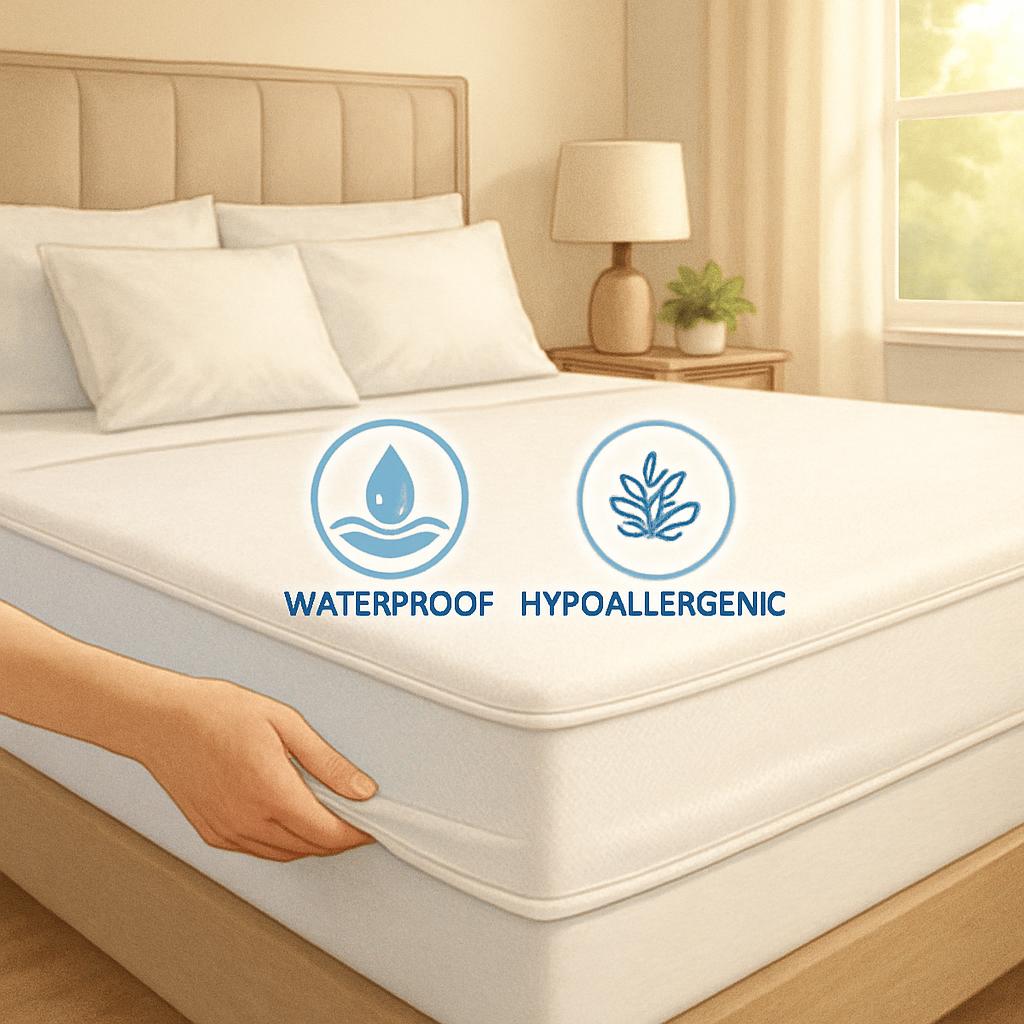
Evaluating the Hypoallergenic Features of Mattress Protectors
If you've ever woken up with a stuffy nose, itchy eyes, or unexplained sneezing fits, your mattress might be harboring more than just your dreams. Dust mites, pet dander, pollen, and other allergens love to make their home in mattresses, and that's where a hypoallergenic mattress protector becomes your best friend. When I started looking into the best mattress protector options for my own bed, I quickly learned that not all protectors are created equal, especially when it comes to fighting off allergens.
A hypoallergenic mattress protector is specifically designed to create a barrier between you and the allergens that accumulate in your mattress over time. These protectors are made with materials that resist the growth of mold, mildew, and bacteria while also preventing dust mites from burrowing into your mattress. For anyone dealing with allergies or asthma, this type of protection isn't just a nice-to-have feature—it's essential for maintaining good sleep quality and overall health.
What makes a mattress protector truly hypoallergenic? First, look at the materials. The best hypoallergenic mattress protectors are typically made from tightly woven fabrics with a pore size small enough to block allergens but large enough to allow air circulation. Common materials include microfiber, cotton blends, and specialized synthetic fabrics that have been treated to resist allergens. Some premium options even use phase-change materials that help regulate temperature while maintaining their protective qualities.
One feature I always recommend checking is whether the waterproof mattress protector uses a membrane or coating. Many hypoallergenic protectors incorporate a thin polyurethane or polyester membrane that blocks liquids and allergens without creating that crinkly, plastic-bag sound that older protectors were notorious for. This membrane technology has come a long way, and modern versions are virtually silent while still providing excellent protection.
Breathability is another critical factor when evaluating hypoallergenic features. A breathable mattress protector allows moisture vapor to escape while keeping allergens out. This is important because trapped moisture can create a breeding ground for dust mites and mold. Look for protectors that specifically mention vapor permeability or moisture-wicking properties in their product descriptions. These features ensure that you stay comfortable throughout the night while still getting the allergy protection you need.
I've found that browsing the full range of mattress protectors helps you compare different hypoallergenic options side by side. Pay attention to certifications too. Many quality hypoallergenic mattress protectors carry certifications from organizations like OEKO-TEX or the Asthma and Allergy Foundation of America. These certifications mean the product has been independently tested and verified to be free from harmful substances and effective at blocking allergens.
Another aspect worth considering is the washable mattress protector feature. Even the best hypoallergenic protector needs regular cleaning to maintain its effectiveness. A washable mattress protector that can withstand frequent laundering without losing its protective properties is worth its weight in gold. Most quality options can be machine washed in hot water, which is important because temperatures above 130°F are needed to kill dust mites. Just make sure to follow the care instructions to avoid damaging the waterproof or hypoallergenic membranes.
Protection Against Dust Mites and Allergens
Dust mites are microscopic creatures that feed on dead skin cells we naturally shed every night. A single mattress can harbor anywhere from 100,000 to 10 million dust mites, and their waste products are one of the most common triggers for allergies and asthma. That's a pretty unsettling thought when you consider we spend roughly a third of our lives in bed. The good news is that an effective waterproof mattress protector creates an impenetrable barrier that keeps these tiny pests away from both you and their food source.
When shopping for a mattress protector with dust mite protection, the weave of the fabric matters tremendously. The fabric needs to have a pore size of less than 10 microns to effectively block dust mites and their waste particles. Many manufacturers will list this specification in their product details, so it's worth checking before you buy. Cotton fabrics with a thread count of at least 300 can provide good protection, but specialized microfiber fabrics often perform even better because of their extremely tight weave.
Beyond dust mites, your mattress protector should also defend against other common allergens. Pet dander, pollen that gets tracked into your bedroom, and even mold spores can accumulate in an unprotected mattress over time. A quality hypoallergenic mattress protector acts as a shield against all these irritants. The key is finding one that balances protection with comfort—you don't want to feel like you're sleeping on a plastic sheet.
| Allergen Type | How Protectors Block It | Key Feature to Look For |
|---|---|---|
| Dust Mites | Tight weave prevents penetration and access to food source | Pore size under 10 microns |
| Pet Dander | Surface barrier prevents particles from embedding in mattress | Smooth, tightly woven surface |
| Mold & Mildew | Waterproof layer blocks moisture that mold needs to grow | Waterproof breathable membrane |
| Pollen | Fine weave catches particles on surface for easy removal | Washable at high temperatures |
| Bacteria | Anti-microbial treatments inhibit bacterial growth | Certified anti-microbial fabric |
The effectiveness of your mattress protector against allergens also depends on proper installation and maintenance. The protector should completely encase your mattress with secure elastic edges that won't slip off during the night. Some people opt for full encasement protectors that zip completely around the mattress, offering the highest level of protection, especially for those with severe allergies. These encasement styles prevent allergens from entering or escaping from any side of the mattress.
Regular cleaning is essential for maintaining allergen protection. I recommend washing your mattress protector at least once every month or two, and more frequently if you have pets or severe allergies. Use hot water when washing, as this is the most effective way to eliminate dust mites and remove accumulated allergens. Some easy clean mattress protector options are specifically designed to withstand frequent washing without breaking down, which makes maintaining a healthy sleep environment much simpler.
It's also important to remember that a mattress protector works best as part of a complete allergen-reduction strategy. Wash your sheets weekly in hot water, vacuum your mattress when you change the protector, and consider using pillow protectors as well. Keep humidity levels in your bedroom below 50% since dust mites thrive in humid environments. An air purifier can also help reduce airborne allergens in your sleeping space.
For those with specific sensitivities, look for mattress protectors that are labeled as free from common irritants like latex, vinyl, PVC, and phthalates. Many hypoallergenic options are also fragrance-free, which is important since synthetic fragrances can trigger reactions in sensitive individuals. Reading mattress protector reviews from other allergy sufferers can give you real-world insights into how well different products perform over time.
Myths vs. Facts: Hypoallergenic Mattress Protectors Explained
There's a lot of confusion out there about what "hypoallergenic" actually means when it comes to mattress protectors. Let me clear up some common misconceptions I've encountered while helping people choose the best mattress protector for their needs. Understanding the facts will help you make a more informed decision and avoid wasting money on products that don't deliver on their promises.
Myth number one: All waterproof mattress protectors are automatically hypoallergenic. This simply isn't true. While waterproof features do help prevent mold and mildew growth by blocking moisture, not all waterproof protectors have the tight weave necessary to block dust mites and other allergens. A protector can be completely waterproof but still allow dust mites to pass through if the fabric isn't woven tightly enough. When shopping, you need to specifically look for products that mention both waterproof and hypoallergenic properties.
Another common myth is that hypoallergenic mattress protectors are hot and uncomfortable to sleep on. This might have been true twenty years ago when most protective barriers were made from thick vinyl or rubber, but modern materials have changed the game completely. Today's breathable mattress protector options use advanced fabrics and membrane technology that allow air to circulate while still blocking allergens and liquids. Many people don't even notice they're sleeping on a protector once they've tried a quality breathable option.
Some folks believe that if they don't have diagnosed allergies, they don't need a hypoallergenic mattress protector. Here's the reality: even if you don't currently suffer from allergies, you're still being exposed to dust mites, their waste, and other allergens every night. Over time, this exposure can lead to sensitization, meaning you might develop allergies later. Prevention is much easier than treatment, and using a hypoallergenic protector from the start protects your health and your mattress investment.
There's also a misconception that expensive always means better when it comes to hypoallergenic mattress protectors. While it's true that quality materials cost more to produce, price isn't always the best indicator of effectiveness. What matters more is the specific features: pore size, certifications, material composition, and customer reviews. I've seen moderately priced protectors outperform premium options in independent testing. The key is knowing what features to look for rather than just assuming the highest price tag means the best protection.
One myth that drives me crazy is the idea that you can simply wash your sheets more often instead of using a mattress protector. While clean sheets are important, they do nothing to protect your actual mattress from accumulating allergens, dust mites, and body oils over time. Your mattress is a significant investment, and once allergens penetrate deep into the mattress layers, they're nearly impossible to remove completely. A washable mattress protector creates a removable, cleanable barrier that keeps your mattress fresh for years.
Some people think that hypoallergenic means allergen-free or that it will cure their allergies. The term "hypoallergenic" actually means "less likely to cause an allergic reaction." A hypoallergenic mattress protector reduces your exposure to allergens significantly, but it's not a medical treatment. However, by creating a barrier between you and common allergens, these protectors can dramatically reduce symptoms and improve sleep quality for allergy sufferers. They're a tool in your overall allergy management strategy, not a complete solution on their own.
Another false belief is that all mattress protector materials are created equal. The truth is that different materials offer varying levels of protection and comfort. Cotton blends tend to be softer and more breathable but may not provide as complete a barrier as synthetic microfiber options. Polyester blends often offer excellent allergen protection and durability. Some newer materials combine the benefits of multiple fabrics to create protectors that are both highly protective and exceptionally comfortable. Understanding these differences helps you choose the right mattress protector materials for your specific needs.
Finally, there's a persistent myth that once you put a hypoallergenic mattress protector on your bed, you never need to worry about cleaning it. Nothing could be further from the truth. Even the best mattress protector needs regular laundering to remove accumulated allergens, dead skin cells, and dust from its surface. Most manufacturers recommend washing your protector monthly, though you might want to do it more often if you have pets or severe allergies. The good news is that an easy clean mattress protector makes this maintenance simple and doesn't require any special care beyond regular machine washing.
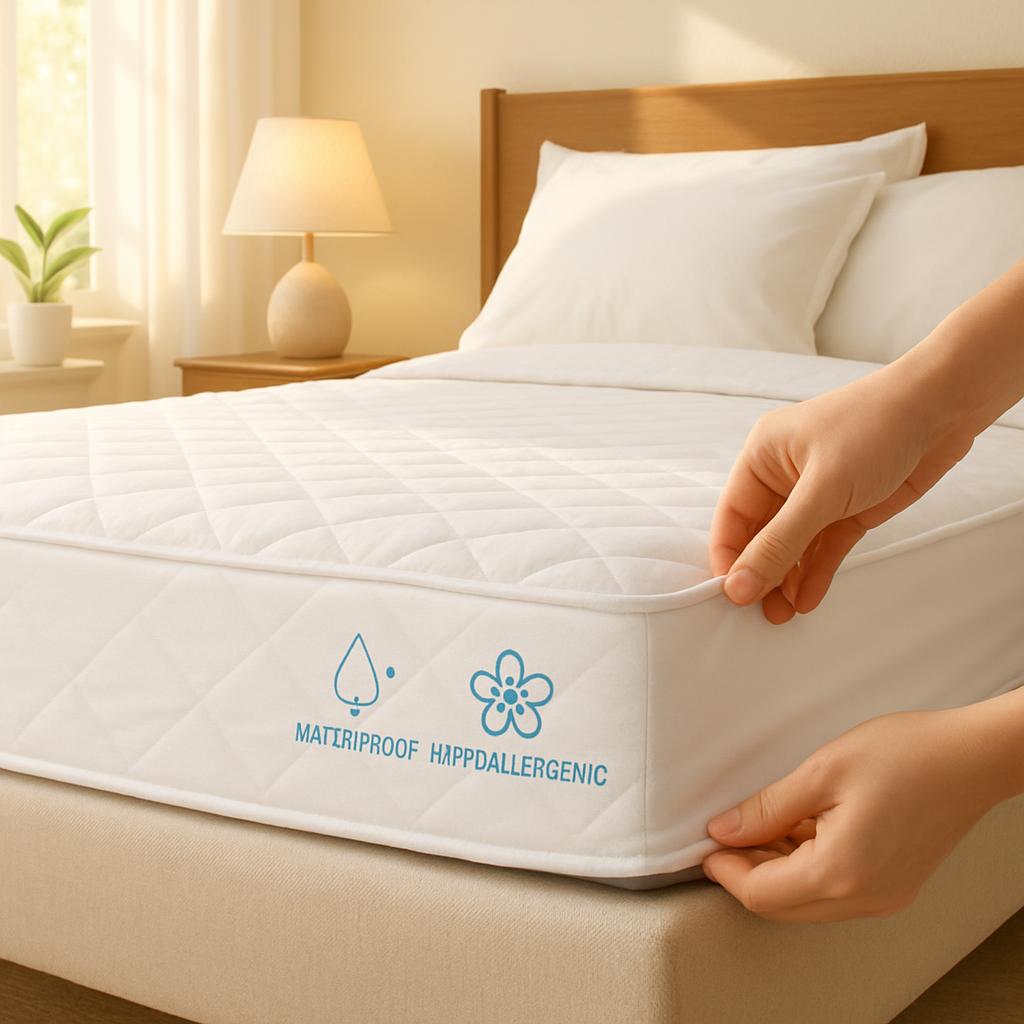
Essential Tips for Maintaining Your Mattress Protector
Taking proper care of your mattress protector is just as important as choosing the right one in the first place. A well-maintained waterproof mattress protector not only keeps your sleeping surface clean and hygienic but also extends the life of your investment significantly. Many people don't realize that even the best mattress protector needs regular attention to continue performing at its peak level. Without proper care, even premium materials can break down, lose their waterproof capabilities, or develop unpleasant odors that affect your sleep quality.
The good news is that maintaining your mattress protector doesn't have to be complicated or time-consuming. Most modern washable mattress protectors are designed with busy lifestyles in mind, making them incredibly easy to keep fresh and clean. Whether you've invested in a hypoallergenic mattress protector to combat allergies or chosen a breathable mattress protector for temperature regulation, following some simple maintenance guidelines will help you get the most value from your purchase.
Understanding how to care for your specific type of mattress protector is really important because different materials require different approaches. What works perfectly for one type of easy clean mattress protector might actually damage another. That's why I always recommend checking the manufacturer's care instructions first, but I'll share the general best practices that work for most quality protectors available today. If you're looking for more detailed information about selecting and caring for these essential bedding items, check out our comprehensive mattress protector care guide for additional tips and tricks.
Regular maintenance also plays a huge role in keeping your sleep environment healthy and allergen-free. Dust mites, dead skin cells, and body oils accumulate on your mattress protector over time, even if you can't see them. When you establish a consistent cleaning routine, you're not just protecting your mattress—you're creating a cleaner, healthier place to rest each night. This becomes especially important for families with young children, pets, or anyone dealing with allergies or asthma. The time you invest in caring for your mattress protector pays dividends in better sleep quality and a more hygienic bedroom overall.
Cleaning and Care Best Practices
Cleaning your mattress protector regularly is one of the most important things you can do to maintain a healthy sleep environment. I recommend washing your washable mattress protector at least once every month, though you might want to clean it more frequently if you have allergies, pets, or young children. The frequency really depends on your personal situation, but think of it this way: your mattress protector is catching everything before it reaches your mattress, so it needs regular attention to keep doing its job effectively.
When it's time to wash your waterproof mattress protector, always start by checking the care label for specific instructions. Most quality protectors can be machine washed in cold or warm water—never hot, as high temperatures can damage the waterproof membrane and cause it to break down prematurely. Use a gentle or normal cycle rather than heavy-duty settings, which can be too harsh on the protective layers. I've found that a mild, fragrance-free detergent works best because harsh chemicals or bleach can deteriorate the waterproof barrier and reduce the protector's effectiveness over time.
"I wash my mattress protector every two weeks, and it still looks brand new after a year of use. The waterproof feature hasn't weakened at all, and it dries so quickly that I can put it back on the same day. Best purchase I've made for my bedroom!"
Loading your washing machine properly makes a big difference in how well your mattress protector gets cleaned. Don't overstuff the machine—give your protector room to move around freely so the water and detergent can reach all areas. If you're washing a queen or king-size protector, you might want to wash it separately or with just one or two other light items. This prevents the protector from getting twisted or bunched up, which can leave some areas dirty while over-agitating others.
Drying your mattress protector correctly is just as important as washing it properly. While many easy clean mattress protectors can go in the dryer, I always recommend using the lowest heat setting or even air-drying when possible. High heat is the enemy of waterproof materials and can cause shrinkage, cracking, or complete failure of the protective barrier. If you do use a dryer, remove the protector while it's still slightly damp and let it finish air-drying to minimize heat exposure. For those with time, hanging your protector outside on a nice day or draping it over a drying rack indoors works beautifully and extends its lifespan considerably.
Spot cleaning between washes can help keep your mattress protector fresh and extend the time between full washings. If you notice a small spill or stain, address it immediately by blotting—never rubbing—the area with a clean cloth. Mix a small amount of mild detergent with cool water, apply it gently to the stained area, and then blot with a damp cloth to remove the soap residue. Let the area air dry completely before making your bed. This quick response prevents stains from setting and keeps your breathable mattress protector looking and smelling fresh.
For those dealing with tougher stains or odors, avoid the temptation to use harsh stain removers, fabric softeners, or bleach on your hypoallergenic mattress protector. These products can leave residues that irritate sensitive skin and may damage the protective layers that make your protector effective. Instead, try adding a half cup of white vinegar to the rinse cycle, which naturally deodorizes and helps remove stubborn stains without harsh chemicals. Baking soda sprinkled lightly on the protector before washing can also help freshen and deodorize naturally.
When to Replace Your Mattress Protector
Knowing when to replace your mattress protector is something many people overlook, but it's really important for maintaining the health and protection of your mattress investment. Even the best mattress protector won't last forever, and continuing to use one that's past its prime defeats the purpose of having protection in the first place. Most quality mattress protectors should last between two to five years with proper care, but several factors can affect this timeline, including how often you wash it, the quality of materials, and how much wear and tear it experiences.
One of the clearest signs that you need a new waterproof mattress protector is when it stops being waterproof. This might seem obvious, but the deterioration can happen gradually, making it easy to miss. Test your protector periodically by placing a small amount of water on the surface and watching how it behaves. If the water beads up and stays on top, your waterproof barrier is still intact. However, if the water soaks through to the other side, your protector has failed and needs immediate replacement. There's no point in keeping a waterproof protector that doesn't actually keep moisture out—it's like having no protection at all.
Visible wear and tear is another clear indicator that replacement time has arrived. Look for holes, tears, or thin spots in the fabric, especially around the elastic edges where friction occurs most frequently. Even small tears can compromise the protective barrier and allow allergens, dust mites, and moisture to reach your mattress. Check the elastic around the edges too—if it's become loose, stretched out, or no longer holds the protector securely in place, you're dealing with a protector that's outlived its usefulness. A properly fitted mattress protector should stay snugly in place all night without bunching or sliding around.
Persistent odors that won't wash out signal that your easy clean mattress protector has absorbed too much over time and can't be fully refreshed anymore. If you've washed your protector according to the care instructions but it still smells musty, sour, or unpleasant even when clean, the materials have likely broken down and trapped odor-causing bacteria deep within the fibers. This is particularly common in lower-quality protectors or those that have been used for many years. Your sleep environment should smell fresh and clean, and if your protector is working against that goal, it's time for a replacement.
Stains that won't come out, even after multiple washing attempts, can also indicate that your mattress protector has reached the end of its effective life. While minor discoloration might not affect the protector's functionality, heavy staining often means the materials have absorbed substances that can't be fully removed. This is especially concerning with protein-based stains like sweat, blood, or other bodily fluids, which can become permanent over time and create an unhygienic sleep surface. A hypoallergenic mattress protector covered in set-in stains isn't providing the clean, allergen-free barrier it's supposed to.
Changes in how your protector feels or sounds can indicate material breakdown that you might not see with your eyes. If your once-quiet protector now crinkles loudly every time you move, or if a previously soft surface has become stiff and uncomfortable, the materials have degraded. Modern breathable mattress protectors are designed to be virtually silent and comfortable, so if yours has become noisy or uncomfortable, it's affecting your sleep quality and should be replaced. You shouldn't have to sacrifice comfort for protection.
If you've recently dealt with bed bugs, a significant illness, or any situation involving bodily fluids, I recommend replacing your mattress protector regardless of its age or condition. While washing kills most bacteria and germs, certain situations call for a fresh start to ensure complete hygiene and peace of mind. This is especially true if someone in your household has been sick with something contagious or if you've experienced any pest infestation. The relatively small cost of a new protector is worth the assurance that your sleep environment is completely clean and safe.
Final Thoughts on Selecting the Right Easy-Clean Mattress Protector
Choosing the right mattress protector is one of those decisions that might seem small but makes a tremendous difference in your overall sleep experience and the longevity of your mattress. Throughout this guide, we've covered the essential factors that separate a mediocre protector from a truly great one—from waterproof capabilities and breathable materials to hypoallergenic properties and ease of maintenance. The key is finding that sweet spot where protection, comfort, and practicality all come together to create a solution that works specifically for your needs and lifestyle.
I've seen too many people treat mattress protector shopping as an afterthought, grabbing whatever's cheapest or most convenient without considering what they really need. But here's the truth: your mattress protector is working hard every single night to shield your expensive mattress investment from moisture, allergens, dust mites, and everyday wear. When you choose a quality washable mattress protector that fits your specific situation, you're not just buying a piece of fabric—you're investing in better sleep, improved hygiene, and years of additional life for your mattress. That's why taking the time to make an informed decision pays off in ways you'll appreciate night after night.
The mattress protector market offers more options now than ever before, which is both a blessing and a challenge. From basic waterproof covers to advanced breathable mattress protectors with cooling technology, the range can feel overwhelming. That's why understanding your priorities is so important. Are you primarily concerned about allergies? Then a hypoallergenic mattress protector with tightly woven fibers should top your list. Do you tend to sleep hot? Look for protectors specifically designed with cooling materials and enhanced breathability. Have young children or pets? Prioritize waterproof protection and easy-clean features that can handle frequent washing. When you're ready to explore your options, browse through our curated collection of premium mattress protectors to find the perfect match for your needs.
Remember that the best mattress protector is the one you'll actually use consistently. There's no benefit to owning the most advanced, feature-packed protector if it's uncomfortable, noisy, or difficult to maintain. That's why I always encourage people to think about the practical, day-to-day aspects of living with their choice. Can it be washed and dried quickly enough to fit your schedule? Does it stay in place throughout the night, or will you wake up fighting with bunched fabric? Is it quiet enough that you won't hear crinkling every time you shift positions? These real-world considerations matter just as much as the technical specifications listed on the product page.
Quality matters more than price when it comes to mattress protectors, but that doesn't mean you need to break the bank. The mattress protector market spans a wide price range, and while the most expensive option isn't always the best for everyone, extremely cheap protectors often fail to deliver adequate protection or comfort. Think of your mattress protector purchase as an insurance policy for your mattress. Spending a reasonable amount on a quality protector now can save you hundreds or even thousands of dollars in mattress replacement costs down the road, not to mention the health benefits of a cleaner, more hygienic sleep environment.
Don't forget that your needs might change over time, and that's perfectly normal. What works for you as a single adult might not be the best choice when you have a partner, a new baby, or aging parents moving in. Life circumstances change, and your mattress protector should adapt accordingly. Maybe you'll start with a basic waterproof option and later upgrade to something with enhanced cooling properties or allergy protection. The important thing is regularly evaluating whether your current setup is still meeting your needs and being willing to make changes when it isn't.
Recap of Key Considerations for Shoppers
Before you make your final decision on a mattress protector, let's review the most important factors to keep in mind. These considerations will help guide you toward a choice that delivers the protection, comfort, and value you deserve. Remember, the goal isn't just to buy any mattress protector—it's to find the right one that will serve you well for years to come while keeping your mattress in pristine condition.
- Waterproof capability is non-negotiable for most households. Whether you're protecting against spills, accidents, perspiration, or other moisture, a quality waterproof mattress protector creates an impenetrable barrier that keeps liquids from seeping into your mattress. Look for protectors with reliable waterproof membranes that won't crack, peel, or lose effectiveness over time.
- Breathability and temperature regulation matter more than you think. A breathable mattress protector allows air to circulate freely, preventing heat buildup that can disrupt your sleep. This is especially important if you already sleep warm or live in a hot climate. Modern materials can be both waterproof and breathable, so you shouldn't have to sacrifice comfort for protection.
- Hypoallergenic properties provide essential protection for allergy sufferers. If you deal with allergies, asthma, or sensitivities, a hypoallergenic mattress protector creates a barrier against dust mites, pet dander, pollen, and other common allergens. Tightly woven fabrics prevent these microscopic irritants from penetrating the surface and affecting your sleep quality.
- Easy maintenance and washability are practical necessities. Life is busy enough without complicated care routines, so choose a washable mattress protector that can handle regular machine washing and drying. Check the care instructions before buying to make sure they fit realistically into your schedule and lifestyle.
- Proper fit prevents frustration and ensures full protection. A mattress protector that doesn't fit correctly will bunch up, slide around, and potentially leave parts of your mattress exposed. Measure your mattress depth accurately and choose a protector with deep pockets and strong elastic that will stay securely in place all night long.
- Material quality directly impacts longevity and performance. The materials used in your easy clean mattress protector determine how well it protects, how comfortable it feels, and how long it lasts. Premium materials might cost more upfront but typically provide better performance and durability, making them more cost-effective over time.
- Noise level affects sleep quality more than people realize. Some waterproof protectors produce a crinkling sound with every movement, which can be surprisingly disruptive to sleep. Look for mattress protector reviews that specifically mention noise levels, or better yet, choose protectors made with modern materials designed to be whisper-quiet.
- Warranty and return policies indicate manufacturer confidence. Companies that stand behind their products offer solid warranties and reasonable return policies. This protection gives you peace of mind and ensures you're not stuck with a mattress protector that doesn't meet your needs or expectations.
These considerations work together to create a complete picture of what makes a truly great mattress protector. Don't feel like you need to become an expert on every technical detail—understanding these fundamental factors will guide you toward making a smart, informed choice that serves you well. The best mattress protector for you is the one that checks the boxes most important to your specific situation while fitting comfortably within your budget.
Reading mattress protector reviews from real customers can provide valuable insights that product descriptions alone can't offer. Pay attention to comments about long-term durability, how well the protector holds up after multiple washings, and whether it maintains its waterproof properties over time. Reviews that mention specific use cases similar to yours—like households with pets, young children, or allergy concerns—can be particularly helpful in predicting how a protector will perform in your home.
Take Action: Shop Smart for Your Ideal Mattress Protector
Now that you understand what to look for in an easy clean mattress protector, it's time to put that knowledge into action. The difference between knowing what makes a great protector and actually having one on your bed comes down to taking that next step. I know shopping for bedding items can feel overwhelming with so many options available, but you now have the information you need to make a confident, informed decision that will serve you well for years to come.
Start by honestly assessing your specific needs and priorities. Take a few minutes to think about what matters most in your situation. Do you have young children who might have nighttime accidents? Is someone in your household dealing with allergies that disrupt their sleep? Do you tend to sleep hot and need extra cooling features? Maybe you have pets that share your bed, or perhaps you're simply trying to protect a significant mattress investment from everyday wear and tear. Write down your top three priorities so you can focus on protectors that specifically address those concerns rather than getting distracted by features you don't really need.
Set a realistic budget that balances quality with affordability. While I've mentioned that extremely cheap mattress protectors often disappoint, you don't need to buy the most expensive option either. Most people find that mid-range protectors offer the best combination of quality, features, and value. Think about how much you spent on your mattress—investing 5-10% of that amount in a quality protector makes sense when you consider how much money you could save by extending your mattress's lifespan. A $100 protector that lasts five years and prevents early mattress replacement is worth far more than a $20 option that fails after six months.
When you're ready to shop, take your time comparing different options within your target price range. Look at the specific features each waterproof mattress protector offers and match them against your priority list. Pay close attention to the materials used, the care instructions, and what actual customers say in their reviews. Don't be swayed by marketing language alone—dig into the details to understand what you're really getting. Check the dimensions carefully to ensure the protector will fit your mattress properly, including accounting for any mattress topper thickness if you use one.
Consider starting with one high-quality protector rather than buying multiple cheaper options. Some people think they need backup protectors on hand, but with modern washable mattress protectors that dry quickly, one well-chosen option is usually sufficient. You can always purchase a second one later if you find you need it, but there's no reason to commit to multiples before you've found the one that works perfectly for your needs. This approach also allows you to invest more in quality for that single protector rather than spreading your budget across multiple inferior products.
Don't let decision paralysis keep you from taking action. Yes, choosing the best mattress protector requires some thought and research, but you don't need to spend weeks agonizing over the decision. You now have the knowledge to make a smart choice, and remember that most quality retailers offer return policies that protect you if something doesn't work out. The worst choice is doing nothing at all and leaving your mattress unprotected while you endlessly debate which protector might be slightly better than another.
Once you've made your purchase, commit to using your new mattress protector consistently and maintaining it properly according to the care instructions. The best protector in the world won't help if it's sitting in your linen closet instead of on your bed. Put it on your mattress right away, and establish a regular cleaning schedule so it stays fresh and continues providing optimal protection. Set a reminder on your phone or calendar to wash it monthly so you don't forget—making maintenance automatic ensures your protector keeps performing at its best.
Finally, remember that investing in a quality breathable mattress protector is an investment in your health, comfort, and financial well-being. Better sleep happens when your sleeping environment is clean, comfortable, and free from allergens and irritants. Protecting your mattress from damage saves you money in the long run and ensures you get the full lifespan from your mattress investment. These benefits compound over time, making the decision to choose the right protector one of the smartest bedroom purchases you can make. Take action today, and you'll thank yourself every night when you climb into a clean, protected, comfortable bed that supports your best possible sleep.
Final Thoughts on Selecting the Right Easy-Clean Mattress Protector
Recap of Key Considerations for Shoppers
Choosing the best mattress protector for your bed doesn't have to be complicated, but it does require some thoughtful consideration. Throughout this guide, I've walked you through the essential features that make a waterproof mattress protector truly worth your investment. From understanding the importance of breathable materials to recognizing the value of hypoallergenic properties, you now have the knowledge to make a smart purchasing decision that will protect your mattress and improve your sleep quality for years to come.
When shopping for a mattress protector, remember that the best mattress protector for you is one that balances protection, comfort, and ease of maintenance. A washable mattress protector with waterproof capabilities should be at the top of your list, especially if you're dealing with children, pets, or simply want peace of mind against spills and accidents. The right easy clean mattress protector will save you time, money, and stress by keeping your mattress fresh and extending its lifespan significantly.
Material choice matters tremendously when it comes to your sleeping comfort. A breathable mattress protector made from quality materials will keep you cool throughout the night while still providing the waterproof protection you need. I've found that the most effective protectors use advanced materials that block liquids while allowing air circulation, preventing that uncomfortable plastic-like feeling some cheaper options create. This balance is what separates a good mattress protector from a great one.
For those dealing with allergies or sensitivities, a hypoallergenic mattress protector isn't just a nice-to-have feature—it's essential. These specialized protectors create a barrier against dust mites, pollen, pet dander, and other common allergens that can disrupt your sleep and affect your health. When reading mattress protector reviews, pay special attention to feedback from users with similar concerns to your own, as their experiences can guide you toward the most effective option for your specific needs.
Your mattress protector buying guide journey should also consider your budget and lifestyle. While premium options often offer superior features, there are plenty of budget-friendly waterproof mattress protectors that deliver excellent protection and comfort without breaking the bank. The key is identifying which features are most important to you and finding a protector that excels in those areas. Whether you prioritize easy cleaning, allergen protection, or temperature regulation, there's a mattress protector out there that fits your requirements perfectly.
Maintenance is another critical factor that shouldn't be overlooked. The beauty of a washable mattress protector is that it can be refreshed regularly, maintaining a clean and healthy sleep environment. When you choose mattress protector materials that are machine-washable and quick-drying, you're setting yourself up for effortless care that fits into your busy life. Regular washing not only keeps your protector fresh but also ensures it continues performing at its best, maintaining its waterproof and protective qualities over time.
Take Action: Shop Smart for Your Ideal Mattress Protector
Now that you're armed with comprehensive knowledge about what makes a great easy clean mattress protector, it's time to take action and find the perfect match for your sleeping needs. At Sleepology, I'm committed to helping you find bedding solutions that truly make a difference in your daily life. A quality mattress protector is one of the smartest investments you can make for your sleep health, and choosing the right one will pay dividends in comfort, cleanliness, and mattress longevity.
When you're ready to shop, take your time comparing different options. Look closely at the mattress protector materials used in construction, check the warranty coverage, and read through authentic mattress protector reviews from real customers. Don't hesitate to reach out with questions about specific products—understanding exactly what you're getting ensures you'll be happy with your purchase for years to come. Remember that the best waterproof mattress protector is the one that meets your individual needs, not just the one with the most features or the highest price tag.
Consider your sleeping habits and any special circumstances in your household. If you tend to sleep hot, prioritize breathable mattress protector options that promote airflow. If allergies keep you up at night, focus on hypoallergenic mattress protector features that create a barrier against triggers. If you have young children or pets, waterproof protection becomes non-negotiable. By matching the protector's strengths to your specific situation, you'll maximize the value and satisfaction you get from your purchase.
Your mattress is a significant investment, and protecting it properly should be a priority. A high-quality mattress protector acts as insurance for your sleep surface, guarding against spills, stains, allergens, and general wear that can shorten your mattress's lifespan. Think of it this way: spending a modest amount on a reliable washable mattress protector now can save you hundreds or even thousands of dollars in mattress replacement costs down the road. Plus, you'll sleep better knowing your bed is clean, protected, and healthy.
The good news is that finding your ideal mattress protector doesn't require compromise. With so many excellent options available today, you can find a breathable, waterproof, hypoallergenic, and easy-to-clean protector that checks all your boxes without sacrificing comfort or breaking your budget. The mattress protector buying guide information I've shared throughout this post gives you the foundation to make a confident, informed decision that you'll feel good about every night.
Your journey to better sleep starts with small, smart choices that add up to significant improvements in your rest quality and overall well-being. A proper mattress protector is one of those foundational choices that supports everything else you do to create a healthy sleep environment. Whether you're setting up a new mattress or giving your current one the protection it deserves, choosing the right easy clean mattress protector is a decision your future self will thank you for. Here's to cleaner sheets, a fresher mattress, and the peaceful, restorative sleep you deserve every single night.
Frequently Asked Questions (FAQs)
How often should I wash my mattress protector?
I recommend washing your washable mattress protector every two to four weeks, or more frequently if you have allergies, pets, or young children. Regular washing keeps your sleep environment fresh and maintains the protector's effectiveness. Most waterproof mattress protectors can handle frequent washing without losing their protective qualities, especially if you follow the care instructions on the label.
Will a waterproof mattress protector make me sleep hot?
Not if you choose the right one. Modern breathable mattress protectors are designed with advanced materials that block liquids while still allowing air to circulate freely. Look for protectors specifically labeled as breathable or temperature-regulating. These use innovative fabrics that provide waterproof protection without the uncomfortable plastic-like feel and heat retention of older protector styles.
What's the difference between waterproof and water-resistant mattress protectors?
A waterproof mattress protector provides complete protection against liquids, preventing any moisture from reaching your mattress. Water-resistant protectors can handle light spills and moisture but may eventually allow liquids to seep through with heavy or prolonged exposure. For the best protection, especially if you're concerned about spills or accidents, I always recommend choosing a fully waterproof option.
Can a mattress protector really help with allergies?
Absolutely. A hypoallergenic mattress protector creates a physical barrier between you and common allergens like dust mites, pet dander, and pollen that accumulate in your mattress over time. For people with allergies or asthma, this barrier can significantly reduce nighttime symptoms and improve sleep quality. Look for protectors specifically designed with tightly woven fabrics that prevent allergen penetration.
How do I know what size mattress protector to buy?
Your mattress protector should match your mattress size exactly—Twin, Full, Queen, King, or California King. Also check your mattress depth, as some protectors are designed for standard mattresses while others accommodate extra-deep or pillow-top mattresses. Measure your mattress height and look for protectors with deep pockets or elastic edges that can stretch to fit properly without pulling off the corners.
What temperature should I use when washing my mattress protector?
Most washable mattress protectors can be cleaned in warm water, but always check the care label first. Hot water can sometimes damage the waterproof membrane in some protectors, while cold water might not kill dust mites effectively. Warm water strikes the best balance for cleaning while preserving the protector's materials. Tumble dry on low heat or air dry to maintain the fabric's integrity.
Do I need a mattress protector if I already have a mattress pad?
Yes, these serve different purposes. A mattress pad adds comfort and cushioning, while a waterproof mattress protector shields your mattress from liquids, stains, and allergens. Many people use both together—the protector goes directly on the mattress for protection, and the pad goes on top for added comfort. This combination gives you the best of both worlds for comfort and protection.
How long does a mattress protector typically last?
A quality easy clean mattress protector should last between two to five years with proper care. The lifespan depends on the materials used, how frequently you wash it, and general wear and tear. Signs that it's time for a replacement include visible damage, loss of waterproof properties, elastic that no longer holds tight, or persistent odors that don't wash out. Regular inspection helps you catch these issues early.
Will a mattress protector affect the feel of my mattress?
The best mattress protector should be virtually unnoticeable once you put your sheets on. Quality protectors use thin, soft materials that don't change the feel or comfort of your mattress. Avoid thick, plastic-like protectors that can create noise and discomfort. When reading mattress protector reviews, pay attention to comments about noise and feel to find options that won't disrupt your sleep experience.
Are expensive mattress protectors worth the extra cost?
Not always, but often yes. Higher-priced protectors typically use better mattress protector materials that are more breathable, quieter, and longer-lasting. However, there are excellent mid-range options that offer great protection without premium pricing. The key is identifying your priorities—if you need specific features like advanced allergen protection or superior breathability, investing more might be worthwhile. For basic waterproof protection, budget-friendly options can work perfectly well.
Can I use bleach to clean my mattress protector?
I don't recommend it. Bleach can damage the waterproof membrane and break down the fabric fibers in your mattress protector, reducing its effectiveness and lifespan. Instead, use gentle, non-chlorine detergents for regular cleaning. For tough stains or sanitizing, look for enzyme-based cleaners or oxygen bleach alternatives that are safer for the materials while still providing effective cleaning power.
What's the best mattress protector material for hot sleepers?
Hot sleepers should look for breathable mattress protector options made from materials like cotton terry, bamboo, or specialized cooling fabrics. These materials allow better airflow while maintaining waterproof protection. Some advanced protectors use phase-change materials or moisture-wicking technology specifically designed to help regulate temperature. Avoid vinyl or heavy plastic-backed protectors, which trap heat and can make you uncomfortable throughout the night.
Do mattress protectors come with warranties?
Many quality mattress protectors do come with warranties, typically ranging from one to ten years depending on the brand and price point. These warranties usually cover manufacturing defects and premature wear but not damage from misuse or improper care. When comparing options in your mattress protector buying guide research, check warranty terms as they can be a good indicator of the manufacturer's confidence in their product's durability and quality.
How do I remove tough stains from my mattress protector?
For tough stains on your easy clean mattress protector, pre-treat the area with a mixture of cold water and mild detergent before washing. For protein-based stains like blood or sweat, enzyme-based stain removers work best. Apply the treatment, let it sit for 15-30 minutes, then wash according to care instructions. Avoid hot water on fresh stains as it can set them. The key to easy stain removal is acting quickly and using the right cleaning method for the type of stain you're dealing with.
Should I buy a mattress protector for a guest bed that's rarely used?
Absolutely. Even mattresses that aren't used regularly benefit from protection against dust, allergens, and potential spills when guests do visit. A hypoallergenic mattress protector keeps the mattress fresh and ready for use, preventing musty odors and allergen buildup during storage periods. Plus, having protection in place means you won't worry about accidents or spills when guests are staying over. It's a small investment that protects your mattress investment long-term.