

Do You Need a Box Spring With a Mattress? A No‑Stress Guide To Getting It Right
You are not the only one staring at a new mattress online, then suddenly realizing you have no idea what it is supposed to sit on. Maybe a friend told you box springs are outdated, your parents insist you still need one, and the salesperson at a big box store gave you a totally different answer. It is confusing, especially when you are about to spend real money and you just want your bed to feel great and last.
This decision matters more than it seems at first glance. The wrong support can shorten the life of your mattress, make it feel softer or firmer than intended, and in some cases even void the warranty. If you have ever woken up with a sore back on a sagging bed and wondered how things went wrong so quickly, the foundation or box spring underneath is often a quiet part of that story. Getting the base right is one of the simplest ways to protect your investment and your sleep.
You will see a lot of strong opinions online about whether you "still need" a box spring in . The truth is more nuanced. Whether you need one depends on your mattress type, your bed frame, your height and mobility needs, your room design, and even the fine print on your warranty. Once you understand how all of those pieces fit together, the answer becomes clear instead of stressful.
What follows is a practical, no‑drama guide built from both current sleep research and two decades of hands‑on experience helping people fine tune their sleep setups. You will learn when a box spring is helpful, when it is a problem, what to use instead, and how to match your specific mattress and frame to the right support. By the end, you should feel confident about what belongs under your mattress and what you can happily skip.
Box Spring Basics: What It Is And Why It Exists
Before you can decide whether you need a box spring, it helps to understand what it actually does. Traditionally, a box spring is a wooden or metal rectangular frame filled with metal springs or a grid system, wrapped in fabric, and designed to sit on top of a simple metal bed frame. The springs inside act as a shock absorber, taking some of the impact and movement so the mattress does not have to do it all. This was especially important when almost every mattress was an innerspring unit.
If you grew up on a bouncy coil mattress that used to squeak when you flopped on it, chances are it was paired with a traditional box spring. The idea was simple. Coil mattress on top, coil box spring underneath, basic metal frame at the bottom. Together, they created a softer, more forgiving feel and helped keep the mattress from wearing out too fast. According to the Sleep Foundation, innerspring mattresses were historically designed to work as part of this two piece system, with the box spring extending the life of the mattress by absorbing stress and improving airflow.
Over time, the inside of many "box springs" has changed. Some newer versions, often called foundations, have a wooden grid or slats rather than springs. They look similar from the outside, but they behave more like a rigid platform than a trampoline. That shift in design mirrors the shift in mattresses themselves, with foam and hybrid constructions needing steady, even support instead of extra bounce. When you shop today, the term box spring is often used loosely. So the first question is not just "do I need a box spring," but "what kind of support is this product actually giving me."
Height is another quiet job box springs perform. Many people simply like a higher bed. It can be more comfortable to sit on the edge, easier on the knees and hips when standing up, and visually it can better match traditional headboards and bedroom furniture. In my experience working on showroom floors, a surprising number of shoppers who "think" they need a box spring actually just want their bed the same height they are used to. There are often better ways to solve that than defaulting to an old‑style spring base.
“I was convinced I needed to keep my old box spring because I like a taller bed. Mia walked me through other options and I ended up with a solid foundation plus a high‑profile mattress. My back feels better and I did not have to buy a whole new bedroom set.” – Danielle R., November
How Mattress Type Changes The Box Spring Question
Different mattresses behave very differently on top of a box spring. Some benefit from that little bit of bounce and give. Others can actually be damaged or feel completely wrong on a springy base. The type of mattress you own or are considering is one of the biggest factors in whether a box spring belongs in your setup.
Research from groups like the Sleep Foundation and Consumer Reports has consistently shown that mattress performance depends heavily on the underlying support system. A well matched foundation helps the mattress keep its designed firmness, contouring, and pressure relief. A mismatched one can cause sagging, uneven support, or excessive motion transfer, even when the mattress itself is perfectly fine. So when you are thinking "do you need a box spring with a mattress," start by asking "what kind of mattress are we talking about."
Innerspring Mattresses: When A Box Spring Still Makes Sense
Traditional innerspring mattresses, especially those with a more basic coil system and thinner comfort layers, are the one category where a true box spring can still make a lot of sense. These beds were engineered expecting some flex underneath. The springs in the box spring and the springs in the mattress work together, sharing the impact of movement and weight over time.
If you are purchasing a more classic coil bed, particularly in a brand that still sells standard box springs as the matching base, using that pairing can be a smart way to preserve the feel and protect your warranty. For example, a plush innerspring like the Sealy Posturepedic Pro Soft Mattress – Dupont II Euro Pillow Top can feel best on a coordinated support such as a Sealy foundation, because the system is tuned as a whole. The box spring will not make it "bouncier" than intended. It simply allows the coils in the mattress to perform the way the engineers designed them to.
That said, not every coil mattress absolutely requires a springy base. Many modern innersprings use individually wrapped coils and thicker comfort layers that are perfectly happy on a rigid platform or slatted base, as long as the slats are close enough together. The key is what the manufacturer specifies in their care instructions and warranty. I tell customers all the time that for innersprings, the safest approach is to match the mattress to the support the brand designed it for. When in doubt, check, instead of guessing.
Memory Foam Mattresses: Why A Box Spring Can Be A Problem
Memory foam mattresses are a very different story. These beds rely on dense foam layers that contour under your body heat and weight, and they need a flat, non‑flexing surface to do their job properly. The Mayo Clinic and other medical organizations note that consistent spinal alignment is one of the keys to reducing back and neck pain at night, and that requires the mattress surface to stay even under pressure. Traditional box springs introduce flex points and dips that work against that goal.
On a springy base, a memory foam mattress can start to bow between the springs, creating uneven support and early impressions. This not only feels bad, it can shorten the life of the mattress. Many foam mattress manufacturers clearly state that placing their product on a box spring may void the warranty because the base does not provide the kind of continuous support the foam needs. A better match is a solid platform, adjustable base, or closely spaced slats. Sleepology offers several such options, and pairing a contouring all‑foam bed from our best foam mattresses collection with a rigid base is usually the most comfortable and durable setup.
If you already have a memory foam mattress sitting on an older box spring and you are noticing new aches or uneven spots, the base may be part of the problem. People often assume the mattress is "worn out" when what has really failed is the support underneath. Swapping a tired box spring for a proper foundation can restore the feel in some cases, especially if the mattress is still within its expected lifespan.
Hybrid Mattresses: It Depends On The Design
Hybrid mattresses combine coils with foam or latex comfort layers. Because of that dual nature, people often feel unsure whether a box spring is appropriate. The answer is that it depends heavily on the specific construction. Some hybrids are designed to be more like a traditional innerspring with added cushioning. Others behave more like a foam bed with a coil support core and really expect a solid foundation underneath.
In my experience, most quality hybrids sold in today generally perform best on a sturdy, non‑flexing support system rather than a springy box spring. Beds like the Sealy Posturepedic Plus Medium Mattress – Paterson II Euro Pillow Top and premium options such as the Stearns & Foster Lux Estate Firm Euro Pillowtop are built to deliver targeted support. A rigid matching foundation, such as the Sealy Mattress Base Boxspring Foundation | Standard 9‑inch height, helps maintain that support over time.
Hybrids are also heavier than classic innersprings, so a flimsy old box spring that was fine ten years ago may not be structurally sound enough to safely hold a new hybrid. If you hear creaking, see sagging, or notice the mattress bouncing more than expected, those are signs your support system is not up to the task.
“I put my new hybrid on an older box spring, and it felt wobbly. At Sleepology they explained that my base was flexing too much. I switched to a solid Sealy foundation and the mattress instantly felt more supportive and stable.” – Kevin P., October
Bed Frame And Room Setup: How Your Base Changes The Answer

Even with the same mattress, the right answer about box springs can change depending on what kind of frame or base you are using. This is one of the biggest gaps I see in online advice. It is not just about mattress type. Your frame, slats, center support, and height preferences matter too.
Think of your sleep setup as a three layer system. At the top is your mattress, which provides comfort and contouring. Beneath that is the support system, which might be a box spring, foundation, adjustable base, or platform. At the bottom is your frame or legs, which transfer the weight safely to the floor and often add style, storage, or headboards. When you change one layer, it affects what makes sense for the others.
Platform Beds: Usually No Box Spring Needed
Platform beds are designed to support a mattress directly. They typically have a solid surface or a set of wooden or metal slats that run across the frame. Many are built with the assumption that you will not use a box spring, and adding one can make the bed uncomfortably tall or unstable.
If you have a platform bed, the key question is whether the slats are strong and close enough together. For most foam and hybrid mattresses, manufacturers recommend slats that are no more than 3 inches apart to avoid sagging between them. The Cleveland Clinic and other health resources often emphasize even support under the spine, and wide gaps can create pressure points over time. If your platform has widely spaced slats, reinforcing it or adding a bunkie board can be a better solution than dropping a box spring into the frame.
Another advantage of going box spring free with a platform is the modern, lower profile look. Many customers who come into Sleepology wanting "no box spring" are after a cleaner aesthetic and easier access for children or pets. As long as the platform is sturdy and compatible with your mattress type, you are not sacrificing performance to get that streamlined style.
Simple Metal Frames: Where Box Springs Are Still Useful
On the other end of the spectrum are basic metal bed frames that are just a rectangle with one or two center support bars. These frames are not meant to hold a mattress on their own. They expect a box spring or foundation to sit on top and create a full, even surface. If you place a mattress directly on this kind of frame, it will sag badly and can be damaged very quickly.
In this situation, you do need a second piece between the mattress and frame. That piece does not necessarily have to be a spring filled box. Many people now choose a rigid foundation or "box spring style" base that looks like a box spring but uses a wooden grid inside instead of metal springs. The Sealy Mattress Base Boxspring Foundation | Low Profile 5‑inch height is a good example of this more modern approach. It works perfectly on a simple metal frame, gives you the height you want, and provides stable support for a wide range of mattress types.
If you like your existing headboard and metal frame but your old box spring is squeaking or sagging, upgrading just the foundation can be a cost‑effective way to refresh your entire setup without replacing all the furniture. You get better support under your mattress and keep the look of your room the same.
“We kept our antique metal frame because it was my grandmother’s, but the original box spring was shot. Sleepology helped us pick a low profile foundation that fit perfectly, stopped the squeaks, and made our new mattress feel amazing.” – Carol L., September
Height, Mobility, And Comfort: How Tall Should Your Bed Be?
Beyond pure support, the height of your bed has a real impact on comfort and safety. An ideal bed height usually allows you to sit on the edge with your knees at about a right angle and your feet flat on the floor. If the bed is too low, you may feel like you are squatting to stand up. If it is too high, you may slide off or struggle to get in, especially if you are shorter or have hip, knee, or back issues.
Organizations that study fall prevention in older adults, such as various geriatric departments in major health systems, often point out that bed height can influence balance and ease of movement at night. When you add or remove a box spring, you can easily change bed height by 5 to 9 inches. That is the difference between a comfortable sit and an awkward hop for many people. So while we talk a lot about support, it is also fair to ask: how do you want your bed to feel when you sit down at the edge.
If you love the look and feel of a taller bed, pairing a mattress with a standard 9 inch foundation like the Sealy Mattress Base Boxspring Foundation | Standard 9‑inch height can give you that traditional, substantial profile. This can be especially appealing if you have a larger, more formal headboard or you simply like a "hotel bed" look. On the other hand, if you are on the shorter side or prefer a more minimal style, a low profile 5 inch base or a platform without any box spring can keep the bed at a friendly height.
Children and pets are another practical consideration. Young kids often feel safer climbing into a lower bed, and older pets may struggle with a very tall setup. If your family situation has changed since you last bought a mattress, it might be time to rethink whether your old box spring height still fits your lifestyle, even if the mattress type itself would technically "allow" one.
Box Spring Alternatives: Foundations, Adjustable Bases, And More
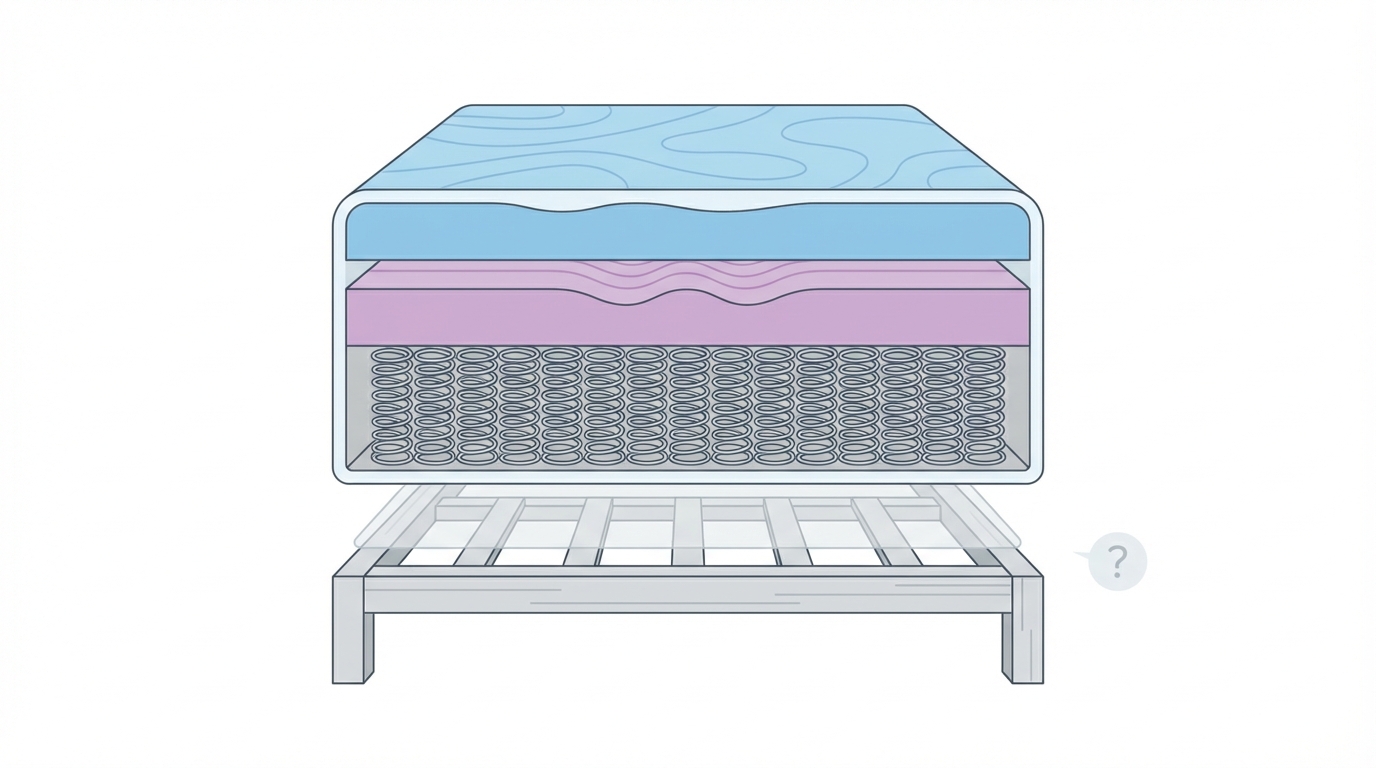
You might be relieved to know that you have more options today than simply "box spring or nothing." Modern mattress support systems are more varied and better suited to newer materials than the simple coil boxes of decades past. In , the choice is really between several types of foundations, and the classic box spring is just one of them.
Sleep medicine specialists often remind patients that sleep quality depends on the whole sleep environment, not just the mattress. That includes noise, motion, and the ability to find a comfortable position. The right support system can reduce squeaks, limit partner disturbance, and even ease symptoms of conditions like acid reflux or mild sleep apnea when you choose an adjustable base. So it is worth taking a thoughtful look at the alternatives.
Rigid Foundations: The Modern Stand‑In For Box Springs
Rigid foundations look like box springs from the outside. They are typically covered in fabric, match the size of your mattress, and sit on top of a bed frame. The difference is that inside they use a wooden or metal grid without springs, creating a firm and stable surface that will not flex under weight. This design is ideal for memory foam, latex, and most hybrid mattresses.
For shoppers who want the familiar two piece look, a rigid foundation is usually the best all‑around choice. It gives you height, stability, and full support without the unwanted bounce that can interfere with the way dense foams are meant to contour. Products like the Sealy Mattress Base Boxspring Foundation | Low Profile 5‑inch height are specifically engineered to work hand in hand with modern mattresses, helping them maintain their feel and performance for years.
If you are replacing an old coil box spring under a newer mattress, switching to this style of foundation can be a real upgrade. You will usually notice that the mattress feels a bit more solid and consistent from edge to center, and motion transfer between partners is often reduced because the base is not flexing beneath you. That more stable feel lines up with what many sleep researchers describe as beneficial for spinal alignment and pressure distribution during the night.
Adjustable Bases: When Flexibility Beats Springs
Adjustable bases take the idea of a rigid platform and add movement. Instead of staying flat, the base can raise your head, feet, or both with a wired or wireless remote. For people dealing with snoring, reflux, swelling in the legs, or simply a preference for reading or watching TV in bed, this can be a meaningful quality of life improvement. Clinical studies have shown that elevating the upper body can help ease certain kinds of sleep disordered breathing in some individuals, and adjustable bases are one of the most user friendly ways to achieve that at home.
Most adjustable bases are designed to work without any box spring. The mattress rests directly on top of the articulated surface. Memory foam and many hybrids do very well in this configuration, because they are flexible enough to bend with the base without being damaged. If you are curious about this route, Sleepology's adjustable bed frame and base collection can give you a sense of how different features and price points compare.
One common misconception is that you must sacrifice support when you switch to an adjustable base. In reality, a good adjustable base is simply a rigid foundation that happens to move. When it is in the flat position, it supports the mattress just as well as a non adjustable platform. As you raise the head or feet, the sections move together so that weight is still distributed across the frame. You are not losing support, you are just changing your sleeping posture.
Real‑World Scenarios: Do You Need A Box Spring Or Not?
There is a lot of theory in mattress discussions, but at the end of the day you are standing in your bedroom, looking at your existing furniture and budget, and trying to make a real decision. Here are some common scenarios I see in the Sleepology showroom and how I usually guide people through them.
Imagine you have a basic metal frame and are upgrading from a very old coil mattress to a modern hybrid. In this case, you likely do need something between the mattress and the frame to create a full support surface. Rather than reusing a ten year old box spring, I normally suggest a matching rigid foundation. That way your beautiful new mattress is not relying on a tired, noisy, or sagging base. You keep the height you are used to, and your warranty requirements are clearly met.
Now picture someone with a sleek platform bed that has solid slats every couple of inches and a brand new memory foam mattress. For this setup, adding a box spring would almost certainly be unnecessary and possibly even awkward. The mattress is already getting the flat, even support it needs from the platform. By placing a box spring in between, you would be making the bed taller than necessary and potentially changing the way the foam contours. Here, the best answer is usually to skip the box spring entirely.
In a third scenario, you might be in a small apartment with limited storage and a tight budget, sleeping on a mattress placed directly on the floor. While the floor is technically solid and supportive, it can restrict airflow, make the bed feel colder or more humid, and invite dust and allergens. In such cases, I often recommend at least a simple platform or affordable foundation to get the mattress a few inches off the ground. According to the Sleep Foundation, airflow around the mattress can play a role in temperature regulation and moisture control, which in turn affects comfort and hygiene.
When And Why To Replace An Old Box Spring
Even if you decide that a box spring or foundation is appropriate for your setup, that does not mean the one you own now is necessarily up to the task. Box springs and foundations wear out just like mattresses do. Manufacturers commonly suggest replacing them approximately every 8 to 10 years, or any time you replace your mattress if the base shows signs of damage.
The wear signs are usually pretty clear once you know what to look for. Visible sagging in the middle, broken or cracked wood inside, bent metal, lingering squeaks when you move, or fabric that is torn enough to expose internal components are all red flags. If you place a broom handle or long straight edge across the top and see a dip in the middle, that means the base is no longer providing flat support. Continuing to use it under a new mattress can shorten the life of your new bed and may create comfort issues you mistakenly blame on the mattress.
There is also the safety aspect. A heavily compromised box spring can fail under weight, especially if it is supporting a heavier hybrid or a couple sharing the bed. In my early years on the retail floor, I saw more than one case where a customer put a brand new, high quality mattress on a very old support and ended up with an unstable, tilting bed frame. Replacing the foundation fixed the problem immediately, but by that time they had already convinced themselves they bought the "wrong" mattress.
When you are budgeting for a new mattress, it is wise to mentally include a line item for a new foundation if yours is nearing the end of its life. Compared with the price of the mattress itself, a good base is usually a relatively small additional investment that pays off in better support, quieter nights, and a longer lifespan for your main sleep surface.
A Quick Checklist: When A Box Spring Or Foundation Makes Sense
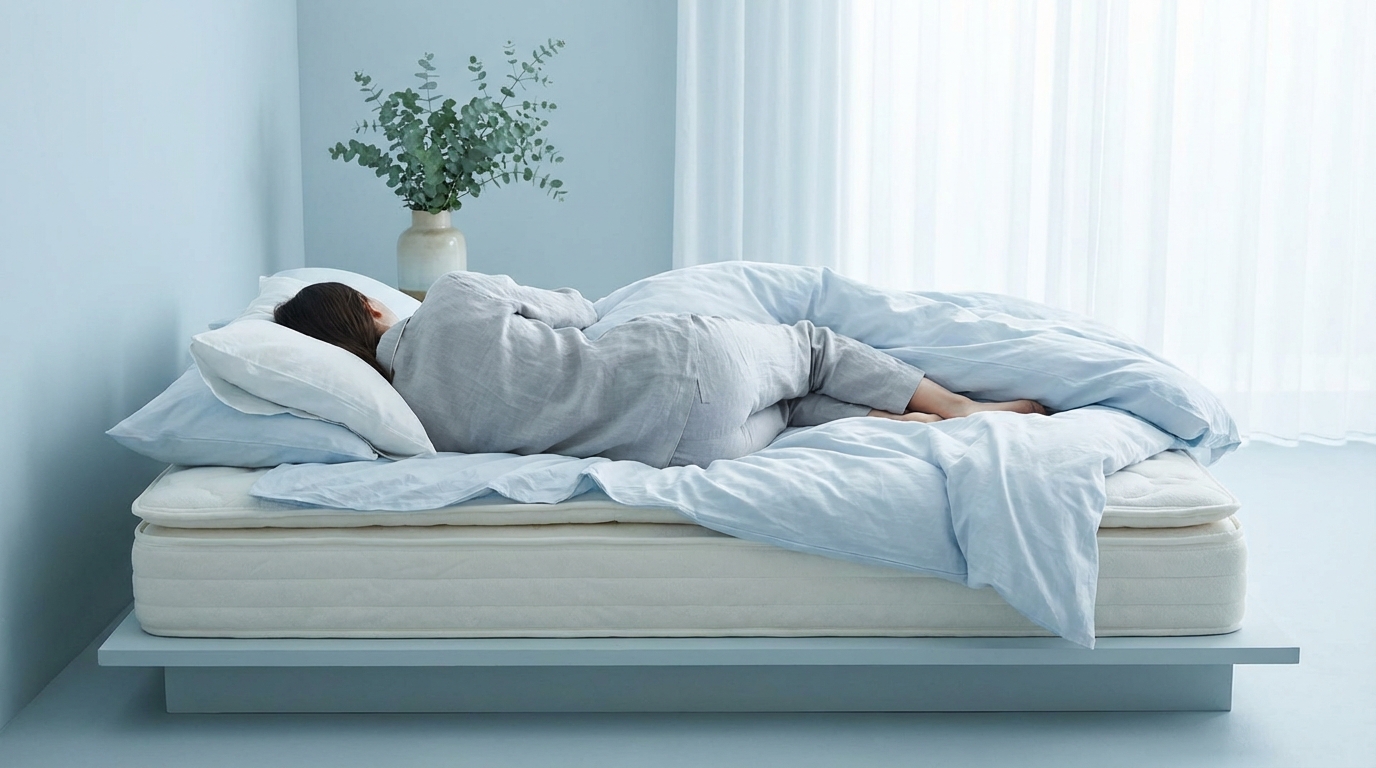
Sometimes it helps to have a simple mental checklist. While every situation is a little bit different, the following are common cases where using a box spring or rigid foundation is usually the right move. Remember that this is a guide, not a substitute for reading your mattress warranty and considering your specific bed frame.
You are likely to benefit from a box spring or rigid foundation if you:
- Have a basic metal frame that is not designed to support a mattress directly
- Own a traditional innerspring mattress that was sold as part of a two piece set
- Want to raise the overall height of your bed for easier entry and exit
- Notice sagging, noise, or instability when your mattress sits on its current base
- Need to meet the support requirements spelled out in your mattress warranty
- Are pairing a new mattress with an older frame and want to refresh support without buying new furniture
Whenever one or more of these points fit your situation, it is worth strongly considering a proper foundation. After you have that layer in place, you can fine tune comfort further with pillows, toppers, and sheets from collections such as Sleepology's pillows, sheets, toppers, and protectors, which complete the sleep environment on top.
Once you have checked through this list and matched it to your own bedroom, your choices usually narrow down very quickly. If none of these points resonate and your mattress is already well supported on a sturdy platform or adjustable base, you can feel comfortable skipping the box spring conversation and focusing your energy elsewhere.
Conclusion: Putting It All Together So You Can Sleep On It
The question "do you need a box spring with a mattress" does not have a one size fits all answer anymore, and that is actually good news. You are free to build a sleep setup that works for your body, your space, and your style instead of repeating what worked in a different house or a different decade. When you know your mattress type, understand what your frame expects, consider your ideal bed height, and pay attention to warranty requirements, the right choice becomes clear instead of confusing.
For many people in 2026, a classic spring filled box spring is no longer essential, especially with memory foam and most hybrid beds. What is essential is solid, stable, and appropriately matched support, whether that comes from a rigid foundation, a well built platform, or an adjustable base. Once that foundation is sound, you can enjoy the full comfort and support your mattress was designed to deliver, instead of fighting against a base that quietly undermines it.
If you are still unsure, it is completely reasonable to ask for help. At Sleepology, we spend our days looking at real bedrooms, real bodies, and real budgets, and helping people put together combinations that make sense. A five minute conversation can often save you from years of sleeping on a setup that is not quite right. However you proceed, the goal is simple. You deserve a bed that feels good, supports you properly, and fits your life, from the very top pillow down to the base that holds it all up.
Frequently Asked Questions
Can I reuse my old box spring with a new mattress?
You can in some cases, but it is not always a good idea. If your box spring is more than about 8 to 10 years old, visibly sagging, creaking, or damaged, it is likely to undermine the support and lifespan of your new mattress. Heavier modern mattresses, especially hybrids and dense foam models, put more stress on the base than older, lighter beds did. Using a tired box spring under a new mattress can lead to premature sagging and may even void the warranty if the manufacturer requires a certain type of support. When in doubt, inspect the base closely and consider replacing it if you see any structural issues.
Is it bad to put a mattress directly on the floor?
Putting a mattress directly on the floor is not automatically "bad," but it does come with tradeoffs. The floor provides firm, even support, which foam and hybrid mattresses generally like, but you lose airflow under the bed and you are closer to dust, drafts, and potential moisture. This can make the mattress feel cooler or more humid, may encourage mold in very damp environments, and can be harder on your back and joints when getting up and down. Many sleep experts recommend at least a low platform or foundation to raise the bed slightly for better hygiene and comfort, unless your situation is very temporary.
Do memory foam mattresses ever need a box spring?
Traditional spring filled box springs are usually not recommended for memory foam mattresses. These beds perform best on a solid, non‑flexing surface that keeps the foam evenly supported. A box spring can introduce uneven pressure points and sagging between the springs, which can change how the foam contours and reduce the life of the mattress. Most memory foam warranties specifically call for either a rigid foundation, a platform with closely spaced slats, or an adjustable base. If you like the height of a box spring, choosing a rigid "box spring style" foundation instead is typically the safer option.
How close together should slats be if I skip the box spring?
For foam and hybrid mattresses, slats are generally recommended to be no more than about 3 inches apart. Wider gaps can allow the mattress to bow or sag between the slats, especially over time, which affects comfort and support. For lighter, traditional innerspring mattresses, slightly wider spacing may be acceptable, but closer is still better for even support. If your existing frame has slats spaced further apart, you can often solve the problem by adding additional slats or placing a bunkie board or rigid foundation on top to create a more continuous surface for the mattress.
Does using the wrong base really void my mattress warranty?
In many cases, yes. Most mattress warranties include a section specifying acceptable support systems, such as a rigid foundation, platform with slats a certain distance apart, or adjustable base. If you place the mattress on an unsupported metal frame, an overly flexible box spring when the brand requires a rigid base, or slats that are too far apart, any sagging or damage that results may not be covered. It is worth taking a few minutes to read that section of your warranty or ask a knowledgeable retailer to interpret it for you. Matching your support system to those requirements protects your rights if you ever do need to file a claim.
Are there people who should specifically avoid tall box springs?
Yes, some people are better served by a lower bed height. If you are shorter, have limited mobility, balance issues, or joint problems, a very tall bed can be harder and less safe to get in and out of. Healthcare providers who work with older adults often advise aiming for a bed height where your feet can sit flat on the floor and your knees are roughly at a right angle when you are seated. In those situations, a low profile foundation, platform bed, or adjustable base in a lower position is usually more comfortable than pairing a high mattress with a full height box spring.
What should I put under my mattress if I choose an adjustable base?
If you choose an adjustable base, you typically do not use a box spring or separate foundation at all. The mattress rests directly on the adjustable frame, which is designed to support it in both flat and raised positions. All you need to do is confirm that your mattress is compatible with adjustable bases, which most memory foam and many hybrid mattresses are. If you want to fine tune comfort on top, you can then add the right pillow support, such as the Sealy Memory Foam Supportive Down Alternative‑Fill Pillow or a specialty option like The BodyPillow by Tempur‑Pedic for full body alignment in side sleeping positions.