

Have you ever woken up with a stiff neck, aching shoulders, or nagging hip pain after what you thought was a full night's sleep? If you're a side sleeper, you're not alone in this frustrating experience. Nearly 74% of people prefer sleeping on their side, yet many struggle to find the right mattress that truly supports their body throughout the night. The question that keeps coming up is whether side sleepers actually need a memory foam mattress, or if it's just clever marketing hype designed to sell more beds.
The truth is, choosing the right mattress as a side sleeper isn't just about comfort—it's about protecting your body from long-term pain and sleep disruption. When you sleep on your side, your body weight concentrates on specific pressure points, particularly your hips and shoulders. Without proper support and cushioning, these areas can experience uncomfortable pressure that leads to tossing and turning, interrupted sleep cycles, and morning pain that follows you throughout your day. A poor mattress choice can affect everything from your spinal alignment to your overall sleep quality, impacting your energy levels, mood, and even your physical health.
Memory foam mattresses have become increasingly popular among side sleepers, but are they truly necessary? Or can other mattress types provide the same benefits? The answer isn't always straightforward because every sleeper's body is different, with varying weights, pressure points, and comfort preferences. What works perfectly for one side sleeper might leave another feeling like they're sinking into quicksand or sleeping on a board.
In this comprehensive guide, I'm going to break down everything you need to know about memory foam mattresses and side sleeping. I'll walk you through the science behind pressure relief, explain how different mattress materials affect your body's alignment, and help you understand what firmness level actually makes sense for your specific needs. You'll learn about the real benefits of memory foam for side sleepers, how it compares to other mattress types, and what features you should prioritize when shopping for your next bed.
Whether you're dealing with chronic hip pain, waking up with numb arms, or simply not feeling rested after eight hours of sleep, understanding the relationship between your sleeping position and mattress choice is the first step toward better nights and healthier mornings. My goal is to give you the honest, practical information you need to make a confident decision about whether a memory foam mattress is the right solution for your side sleeping needs—without the confusing technical jargon or pushy sales tactics.
Key Takeaways
- Side sleepers need mattresses that provide targeted pressure relief for hips and shoulders
- Memory foam mattresses excel at contouring to your body's natural curves and reducing pressure points
- The ideal side sleeper mattress firmness typically falls between medium-soft to medium-firm
- Proper mattress support for side sleepers helps maintain healthy spinal alignment throughout the night
- Memory foam isn't the only option—hybrid mattresses can also provide excellent side sleeping comfort
Discovering the Best Mattress for Side Sleepers: Why Memory Foam Matters
When it comes to finding the best mattress for side sleepers, memory foam has earned its reputation for good reason. The unique properties of memory foam make it especially well-suited for people who sleep on their side, though it's important to understand exactly why this material works so effectively before making your purchasing decision.
Memory foam was originally developed by NASA in the 1960s to improve seat cushioning and crash protection for airline pilots and passengers. The material's defining characteristic is its ability to respond to heat and pressure by molding to the shape of whatever is pressing against it. When you lie down on a memory foam mattress, your body heat softens the foam, allowing it to contour precisely to your body's curves. This creates a custom sleeping surface that distributes your weight evenly rather than concentrating pressure on specific points.
For side sleepers, this contouring ability addresses one of the biggest challenges of sleeping in this position: pressure point pain. When you sleep on your side, your shoulders and hips bear most of your body weight. On a traditional innerspring mattress or a mattress that's too firm, these areas push against the surface with significant force, creating uncomfortable pressure that can restrict blood flow, cause pain, and force you to shift positions throughout the night. A quality memory foam mattress allows these areas to sink in slightly while still providing support, which helps maintain proper alignment from your head to your toes.
The best memory foam mattress options for side sleepers typically feature multiple layers with varying densities. The top comfort layers are softer and more responsive, providing immediate pressure relief when you first lie down. Deeper support layers are denser and firmer, preventing you from sinking too far into the mattress and ensuring your spine stays properly aligned. This layered construction is what separates a great side sleeper mattress from an average one.
What makes memory foam particularly valuable for side sleeping posture is how it adapts to your body's natural curves without creating gaps. When you lie on your side, there's naturally a space between your waist and the mattress. If this gap isn't filled with proper support, your spine curves unnaturally, leading to lower back pain. Memory foam fills in these gaps by conforming to your body shape, providing continuous support along your entire side. This helps keep your spine in a neutral position, which is essential for preventing pain and ensuring you wake up feeling refreshed rather than sore.
Another significant advantage of memory foam for side sleepers is motion isolation. If you share your bed with a partner who tosses and turns or gets up during the night, memory foam absorbs movement rather than transferring it across the mattress surface. This means you're less likely to be disturbed by your partner's movements, leading to more continuous, restful sleep. For side sleepers who are already dealing with pressure point sensitivity, minimizing sleep disruptions becomes even more important.
Modern memory foam mattresses have also addressed many of the early complaints about this material, particularly regarding heat retention. Today's side sleeper mattress options often include gel-infused memory foam, open-cell foam structures, or breathable cover materials that help regulate temperature throughout the night. This means you can enjoy the pressure-relieving benefits of memory foam without feeling like you're sleeping hot.
However, it's worth noting that memory foam isn't the only material that works well for side sleepers. Hybrid mattresses that combine memory foam comfort layers with innerspring support cores can provide excellent pressure relief while offering more bounce and breathability than all-foam mattresses. The key is understanding what features matter most for your specific body type, sleep preferences, and any existing pain issues you're trying to address.
Unmatched Pressure Relief for Side Sleeping Posture
Pressure relief stands as the single most important factor when choosing a side sleeper mattress. Unlike back or stomach sleepers whose weight distributes more evenly across the mattress surface, side sleepers concentrate their body weight on much smaller areas. This concentrated pressure can cause discomfort, pain, and poor circulation if your mattress doesn't provide adequate cushioning and support.
Understanding how pressure points develop helps explain why memory foam mattresses are so effective for side sleepers. When you lie on your side, your shoulders and hips protrude more than other parts of your body, creating high-pressure zones where your body contacts the mattress. If the mattress is too firm, these areas don't sink in enough, forcing your body to push back against a hard surface all night long. This pressure can reduce blood flow to these areas, causing numbness, tingling, or pain. On the flip side, if the mattress is too soft, you sink in too deeply, creating alignment problems and potentially causing lower back pain.
A pressure relief mattress designed specifically for side sleepers needs to strike a careful balance. It should be soft enough to cushion your shoulders and hips, allowing them to sink in slightly, but firm enough to support your waist and keep your spine aligned. Memory foam excels at this balancing act because it responds proportionally to the amount of pressure applied. Your heavier hip area sinks in more than your lighter waist area, creating natural support without any conscious adjustment on your part.
The specific benefits of proper pressure relief for side sleepers include:
- Reduced hip pain and shoulder discomfort. By allowing these high-pressure areas to sink into the mattress rather than pushing against a resistant surface, memory foam mattresses significantly reduce morning stiffness and pain in these joints.
- Improved blood circulation throughout the night. When pressure is distributed evenly rather than concentrated on specific points, blood flows more freely, reducing numbness and the need to shift positions to relieve discomfort.
- Better spinal alignment that prevents back pain. A mattress that properly supports your pressure points naturally keeps your spine in a neutral position, preventing the curved or twisted postures that lead to chronic back problems.
- Fewer sleep interruptions and deeper sleep cycles. When you're not waking up to adjust your position or relieve pressure-related discomfort, you experience longer periods of deep, restorative sleep.
- Relief from existing pain conditions. Many people with arthritis, fibromyalgia, or chronic pain conditions find that proper pressure relief from a memory foam mattress significantly reduces their nighttime discomfort.
For those specifically dealing with hip pain, choosing a hip pain relief mattress becomes even more critical. The hip joint is complex and bears significant weight when side sleeping. A mattress that's too firm won't allow the hip to sink in enough, creating a pressure point that can aggravate existing hip problems or create new ones. Meanwhile, a mattress that's too soft allows the hip to sink in too far, pulling the spine out of alignment and potentially causing both hip and lower back pain.
Memory foam's ability to provide targeted pressure relief makes it particularly effective for hip pain sufferers. The foam responds directly to the amount of pressure applied, meaning your hip gets exactly the amount of cushioning it needs without affecting the support provided to other areas of your body. This targeted response is something that traditional innerspring mattresses simply can't match, as their support is more uniform across the entire surface.
Research has shown that proper pressure relief doesn't just improve comfort—it actually affects your health. Poor pressure distribution can lead to reduced circulation, which over time may contribute to issues like nerve compression, muscle tension, and joint problems. By investing in a mattress that properly addresses pressure points, you're not just buying better sleep; you're making an investment in your long-term physical health.
Importance of Mattress Support for Side Sleepers
While pressure relief gets most of the attention when discussing mattresses for side sleepers, mattress support for side sleepers is equally important. Support and pressure relief work together to create the ideal sleeping surface, and understanding this relationship helps explain why some mattresses work wonderfully for side sleepers while others fall short despite having similar comfort layers.
Support refers to how well a mattress keeps your spine aligned in its natural, neutral position. For side sleepers, this means your spine should form a relatively straight line from your neck to your lower back when viewed from behind. If your mattress lacks adequate support, your hips will sink too far into the mattress, creating a curved spine that puts stress on your lower back. Conversely, too much support (or not enough give in the comfort layers) means your hips and shoulders won't sink in enough, again creating poor spinal alignment.
The support core of a memory foam mattress—typically made from high-density foam—provides the foundational support that keeps your body properly aligned even as the softer top layers contour to your curves. This support layer prevents the "hammock effect" where you sink too deeply into the mattress and feel stuck or like you're sleeping in a hole. Quality mattresses designed for side sleepers carefully calibrate the relationship between their comfort layers and support core to provide the right balance for this specific sleeping position.
"After switching to a memory foam mattress specifically designed for side sleepers, my morning back pain disappeared within the first week. I didn't realize how much my old mattress was affecting my spine alignment until I experienced what proper support actually feels like. Now I wake up feeling refreshed instead of stiff and sore." – Verified Customer Review from November 2024
Understanding side sleeping posture helps clarify why support matters so much. When you sleep on your side, gravity pulls your body downward, creating different pressure levels on different parts of your body. Your shoulders and hips, being the heaviest and most prominent parts of your side profile, naturally want to sink into the mattress. Your waist, being narrower and lighter, needs to be actively supported to prevent your spine from sagging. A supportive mattress for side sleepers provides firmer support under your waist while allowing softer comfort in shoulder and hip zones.
Many modern side sleeper mattresses feature zoned support systems that provide different firmness levels in different areas of the mattress. These zones are engineered to match the natural contours and weight distribution of side sleepers, offering softer support where you need pressure relief and firmer support where you need to prevent excessive sinking. While not all memory foam mattresses include zoned support, this feature can be particularly beneficial for side sleepers who struggle with finding the right balance between comfort and support.
The connection between proper support and pain prevention can't be overstated. Poor support doesn't just cause immediate discomfort—it can lead to chronic problems over time. When your spine is misaligned night after night, the muscles, ligaments, and discs in your back are stressed in unnatural ways. This repetitive stress can cause muscle imbalances, disk problems, and chronic pain conditions that persist even when you're not sleeping. By choosing a mattress that provides proper support for your side sleeping position, you're actively preventing these long-term problems.
It's also important to recognize that support needs change based on your body weight. Heavier side sleepers need firmer support to prevent excessive sinking, while lighter side sleepers often need softer mattresses to allow adequate contouring. This is why there's no single "best" firmness level for all side sleepers—the ideal firmness depends on your individual body weight, shape, and personal comfort preferences. A memory foam mattress that works beautifully for a 130-pound side sleeper might feel too soft for a 230-pound side sleeper, even though both are sleeping in the same position.
When evaluating mattress support for side sleepers, consider both the materials used in the support core and the overall construction of the mattress. High-density memory foam provides more durable, long-lasting support than lower-density foams. Hybrid mattresses with pocketed coil support cores can offer excellent support with more responsiveness and breathability than all-foam constructions. The key is finding a support system that maintains your spinal alignment throughout the night without creating uncomfortable pressure points on your shoulders and hips.

Understanding Firmness: What's Ideal for Side Sleepers?
When you're shopping for a side sleeper mattress, firmness is one of those things that can make or break your sleep quality. I've talked to countless customers who thought they needed the firmest mattress possible for support, only to wake up with aching hips and shoulders. The truth is, side sleepers need something quite different from what back or stomach sleepers require.
Think about it this way: when you lie on your side, your body creates natural curves. Your shoulders and hips are the widest parts of your body, and they need to sink into the mattress just enough to keep your spine aligned. If your mattress is too firm, these pressure points will push back against the mattress surface, creating uncomfortable pressure. Too soft, and you'll sink in so far that your spine curves unnaturally, leading to back pain and restless nights.
Most sleep experts agree that side sleepers do best with a medium to medium-soft mattress firmness. On a scale of 1 to 10, with 10 being the firmest, side sleepers typically feel most comfortable in the 4 to 6 range. This firmness level provides enough cushioning for your shoulders and hips while still offering the mattress support side sleepers need for proper spinal alignment.
The best memory foam mattress for side sleeping usually falls right in this sweet spot. Memory foam naturally conforms to your body shape, which means it can provide targeted pressure relief mattress benefits exactly where you need them most. When you pair memory foam with the right firmness level, you get a winning combination that supports healthy side sleeping posture throughout the night.
Your body weight plays a big role in determining the ideal firmness too. Lighter sleepers (under 130 pounds) often prefer softer mattresses because they don't sink in as deeply. Average weight sleepers (130-230 pounds) typically find medium firmness perfect. Heavier sleepers (over 230 pounds) might need a slightly firmer mattress to prevent excessive sinking. If you're looking for options across different firmness levels, our side sleeper collection offers carefully selected mattresses designed specifically for side sleeping comfort.
I always tell customers to trust their body. If you wake up with numbness in your arms or pain in your shoulders and hips, your mattress is probably too firm. If you feel like you're sinking into a hole or your back aches, it's likely too soft. The right side sleeper mattress firmness should feel like a gentle hug that keeps everything aligned without creating pressure.
How Firmness Affects Hip Pain Relief
Hip pain is one of the most common complaints I hear from side sleepers, and mattress firmness plays a huge role in either causing or relieving this discomfort. Your hips carry a lot of your body weight when you sleep on your side, and if your mattress doesn't accommodate that pressure properly, you're going to feel it in the morning.
When your mattress is too firm for side sleeping, your hips can't sink in enough to keep your spine straight. Instead, they push up against the surface, creating a pressure point that restricts blood flow and strains the muscles and joints around your hip area. Over time, this can lead to chronic hip pain relief mattress needs that affect your daily life, not just your sleep quality.
On the flip side, a mattress that's too soft lets your hips sink too deeply, which creates a hammock effect. Your spine curves downward at the middle, putting strain on your lower back and forcing your hips into an unnatural position. This misalignment causes muscles to work overtime trying to stabilize your body, leading to soreness and stiffness.
| Firmness Level | Pressure on Hips | Spinal Alignment | Pain Relief Rating |
|---|---|---|---|
| Soft (3-4) | Low pressure, excessive sinking | Poor - spine curves downward | Low - creates lower back strain |
| Medium-Soft (4-5) | Balanced pressure distribution | Good - maintains natural curve | High - optimal for most side sleepers |
| Medium (5-6) | Moderate pressure relief | Good to Excellent | High - works for average weight |
| Firm (7-8) | High pressure points | Poor - hips push upward | Low - increases hip discomfort |
A hip pain relief mattress needs to provide what I call "responsive support." This means the mattress should compress under your hips enough to keep your body aligned, but it should also push back with enough support to prevent you from sinking too far. Memory foam mattress options excel at this because the material responds to both heat and pressure, molding to your exact body shape.
I've noticed that people with existing hip conditions like bursitis or arthritis need to be especially careful about firmness. These conditions make the hip joints more sensitive to pressure, so a medium-soft memory foam mattress often provides the best relief. The conforming nature of memory foam distributes your weight more evenly, taking pressure off specific points while still supporting your body.
Temperature can also affect how firmness impacts hip pain. Memory foam tends to soften slightly as it warms up from your body heat, which means it provides better pressure relief as the night goes on. This is why many customers tell me their hip pain improves after switching to a memory foam mattress, even if they weren't sure about the firmness at first.
If you're dealing with hip pain, pay attention to how you feel when you first lie down versus after you've been sleeping for a few hours. The right mattress should feel comfortable immediately and maintain that comfort throughout the night. Your hips should feel cradled but supported, with no numbness or aching when you wake up.
Finding the Right Balance: Comfort vs. Support
Here's where mattress shopping gets tricky: comfort and support aren't the same thing, but you need both for quality sleep as a side sleeper. I've seen too many people sacrifice one for the other, thinking they have to choose between a comfortable mattress and a supportive one. The truth is, the best memory foam mattress delivers both in equal measure.
Comfort is that immediate feeling you get when you lie down. It's the soft, cushiony sensation that makes you want to stay in bed just a little longer. For side sleepers, comfort comes from pressure relief at the shoulders and hips. When these areas can sink into the mattress slightly, you feel that instant "ahh" moment that signals comfort.
Support, however, is what's happening beneath the surface. It's the mattress's ability to keep your spine aligned in a neutral position throughout the night. Good mattress support side sleepers need doesn't always feel firm or rigid. In fact, the best support often feels surprisingly comfortable because your body is resting in its natural alignment without any strain.
"I was worried that a softer mattress wouldn't give me enough support, but this memory foam has been perfect for my side sleeping. My shoulders don't ache anymore, and my back feels great every morning. The balance between comfort and support is exactly what I needed!" – Customer Review from November 2024
The key to finding this balance is understanding the layers in your mattress. A well-designed side sleeper mattress typically has a softer comfort layer on top (usually 2-4 inches) that provides pressure relief, sitting on top of a firmer support core that maintains alignment. This construction gives you the best of both worlds.
Memory foam mattress designs are particularly good at achieving this balance because different densities of foam can be layered to create distinct comfort and support zones. The top layer conforms to your body's curves, providing immediate pressure relief mattress comfort. The deeper layers push back with more resistance, preventing excessive sinking and keeping your spine straight.
I always ask customers to think about their sleep position throughout the night. If you start on your side but sometimes roll to your back, you need a mattress that supports both positions. Medium firmness memory foam tends to work well for combination sleepers because it adapts to different sleeping postures without feeling too soft or too firm in any position.
Your personal preferences matter too. Some people prefer to feel more "in" their mattress, while others like to sleep more "on top" of it. Neither preference is wrong, but it affects which type of memory foam mattress will feel most comfortable. Traditional memory foam gives you that sinking feeling, while newer gel-infused or responsive foam options provide a more buoyant feel with similar pressure relief benefits.
Testing a mattress for the right comfort-support balance takes time. When you're trying out mattresses, lie in your normal sleeping position for at least 10-15 minutes. Pay attention to whether your shoulders and hips feel comfortable without your spine feeling twisted or curved. If you can relax completely without adjusting your position, you've probably found a good balance.
Supporting Your Body: Why Material Matters in a Side Sleeper Mattress
The material your mattress is made from isn't just about marketing buzzwords or brand preferences. For side sleepers especially, the type of material directly impacts how well your mattress handles pressure relief and maintains proper support throughout the night. I've tested mattresses made from all sorts of materials, and each one interacts with your body differently when you're lying on your side.
Memory foam stands out as particularly beneficial for side sleeping posture because of how it responds to pressure and heat. Unlike traditional innerspring mattresses that push back uniformly across the entire surface, memory foam compresses more where your body weighs more and less where it weighs less. This creates a custom fit that matches your body's unique contours, which is exactly what side sleepers need.
The science behind memory foam is pretty interesting. The material was originally developed by NASA to cushion astronauts during takeoff, and it works by softening in response to body heat and molding to whatever shape is pressing against it. For side sleepers, this means your shoulders and hips can sink in just enough for comfort while the areas with less pressure (like your waist) receive firmer support.
Other mattress materials like latex, innerspring, or hybrid constructions can work for side sleepers too, but they behave differently. Latex has more bounce and responsiveness, which some people love but others find prevents them from fully relaxing into the mattress. Innerspring mattresses often create pressure points at the shoulders and hips because the coils push back evenly across the surface. That's why many modern innerspring designs now include comfort layers on top to address this issue.
If you're exploring options beyond traditional memory foam, hybrid mattresses combine memory foam comfort layers with supportive coil systems, offering a middle ground that works well for many side sleepers. These mattresses give you the pressure relief of memory foam where your body makes contact while providing the sturdy support of coils underneath.
The density of the material matters just as much as the type. Higher-density memory foam (5 pounds per cubic foot or more) tends to be more durable and provides better support, but it can also sleep warmer and feel firmer initially. Lower-density foam (3-4 pounds per cubic foot) feels softer and more responsive but may break down faster over time. For side sleepers, a medium density around 4-5 pounds per cubic foot often hits the sweet spot.
Material quality affects how well your mattress maintains its supportive properties over the years. Cheap foam can develop body impressions or lose its ability to bounce back, which means you'll lose that crucial support for side sleeping posture. Investing in a quality memory foam mattress from reputable brands means you're more likely to enjoy consistent comfort and support for the mattress's entire lifespan.
Benefits of Memory Foam in Contouring and Support
Let me break down exactly why memory foam has become the go-to material for so many side sleepers. The benefits go way beyond just feeling soft or comfortable. Memory foam offers specific advantages that address the unique challenges side sleepers face night after night.
The contouring ability of memory foam is its superstar feature. When you lie on your side, your body creates a unique pressure map with concentrated weight at your shoulders and hips. Memory foam reads this pressure map and responds accordingly, creating a cradle effect that distributes your weight more evenly across the mattress surface. This contouring reduces pressure points that can cause pain, numbness, and sleep disruptions.
- Pressure point relief that targets problem areas. Memory foam compresses most where your body needs it most. Your shoulders and hips get the cushioning they need to prevent pain, while your waist receives firmer support to maintain spinal alignment. This targeted response is something traditional mattress materials simply can't match.
- Spinal alignment that adapts to your body's natural curves. The best memory foam mattress doesn't force your body into an unnatural position. Instead, it supports your spine's natural S-curve by filling in the space at your waist and allowing your shoulders and hips to nestle into the surface. This alignment prevents the muscle strain that causes morning stiffness.
- Motion isolation that prevents sleep disruptions. If you share your bed with a partner, memory foam absorbs movement instead of transferring it across the mattress. Your partner can get up in the middle of the night, and you'll barely feel it. For side sleepers who are already dealing with pressure points, this undisturbed sleep is incredibly valuable.
- Consistent support that doesn't change with your movements. Unlike innerspring mattresses that can shift or create gaps as you move, memory foam maintains consistent contact with your body. When you adjust positions during the night, the foam reshapes to continue supporting your new position without creating uncomfortable transitions.
- Customized firmness through body heat response. As your body warms the memory foam, it becomes slightly softer and more conforming. This heat-responsive quality means the mattress actually becomes more comfortable as you sleep, providing increasing pressure relief throughout the night.
- Reduced pressure that improves circulation. By distributing your weight more evenly, memory foam reduces the pressure that can restrict blood flow to your arms, shoulders, and hips. Better circulation means less numbness and tingling, which translates to fewer wake-ups and better sleep quality.
I've noticed that people who switch to memory foam often report improvements in their sleep within just a few nights. The material's ability to provide both immediate comfort and long-term support makes it particularly effective for side sleepers who have been struggling with pain or poor sleep quality on other mattress types.
The support aspect of memory foam deserves special attention too. While the surface feels soft and conforming, quality memory foam has a firm base that prevents excessive sinking. This supportive foundation is what keeps your spine aligned even as the top layers contour to your curves. Without this underlying support, you'd just sink into a soft blob that causes more problems than it solves.
Modern memory foam technology has also addressed some of the original complaints about the material. Early memory foam mattresses were known for sleeping hot and feeling too "stuck" when you tried to change positions. Today's memory foam mattress options often include cooling gel infusions, open-cell structures for better airflow, and responsive formulations that make it easier to move while still providing excellent contouring.
Comparing Memory Foam vs. Other Mattress Types
When you're trying to choose the right side sleeper mattress, understanding how memory foam stacks up against other options helps you make an informed decision. Each mattress type has its strengths and weaknesses, and what works best for you depends on your specific needs, preferences, and sleep habits.
Let's start with traditional innerspring mattresses. These have been around forever, and they're often the first thing people think of when they picture a mattress. Innerspring mattresses use metal coils to provide support, typically with some padding on top for comfort. For side sleepers, the main challenge with innerspring is that the coils push back uniformly, creating pressure points at your shoulders and hips. Modern innerspring designs try to address this with pillow tops or euro tops, but they still can't match the contouring ability of memory foam.
The advantage of innerspring is the bounce and responsiveness. If you don't like feeling like you're sinking into your mattress, innerspring offers a firmer, more "on top of the bed" feel. They also tend to sleep cooler because air flows freely through the coil system. However, for pressure relief mattress needs specific to side sleepers, innerspring usually falls short compared to memory foam.
Latex mattresses are another popular alternative. Natural latex comes from rubber trees and offers a responsive, bouncy feel that's quite different from memory foam's slow-responding hug. Latex provides good pressure relief and is naturally cooling, antimicrobial, and durable. For side sleepers, latex can work well, especially if you prefer a mattress that makes it easy to change positions during the night.
The trade-off with latex is that it doesn't contour quite as precisely to your body as memory foam does. You get good pressure relief, but not the same targeted support at your shoulders and hips. Latex also tends to be significantly more expensive than memory foam, which can be a deciding factor for budget-conscious shoppers.
Hybrid mattresses try to combine the best of multiple worlds. A typical hybrid includes a coil support system with memory foam or latex comfort layers on top. These mattresses aim to give you the contouring and pressure relief of foam with the support and breathability of coils. For side sleepers, hybrids can be an excellent choice, especially if you sleep hot or prefer more responsiveness than pure memory foam provides.
The potential downside of hybrids is that they can be heavier and more expensive than pure memory foam options. The quality of a hybrid also depends heavily on both the foam layers and the coil system, so there's more variability in performance between different brands and models.
Airbeds with adjustable firmness are less common but worth mentioning. These mattresses let you change the firmness by adding or removing air from chambers inside the mattress. For side sleepers, this adjustability can be helpful if you're unsure about the right firmness level or if your needs change over time. However, airbeds don't typically offer the same contouring as memory foam, and they can be quite expensive.
When comparing all these options, memory foam consistently ranks highest for side sleeper satisfaction because it directly addresses the main challenge: pressure relief at the shoulders and hips while maintaining spinal alignment. Other materials can work, and some people prefer them for various reasons, but memory foam's unique properties make it especially well-suited to side sleeping needs.
Your decision should also consider factors beyond just the material. Mattress support side sleepers need, durability, temperature regulation, ease of movement, and budget all play important roles. Some people find that trying a hybrid gives them benefits they didn't know they wanted, while others discover that nothing beats the pressure relief of pure memory foam.
I always encourage customers to think about what bothers them most about their current mattress. If it's pressure points and pain, memory foam is hard to beat. If it's feeling too hot or stuck in one position, a hybrid or latex mattress might be worth considering. If you need firmer support but still want some contouring, a hybrid with a thicker coil system and a memory foam top could be your answer.
Shop Smart: Key Features to Look for in a Side Sleeper Mattress
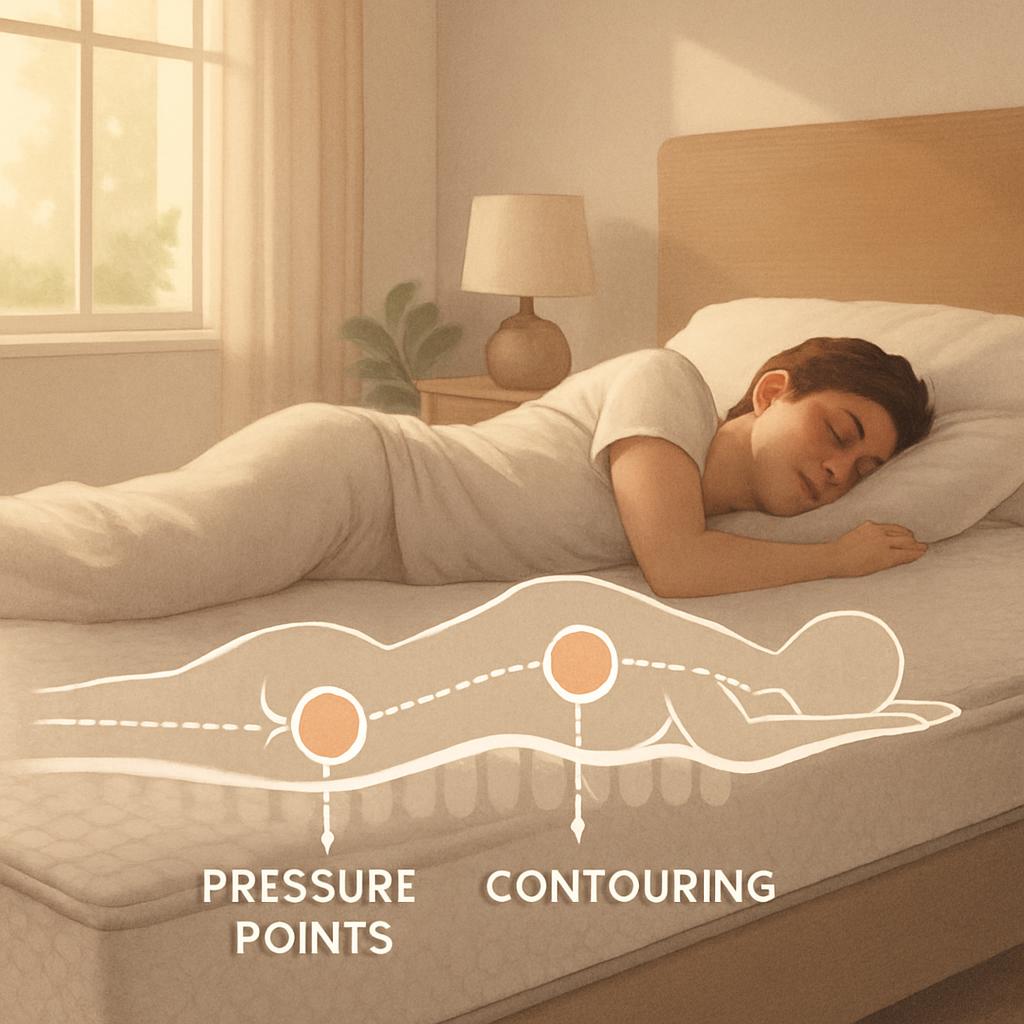
When you're shopping for a side sleeper mattress, understanding what features actually matter can save you from making an expensive mistake. I've learned through experience that not all mattresses marketed toward side sleepers deliver on their promises. The right mattress support for side sleepers goes far beyond just being soft or plush—it requires a thoughtful combination of materials, construction, and design elements working together.
First and foremost, any quality side sleeper mattress should offer targeted pressure relief at your shoulders and hips. These areas bear the most weight when you sleep on your side, and without proper cushioning, you'll wake up with aching joints and numbness in your arms. A memory foam mattress excels here because it responds to your body heat and weight, creating custom contours that cradle these pressure points while maintaining support for your spine.
The mattress should also provide what I call "zoned support"—meaning it needs to be softer at your shoulders and hips but firmer through your midsection. This prevents your body from sinking into an unhealthy curve. When I'm evaluating options for customers at our store, I always check whether a mattress has transition layers or supportive cores that prevent excessive sinking while still allowing enough give at those critical pressure points.
Another key feature is edge support. If you sleep near the edge of your bed or share it with a partner, weak edges will make you feel like you're about to roll off. Quality side sleeper mattresses incorporate reinforced perimeters that give you the full usable surface of the bed. This becomes especially important if you're considering hybrid foam mattresses that combine memory foam comfort layers with innerspring support systems.
Temperature regulation is something many people overlook until they're sweating at 2 AM. Memory foam has a reputation for sleeping hot, but modern options include cooling gels, ventilated foam layers, and breathable covers that help dissipate heat. If you're a warm sleeper, look for mattresses specifically designed with cooling technology built into multiple layers.
Motion isolation matters tremendously if you sleep with a partner. The best memory foam mattress for side sleepers will absorb movement so your partner's tossing and turning doesn't disturb your sleep. This is where memory foam really shines compared to traditional innerspring mattresses, which tend to transfer motion across the entire surface.
Finally, don't ignore the cover material and overall construction quality. A removable, washable cover adds convenience, while high-density foams in the base layers ensure the mattress won't develop body impressions or sag prematurely. Side sleeping posture support depends on the mattress maintaining its shape and structure over years of use, not just the first few months.
Essential Features for Pressure Relief
Pressure relief stands as the single most important consideration when selecting a mattress as a side sleeper. Your body weight concentrates at specific points—primarily your shoulders and hips—creating pressure that can reach up to 50% higher than other sleeping positions. Without adequate pressure relief, you'll experience poor circulation, nerve compression, and chronic pain that affects your daily life.
The science behind effective pressure relief involves distributing your body weight across a larger surface area. A pressure relief mattress accomplishes this through materials that conform closely to your body shape. Memory foam leads the pack here because its viscoelastic properties allow it to soften and mold around pressure points while supporting the rest of your body. This conforming action reduces pressure concentration and helps maintain healthy blood flow throughout the night.
Let me break down the essential features that create superior pressure relief for side sleepers:
| Feature | Purpose | What to Look For |
|---|---|---|
| Comfort Layer Thickness | Provides initial cushioning and contouring | At least 3-4 inches of memory foam or similar material |
| Foam Density | Determines durability and support level | 4-5 lbs per cubic foot for quality memory foam |
| Transition Layer | Prevents excessive sinking while maintaining comfort | Medium-firm foam between comfort and support layers |
| Responsiveness | Allows movement without feeling stuck | Quick recovery time when pressure is removed |
| Contouring Capability | Molds to body curves and pressure points | Close conforming without excessive hugging |
Beyond the table specifications, understanding how these features work together matters just as much as having them individually. A hip pain relief mattress needs multiple foam layers working in harmony. The top comfort layer should feel soft and welcoming, immediately relieving pressure as you lie down. But underneath, you need progressive resistance—meaning the mattress gets firmer as you sink deeper, preventing that "stuck in quicksand" feeling some people experience with pure memory foam.
Pay attention to the foam's response time as well. Older memory foam technology could be frustratingly slow to adjust when you changed positions. Modern formulations respond much quicker, adapting to your movements while still providing that pressure-relieving contour. This balance between conforming and responsiveness is what separates an average memory foam mattress from the best memory foam mattress options available today.
The pressure relief you need also depends on your body weight. Lighter individuals (under 150 pounds) need softer comfort layers to achieve adequate contouring, while heavier sleepers (over 230 pounds) require firmer materials that won't bottom out. Medium-weight sleepers have the most flexibility, but even they should test how well a mattress cushions their shoulders and hips before making a decision.
One often-overlooked aspect of pressure relief is how it affects side sleeping posture over time. A mattress that provides excellent initial pressure relief but loses its shape within a year has failed you. Look for warranties that specifically cover sagging or body impressions beyond a certain depth, as this indicates the manufacturer stands behind their pressure relief claims long-term.
How to Choose for Optimal Spinal Alignment
Spinal alignment represents the foundation of healthy side sleeping. When your spine maintains its natural S-curve throughout the night, you wake up refreshed rather than stiff and sore. Poor spinal alignment creates a cascade of problems—muscle strain, nerve compression, chronic back pain, and even headaches. I've seen countless customers struggle with these issues simply because their mattress wasn't providing proper support for their side sleeping posture.
The challenge with side sleeping is that your body creates an uneven surface—your shoulders and hips protrude while your waist curves inward. An ideal side sleeper mattress firmness needs to accommodate this shape by allowing your shoulders and hips to sink in while supporting your waist. If the mattress is too firm, your spine bows downward at the waist. If it's too soft, your spine curves upward as your midsection sags. Either scenario leads to discomfort and potential long-term health issues.
When evaluating mattress support for side sleepers, I recommend the "straight line test." When you lie on your side, imagine a straight line running from the top of your head down through your neck and spine to your tailbone. This line should be parallel to the mattress surface. If your hips sink too far down or your shoulders sit too high, your spine isn't properly aligned. Many people make the mistake of choosing a mattress based solely on initial comfort without considering whether it promotes healthy spinal alignment.
Side sleeper mattress firmness typically falls in the medium to medium-soft range—around 4-6 on a firmness scale of 1-10. This range provides enough softness for pressure relief while maintaining adequate support for spinal alignment. However, your ideal firmness depends on several personal factors. Your body weight plays a huge role: lighter individuals generally need softer mattresses to achieve proper contouring, while heavier sleepers require firmer options to prevent excessive sinking.
The width of your shoulders and hips also matters. People with broader shoulders or wider hips need mattresses with deeper comfort layers to accommodate their body shape. Without sufficient depth in those comfort layers, your shoulders and hips won't sink enough, leaving your spine misaligned. Conversely, people with narrower builds need less sink depth and may find medium-firm mattresses work better for maintaining alignment.
A quality memory foam mattress provides superior spinal alignment because it responds proportionally to pressure. Areas under more weight (shoulders and hips) sink deeper while areas under less weight (waist) receive firmer support. This proportional response is harder to achieve with innerspring or hybrid mattresses, though modern hybrid designs have improved significantly in this regard.
Don't forget about your pillow's role in spinal alignment. The best mattress in the world can't overcome a pillow that's too thick or too thin. Your pillow should fill the space between your neck and the mattress, keeping your head aligned with your spine. Side sleepers typically need thicker, firmer pillows than back or stomach sleepers. The combination of proper mattress support and appropriate pillow height creates the ideal alignment setup.
Testing for spinal alignment before purchase is ideal but not always possible. If you're shopping online, look for generous trial periods that let you sleep on the mattress for at least 30-100 nights. It takes time for your body to adjust to a new mattress and for you to accurately assess whether it's maintaining proper spinal alignment. Take photos of yourself lying on your side or have someone check whether your spine appears straight—this objective assessment helps more than just relying on how the mattress feels.
Remember that spinal alignment needs may change over time. Aging, weight changes, injuries, and health conditions can all affect what firmness level and support type you need. What worked perfectly five years ago might not serve you as well today. Pay attention to how you feel each morning and be willing to reassess your mattress needs as your body changes.
Evaluating Your Options: Top Memory Foam Mattresses for Side Sleepers
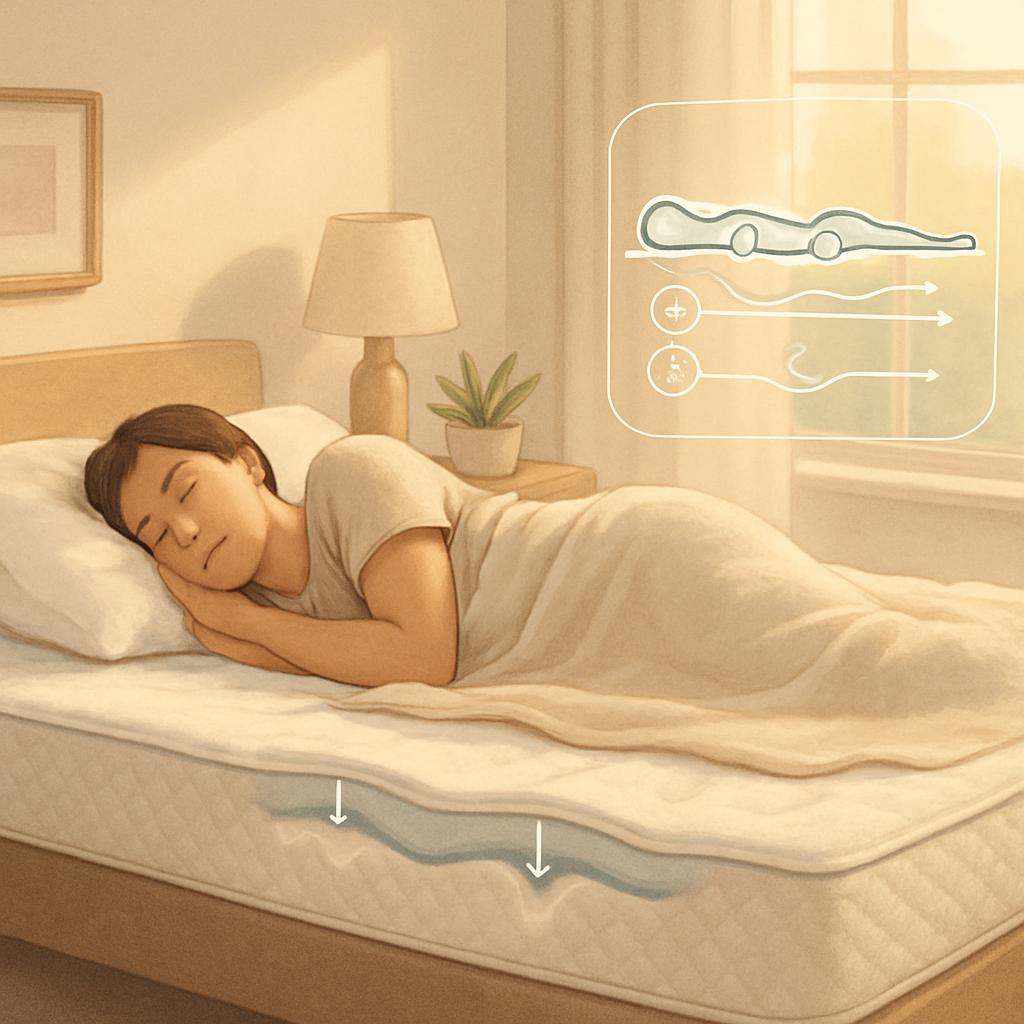
Finding the best memory foam mattress for side sleepers doesn't have to feel overwhelming. When you're shopping for a side sleeper mattress, you want something that checks all the boxes: pressure relief, proper support, and the right firmness level. The good news? There are excellent options available that cater specifically to the needs of side sleepers like you.
At Sleepology Mattress Shop, I've seen countless customers transform their sleep quality by choosing the right mattress. The key is understanding what makes a memory foam mattress work for side sleeping posture. You need a surface that cradles your shoulders and hips while keeping your spine aligned throughout the night. This balance prevents hip pain and shoulder discomfort that many side sleepers experience with the wrong mattress.
When evaluating memory foam options, consider how the mattress responds to your body weight and pressure points. A quality side sleeper mattress should offer enough give at your shoulders and hips while providing adequate support for your waist. This contouring effect is where memory foam truly shines compared to traditional innerspring mattresses.
I recommend looking at our curated collection of side sleeper mattresses to see options that have been specifically selected for their pressure relief capabilities. These mattresses feature varying levels of memory foam layers designed to accommodate different body types and personal preferences.
The mattress support side sleepers need goes beyond just softness. You want a mattress that maintains its supportive properties over time while continuing to provide that essential pressure relief. Quality memory foam mattresses are designed to last years without developing those annoying body impressions that can throw off your spinal alignment.
Temperature regulation is another factor I always mention to customers. Modern memory foam mattresses often include cooling technologies that prevent the heat retention issues that older foam mattresses had. This means you get all the contouring benefits without waking up feeling too warm during the night.
Highlighting the Best Memory Foam Mattresses
Let me walk you through some standout options that consistently earn high marks from side sleepers. The best memory foam mattress for your needs will depend on your specific body type, weight, and personal comfort preferences, but certain models have proven themselves time and again.
Sealy offers several excellent choices for side sleepers. Their gel foam mattresses combine traditional memory foam benefits with cooling gel technology. The Sealy Paterson Medium Gel Foam Mattress, for instance, provides that sweet spot of contouring and support that side sleepers need. The medium firmness level works beautifully for average-weight sleepers who need hip pain relief without sacrificing spinal support.
For those who prefer a softer feel, the Sealy Lacey Soft Gel Foam Mattress delivers exceptional pressure relief at the shoulders and hips. This mattress really hugs your body's curves while still maintaining enough support to keep your spine properly aligned. Side sleepers who've struggled with morning shoulder pain often find significant relief with this softer option.
"After years of waking up with hip pain, switching to a memory foam mattress designed for side sleepers changed everything. The pressure relief is incredible, and I actually wake up feeling rested now. Best sleep investment I've ever made!" – Sarah M., verified customer review from November 2024
The Sealy Medina Firm Gel Foam Mattress might seem counterintuitive for side sleepers at first, but it's actually perfect for heavier individuals who need more robust support. The firmness prevents excessive sinking while the gel foam layers still provide necessary pressure relief at key points. This demonstrates why side sleeper mattress firmness isn't one-size-fits-all.
What makes these mattresses exceptional for side sleeping posture is their multi-layer construction. They typically feature softer comfort layers on top for immediate pressure relief, with firmer support layers underneath to prevent your body from sinking too deeply. This layered approach ensures your spine stays neutral rather than curved into an unhealthy position.
Many of these top memory foam mattresses also include enhanced edge support, which side sleepers really appreciate. When you sleep on your side near the edge of the bed, you don't want to feel like you're rolling off. Reinforced edges give you more usable sleeping surface and make getting in and out of bed easier.
Reviewing Top Contenders: Comfort Meets Support
Now let's look at how different memory foam options stack up when it comes to balancing comfort with support. This balance is absolutely critical for side sleepers because too much of either element can lead to discomfort and poor sleep quality.
Hybrid mattresses that combine memory foam with other materials deserve special attention. These designs take the pressure relief benefits of memory foam and pair them with added support from innerspring coils or high-density foam bases. For many side sleepers, this combination provides the best of both worlds.
The medium-firmness options tend to be the most popular among side sleepers because they offer versatility. A medium memory foam mattress provides enough softness to cushion your shoulders and hips while delivering adequate support to keep your spine aligned. This makes them suitable for a wider range of body types and sleeping preferences.
When comparing top contenders, pay attention to the thickness and density of the memory foam layers. Higher-density foams typically last longer and provide more consistent support over the mattress's lifespan. However, they may also retain more heat, which is why many premium options include cooling technologies like gel infusions or open-cell foam structures.
Pressure relief mattress technology has advanced significantly in recent years. Modern memory foams respond more quickly to your movements, which means you won't feel stuck in one position. This responsiveness is particularly important for side sleepers who shift positions during the night. You want a mattress that adjusts with you rather than forcing you to work against it.
Another aspect I always evaluate is motion isolation. If you share your bed with a partner, a memory foam mattress excels at absorbing movement. This means when your partner gets up during the night or shifts positions, you're less likely to be disturbed. For side sleepers who are light sleepers, this feature can make a huge difference in overall sleep quality.
The contouring ability of memory foam is where these mattresses really prove their worth for side sleepers. Unlike firmer mattress types that create pressure points at your shoulders and hips, quality memory foam molds to your body's natural curves. This distributes your weight more evenly across the mattress surface, reducing those painful pressure points that can wake you up or leave you sore in the morning.
Consider how long you plan to keep your mattress when evaluating options. Higher-quality memory foam mattresses maintain their supportive properties longer, making them a better value even if they cost more upfront. A mattress that develops sagging or loses its pressure-relieving qualities after just a few years won't serve your side sleeping needs well.
Expert Tips: Choosing the Right Mattress for Your Sleep Needs
Shopping for a mattress requires more than just lying down in a showroom for two minutes. I've helped hundreds of customers find their perfect mattress, and I can tell you that understanding your unique sleep needs makes all the difference. Your body weight, sleeping style, any existing pain issues, and even who you share your bed with all play important roles in determining which mattress will work best for you.
The first thing I ask customers is about their current sleep experience. Are you waking up with pain? Do you feel like you're sinking too deeply into your current mattress, or does it feel too firm? These insights help narrow down the firmness level and support characteristics you need in your next mattress. For side sleepers specifically, pressure relief at the shoulders and hips should be a top priority, but that doesn't mean sacrificing overall support.
Your body weight significantly affects how a mattress performs. A medium-firm mattress might feel perfect for someone who weighs 150 pounds but too firm for someone who weighs 120 pounds, or too soft for someone who weighs 220 pounds. This is why I always recommend considering your weight when selecting side sleeper mattress firmness. Heavier individuals typically need firmer support to prevent excessive sinking, while lighter individuals often benefit from softer surfaces that allow enough contouring.
Testing a mattress properly means spending at least 10-15 minutes lying in your typical sleeping position. Don't just sit on the edge or lie on your back if you're primarily a side sleeper. Get into your natural side sleeping posture and pay attention to how your shoulders and hips feel. There should be noticeable pressure relief without feeling like you're sinking into a hole. Your spine should maintain a straight line from your neck to your tailbone.
I also encourage customers to consider their sleep environment. Room temperature affects how memory foam feels. If your bedroom runs warm, look for cooling technologies in your mattress. Many modern memory foam mattresses include gel infusions, breathable covers, or phase-change materials that help regulate temperature. Our Tempur-Pedic Breeze collection specifically addresses temperature regulation for those who sleep hot.
Don't overlook the importance of a quality foundation or bed frame. Even the best memory foam mattress won't perform well on an inadequate base. The foundation should provide even support across the entire mattress surface. Slats should be no more than 3 inches apart, or you should use a solid platform or bunkie board. An adjustable base can be particularly beneficial for side sleepers, allowing you to elevate your upper body slightly to reduce pressure on your shoulder or raise your legs for improved circulation.
What to Consider Based on Your Weight and Sleeping Style
Your body weight and how you sleep are two of the most important factors in choosing the right memory foam mattress. I've seen too many customers buy mattresses based solely on how they feel in the showroom, only to find they don't work well at home because they didn't consider these critical factors. Let me break down what you need to know based on different weight categories and sleeping patterns.
For lightweight sleepers (under 130 pounds), the challenge is finding a mattress that's soft enough to contour to your body. Because you don't apply as much pressure to the mattress surface, you need a more responsive foam that will compress adequately. Here's what to look for:
- Softer comfort layers that respond to lighter pressure. A plush or medium-soft memory foam mattress will provide better pressure relief for your shoulders and hips without requiring significant body weight to activate the contouring effect.
- Thinner comfort layers that you can fully compress. Very thick comfort layers might not compress enough under lighter body weight, leaving you sleeping on top of the mattress rather than being properly cradled by it.
- Responsive foams that adjust quickly. Lighter sleepers often shift positions more easily, so you want a foam that responds quickly to your movements rather than slowly contouring and then holding that shape.
- Consider mattresses in the 3-5 firmness range. On a scale of 1-10 where 10 is firmest, lightweight side sleepers usually prefer softer options that provide adequate pressure relief without feeling too rigid.
Average-weight sleepers (130-230 pounds) have the most options because most mattresses are designed with this weight range in mind. Your focus should be on finding the right balance between contouring and support:
- Medium to medium-firm options work well for most average-weight side sleepers. This typically means a 5-6 on the firmness scale, providing good pressure relief while maintaining spinal alignment.
- Multi-layer memory foam construction offers ideal support. Look for mattresses with distinct comfort and support layers that work together to cradle pressure points while preventing excessive sinking.
- Standard comfort layer thickness (2-4 inches) provides good contouring. This gives you enough foam to sink into for pressure relief without compromising the support layers beneath.
- Consider your specific pressure points. If you carry more weight in your hips, you might need slightly softer foam. If you have broader shoulders, ensure the comfort layer is thick enough to accommodate them.
Heavier sleepers (over 230 pounds) need mattresses with more robust support to prevent excessive sinking and maintain proper spinal alignment. This doesn't mean sacrificing pressure relief, but it does require careful selection:
- Look for high-density memory foam that won't compress too quickly. Higher density foams (5 pounds per cubic foot or more) provide better support and durability for heavier body weights.
- Consider firmer options or hybrid designs. A 6-7 on the firmness scale often works better, or consider hybrids that combine memory foam comfort layers with supportive coil systems underneath.
- Ensure adequate support layer thickness. The base support layer should be substantial enough to prevent bottoming out, typically at least 6-8 inches of high-density support foam or a robust coil system.
- Pay attention to edge support. Heavier individuals benefit from reinforced edges that prevent compression and extend the usable sleeping surface across the entire mattress.
- Consider durability and warranty terms. Heavier weights compress foam more quickly, so look for mattresses with longer warranties and higher-quality materials that will maintain their properties over time.
How Partner Sleep Can Influence Your Mattress Choice
Sharing your bed with a partner adds another layer of complexity to choosing the right memory foam mattress. I work with couples all the time who have different sleeping preferences, body types, and comfort needs. The good news is that memory foam actually offers several advantages for couples, but you need to know what to look for to ensure both partners sleep well.
The most obvious consideration is motion isolation, and this is where memory foam really excels. When one partner moves, gets up during the night, or shifts positions, the memory foam absorbs that movement rather than transferring it across the mattress. This is especially important if you and your partner have different sleep schedules or if one of you is a restless sleeper. I've had countless couples tell me that switching to a memory foam mattress saved their sleep quality because they're no longer waking each other up throughout the night.
Weight differences between partners require careful attention. If there's a significant weight difference, you want a mattress that accommodates both body types without creating a slope toward the heavier sleeper. Higher-quality memory foam mattresses with robust support cores handle this better than budget options. The heavier partner needs adequate support to prevent sinking too deeply, while the lighter partner still needs enough contouring for pressure relief.
Different firmness preferences between partners can be tricky with a traditional mattress, but you have options. Some couples opt for a split king configuration where each side has its own mattress tailored to individual needs. This works particularly well with adjustable bases where each partner can control their side independently. While this costs more than a single mattress, the sleep quality improvement for both partners often makes it worthwhile.
Temperature regulation becomes more important when two people share a bed. Two bodies generate more heat than one, and if your partner tends to sleep hot, you'll both feel it. Look for memory foam mattresses with cooling technologies like gel infusions, breathable cover materials, or open-cell foam structures that promote airflow. Some couples also benefit from adding a cooling mattress protector as an extra layer of temperature management.
Edge support matters more for couples because you're using more of the mattress surface. When both partners sleep near their respective edges, you want a mattress that doesn't compress excessively at the perimeter. This gives you both more usable sleeping space and makes getting in and out of bed easier without disturbing your partner. Many memory foam mattresses now include reinforced edges specifically to address this need.
Consider your combined sleeping positions. If you're both side sleepers, you'll want similar features in a mattress. But if one partner sleeps on their back or stomach while the other sleeps on their side, you need a mattress that works for multiple sleeping positions. Medium-firmness memory foam options tend to be the most versatile for mixed sleeping positions, offering enough contouring for side sleeping while providing adequate support for back sleepers.
The size of your mattress matters more than you might think. If you're currently on a queen and finding yourselves competing for space, upgrading to a king size can dramatically improve both partners' sleep quality. More space means less disturbance from each other's movements and more freedom to change positions without encroaching on your partner's space. Memory foam's motion isolation properties work even better when you have adequate space between partners.
Don't forget about your partner's specific pain issues or health concerns. If your partner deals with chronic back pain while you need hip pain relief, you need a mattress that addresses both concerns. This is where the multi-layer construction of quality memory foam mattresses really shines, providing targeted pressure relief while maintaining overall support for different body areas and sleeping positions.
Conclusion: The Optimal Mattress Solution for Side Sleepers
Recap of Benefits of Memory Foam for Side Sleepers
After examining all the factors that make a mattress work well for side sleepers, it's clear that a memory foam mattress offers some pretty impressive advantages. The way memory foam responds to your body's natural curves creates a sleeping surface that works with you, not against you. When you lie on your side, your hips and shoulders naturally push deeper into the mattress, and memory foam accommodates this by contouring around those pressure points while still supporting your spine.
Throughout this guide, we've looked at how the best memory foam mattress options provide that critical pressure relief mattress quality that side sleepers need most. The material itself has unique properties that allow it to distribute your body weight evenly, which means those common problem areas—your shoulders, hips, and knees—don't bear all the burden of your sleeping position. This even distribution is what helps reduce morning stiffness and those nagging aches that can follow you through your day.
We've also covered how side sleeper mattress firmness plays a major role in your comfort and health. Too firm, and you'll feel like you're sleeping on a board with your pressure points screaming for relief. Too soft, and your spine falls out of alignment, creating a whole different set of problems. The right memory foam mattress strikes that balance between cushioning comfort and reliable mattress support side sleepers depend on to maintain healthy side sleeping posture throughout the night.
The hip pain relief mattress qualities we discussed are particularly important for those of you who've experienced discomfort in this area. Side sleeping puts significant pressure on your hips, and without proper cushioning and support, that pressure can lead to pain that disrupts your sleep and affects your daily activities. A quality side sleeper mattress made from memory foam helps cushion your hip while keeping your spine aligned, addressing both comfort and support needs at the same time.
Making an Informed Decision for Better Sleep Quality
Now that you understand what makes a side sleeper mattress work, you're in a much better position to make a choice that will actually improve your sleep quality. The investment you make in your mattress is really an investment in your overall health and well-being. When you consider that most of us spend about a third of our lives sleeping, choosing the right mattress becomes one of the most important decisions you can make for your body.
Remember that finding the best memory foam mattress for your needs isn't just about picking the most expensive option or the one with the most features. It's about understanding your body, your sleeping habits, and what specific features will support your individual needs. If you're a lighter-weight side sleeper, you might find that a medium-soft memory foam mattress gives you the pressure relief you need without feeling like you're sinking too far into the bed. Heavier side sleepers often benefit from a slightly firmer memory foam mattress that provides more robust support while still offering that crucial contouring effect.
Your sleeping situation matters too. If you share your bed with a partner who moves around a lot during the night, the motion isolation properties of memory foam can be a game-changer. If you tend to sleep hot, looking for a memory foam mattress with cooling technology built in can help you maintain a comfortable temperature all night long. These aren't just nice-to-have features—they're elements that can make the difference between restless nights and truly restorative sleep.
When you're ready to shop for your new side sleeper mattress, take your time to test different options if possible. Pay attention to how your body feels in your natural sleeping position. Does your shoulder sink in comfortably, or does it feel like it's being pushed back up? Can you maintain a neutral spine position without effort? Does the mattress feel supportive without feeling hard? These real-world tests will tell you more than any specification sheet can.
At Sleepology Mattress Shop, we understand that choosing a mattress is a personal decision that depends on many factors unique to you. We're here to help you navigate your options and find a memory foam mattress that meets your specific needs as a side sleeper. Whether you're dealing with hip pain, shoulder discomfort, or just want to improve your overall sleep quality, the right mattress support side sleepers need is out there waiting for you.
Your journey to better sleep starts with understanding what your body needs and making an informed choice based on that knowledge. A quality memory foam mattress designed for side sleepers can transform your nights from restless and uncomfortable to peaceful and restorative. The benefits extend far beyond just feeling more comfortable in bed—they include waking up without pain, having more energy throughout your day, and supporting your long-term spinal health. That's not just better sleep; that's a better quality of life, night after night, year after year.
Frequently Asked Questions (FAQs)
Is a memory foam mattress really the best choice for side sleepers?
Memory foam mattresses are among the best options for side sleepers because they provide excellent pressure relief and contouring support. The material responds to your body's shape and weight, cushioning your shoulders and hips while keeping your spine aligned. While other mattress types can work for side sleepers, memory foam consistently ranks high for this sleeping position due to its ability to distribute weight evenly and reduce pressure points.
What firmness level should I choose for a side sleeper mattress?
Most side sleepers do best with a medium to medium-soft firmness level, typically ranging from 4 to 6 on a 10-point scale. This firmness allows your shoulders and hips to sink in enough for pressure relief while still providing adequate support for your spine. However, your ideal firmness also depends on your body weight—lighter individuals often prefer softer mattresses, while heavier people may need something slightly firmer for proper support.
Can a memory foam mattress help with hip pain from side sleeping?
Yes, a quality memory foam mattress can significantly help with hip pain caused by side sleeping. The material contours to your hip area, distributing pressure more evenly instead of creating a single pressure point. This cushioning effect, combined with proper spinal alignment, can reduce the stress on your hip joint and surrounding muscles. Many side sleepers report noticeable improvement in hip pain after switching to an appropriate memory foam mattress.
How thick should a memory foam mattress be for side sleeping?
For side sleepers, a memory foam mattress should be at least 10 to 12 inches thick to provide adequate support and pressure relief. This thickness allows for sufficient memory foam layers to cushion your pressure points while having enough support layers underneath to maintain proper spinal alignment. Thicker mattresses, around 12 to 14 inches, often work even better for side sleepers, especially those with higher body weights.
Will I sleep hot on a memory foam mattress?
Traditional memory foam mattresses have a reputation for sleeping warm, but modern memory foam mattresses often include cooling technologies that address this issue. Look for features like gel-infused foam, open-cell construction, or breathable covers that help regulate temperature. Many side sleepers find that these newer memory foam options sleep much cooler than older models, though individual experiences can vary based on room temperature and personal body heat.
How long does it take to adjust to a new memory foam mattress?
Most people need about 30 to 60 days to fully adjust to a new memory foam mattress. During this break-in period, both your body and the mattress are adapting—your muscles are getting used to the new support system, and the memory foam is softening slightly with use. Don't be discouraged if the mattress feels a bit different during the first few weeks. Give yourself time to adjust before deciding whether it's the right fit for you.
What's the difference between memory foam density, and does it matter for side sleepers?
Memory foam density refers to how much the foam weighs per cubic foot, and it definitely matters for side sleepers. Higher-density foam (5 pounds per cubic foot or more) is more durable and provides better support, making it ideal for side sleepers who need consistent pressure relief over time. Lower-density foam is softer and less expensive but may not hold up as well or provide adequate support for proper spinal alignment. For side sleeping, aim for medium to high-density memory foam in the comfort layers.
Can side sleepers use memory foam if they have back pain?
Absolutely. Many side sleepers with back pain find relief on memory foam mattresses because the material helps maintain proper spinal alignment. The key is choosing the right firmness level—one that's soft enough to cushion your shoulders and hips but firm enough to keep your spine in a neutral position. When your spine is properly aligned during side sleeping, it reduces strain on your back muscles and can help alleviate existing back pain.
Should I use a pillow between my knees when sleeping on a memory foam mattress?
Yes, using a pillow between your knees while side sleeping on a memory foam mattress can provide additional benefits. Even though the mattress supports your body well, a knee pillow helps keep your hips, pelvis, and spine in better alignment. This extra support can reduce strain on your lower back and hips, making your side sleeping position even more comfortable and beneficial for your body.
How does memory foam compare to hybrid mattresses for side sleepers?
Both memory foam and hybrid mattresses can work well for side sleepers, but they feel different. Pure memory foam mattresses offer superior pressure relief and contouring, with more of a "hug" feeling. Hybrid mattresses combine memory foam comfort layers with innerspring support, giving you pressure relief with more bounce and breathability. Side sleepers who like a traditional mattress feel with modern pressure relief often prefer hybrids, while those who want maximum contouring tend to choose all-foam options.
What's the lifespan of a memory foam mattress for side sleepers?
A quality memory foam mattress typically lasts between 7 to 10 years with proper care. For side sleepers, this lifespan is particularly important because you need consistent pressure relief and support over time. Higher-density memory foam tends to last longer and maintains its supportive properties better than lower-density options. Using a mattress protector and rotating your mattress regularly can help extend its lifespan and ensure you continue getting the pressure relief you need.
Are there specific memory foam brands better for side sleepers?
Quality brands like Tempur-Pedic, Sealy, and Stearns & Foster all offer excellent memory foam options designed with side sleepers in mind. These manufacturers have invested in research and development to create memory foam mattresses that provide the right balance of pressure relief and support. The best brand for you depends on your specific needs, preferences, and budget, but choosing a reputable manufacturer ensures you're getting quality materials and construction that will support your side sleeping position effectively.
Can changing to a memory foam mattress help with shoulder pain from side sleeping?
Yes, many side sleepers experience significant relief from shoulder pain after switching to a memory foam mattress. The material allows your shoulder to sink into the mattress naturally, reducing the pressure point that can cause pain. This is especially true if your current mattress is too firm and doesn't accommodate your shoulder properly. The contouring properties of memory foam help distribute weight away from your shoulder while keeping your spine aligned, addressing both the symptom and the underlying cause of the discomfort.
Do I need a special bed frame or foundation for a memory foam mattress?
Memory foam mattresses need proper support from below to perform their best, but you don't necessarily need anything special. A solid platform bed, a foundation with closely-spaced slats (no more than 3 inches apart), or a traditional box spring all work well. The key is ensuring the base provides even support across the entire mattress. Adequate support from below allows the memory foam to properly contour to your body and maintain the right balance of comfort and support for side sleeping.
Is a memory foam mattress good for combination sleepers who side sleep most of the night?
If you primarily sleep on your side but occasionally shift to your back or stomach, a memory foam mattress can still work well for you. Look for a medium-firm option that provides good pressure relief for side sleeping while offering enough support for other positions. Some combination sleepers prefer hybrid mattresses with memory foam comfort layers because they offer slightly more bounce for changing positions, but many find that a responsive memory foam mattress accommodates their movement just fine while prioritizing the pressure relief they need most as side sleepers.