

Can You Wash a Mattress Topper? A Complete, Safe-Cleaning Guide From a Sleep Expert
If you are staring at a stained or slightly stale mattress topper and wondering whether you can just throw it in the washer, you are not alone. Mattress toppers live right under your sheets, so they catch sweat, spills, pet accidents, and the occasional midnight snack. It is completely normal to feel a mix of “this is gross” and “I really don’t want to ruin this thing” when you think about cleaning it. The good news is that most toppers can be cleaned effectively, as long as you match the method to the material.
Keeping your topper clean is about more than appearances. According to the Sleep Foundation, most adults spend about a third of their lives in bed, and mattress hygiene can affect allergy symptoms, breathing comfort, and overall sleep quality. When toppers are not cleaned properly, dust mites, body oils, and moisture can build up, which may lead to odors, reduced support, and in some cases, mold or mildew. On the flip side, using the wrong cleaning method can permanently damage the foam, shrink the cover, or void your warranty.
Here, you will learn when you can wash a mattress topper in the machine, when you should stick to spot cleaning, and how to deep clean safely without wrecking the materials. You will see step by step approaches for different topper types, simple solutions for stains and smells, and guidance on how often to clean. Along the way, I will point out where a washable protector or a higher quality topper can make your life easier, plus how to know when your topper is simply at the end of its useful life. By the time you are done, you will know exactly what to do with the topper you own today, and what to look for if it is time to upgrade.
First Things First: Can You Actually Wash Your Mattress Topper?
Before any water, soap, or vacuum comes near your topper, the first step is always the label. That little tag on the side of your topper is your most important tool. It tells you what the topper is made of and what the manufacturer has tested and approved. Ignoring it can mean clumped down, crumbled memory foam, or a shrunken cover that never fits correctly again.
Most toppers are a combination of an inner core and an outer fabric shell. The core might be memory foam, latex, polyfoam, wool, down, feathers, or polyester fiberfill. The cover might be cotton, polyester, bamboo viscose, or a blend. Typically, the cover is far more washable than the core. Many modern toppers are intentionally designed with a removable, machine washable cover so you can keep the surface fresh without soaking the foam. According to Consumer Reports, fabric components that are easy to remove and wash tend to help people keep their sleep environments cleaner over time, simply because the process feels less intimidating.
To decide what you can safely do, identify both the fill and the cover. If the care tag says “spot clean only” or “do not machine wash,” treat that as non‑negotiable for the inner core. You can still get a topper very clean with careful spot treatments and a deep vacuuming routine. If the tag says the cover is machine washable but the core is not, think of cleaning as a two-part job: routine washing of the cover, paired with more occasional surface and odor treatment of the core.
If your label is missing or unreadable, you will need to play detective. Gently unzip a corner if possible and look at the interior. Foam that slowly rebounds when you press it is likely memory foam. Bouncy, slightly rubbery foam may be latex. Fluffy clusters are likely down, feather, or polyester fill. When in doubt, it is always safer to under‑wash than over‑wash. You can do a lot of good with vacuuming, baking soda, and spot cleaning without submerging anything in water.
“Mia walked me through reading the care tag on my memory foam topper over the phone so I did not destroy it in the washer. A year later it still feels brand new and I avoided spending another $300.” – Dana R., November
Why Washing Matters For Sleep Health
A topper is often your first line of comfort, but it is also your first line of exposure to allergens and irritants. Over time it collects sweat, skin cells, and dust, which feed dust mites. The American Academy of Allergy, Asthma & Immunology notes that dust mite waste is a common trigger for allergies and asthma, especially in the bedroom, where exposure is long and close. Left alone for months or years, a topper can become a silent contributor to congestion, itchy eyes, or a stuffy nose right when you are trying to sleep.
There is also a structural reason to keep your topper clean. Moisture from spills or long term humidity can weaken foam cells and fiber clusters. That often shows up as deep body impressions, lumps, or a topper that no longer bounces back. Mayo Clinic sleep specialists point out that mattress and topper condition can affect spinal alignment, pain levels, and sleep quality. If your topper is full of moisture or broken down in high pressure areas, your body is often the first to notice.
A clean, well cared for topper will usually last longer and perform closer to how it felt on day one. For memory foam and latex toppers, that means more consistent pressure relief and better contouring. For down or fiber toppers, it means more loft, fewer flat spots, and a more luxurious feel. When you combine good cleaning habits with a supportive base, such as a quality mattress or even an upgraded foam or hybrid mattress, you create a sleep surface that supports both comfort and health.
Mattress Topper Materials: What You Can And Cannot Wash
Not all toppers are created equal when it comes to water and agitation. Knowing what you are sleeping on is the key to choosing the safest cleaning method.
Memory Foam And Polyfoam Toppers
Memory foam and other polyurethane foams are some of the most sensitive materials when it comes to washing. The same open cell structure that allows foam to cushion your body and relieve pressure also soaks up water like a sponge. Once that water gets inside, it is very hard to remove completely. Trapped moisture can lead to mildew, odor, and long term degradation of the foam structure.
Because of this, memory foam toppers should not be machine washed or fully submerged in water. Even if you could physically cram the topper into a washing machine, the weight of the water and the agitation would likely tear or permanently deform the foam. Instead, memory foam toppers do best with regular vacuuming, prompt spot cleaning, and occasional deodorizing with baking soda. Many higher quality foam toppers come with a removable, washable cover, which is where your washing machine should focus its effort.
If you own a memory foam topper without a removable cover, you can still keep it fresh with a layered approach. Use a fitted sheet plus a separate mattress protector on top. A breathable protector that fits over both the topper and mattress, like the ones in Sleepology’s pillows, sheets, toppers, and protectors collection, creates a washable barrier, so you will rarely need more than light spot cleaning on the foam itself.
Latex And Gel-Infused Foam Toppers
Latex and gel-infused foam toppers share some of the same vulnerabilities as memory foam. They dislike prolonged moisture, harsh chemicals, and heavy mechanical stress. Natural latex, in particular, is resilient when you sleep on it, but it can crack or crumble if repeatedly soaked and dried. Gel-infused foams are usually still built on a polyurethane base, so the same “no machine wash” rule applies.
You can generally treat latex and gel toppers like memory foam: vacuum both sides, address spills quickly at the surface, and let them air out in a well ventilated room. Some latex toppers have quilted covers attached that are not removable. In that case, treat the cover as part of the core and do not attempt to unzip or wash it unless the tag specifically says it is safe. A handheld upholstery cleaner can sometimes help with surface stains, but always test in an inconspicuous spot first.
To extend the life of latex or gel toppers, keep humidity in the room moderate and avoid exposing the topper directly to strong sunlight for hours at a time. Short airing sessions are fine, and can actually help with odor. Long, intense sun exposure day after day can dry and age the foam over time.
Down, Feather, Wool, And Fiberfill Toppers
Down, feather, wool, and polyester fiberfill toppers are a different story. These are more like oversized comforters than mattresses, and many of them are designed to be machine washable. The catch is that they tend to be bulky, so they do better in a large capacity or commercial washer. Always double check the label, since some down toppers require professional cleaning to maintain the loft and distribution of the fill.
When machine washing is allowed, cool or warm water on a gentle cycle is usually recommended, along with mild detergent. For down or feather toppers, experts at organizations like the International Down and Feather Bureau advise thorough rinsing and very thorough drying, often with dryer balls or clean tennis balls to break up clumps. Wool toppers are more delicate; some can be machine washed on a wool cycle, while others require spot cleaning and air drying only. Polyester fiber toppers are usually the most forgiving, as long as you avoid high heat that can melt or fuse the fibers.
If you find that washing these toppers at home is logistically difficult, one practical option is to take them to a laundromat with high capacity front loaders a couple of times a year, and handle interim maintenance with vacuuming and spot treatment.
“We hauled our queen feather topper to a laundromat and still ended up with damp clumps. Mia suggested switching to a washable fiber topper with a protector from Sleepology, and it has been so much easier to keep clean. We saved at least $150 a year on dry cleaning.” – Jordan S., October
Hybrid Construction And Specialty Toppers
Some toppers blend materials, such as a thin memory foam core wrapped in a quilted fiber or down layer, or gel foam laminated to a fabric backing. These hybrid or specialty toppers can be confusing, because part of the topper might tolerate washing while the other part absolutely does not. Again, the care tag is your compass.
If a hybrid topper indicates that only the removable outer cover may be washed, follow that strictly. Do not assume the entire piece can be treated like a comforter. For toppers with attached skirts or anchor bands, check whether those can be detached or are integral to the topper body. Often the best approach with hybrid designs is to think in layers: wash what you can, protect what you cannot, and rely heavily on preventatives like breathable waterproof protectors to keep moisture from getting in.
How Often Should You Clean A Mattress Topper?

Once you know what your topper is made of, the next question is timing. Cleaning too rarely lets allergens and odors build up. Cleaning too aggressively can shorten the topper’s life. The right rhythm usually lands in between.
General Cleaning Frequency Guidelines
For most households, vacuuming the topper and treating the cover every two to three months is a good baseline. The Sleep Foundation notes that mattress accessories, including toppers and protectors, benefit from regular attention in the same way sheets and pillowcases do, simply on a slower schedule. A quarterly routine tends to align well with seasonal bedding changes, when you might swap between lighter and heavier blankets.
If your topper has a removable, machine washable cover, washing that cover every 4 to 8 weeks works well for many people. Families with pets, kids, or allergies may lean toward the more frequent end of that range. Households with lower exposure to allergens and fewer spills may do perfectly well with washing closer to every two months, as long as the topper has a good quality protector over it.
Deep deodorizing and more intensive cleaning of the topper core is usually needed one or two times per year, or after any major spill or accident. For example, if you spill coffee or experience a nighttime accident that soaks through the sheets, you will want to address that promptly using the material specific steps in the next section, rather than waiting for your next planned clean.
Factors That Mean You Should Clean More Often
Your personal situation matters as much as the calendar. Some scenarios call for more frequent topper care. These include sleeping with pets who are allowed on the bed, living in a humid climate where moisture accumulates easily, or dealing with allergies, asthma, or sensitive skin. The Cleveland Clinic points out that people with respiratory conditions may benefit from stricter bedroom hygiene, including more frequent washing of anything that collects dust and dander.
If you often go to bed without showering after exercise, sweat and body oils can accumulate more quickly in your bedding and topper. In that case, washing the cover monthly and vacuuming the topper each time you change your sheets can be a smart tweak. Likewise, if a sleeper is incontinent or a child is still working through nighttime bathroom training, a fully waterproof protector and more diligent cleaning schedule are not just nice to have, they are essential.
On the other side of the spectrum, guest room toppers that are used only a few times a year can go longer between deep cleanings. In those cases, focus on airing out and vacuuming before and after guest visits, and washing the cover and protector before making up the bed.
Signs Your Topper Needs Cleaning Right Now
Sometimes your topper tells you it is ready for attention regardless of when you last cleaned it. Obvious signs include visible stains, ring marks from dried spills, or a grayish tinge where your body rests. Less obvious, but just as important, are odors that linger even after you wash your sheets, a faint musty smell when you pull back the covers, or an increase in nighttime sniffles or itchiness that eases when you sleep elsewhere.
If you press your hand into the topper and notice an oily or tacky feel, that is a sign that body oils have migrated into the surface. For breathable toppers, such as gel foams or latex, that can reduce airflow and cooling. If your topper has lost its “fresh” feel and you are questioning its cleanliness, that alone is a good time to plan a cleaning session.
How To Clean A Mattress Topper By Material
Once you understand your topper and how often to clean it, it is time to get practical. The right method depends on what is inside and outside the topper. Here are safe, material specific approaches that match real life messes.
Cleaning Memory Foam Mattress Toppers
Memory foam is wonderfully contouring, but it is also fragile when wet. The goal is to remove surface dirt, treat stains, and manage odor without soaking the foam.
Start by stripping all bedding and, if your topper has a removable cover, unzipping and removing it. Wash the cover according to the tag, usually in cool water on a gentle cycle with mild detergent, and dry on low or air dry. While the cover is off, vacuum the foam topper thoroughly using a brush or upholstery attachment. Move slowly across the surface in overlapping passes, then flip the topper and repeat on the other side.
For stains, mix a solution of cool water and a small amount of mild liquid detergent or clear dish soap. Dip a clean white cloth into the solution, wring it so it is damp, not dripping, and gently blot the stained area. Avoid scrubbing aggressively, since that can rough up the foam surface. After loosening the stain, use a second cloth dampened with plain water to blot away any soapy residue, then press with a dry towel to soak up moisture. If you are dealing with bodily fluids, an enzyme-based cleaner designed for upholstery can be very effective, but always test first and follow with water blotting.
To deodorize a memory foam topper, sprinkle a generous layer of baking soda over the dry surface and let it sit for several hours, or preferably most of the day. Baking soda helps absorb odors and some residual moisture. Afterward, vacuum the baking soda thoroughly. Allow the topper to air dry and air out in a well ventilated room until there is no trace of dampness before replacing the cover and bedding.
Cleaning Latex And Gel Foam Mattress Toppers
Latex and gel foam toppers appreciate a similar, light touch. Remove the cover if it is designed to zip off and wash the cover according to instructions. Vacuum the topper carefully on both sides to remove dust and debris. For most surface stains, a mix of cool water and a few drops of mild detergent works well. Dab the solution onto the spot with a cloth, then blot with a second cloth and plain water, always taking care not to saturate the foam.
Because latex is naturally resistant to dust mites and mold when kept dry, your main job is to keep it from staying damp. After any spot cleaning, let the topper dry completely. Propping it on its side near a fan, away from direct intense sun, can speed this process. For odor control, a light sprinkle of baking soda and a thorough vacuum, just like with memory foam, is usually all that is needed.
Gel foam toppers behave similarly to memory foam with gel additives, so the same caution about avoiding machine washing applies. Never use bleach, strong solvents, or abrasive scrubbing pads on any foam topper, as these can break down the material.
Cleaning Down, Feather, Wool, And Fiberfill Toppers
If your topper is filled with down, feather, wool, or polyester fibers and the tag allows machine washing, you have more options. Start by shaking out or gently vacuuming the topper to remove loose dust. Inspect for any open seams or tears and repair them before washing, especially on down and feather toppers, to prevent fill from escaping into your machine.
Use a large capacity front loading washer if possible. Set the machine to a gentle cycle with cool or warm water and add a mild detergent. For down toppers, a detergent formulated for down can help maintain fluff. Avoid fabric softeners, which can coat fibers and reduce loft. Once washed, run an extra rinse cycle to ensure all soap is removed, since residue can attract dirt and affect the feel.
Drying is the most important step. Place the topper in a large dryer on low heat. Add dryer balls or a few clean tennis balls to help separate and fluff the fill. Pause the cycle every 20 to 30 minutes to manually break up any clumps and feel for remaining damp spots. It can take several hours for a thick topper to dry all the way through. Do not rush this process with high heat, since that can damage fibers or shrink the fabric. For wool toppers that are not machine washable, rely on spot cleaning and professional cleaning if needed, combined with frequent airing outdoors on dry days.
After drying, lay the topper flat and press into different areas to check for moisture. If any section feels cool or damp, continue drying. Putting a damp topper back on the bed traps that moisture against your mattress, which is a recipe for mildew.
“Our wool topper smelled musty after a small leak in our roof. Instead of tossing it, we followed Mia’s slow-dry advice and saved it. We paired it with a waterproof protector from Sleepology, and we have not had a single odor issue since.” – Lila M., December
How To Remove Common Stains And Odors From A Mattress Topper
Life happens. Cleaning a topper is often less about routine dust and more about that one unmistakable coffee spill or pet accident. Different stains respond best to specific approaches, and acting quickly usually gives you more options.
Handling Fresh Spills Quickly And Safely
When something spills on your topper, speed matters. The first step is always to remove bedding so you can see exactly how far the liquid has penetrated. If the spill just soaked your sheets and a waterproof protector, you may be able to wash those and never touch the topper at all. If it reached the topper, start by blotting, not rubbing. Use clean, absorbent towels or paper towels to press firmly on the area, drawing out as much liquid as possible.
Once you have blotted up the bulk, move to a gentle cleaning solution. For most juices, coffee, or soft drinks, a mix of cool water and mild detergent applied with a cloth and blotted away is enough. For milk or anything with protein, such as blood, an enzyme-based cleaner helps break down the stain molecules. Again, apply sparingly and blot, aiming to keep the topper surface as dry as you can while still lifting the stain.
After treating, press with dry towels to remove excess moisture. Then, allow the topper to air dry, ideally with good air circulation from a fan. If you are worried about lingering odor, finish with a light layer of baking soda once the surface is only slightly damp, let it sit, and then vacuum.
Treating Persistent Odors And Older Stains
Older stains that have already dried require a bit more patience. Start by lightly misting the stained area with plain water to help rehydrate and loosen the mark. Then apply your cleaning solution. A simple and very effective odor remover is a mixture of equal parts distilled white vinegar and water. Vinegar helps neutralize many common odors and break down mineral and urine salts. Apply it with a spray bottle or cloth, lightly dampening the area but avoiding soaking the core.
Let the vinegar solution sit for 10 to 15 minutes, then blot with a clean, damp cloth, followed by dry towels. Once the area feels only slightly damp, cover it with baking soda and let it sit for several hours or overnight. The baking soda will absorb both moisture and odor. The next day, vacuum thoroughly. This vinegar plus baking soda combination is widely used in home cleaning and is generally safe for most topper fabrics and foams in small amounts.
For very stubborn smells or stains, especially in toppers that have been heavily soiled, there is a point where your time and effort may outweigh the remaining life of the topper. If you have repeated issues, that can be a sign that upgrading to a new topper and using a fully waterproof protector from day one is the healthier and more practical choice.
When To Consider Professional Cleaning Or Replacement
There are situations where calling in professionals or replacing the topper entirely is the best path. If a topper has been heavily soaked by flood water, sewage, or extensive pet accidents, complete disinfection may not be possible at home. In those cases, contacting a professional upholstery or bedding cleaner can help you understand whether the topper can be salvaged safely.
If the topper is several years old and starting to sag, lump, or feel uncomfortable even after cleaning, that is also a strong cue that it may be nearing the end of its lifespan. Studies on mattress comfort and replacement patterns, including those summarized by the National Sleep Foundation, suggest that comfort layers like toppers tend to show noticeable wear well before a high quality mattress does. Investing that cleaning energy into a newer, more supportive setup, such as pairing a fresh topper with a supportive Sealy Posturepedic Pro or Elite mattress, often yields a bigger payoff in both hygiene and comfort.
Deep Cleaning Versus Maintenance: Finding The Right Balance
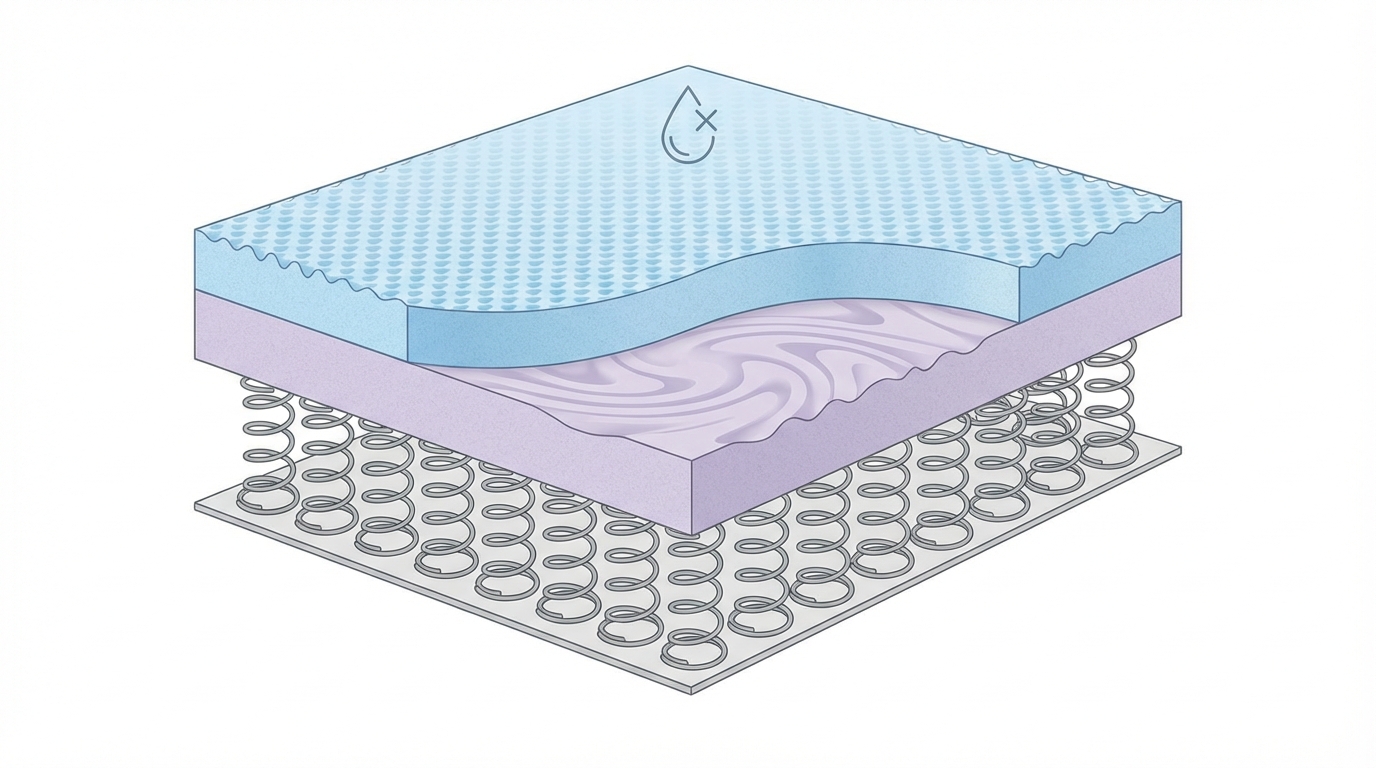
Not every cleaning needs to be a deep clean. In fact, the most effective topper care routines lean heavily on simple, consistent habits.
What Counts As A Deep Clean?
A deep clean is any session where you are doing more than vacuuming and washing the cover. It might include deodorizing the entire surface with baking soda, targeted stain removal, and allowing the topper to sit uncovered to fully air out. For washable toppers, a deep clean could mean a complete wash and thorough dry cycle at a laundromat.
Deep cleaning is especially helpful if you notice a general stale smell, have had a series of small spills, or have not cleaned the topper in many months. It is also a smart step if you are recovering from an illness and want to refresh your entire sleep environment. Remember to coordinate deep topper cleaning with mattress care. This is an ideal time to vacuum and spot clean your mattress, rotate it if the design allows, and check the condition of your protector and sheets.
Everyday Habits That Keep Your Topper Cleaner
Between deep cleans, simple practices go a long way. Regularly washing sheets, typically once a week as many sleep health organizations recommend, creates the first barrier between you and the topper. Using a good quality, breathable protector over the topper gives you a second barrier that is much easier to launder than the topper itself. Vacuuming the top of the made bed occasionally helps remove dust that would otherwise work its way down.
Airflow matters too. Pulling back your covers each morning for a few minutes lets residual body heat and moisture escape rather than staying trapped. If you have a day off and can leave the bed unmade for a couple of hours, your topper and mattress benefit from the extra breathing time. For people with adjustable bases, lifting the head or foot slightly on occasion while the topper is uncovered can create gentle flexing that helps reduce moisture pockets. If you use an adjustable base such as the TEMPUR-ERGO Smart Base, you already have more control over airflow and pressure distribution, which can indirectly support topper longevity.
Matching Cleaning Effort To Topper Age And Quality
A newer, higher quality topper is usually worth more cleaning effort than an older, inexpensive one that is already sagging. Foam density, fabric quality, and construction all influence how well a topper responds to being maintained. If your topper is paired with a mattress that is already past its own prime, adding a topper cleaning routine can help a little, but it cannot fix a broken support system. Sometimes the healthiest step is to address the mattress first, then choose a topper only if you need fine tuning.
If you are sleeping on a premium mattress like a Sealy Posturepedic Pro Soft Dupont II Euro Pillow Top or a Sealy Posturepedic Elite Soft Hybrid Brenham II, you may find you do not need a thick topper at all, or only a thin one for specific feel preferences. That often simplifies cleaning, since thinner toppers and simple protectors are easier to wash and dry.
Comparison: Which Mattress Toppers Are Easiest To Keep Clean?
A quick comparison can help you see how different topper types stack up when it comes to cleaning and maintenance, especially if you are considering a new topper and want to make life easier in the long run.
| Topper Type | Typical Cleanability | Risk If Washed Incorrectly | Best For Sleepers Who… |
|---|---|---|---|
| Memory foam | Cover usually washable, core spot clean only | Foam can tear, hold water, grow mildew | Want contouring pressure relief; can commit to using a protector |
| Latex | Similar to memory foam, spot clean core | Cracking, loss of resilience | Prefer buoyant support and natural materials |
| Gel-infused foam | Like memory foam, extra care for cooling gel | Structural breakdown, loss of cooling | Sleep hot but love foam feel |
| Down/feather | Often fully machine washable in large washer | Clumping, leaks if seams fail | Want plush, cloud-like softness and do not mind careful drying |
| Wool | Often spot clean or professional clean | Shrinking, felting | Prefer natural temperature regulation and gentle firmness |
| Polyester fiberfill | Frequently machine washable | Matting if over dried or overheated | Want inexpensive softness and easy home washing |
This table does not replace the care tag, but it can guide your expectations. If cleaning convenience is a top priority for you, a topper with a fully removable, machine washable cover and a washable fiberfill interior will often be the easiest to live with. If you prioritize pressure relief and are willing to rely more on protectors and spot cleaning, memory foam and latex remain excellent choices.
Protecting Your Topper: Covers, Protectors, And Smart Layering
The single best way to simplify topper cleaning is to keep as much as possible from ever reaching the topper core. That is where covers, protectors, and thoughtful layering come in.
Why A Protector Is Essential
A mattress protector may not be as exciting as a plush topper or new pillows, but it does more for cleanliness than almost anything else you can buy. A good protector fits like a deep pocket sheet or encasement over both the mattress and topper, creating a washable barrier. According to many allergy organizations, including the American Academy of Allergy, Asthma & Immunology, encasing sleep surfaces is a core strategy for reducing dust mite exposure.
Look for protectors that are waterproof yet breathable, so they block liquids without trapping heat. Many modern protectors use a thin polyurethane membrane bonded to a soft fabric, which is quiet and flexible. Avoid older style vinyl protectors if you are sensitive to heat or sound. When you shop Sleepology’s pillows, sheets, toppers, and protectors, you will find options designed to work well with both traditional mattresses and thicker hybrid or foam models, so you can choose a protector that does not bunch or slip.
Wash your protector regularly, often every one to two months, or more often after any spill. Doing so keeps your bed fresh and significantly reduces how often you need to deep clean the topper itself.
Choosing The Right Cover And Sheets
If your topper came with a removable cover, treat it like a key part of your bedding system, not an afterthought. Wash it on the schedule that matches your life, usually every one to two months, and always zip it fully before putting it back on. A snug, well fitting cover helps distribute pressure across the foam or fill and can reduce localized wear.
Your sheets play a role too. Natural or moisture wicking fabrics like cotton, bamboo, or Tencel can help move sweat away from your body and through the layers where it can evaporate, rather than sitting in one spot. That keeps both you and the topper more comfortable. Rotating between two or three sheet sets makes it easier to wash them weekly without laundry day feeling like a production.
Thoughtful layering looks like this: topper on the mattress, protector over both, topper cover if separate, then your fitted and flat sheets. This setup maximizes both protection and comfort without making cleanup burdensome.
When Cleaning Is Not Enough: Knowing When To Replace Your Topper
No matter how careful you are, every topper has a finite lifespan. Cleaning helps you reach that full lifespan and maintain comfort along the way, but it cannot resurrect foam that has permanently compressed or feathers that have broken and lost loft.
Lifespan Expectations By Topper Type
Most memory foam and latex toppers last around three to five years with regular use, sometimes longer for higher density or premium products. Cheaper, lower density foams may feel great in the first year but break down much sooner. Fiberfill and basic polyester toppers often flatten within one to three years, especially if they are on a softer mattress. Down and feather toppers can be fluffed and laundered to extend their useful life, but they eventually lose resilience as quills break and down clusters compress.
Wool toppers can be exceptionally durable when cared for properly, sometimes outlasting foam toppers, but they require gentle maintenance and careful moisture control. If your wool topper has developed permanent body impressions or feels lumpy even after airing and fluffing, it may be time to reconsider.
Signs It Is Time To Move On
Pay attention to what your body tells you. If you wake up with new or worsening pressure points, hip or shoulder aches, or a feeling that you “bottom out” through the topper to the mattress, the comfort layer may be past its prime. Visible sagging, deep body impressions that do not recover, significant lumps, or a permanently uneven feel are all strong indicators.
Persistent odors that return soon after cleaning, unremovable stains that make you hesitant to sleep on the topper, or evidence of mold or active mildew are non‑negotiable reasons to replace. Your sleep environment should feel inviting, not something you tolerate.
If you are also noticing that your mattress itself is sagging, developing soft spots, or no longer feels supportive, it might be time to look beyond toppers and toward a more comprehensive update. Pairing a new, supportive mattress such as a Sealy Posturepedic Elite Soft Albany II Euro Pillow Top with thoughtful topper and protector choices will set you up for many years of easier maintenance and better sleep.
Key Do’s And Don’ts For Washing A Mattress Topper
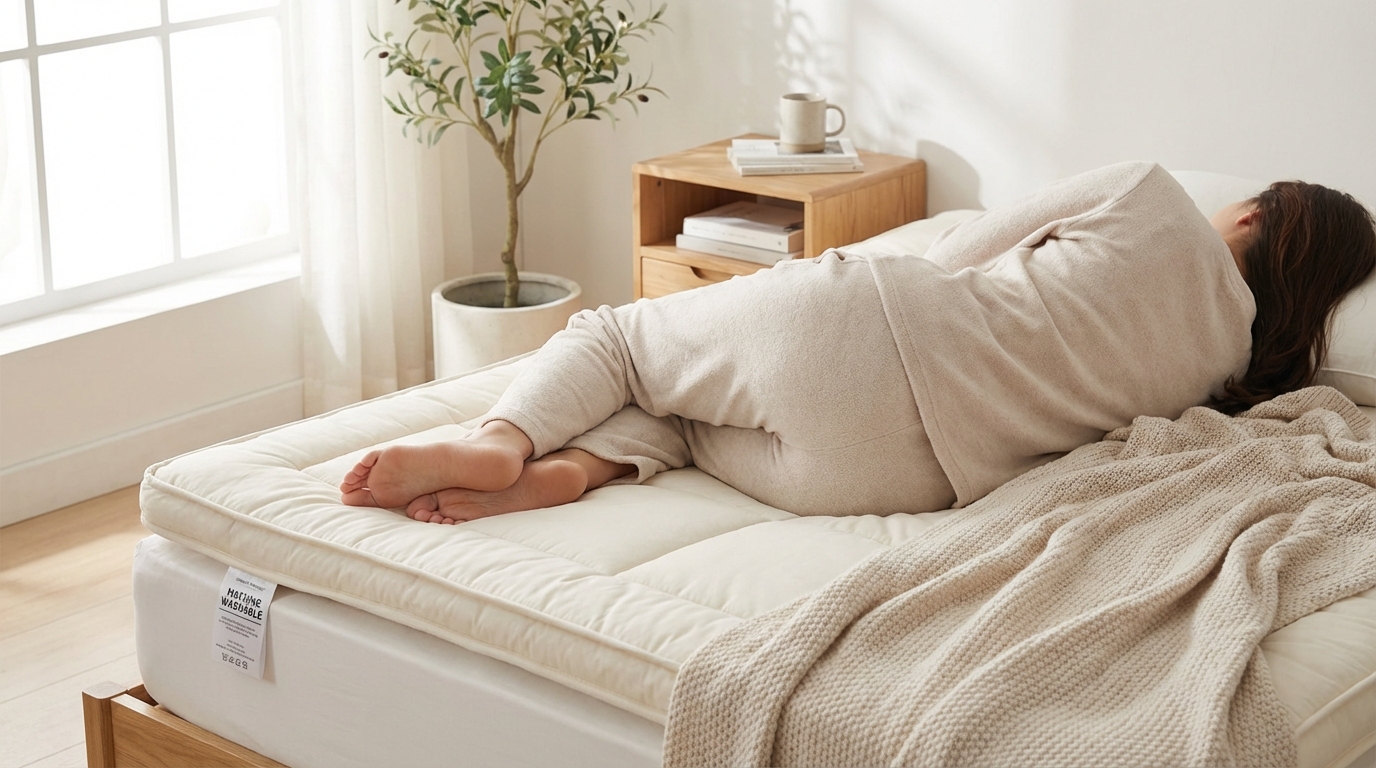
Before we wrap up, it can be helpful to have a quick reference of what is generally safe and what is risky. Use this as a final check before acting.
After reading through the detailed guidance, keep these core principles in mind:
- Do always read and follow the care tag on your specific topper before cleaning.
- Do use a removable, washable protector to prevent liquids and allergens from reaching the topper.
- Do vacuum both sides of your topper several times a year to remove dust and debris.
- Do spot clean spills right away with mild detergent or appropriate cleaners and gentle blotting.
- Do allow plenty of time for the topper to dry completely before putting bedding back on.
- Do consider the age and condition of the topper when deciding whether to invest in deep cleaning.
- Do not machine wash or fully submerge memory foam, gel foam, or most latex toppers.
- Do not use bleach, harsh solvents, or aggressive scrubbing pads on any topper material.
- Do not put a damp topper back on the bed or cover it tightly while any part is still wet.
- Do not ignore persistent odors, sagging, or signs of mold; these can be cues to replace rather than clean.
Keeping these guidelines in the back of your mind can help you avoid the most common mistakes and extend the useful life of your topper without unnecessary stress.
Conclusion: A Clean Topper, A Calmer Mind, And Better Sleep
Caring for a mattress topper does not have to feel like a chemistry experiment or a guessing game. Once you know what your topper is made of and what the label allows, the path becomes straightforward. Foam toppers thrive on prevention, gentle spot cleaning, and regular vacuuming, while many fiber and down toppers reward you with easy washing if you give them enough room to move and time to dry. Across all materials, a good protector and consistent bedding habits are your quiet heroes.
Whether your goal is to rescue a topper after a spill, keep allergies in check, or simply make your bed feel cleaner and more inviting, small, steady habits usually beat occasional heroic efforts. When you combine a thoughtfully cleaned topper with a supportive mattress and a sleep environment that feels genuinely restful, you are giving yourself a better chance at the high quality, restorative sleep that bodies and minds need. If cleaning your current topper reveals that it is just not up to the job anymore, that knowledge is valuable too. It is a sign you are paying attention to your comfort and health, and there are plenty of supportive mattress and topper combinations at Sleepology ready to help you take the next step when you are ready.
If you feel unsure about your specific setup, or you are wondering whether a new topper or a new mattress would make the bigger difference, a quick conversation with a Sleepologist can save you time, effort, and money. You do not have to figure it all out alone, and your bed truly can feel fresher and more comfortable than it does today.
Frequently Asked Questions
Can you put a memory foam mattress topper in the washing machine?
No, you should not put a memory foam topper in the washing machine. Memory foam absorbs water deeply and is easily damaged by agitation, which can cause tearing, crumbling, or permanent deformation. Once water saturates the foam, it can be very difficult to dry completely, increasing the risk of mildew and odors. Instead, focus on washing any removable cover, vacuuming the foam regularly, spot cleaning stains with minimal moisture, and deodorizing with baking soda when needed.
How do I know if my mattress topper is machine washable?
The only reliable way to know is to check the care label attached to the topper. That label will specify whether the entire topper, just the cover, or neither can be machine washed. Phrases like “machine wash cold, gentle cycle” indicate washability, while “spot clean only” or “do not machine wash” mean you should not put that component into a washer. If the label is missing and you are unsure of the material, assume the inner core is not washable and limit machine washing to easily removable fabric covers and protectors.
What is the best way to clean a mattress topper after a pet accident?
Act quickly by removing all bedding and any protector, then blotting as much liquid as possible from the affected area. For most toppers, a two step approach works well: first use an enzyme-based cleaner designed for urine or organic stains, applied sparingly with a cloth, then blot away residue with a damp cloth. Follow with dry towels to pull out moisture, and once the surface is only slightly damp, apply baking soda over the area to absorb remaining odor. Let it sit for several hours or overnight before vacuuming thoroughly. If the accident soaked deeply or happened repeatedly, you may need to repeat the process or consider replacement, especially for older foam toppers.
How often should I wash the cover on my mattress topper?
For most people, washing a removable topper cover every four to eight weeks strikes a good balance between cleanliness and wear. Households with pets, children, allergies, or frequent night sweats may prefer washing closer to once a month. If you also use a waterproof protector over the topper, you can sometimes stretch the cover washing interval a bit longer, focusing your more frequent washes on the protector instead. Always follow the washing instructions on the cover tag to avoid shrinkage or damage.
Will cleaning my topper fix sagging or body impressions?
Cleaning alone cannot reverse structural changes like sagging or deep body impressions. While fluffing a fiber or down topper after washing can restore some loft, compressed foam cells or broken fill fibers will not regain their original resilience through cleaning. If your topper still feels uneven or unsupportive after vacuuming, airing, and, where appropriate, washing, that is usually a sign it is nearing the end of its useful life. At that point, replacing the topper, and possibly reassessing the mattress beneath it, is often more effective than continuing to clean.
Can I use a steam cleaner on my mattress topper?
Steam cleaners are generally not recommended for most toppers, especially foam, latex, and many wool products. Steam introduces high heat and significant moisture, which can damage foam structure, shrink fabrics, or encourage mold if the interior does not dry fully. If you are trying to sanitize a topper, a combination of regular cleaning, thorough drying, and, when necessary, replacement is usually safer. For severe contamination or if you are considering steam cleaning for health reasons, it is wise to consult both the manufacturer’s guidance and, if needed, a professional cleaning service familiar with bedding.
Is a mattress topper still useful if I have a high quality mattress?
Yes, but its role may shift from “fixing” a bad bed to fine tuning comfort. On a supportive, high quality base such as a hybrid or foam mattress from Sleepology’s curated collections, a topper can add a specific feel, like extra plushness for a side sleeper or a touch of cushioning for pressure sensitive joints. In those cases, you can often choose a thinner, easier to maintain topper paired with a good protector, which simplifies cleaning. If your mattress already feels comfortable and supportive, you may not need a topper at all, and focusing on clean sheets and protectors alone can be enough to keep your sleep surface fresh.