


Can You Wash a Mattress Protector? A Complete, Real‑World Guide To Keeping It Clean And Working
If you are staring at a coffee spill, a nighttime accident, or a “mystery stain” on your bed and wondering if you can wash your mattress protector without ruining it, you are not alone. I talk to shoppers every week who quietly admit they have no idea how often they are supposed to wash it, what settings to use, or whether the waterproof layer will melt in the dryer. It can feel like one wrong move might wreck the very thing that is keeping your mattress safe.
This topic matters more than it might seem at first glance. A good protector is your mattress’s first line of defense against sweat, dust mites, spills, and allergens. According to the Sleep Foundation, most adults sweat and shed enough skin cells every night to gradually attract dust mites and irritants if bedding is not maintained properly, and that buildup can affect both allergies and sleep quality. When you know how to wash a mattress protector correctly, you protect your health, your mattress warranty, and an investment that often runs into the thousands of dollars.
You are also probably trying to balance two competing goals. On one side, you want a truly clean, fresh bed, especially if you have kids, pets, or allergies. On the other side, you want your protector to stay waterproof, soft, and quiet for as many years as possible. This guide walks you through exactly how to do that, with clear washing and drying instructions, stain strategies, and realistic schedules for everyday life, not perfection.
By the time you finish reading, you will know when to toss a protector in the washer, how to read the label like a pro, what settings are usually safest, and how to handle tricky situations like urine, blood, and sweaty sleepers. I will also point you toward specific Sleepology protectors that are easier to care for and better designed to survive regular washing, so you can relax knowing your mattress is protected while you sleep.
Mattress Protector Basics: What You Are Actually Washing And Why It Matters
Before you decide how to wash a mattress protector, it helps to understand what you are working with. Most modern protectors have two main parts. There is the top fabric, which might be cotton, bamboo viscose, polyester, or a blend, designed to feel soft and breathable. Then there is a hidden waterproof or water resistant barrier, often made from polyurethane or similar materials, that blocks liquids from reaching your mattress. When you wash the protector, you are cleaning the fabric while trying not to damage that protective layer.
There are different styles of protectors, and each one behaves a little differently in the laundry. Fitted sheet style protectors wrap around the corners and are the most common in bedrooms today. Encasement protectors zip around the entire mattress and are often used for bed bug protection or severe allergy control. Some cooling protectors include phase change or specialty fibers that pull heat and moisture away from the body. Each of these designs may call for slight tweaks in how you wash and dry them, which is why the care label is so important.
Health and allergy organizations often remind people that what lives in and around your mattress can influence respiratory symptoms. The American Academy of Allergy, Asthma & Immunology points out that dust mite allergens, in particular, can trigger sneezing, congestion, and asthma symptoms in sensitive people. A well maintained mattress protector is one of the simplest tools you have to limit that exposure, since it catches much of the sweat and debris before it can settle into foam or fibers you cannot easily clean.
From a financial standpoint, protecting the mattress is just as important. Many mattress manufacturers consider stains a form of damage that can void parts of a warranty, even when the stain is unrelated to a structural issue. When I work with customers choosing a new mattress, such as a Sealy Posturepedic Elite Soft Hybrid Mattress – Brenham II, I always recommend pairing it with a quality protector right away, because cleaning a removable protector carefully is much easier and safer than trying to deep clean a mattress core.
If you have ever pulled off your sheets and noticed faint yellowing or a musty smell from your protector, that is your reminder that this is active, working bedding, not just a decorative layer. It is catching perspiration, skin oils, and occasional spills. That is good; it means it is doing its job. It also means regular washing with the right method is essential if you want both a fresh sleeping environment and long term performance.
“I used to think of my mattress protector as a permanent part of the bed, so I almost never washed it. After talking with Mia at Sleepology and following a better routine, I noticed my morning congestion eased up and my mattress still looks brand new after three years.” – Laura P., November
Can You Wash A Mattress Protector? The Short Answer And The Important “It Depends”
The reassuring news is that, yes, in most cases you absolutely can wash a mattress protector. In fact, for most modern fabric and waterproof protectors, machine washing is expected and built into how the product is designed. Many brands, including health focused companies the Cleveland Clinic often references in their sleep hygiene guidance, recommend washing bedding that comes in contact with your skin on a regular basis to help manage allergens and bacteria.
However, “yes, you can” is not the same as “yes, you can wash it any way you want.” The specific materials and construction of your protector determine how much heat, agitation, and detergent it can handle. A cotton terry protector with a flexible polyurethane backing has different limits than a plush cooling protector with advanced temperature regulating finishes. If you ignore those differences, you might end up with a protector that shrinks, delaminates, or loses its waterproof seal.
Care labels are your best starting point, and reading them closely is not just a formality. The label will usually tell you the fiber content, recommended wash temperature, whether bleach or fabric softener is allowed, and what drying methods are safe. These instructions are based on how the waterproof backing and fabric are bonded together during manufacturing. If the label says “tumble dry low only” or “line dry only,” that is because higher heat has been shown to break down that bond in testing.
You might also have more than one protector in your home, especially if you have kids or a guest bed. It is very common for each one to have slightly different instructions, even when they look similar. A basic laminated protector for a spare room might tolerate warmer water, while a premium cooling protector like the TEMPUR-Breeze Mattress Protector – Cooling, Waterproof, Breathable Cover will often call for cooler temperatures and gentle cycles to protect the temperature regulating technology.
One of the most common mistakes I see is assuming that a mattress protector is as tough as a towel. It feels like heavy fabric, so people wash it with jeans or bedding on hot, use heavy duty cycles, and toss it into a high heat dryer to finish quickly. It might look fine the first few times, but over a year or two the waterproof layer can crack, peel, or let liquid through. With a few simple adjustments, you can avoid that and get much more life from your protector.
“I ruined my old protector by drying it on high, and it started leaking around year two. The Sleepology team walked me through a better routine for my new TEMPUR-Adapt Mattress Protector – Waterproof Mattress Cover, Hypoallergenic, and now it comes out clean, smooth, and still fully waterproof after dozens of washes.” – David S., October
How Often Should You Wash A Mattress Protector?
Everyday life, allergies, and spill scenarios
One of the biggest care questions people ask is not just “can you wash a mattress protector,” but “how often am I supposed to wash it.” There is no single schedule that fits every household, but there are helpful ranges. For most healthy adults who shower regularly and do not sweat excessively at night, washing a mattress protector every one to two months is a realistic and effective baseline. You can think of it as a deeper clean that supports your weekly sheet washing.
If you deal with allergies, asthma, eczema, or very sensitive skin, more frequent washing is a smart adjustment. Allergy specialists often encourage people to wash bedding that collects dust mites and dander every one to two weeks. Since your protector is directly below your sheets, it is part of that environment. In those cases, a schedule of every two to four weeks can make a noticeable difference in symptoms, especially when combined with breathable covers and good room ventilation.
Households with kids, pets, or heavy night sweats usually need a more flexible approach. Nighttime potty training, bedwetting, nursing in bed, or pets who sleep near your feet all increase the risk of spills and accidents. When an incident happens, count that as an automatic wash, even if the incident seems small. Urine, vomit, and food can soak into fabric quickly and leave lingering odors if they are only spot cleaned. A full wash, with pre treatment, is almost always worth the extra load of laundry.
Climate also plays a role. In humid regions or during very hot months, your protector will absorb more sweat and moisture. That extra dampness can create a friendlier environment for mildew and bacteria if it is not washed and dried thoroughly. If you notice a musty smell when you strip the bed, or the fabric feels slightly clammy, those are signs your protector needs attention sooner rather than later. In those seasons, monthly washing is a wise minimum, even for low spill households.
Finally, remember that cleaning frequency is also about your comfort and peace of mind. If you are someone who feels uneasy about allergens, or you have recently been sick, it is completely reasonable to wash the protector more often for a while. Protectors built with quality materials, like the cooling membrane in the TEMPUR-Breeze Mattress Protector – Cooling, Waterproof, Breathable Cover, are designed to hold up to regular cleaning when you follow the care instructions.
The Safest Way To Wash A Mattress Protector Step By Step

Step 1: Check the label and inspect the protector
The very first step in washing a mattress protector is also the one people most often skip. Take a moment to find the sewn in care label, usually located near a corner or along a side seam. This tag contains the manufacturer’s specific recommendations based on the exact combination of fabrics and waterproof layer they used. Look for details on maximum water temperature, acceptable detergents, and dryer settings. Some protectors will clearly state “no bleach, no fabric softener, no iron,” and those notes are important.
While you are holding the protector, use that time to inspect it for any damage. Look for small cracks in the backing, loose seams around the corners, or areas where the waterproof layer seems to be separating from the fabric. If you see significant peeling or flaking of the backing, washing might accelerate that breakdown, and it may be time to replace the protector. A compromised protector will not keep spills out of your mattress no matter how carefully you wash it.
Next, identify any visible spots or stains. Coffee, tea, sweat rings, blood, or yellow patches from older accidents all benefit from pre treatment before they go through a full wash cycle. According to Mayo Clinic’s guidance on stain and infection control for bedding, pre treating protein based stains like blood and urine with cool water and mild detergent can help lift them more effectively while keeping fabrics in good condition. Make a mental note of where those areas are so you can address them before starting the machine.
This is also a good moment to think about load size. Mattress protectors like queen and king sizes can be bulky, even if they feel thin. Overloading your washer makes it harder for water and detergent to move through the fabric and rinse out completely. It can also twist and stress the waterproof layer. When possible, wash your protector on its own or with light items like pillow protectors, not heavy jeans or towels, to reduce strain.
Finally, remove any loose debris, hair, or dust before washing. A quick pass with a lint roller or a vacuum upholstery attachment can help, especially if you share the bed with pets. Removing this surface debris first means your washer can focus on sweat and stains rather than struggling with clumps of fur. It also keeps the inside of your washer cleaner over time, which is beneficial for all of your laundry.
Step 2: Pre treat stains without damaging the waterproof layer
Pre treating stains is the difference between a protector that looks refreshed after washing and one that still shows faint marks and odors. The goal is to loosen the stain gently without scrubbing so hard that you damage the fibers or the waterproof coating underneath. For most everyday stains, start by mixing a small amount of mild liquid laundry detergent with cool water. Apply this mixture to the stained area and gently work it in with your fingers or a soft cloth.
Protein based stains like urine, sweat, and blood respond best to cool water, not hot. Hot water can “cook” these proteins into the fibers and make them harder to remove. For blood stains, a small amount of hydrogen peroxide dabbed on the area can sometimes help break down the discoloration. Always test this first on a less visible section of the fabric to make sure it does not lighten or damage the material. Then, rinse lightly with cool water so there is not a concentrated pool of peroxide going into the wash.
For older, set in stains or mild odor issues, a paste made from baking soda and water can be helpful. Gently spreading this on the stained area and letting it sit for about 15 to 30 minutes allows the baking soda to absorb some of the oils and smells. When you are ready to wash, brush off any excess paste. Many eco minded brands, and guides from organizations like Consumer Reports, note that baking soda is a safe, low risk approach on most bedding fabrics when used lightly.
Avoid using bleach or harsh stain removers unless your care label explicitly allows it. Chlorine bleach in particular can degrade polyurethane and similar waterproof layers, leading to cracks or stiffness. Oxygen based stain removers are typically gentler, but they still need to be tested in a small area. If you choose to use one, dilute it according to the package directions and rinse the treated area lightly before washing to prevent residue buildup.
After you have pre treated the stains, do not let the protector sit bunched up and damp for hours, especially if you live in a humid environment. Extended damp time in a pile can encourage mildew, which is exactly the problem you are trying to avoid. Move from pre treating to machine washing within a reasonable window so the fabric can be cleaned and then dried thoroughly.
Step 3: Choose the right washer settings and detergent
Once your protector is pre treated, it is time to choose settings on your washing machine that clean effectively while protecting the materials. For the vast majority of mattress protectors, a gentle or delicate cycle paired with cold or warm water is the safest choice. Warm water helps lift body oils and mild stains, while cold water is gentler on both fabrics and waterproof layers. Unless your care label specifically approves hot water or calls for it to handle mold, sticking to warm or cool is usually best.
Select a mild, liquid detergent that is free from chlorine bleach and very heavy fragrances when possible. Concentrated detergents can be used, but it is smart to measure carefully and use a modest amount. Excess detergent can be difficult to rinse out of waterproof backed fabrics, and residue can make the surface feel stiff or slightly sticky. If you have sensitive skin, fragrance free formulas may help reduce irritation, since your protector sits under your sheets but still close to your body.
Fabric softeners and dryer sheets are popular in general laundry routines, but they are often not a good match for mattress protectors. Many care labels specifically say “no fabric softener,” especially for waterproof or cooling protectors. Softener can leave a coating on fibers that affects both breathability and the ability of moisture wicking or cooling technologies to do their job. It can also interact with the waterproof backing and lead to a tacky feel over time.
If your washer allows it, choose an extra rinse cycle. That extra rinse helps flush out any remaining detergent, baking soda, or stain pre treatment solution. Residue that stays in the fabric can attract dirt more quickly after washing and may slightly reduce softness. An extra rinse is especially helpful for thicker, quilted style protectors that have more layers for water to penetrate and rinse through.
Load balance is another consideration. A queen or king mattress protector can wrap itself around the agitator or ball up in a front load washer, which can affect how evenly it cleans. If your protector tends to do that, pause the cycle early on to redistribute it, or add a couple of light items, like pillow covers, to give the drum more to grip without overloading. The goal is to keep the protector as spread out as possible so water and detergent can move freely through all areas.
How To Dry A Mattress Protector Safely
Air drying versus machine drying
Drying is where many protectors are accidentally damaged, so a little patience goes a long way. The safest universal recommendation for most waterproof mattress protectors is either line drying or tumble drying on low heat. High heat is what can cause polyurethane and similar waterproof coatings to warp, crack, or even partially melt, especially after repeated cycles. If your care label says “line dry only,” take that seriously and plan accordingly so you are not left trying to rush the process right before bedtime.
Air drying on a clothesline or a drying rack allows the fabric to relax and the waterproof backing to dry without high thermal stress. If space is limited, draping the protector over a shower rod can also work, as long as the room has good air circulation. Open a window or run a fan to move moisture out of the room. Make sure the protector is spread as flat as possible, not folded in thick layers, so that air can reach the backing. This may take several hours, but it is gentle and often extends the life of the product.
If you prefer to use a dryer or live in a very humid climate where air drying takes too long, look for instructions that allow tumble drying on low or medium low. Set your dryer to the lowest effective temperature and use a delicate or bedding cycle. Adding a couple of clean wool or rubber dryer balls can help keep the protector from clumping and encourage better airflow. Some people also like to add a drop of essential oil to the dryer balls for a light scent, but if you have sensitive skin or allergies, it is safer to skip fragrances.
Check the protector periodically during the drying cycle instead of setting it for a long, hot session. Pausing to shake it out and reposition it helps prevent the waterproof layer from sticking to itself or developing hot spots. It also gives you a chance to confirm that the backing is not overheating. As soon as the protector feels fully dry, remove it from the dryer rather than letting it continue tumbling in residual heat.
One detail many people overlook is making sure the protector is completely dry before putting it back on the mattress and covering it with sheets. Even mild dampness trapped between a mattress and a protector can create conditions for mildew and odor. If you are unsure, let the protector air out on a clean surface for an extra hour or so. The small delay is worth it to avoid a musty smell developing under your bedding.
“We had been drying our old protectors on high and they started cracking within a year. After switching to low heat and sometimes air drying, our new protectors from Sleepology still look and feel like new and actually stay waterproof.” – Maria G., September
Mattress Protector Types And Care Differences

How protector construction affects washing and drying
Not all mattress protectors are built the same way, so it helps to know which type you have. A simple, knit or woven protector with a laminated waterproof backing behaves differently than a thick, quilted pad with multiple layers. Encasement protectors, which zip all the way around the mattress, may use a finer, more tightly woven fabric that can take longer to dry. Cooling protectors with phase change materials or technical fibers have their own unique care considerations.
Basic fitted sheet style protectors with a cotton, bamboo, or polyester surface and a thin waterproof membrane are the most common. These usually tolerate gentle machine washing and low heat drying quite well when you avoid bleach and fabric softener. Their slimmer profile means water can reach all layers easily, and they usually dry faster than quilted options. A protector like the TEMPUR-Adapt Mattress Protector – Waterproof Mattress Cover, Hypoallergenic falls into this category, with a design that balances smooth comfort and practical care.
Quilted protectors or mattress pads add a bit of loft and cushioning. They can be more comfortable for people who want a softer surface on a firmer mattress, such as a supportive Sealy Posturepedic Medium Mattress – Medina II Euro Pillow Top. However, the extra padding means they hold more water during washing. These often benefit from an extra spin cycle to remove moisture before drying and may take longer to dry completely, especially if you choose to line dry.
Encasement protectors, which zip around all sides of the mattress and are often used for bed bug protection or severe allergies, tend to be made from thinner, tightly woven fabrics. These can absolutely be washed, but you will want to take extra care with zippers, seams, and the delicate fabric. Wash them alone, close the zipper to prevent snagging, and stick to gentle cycles. Drying on low or line drying is usually best, and you may need to turn the encasement periodically so that the interior surfaces dry thoroughly.
Cooling protectors that use phase change materials or advanced fibers designed to move heat and moisture carefully away from the body often specify cold water washing and low heat or air drying. Higher temperatures can alter the structure of these cooling elements, reducing their effectiveness. When you invest in a cooling protector like the TEMPUR-Breeze Mattress Protector – Cooling, Waterproof, Breathable Cover, it is worth following the label very closely so that the cooling benefit remains strong into year three and beyond.
No matter which style you own, the principle remains the same. Match your washing and drying to the construction of the protector. Gentler settings and lower temperatures almost always extend lifespan, while aggressive washing and hot drying trade short term convenience for long term durability.
Common Washing Mistakes That Damage Mattress Protectors
What to avoid if you want your protector to last
Knowing what not to do can be just as important as knowing what to do. One of the biggest mistakes is using very hot water for routine washing, especially when the care label recommends cold or warm. High temperature cycles might feel like they are “extra disinfecting,” but they can stress the adhesive bonds that hold the waterproof membrane to the fabric. Over time, this can lead to bubbling, peeling, or cracking, which are all signs your protector will not reliably keep liquids out.
Another common issue is pairing the protector with heavy or abrasive items in the same load. Washing a lightweight, laminated protector alongside jeans with zippers, metal hardware, or rough towels can cause friction and snagging. That friction can wear down both the surface fabric and the backing, shortening the protector’s usable life. Whenever you can, wash protectors on their own or with other light, soft items like pillow protectors or smooth sheets.
Overdosing detergent is also more harmful than most people realize. Extra detergent does not equal extra clean. Instead, residue can build up in the fibers and on the waterproof surface, making the protector feel stiff or rubbery. According to guidance shared by appliance manufacturers and consumer testing groups, many households actually get better cleaning results and softer fabrics by using less detergent and adding an extra rinse. That is particularly true for items like protectors that do not have a lot of open weave for water to flow through.
Dryer heat is perhaps the most damaging mistake of all. Throwing a protector into a hot dryer for a long session might be tempting when you are in a rush, but repeated exposure to high temperatures can cause permanent changes in the waterproof coating. Even if the protector looks fine visually, you may notice that small spills start to soak through where they used to bead up. Once that happens, there is no practical way to restore the original waterproof performance.
Finally, ignoring emerging odors or signs of mildew can lead to problems that are hard to fix. If your protector smells musty even after washing, or you see small black or greenish specks that do not lift with regular detergent, you may be dealing with mold. In those cases, health organizations like the Centers for Disease Control and Prevention suggest using higher water temperatures and specific mold fighting agents, but for heavily affected protectors, it is often safer to replace them, especially for people with asthma or compromised immune systems.
Deep Cleaning: Handling Urine, Blood, And Other Tough Stains
When a normal wash is not enough
Accidents happen, whether you are caring for young children, aging parents, pets, or simply had a spilled drink in bed. When urine, blood, or vomit is involved, you will want to move quickly to give your mattress protector the best chance at coming out clean and odor free. Fast action also protects the mattress underneath in case any liquid managed to reach seams or edges.
Start by blotting up as much of the liquid as you can with a clean cloth or paper towel while the protector is still on the bed. Press gently rather than scrubbing, which can push the liquid deeper into fibers or toward the seams. Once the excess is absorbed, carefully remove the protector from the mattress. Check that the mattress surface is still dry; if it feels moist, you may need to treat the mattress separately before remaking the bed.
For urine or vomit stains, rinse the stained area of the protector under cool running water before washing, if possible. This quick rinse helps flush out some of the salts and proteins that cause lingering odor. Then apply a mild detergent or an enzyme based cleaner designed for biological stains. Enzymes can be especially helpful in breaking down urine components and reducing odor, but as always, test first in a small area and confirm your care label does not forbid them.
Blood stains are a bit different. Cool water is again your friend, as hot water can set blood. Rinse the area, then apply a small amount of hydrogen peroxide, watching for gentle bubbling as it works. After a few minutes, blot gently and rinse again. Follow with your regular mild detergent pre treatment, and then wash promptly. If the care label allows it, an oxygen based stain remover can also be useful for older blood stains that did not fully lift the first time.
After washing, inspect the protector before drying. Heat can set any remaining faint stains, making them harder to address later. If you still see noticeable discoloration or odor after the first wash, repeat the wash process before moving on to drying. While this can feel time consuming, giving the protector another gentle wash cycle is usually preferable to living with an odor that bothers you every time you change the sheets.
If you are dealing with repeated accidents, for example during nighttime potty training or with a pet who is still learning, you might decide to keep two protectors on hand. That allows you to strip the bed and remake it immediately with a clean protector while the soiled one goes through a careful cleaning routine. Many parents who shop for mattress accessories at Sleepology find that pairing a mattress protector with an additional washable layer, such as a pad or topper from our pillows, sheets, toppers, and protectors collection, gives them extra flexibility on hectic nights.
Comparison Table: Different Mattress Protector Types And Typical Care Needs
Understanding how your protector fits into the bigger picture can help you set realistic expectations. While always follow your specific label, the table below gives a general comparison of common protector categories.
| Protector Type | Typical Wash Settings | Typical Drying Method | Best For |
|---|---|---|---|
| Basic waterproof fitted (cotton / polyester top) | Gentle cycle, cold to warm water | Low heat tumble or line dry | Everyday spill and sweat protection |
| Quilted waterproof mattress pad | Gentle cycle, warm water, extra rns | Low heat tumble, longer drytime | Added cushioning plus moisture protection |
| Full encasement (zippered) | Gentle cycle, cold water | Line dry or low heat tumble | Allergy and bed bug protection |
| Cooling waterproof protector | Gentle cycle, cold water only | Low heat or air dry | Hot sleepers and climate with warm nights |
| Organic / natural fiber waterproof protector | Gentle cycle, cold water, mild det. | Line dry recommended | Eco minded sleepers and sensitive skin |
This overview is meant as a starting point. The most accurate instructions always come from the tag on your own protector, especially for specialized materials.
When To Replace A Mattress Protector Instead Of Washing It Again
Signs your protector is at the end of its useful life
Even with excellent care, mattress protectors are not permanent. Over time, daily use and repeated washing gradually wear down fabrics and waterproof membranes. Knowing when to replace a protector protects both your mattress and your health. The most obvious sign is loss of waterproof performance. If you notice that spills that used to bead up are now slowly soaking through, or you find moisture reaching your mattress after an accident, the barrier is no longer reliable.
Visible damage on the backing is another clear indicator. Peeling, flaking, or cracking of the waterproof layer, especially across larger areas, means the material has degraded. While small edge cracks can sometimes be managed temporarily, widespread deterioration is a sign it is time to shop for a new protector. Attempting to repair waterproof layers with tape or adhesives is rarely effective and can create stiff, uncomfortable patches.
Persistent odor is more subtle but just as important. If your protector smells musty or sour even after careful washing and thorough drying, it is likely harboring bacteria or mildew deep within its fibers. This is more common with older protectors that have soaked up multiple spills or have been left damp for too long at some point. Because you sleep in close contact with your bedding for a third of your life, ongoing odor issues are a good cue to invest in a fresh protector.
Physical fit also matters. Over time, elastic edges can stretch out or lose their snap. A protector that no longer fits snugly can bunch under your sheets, feel lumpy, or expose parts of the mattress. If you find yourself constantly pulling corners back into place, especially around thicker mattresses like a pillow top Sealy Posturepedic Pro Soft Mattress – Dupont II Euro Pillow Top, you will enjoy both better protection and better comfort from a replacement.
For most households, a quality protector that is washed properly will last several years. There is no strict expiration date, but many people find that replacing a protector every two to three years keeps protection and comfort high, especially in busy family homes. When you do replace, consider what you liked and did not like about the old protector. If it felt too warm, a cooling design like the TEMPUR-Breeze Mattress Protector – Cooling, Waterproof, Breathable Cover can be a welcome upgrade. If you struggled with allergies, a hypoallergenic protector with a tighter weave may serve you better.
One Simple Checklist For Washing A Mattress Protector The Right Way
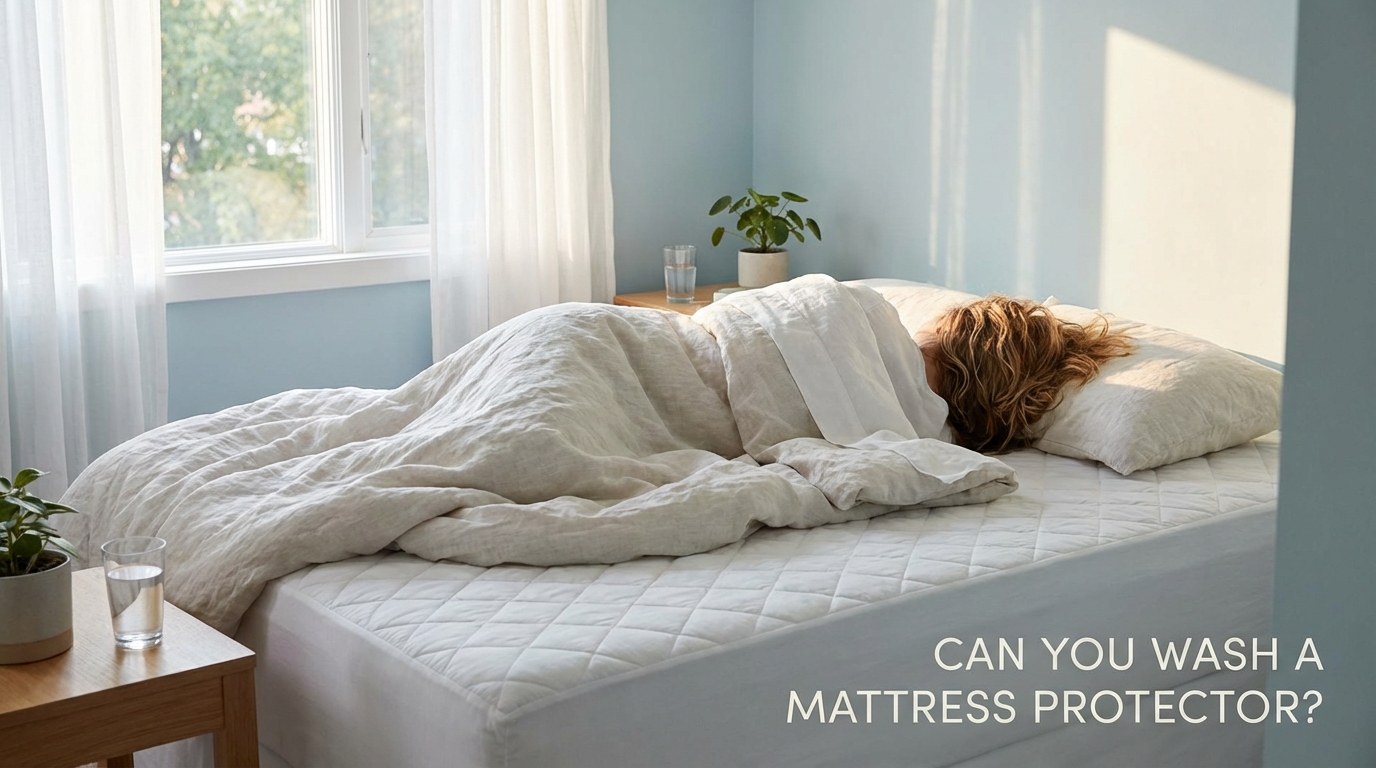
Once you understand the “why” behind mattress protector care, it helps to have a quick, practical checklist you can follow on laundry day. Use this as a reference to make sure you are hitting the most important points without overthinking every load.
- Read the care label for water temperature, cycle, and drying limits
- Inspect for damage or heavy staining before washing
- Pre treat stains with cool water and mild detergent or gentle stain remover
- Use a gentle cycle with cold or warm water and a mild, measured detergent
- Skip bleach, fabric softener, and harsh chemicals unless the label says they are safe
- Tumble dry on low heat or line dry until completely dry
- Check waterproof performance and fit periodically, and replace when needed
Keeping this simple checklist in mind turns protector care into a manageable routine rather than a guessing game. Over time, it becomes second nature, and you will notice that your bed feels fresher and your mattress stays in better shape.
How Clean, Protected Bedding Supports Better Sleep
Why your protector care routine is part of your sleep wellness
It is easy to think of mattress protector care as just a chore, something you do because you know you are supposed to. In reality, it is one piece of a bigger picture that affects how you sleep and how you feel during the day. According to sleep research summarized by organizations like the Sleep Foundation, people tend to sleep more soundly and report better rest in clean, comfortable sleep environments where temperature, humidity, and allergens are well managed.
A well cared for protector contributes on several fronts. It helps control moisture, keeping sweat and spills from soaking into your mattress, which in turn helps prevent odors and bacterial growth. It acts as a barrier against dust mites and allergens accumulating deep in hard to clean layers. For hot sleepers, pairing a breathable mattress, like a hybrid from our best hybrid mattresses collection, with a cooling protector and breathable sheets creates a more stable microclimate around your body.
There is also a mental component. Many people feel more relaxed and ready for sleep when their bed looks and smells fresh. You probably know the feeling of climbing into a bed with newly washed sheets. Extending that freshness to the layers you do not see, including your mattress protector, adds another layer of confidence. You are less likely to worry about stains, smells, or dust when you regularly care for the barrier that catches most of it.
As a sleepologist who has helped thousands of people choose mattresses and bedding, I see a pattern. The households that build simple, consistent routines around bedding care, including protectors, tend to get more years of comfortable use from their mattresses. They also have fewer allergy complaints linked to the sleeping environment. It is not about perfection. It is about choosing small, sustainable habits, like washing your protector every month or two and drying it gently, that quietly support your sleep every night.
If you are working to improve your overall sleep health, you might also consider matching your protector with other supportive accessories. A quality full body pillow, such as The BodyPillow by Tempur-Pedic, can help align your spine and reduce pressure when you sleep on your side, while a portable topper and pillow bundle like the Tempur-Pedic Mattress Topper and Travel Bundle makes it easier to create a clean, supportive surface even when you are away from home. All of these work together with your protector to create a sleep space that feels like a retreat instead of a source of stress.
Conclusion: Yes, You Can Wash A Mattress Protector, And Doing It Right Protects Your Sleep Investment
Caring for a mattress protector does not need to be confusing, and you do not have to choose between a truly clean bed and a long lasting waterproof barrier. Once you understand the basics of how protectors are built, why the care label matters, and which washer and dryer settings are safest, the routine becomes simple. Wash in cold or warm water on a gentle cycle, use a mild detergent, pre treat stains kindly, and dry on low heat or a line until everything is fully dry.
What is at stake is more than just a piece of bedding. A well maintained protector keeps sweat, spills, and allergens away from the heart of your sleep system, protecting both your health and the comfort of your mattress over time. Whether you sleep on a plush pillow top, a supportive hybrid, or a contouring foam mattress, pairing it with a protector that you wash properly extends its life and helps you breathe easier, literally and figuratively.
If your current protector is damaged, constantly slipping, or never quite smells fresh anymore, it may be time to upgrade to a more modern, easy care option. The Sleepology team is always happy to help you match a protector to your mattress and your laundry habits so you feel confident washing it regularly. With the right product and a straightforward washing routine, you can stop worrying about every spill and simply enjoy a cleaner, more comfortable bed night after night.
Frequently Asked Questions
Do I need to wash a new mattress protector before using it?
Yes, it is a good idea to wash a new mattress protector once before you sleep on it, as long as the care label confirms it is machine washable. Manufacturing and packaging can leave behind mild odors or residues that rinse out easily with a gentle first wash. Use a mild detergent, cold or warm water, and a delicate cycle, then dry according to the instructions. This quick step can improve initial softness and makes the protector feel more like part of your own bedding from the very first night.
What is the best temperature to wash a mattress protector at?
For most mattress protectors, cold or warm water is best. Warm water helps lift body oils and everyday dirt, while still being gentle on the waterproof backing and any special finishes. Cold water is the safest option for very delicate or cooling protectors that specify low temperatures. Reserve hot water for specific situations, such as dealing with mold or severe contamination, and only if your care label allows it. Using hot water routinely can shorten the life of the waterproof layer.
Can I put my waterproof mattress protector in the dryer?
In many cases, yes, as long as you use low heat and follow the care label. Tumble drying on low or delicate is acceptable for a lot of modern protectors, and some even recommend it to ensure everything dries thoroughly. Avoid high heat settings, which can damage the waterproof membrane. If your protector’s label says “line dry only,” respect that instruction and plan for extra drying time on a rack or clothesline. Always make sure the protector is completely dry before putting it back on your mattress.
Is it okay to use bleach or fabric softener on a mattress protector?
Usually, no. Most mattress protectors should not be washed with chlorine bleach or fabric softener unless the label specifically says they are safe. Bleach can weaken fibers and break down waterproof layers, while fabric softener can leave a coating that affects breathability and moisture wicking. If you need extra brightening or odor control, consider an oxygen based stain remover that is compatible with your fabric type, and always test in a small area first. A mild detergent plus an extra rinse is enough for most cleaning needs.
How do I get urine smell out of a mattress protector?
To tackle urine odor, act quickly if you can. Rinse the affected area under cool water, then pre treat with a mild detergent or enzyme based cleaner meant for biological stains. Let it sit for the time recommended on the product, then wash the entire protector on a gentle cycle with warm water and mild detergent. An extra rinse can help remove any lingering residue. If odor persists after drying, repeat the wash once more. Protectors that continue to smell even after careful cleaning may be ready for replacement, especially if the backing has started to break down.
Can I wash a mattress protector every week if I have allergies?
Yes, weekly washing is generally fine for a quality protector as long as you use gentle settings and avoid harsh chemicals. People with allergies, asthma, or very sensitive skin often benefit from washing protectors more frequently, since it helps remove dust mites, pet dander, and other allergens that collect in bedding. To support this routine, choose a protector specifically designed for regular washing, ideally one that notes hypoallergenic properties and easy care on its label, like the TEMPUR-Adapt Mattress Protector – Waterproof Mattress Cover, Hypoallergenic.
How do I know if my mattress protector is still waterproof?
There are a few signs to look for. First, inspect the backing for peeling, cracking, or flaking, which indicate the waterproof layer is deteriorating. Then, note how liquids behave during small spills or when you spot clean. If water used to bead up and now slowly soaks into the fabric, performance has likely declined. You can also perform a simple test by placing a towel under a small area of the protector, pouring a small amount of water on the surface, and waiting a few minutes. If the towel stays dry, your protector is still doing its job. If it gets damp, it may be time to replace the protector to keep your mattress fully protected.