

Can You Wash a Mattress Cover? A Complete, No‑Stress Guide From a Sleep Expert
You pull your sheets off to do laundry and stare at the mattress cover underneath. It looks a little dingy, maybe there was a late‑night spill a while back, and now you are wondering: can you actually wash a mattress cover, or will you ruin the waterproof layer and void a warranty. It is a confusing moment, especially if the tag feels cryptic or has half‑faded instructions.
This question matters more than most people realize. A mattress cover or protector is quietly catching sweat, skin oils, allergens, and the occasional accident. According to the Sleep Foundation, your sleep surface can accumulate sweat, dust mites, and skin cells that impact sleep quality and trigger allergies over time, which is why they emphasize both cleanliness and surface comfort for healthy sleep. Properly caring for your cover is one of the easiest ways to protect both your health and the mattress you invested in.
Here you will learn when you can safely wash a mattress cover in the machine, when you should not, and how to adjust your approach for different materials and waterproof membranes. You will see exact wash and dry settings, what to do about stains or accidents, and how often to wash if you have kids, pets, or allergies. Along the way, I will point out the kinds of protectors that are genuinely built to handle regular laundering, like the waterproof, breathable styles we use at Sleepology, so your sleep setup is cleaner and easier to maintain.
Most of all, I want you to feel confident, not nervous, when you throw that cover in the wash or choose a new one. With two or three small habits, you can keep your mattress fresh for eight to ten years without turning laundry day into a science project.
Mattress Cover Basics: What You Are Actually Washing
Before you decide how to wash a mattress cover, it helps to be clear about what you own. People use the terms cover, protector, topper, and pad interchangeably, but they are built very differently. That matters, because materials respond to wash and dry cycles in very different ways.
A typical mattress protector is a thin, fitted layer that wraps around the mattress like a deep pocket sheet. Most modern protectors are made from knit or woven fabric on top, often cotton or a polyester blend, and have a waterproof backing made from polyurethane or a similar membrane. That backing is what keeps sweat and spills from soaking into your mattress. When care instructions are followed, these are usually the easiest mattress covers to wash and dry at home.
Then there are quilted mattress pads and toppers, which focus more on comfort than waterproof protection. These might have a plush fiber fill, memory foam, latex, or down. They are often thicker, and not all are machine washable. For example, many all‑foam toppers can be damaged or torn in a standard washing machine, and down pads need specific cycles and low heat to avoid clumping. As TODAY’s cleaning experts have noted for foam pads, over‑aggressive washing can shred or weaken the structure, so spot cleaning is often safer for those thicker pieces.
If your mattress has a removable zippered cover built into the design, that is a third category. Many premium foam and hybrid mattresses now have zip‑off covers to help with surface cleaning. Some of those panels are designed to be machine washed, while others specifically warn against it, so the tag on the cover or the mattress owner’s manual becomes your primary guide.
The bottom line is simple. Yes, you can wash most mattress covers, but not every cover should be washed the same way. Think of the care tag as a small instruction manual for that specific product. In the next sections, we will walk through how to read those instructions, how to decode the fabric and waterproof layer, and what to do if the tag has disappeared over time.
“I always avoided washing our old mattress cover because I was scared of ruining the waterproof layer. Mia walked me through a routine over the phone and recommended a new protector that can handle regular washing. We went with the TEMPUR‑Adapt protector from Sleepology and I have already washed it six times with no issues.” – Lauren P., November
Can You Wash a Mattress Cover? The Clear, Honest Answer
The short answer is yes, in most cases you can wash a mattress cover safely, and you should. The more helpful answer is that the safest way to wash it depends on two things, the materials and the construction. When you understand those two pieces, you are much less likely to ruin the waterproof backing, shrink the fabric, or accidentally void a warranty.
Health organizations like the Cleveland Clinic point out that bedding that traps moisture and allergens can aggravate asthma and allergy symptoms, especially in people who are sensitive to dust mites. Mattress protectors are an important part of minimizing that exposure, but only if they are cleaned regularly so they do not become a buildup layer themselves. That is why most manufacturers design washable protectors that can tolerate gentle cycles and low heat.
The main concern people have is the waterproof membrane. Older vinyl‑backed covers could crack and peel with heat and harsh detergents, and some of those scars are still in people’s minds. Modern waterproof protectors typically use polyurethane membranes that are much more flexible and durable, but they still have limits. High heat in the dryer, bleach, or fabric softeners can all prematurely age that membrane, even if the protector looks fine on the outside.
So, the truthful guidance is this. If your mattress cover label says machine washable, you can wash it, as long as you respect the directions about temperature and cycle. If it lists “spot clean only” or you know it is a thick foam or delicate down pad, you need a different approach that relies on vacuuming, spot cleaning, and air drying. When tags are missing and you are unsure, erring on the side of cooler water, gentle cycles, and air drying gives you the best chance of preserving the structure.
How Often Should You Wash A Mattress Cover?
Frequency is where a lot of people underestimate what is happening in their beds. The Sleep Foundation notes that most adults sweat at night, even if they feel comfortable, and that sweat, combined with skin oils and microscopic debris, can feed dust mites and bacteria over time. Sheets catch some of it, but not all of it.
For most healthy adults in a typical home, washing a mattress protector or washable cover every one to two months is a reasonable baseline. If you live in a hot climate, sleep hot, or share your bed with pets, monthly washing is usually better. If someone in the home has allergies, asthma, or eczema, washing every two to four weeks can be part of a broader allergy management plan along with encasements and HEPA filtration.
Households with young children, incontinence, or frequent spills will need more active management. Any time there is a visible spill, accident, or body fluid on the cover, you want to wash it as soon as possible. That protects both hygiene and the mattress underneath; the longer liquid sits, the more likely it is to work its way past fabric stitching or microscopic holes.
At Sleepology, I tend to give people a simple rule of thumb. If you would be slightly embarrassed to have someone else see your mattress cover right now, it is time to wash it. Pairing that with a protector built for repeated laundering, like the TEMPUR‑Adapt Mattress Protector – Waterproof Mattress Cover, Hypoallergenic, makes the routine easier because you know it is designed with washing in mind.
Step By Step: How To Wash A Standard Waterproof Mattress Protector

Let’s start with the most common scenario, a modern waterproof mattress protector made with a soft fabric surface and a thin waterproof backing. These are the fitted protectors many people buy for kids’ beds, guest beds, and new mattresses to protect against spills and stains.
The very first step is always to check the care label. That small tag is your best source of truth about maximum water temperature, whether bleach is allowed, and how the manufacturer tested the product. If the label says “cold water only” or “tumble dry low,” it is giving you boundaries that protect the waterproof layer and seams. Even if a generic guide says “warm water is fine,” your specific protector might have adhesives or fibers that do better in cooler water.
Most waterproof protectors prefer cold or warm water and a gentle or delicate cycle. High agitation is not usually necessary, because the protector does not get as deeply soiled as heavy clothing. A mild, liquid laundry detergent without bleach or whitening additives is ideal. Bleach and strong oxidizing agents can break down the waterproof backing faster, reducing its ability to block moisture. Fabric softeners, especially liquid ones, can also leave a coating that interferes with breathability and moisture wicking.
When you load the protector into the washer, give it space to move. Overstuffing the washer with sheets and towels wrapped around the protector can prevent thorough rinsing and can stress the elastic edges. It is fine to wash the protector with a few sheets or lightweight items, but try not to pack the drum full. For front loaders, loosely draping the protector around the drum helps water and detergent circulate evenly.
Once the cycle finishes, avoid letting the protector sit in a damp heap for hours. That is when musty odors can develop. Move it promptly to the dryer or to a drying rack and shake it out so it is not twisted. The goal is to keep the waterproof backing intact, the surface fibers smooth, and the elastic edges in good shape, so the protector continues to fit snugly and do its job without bunching.
“We followed Mia’s washing tips for our kids’ waterproof covers and avoided using hot water or bleach like we used to. Two years in, the protectors from Sleepology still feel soft and fully waterproof, and our Sealy hybrid mattress underneath looks brand new.” – Jared S., October
Drying A Mattress Protector Without Ruining The Waterproof Layer
Drying is where most of the damage happens. You can wash a mattress protector perfectly, then undo your hard work by blasting it with high heat or over‑drying it. The waterproof membrane is essentially a thin film bonded to fabric, and like many plastics, it has limits for how much heat it can handle before it starts to harden, crack, or separate.
Most manufacturers of waterproof protectors recommend either air drying or tumble drying on low heat. If your label gives a specific symbol or temperature range, follow that. As a rule of thumb, if you can safely touch the items in your dryer without pulling your hand back from heat, you are in a good range for most protectors. Super hot dryer settings that are meant for heavy cotton towels are usually too aggressive.
Air drying on a rack or clothesline is the gentlest option and often extends the life of the protector. If you hang it, try to support it in more than one place so the elastic edge is not bearing all the weight while wet. You can drape it over two or three lines or lay it flat on a drying rack. Flipping it halfway through helps it dry evenly, especially on thicker quilted models.
When you do use a dryer, low heat and a shorter cycle are best. You can always check the protector mid‑cycle. If it feels mostly dry but slightly cool, it will finish drying quickly over a chair or rail. Some protectors specifically warn against ironing or using steam, because direct concentrated heat can damage the backing. Even if the top fabric seems fine, the waterproof layer underneath might be slowly deteriorating.
Drying time is also crucial from a health perspective. The American Academy of Dermatology and other medical groups highlight that warm, damp textiles can be a breeding ground for mold and mildew. You want your protector fully dry, top and bottom, before it goes back on the mattress. If it still feels cool or slightly clammy in spots, give it more time. It is much easier to run an extra dry cycle than to deal with a musty smell deeply absorbed into fabric layers.
Finally, be cautious about dryer balls or tennis balls if your protector is very thin and light. They are great for fluffing thicker pads, but in some cases they can cause extra friction against a thin membrane. If in doubt, skip them for protectors and save them for duvets and comforters instead.
Special Situations: Handling Spills, Stains, And Accidents
Life happens in bed, from coffee in the morning to kids climbing in after a nightmare. Stains and accidents on a mattress cover are not a failure, they are proof the protector is doing its job. The key is responding in a way that removes the stain without pushing liquids through seams or damaging the fabrics.
When a spill or accident happens, remove surface liquid quickly with a clean, absorbent towel. Blot, do not rub, so you are lifting moisture up rather than pushing it sideways. If the protector has a visible puddle, you can lay another dry towel on top and gently press to wick as much liquid as possible. Once surface moisture is under control, peel the protector off the mattress, being careful not to let it sag and drip onto the floor.
For fresh stains on a washable protector, a cool or lukewarm rinse under the tap can help dilute and remove some of the discoloration before the wash. Then apply a small amount of liquid detergent or an enzyme‑based stain remover to the stained area, gently working it in with your fingers or a soft brush. Many cleaning experts, including those quoted by TODAY, recommend enzyme cleaners for protein‑based stains like urine or blood, because they help break down the molecules before washing.
If your protector is not machine washable or if the stain is localized, spot cleaning is your friend. Mix a small amount of mild detergent in warm water, dampen a clean cloth, and blot the stain in a circular motion from the outside in. You can follow with a second cloth dampened with clean water to “rinse” the area. Sprinkle a little baking soda on the damp spot afterward, let it sit to absorb moisture and odor, and vacuum it once everything is dry.
The mattress underneath also deserves a quick check. Even with a waterproof protector, seams and edges can be vulnerable. If you see any moisture on the mattress surface, blot it gently with a dry towel. For foam mattresses, never saturate the foam with water in an attempt to clean; excessive moisture can damage the structure and invite mold. A light mist of enzyme cleaner followed by careful blotting is usually enough. High quality protectors, like the TEMPUR‑Breeze Mattress Protector – Cooling, Waterproof, Breathable Cover, are engineered so that most spills stay entirely on the cover, leaving the mattress pristine.
Once everything is rinsed or treated, wash the protector as soon as practical within the recommended settings. Allow enough drying time before reassembling the bed. If you only own one protector and need the bed again that night, using a fan near the drying area can speed things up without blasting the cover with damaging heat.
Different Mattress Cover Types And How To Wash Each One
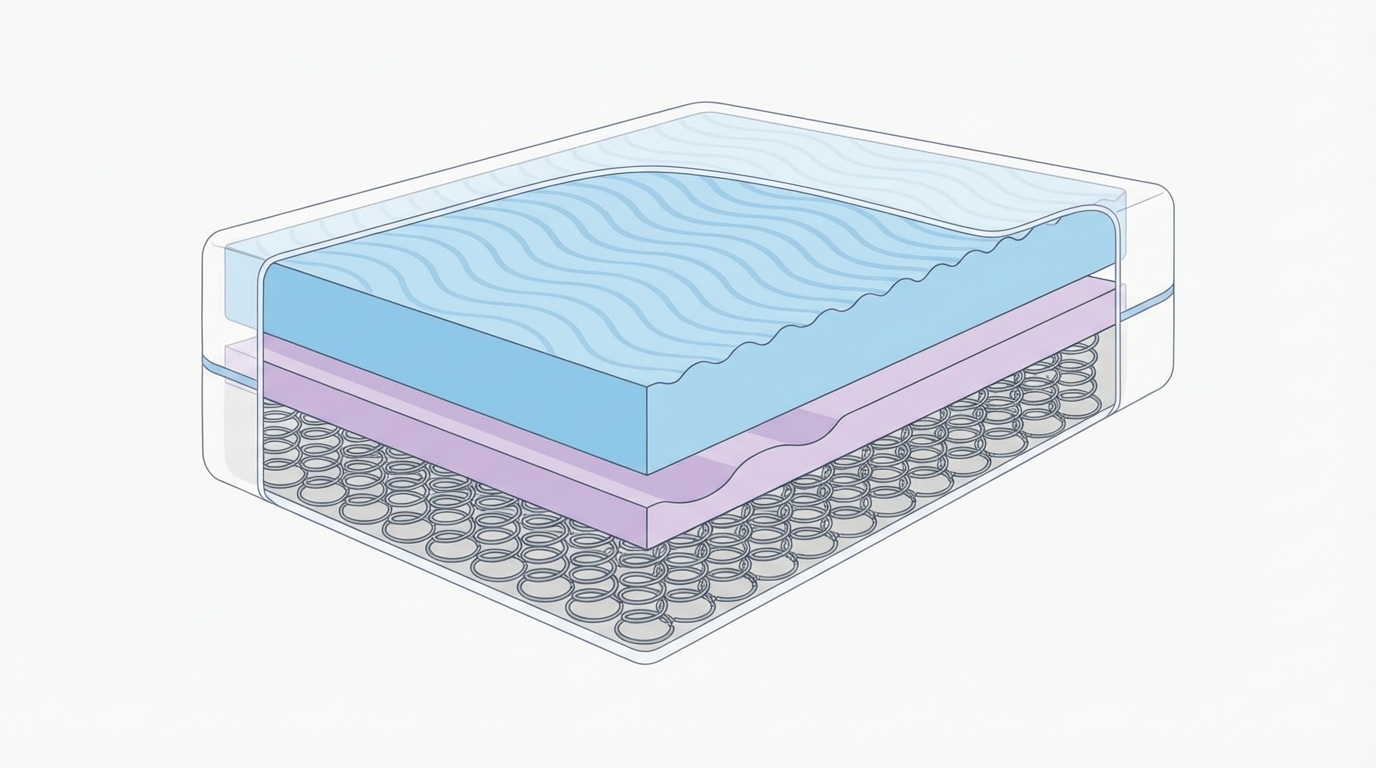
Not all mattress covers are created equal. The care routine that works beautifully for a thin waterproof protector might be risky for a thick memory foam topper or a down‑filled pad. Let’s break down the main types you are likely to see and how to handle each safely.
Thin waterproof fitted protectors are the workhorses for many households. As described earlier, these usually tolerate machine washing on gentle with cold or warm water and tumble drying on low or air drying. Their main enemies are high heat and harsh chemicals that can degrade the membrane. As long as you respect those limits, these protectors give you the most straightforward, low‑maintenance routine.
Quilted fiberfill mattress pads sit in the middle. They often have a soft, padded feel with polyester or cotton fill inside, plus an optional waterproof layer. Most of them are also machine washable, but they can be heavier and may trap more water in the padding. That means you may need an extra spin cycle or a longer dry on low heat to avoid damp pockets. Checking seams and stitch lines periodically is smart, because that is where fill can shift or clump if drying is uneven.
All‑foam or egg crate toppers are more delicate. As TODAY’s cleaning experts and many manufacturers agree, foam does not tend to hold up well in standard washing machines. Agitation and wringing can tear the foam, and high heat can deform it. Instead, vacuuming both sides to remove dust, then spot cleaning stains with an enzyme solution and plenty of air drying, is usually the safest path. If an entire foam topper becomes heavily soiled, replacement is often more realistic than deep washing, especially if it is relatively inexpensive.
Down or feather mattress pads can sometimes be washed in large front‑loading machines, following the same basic care as a down comforter, but they demand attention. You will typically use cool water, a gentle cycle, a small amount of down‑specific detergent, and a very thorough dry with periodic fluffing to prevent clumps and mildew. Multiple dry cycles on low heat are common. If you do not have access to a large capacity washer and dryer, a local laundromat may be a better place for this job.
Last, there are zippered encasements that fully surround the mattress for bed bug or dust mite control. Many of these are washable, but because they are part of a bigger allergy and pest control strategy, you want to follow the manufacturer recommendations closely. The Asthma and Allergy Foundation of America notes that allergen‑proof encasements should be washed periodically to remove dust and skin cells from the outer surface, but the exact frequency and temperature depend on the product.
If you are replacing or upgrading any of these layers, it is worth choosing products whose care instructions match your lifestyle. For example, if you want straightforward, frequent washing and cooling comfort, a waterproof protector with breathable fabric like the TEMPUR‑Breeze Mattress Protector – Cooling, Waterproof, Breathable Cover will be easier to care for than a bulky foam pad. Pairing that with breathable sheets, such as a Tempur‑Pedic TEMPUR Adapt Luxe Egyptian Cotton Sheet Set, creates a surface that feels great and can be laundered routinely without stress.
Comparison Table: Common Mattress Cover Types And Care At A Glance
Sometimes it helps to see everything side by side. Here is a quick comparison of the most common mattress cover types and how they respond to washing and drying.
| Cover Type | Typical Wash Method | Typical Dry Method | Best For |
|---|---|---|---|
| Thin waterproof fitted protector | Machine wash, cold or warm, gentle cycle | Tumble dry low or air dry | Everyday spill and sweat protection |
| Quilted fiberfill pad, optional waterproof | Machine wash, gentle, cool to warm water | Low heat, longer cycle or air dry | Added cushioning plus basic protection |
| All‑foam or egg crate topper | Spot clean only, vacuum regularly | Air dry flat after spot cleaning | Pressure relief and comfort, less about spills |
| Down or feather mattress pad | Large front loader, cool, down‑safe detergent | Low heat, multiple cycles, fluffing | Plush, luxurious feel with light protection |
| Full mattress encasement (allergen/bed bug) | Often machine wash, check label, gentle cycle | Air dry or low heat if allowed | Allergy reduction, pest protection, full coverage |
This table is a general guide, not a substitute for the specific instructions on your care label. When your tag disagrees with the table, listen to the tag, because it knows the exact materials and stitching used in your product.
What If The Care Tag Is Missing Or Unreadable?
Real life detail: tags fade, tear off, or end up unreadable after years of laundering. If you have a mattress cover and genuinely cannot find or read the care instructions, you can still make a smart, low‑risk call on how to wash it.
First, look closely and feel the materials. If the top feels like a standard knit or woven fabric and the back has a slightly rubbery or laminated feel, you are likely dealing with a polyurethane‑backed protector. If it feels thick, squishy, and obviously like foam, then it is a foam topper. If you can feel loose filling moving around when you press it, it is probably a fiberfill or down pad.
For a cover that appears to be a standard waterproof protector without heavy fill, the safest default is to wash on cold water, gentle cycle, with mild detergent, and then air dry or tumble dry on low. Avoid bleach, fabric softeners, and high heat. That routine is gentle enough for almost every modern protector but still effective at removing sweat and light staining. If you hear obvious crinkling that suggests older vinyl, air drying is even more important, since high heat makes vinyl brittle.
If you suspect you have a foam topper, or the cover feels very thick and you are unsure whether there is foam inside, treat it as if it were foam. That means vacuuming, spot cleaning, and air drying flat rather than submerging it or packing it into a washer. Foam that tears or compresses permanently will not recover, and there is no practical way to rebuild its structure once damaged.
When the stakes are high, such as a very expensive topper or a built‑in mattress cover that might impact a manufacturer warranty, it can also be worth checking the brand name on any remaining tag or the mattress itself and looking up the care guide online. Many brands keep digital copies of owner’s manuals or care instructions on their websites. You can also call a retailer like Sleepology for guidance. Our team regularly helps people identify what they own based on a description or photo and suggests the safest cleaning plan.
How Mattress Covers Protect Your Mattress Investment
It is easy to treat mattress covers as accessories, but for most households, they are essential protective gear. A high quality mattress is a long‑term investment in your health and comfort. The National Sleep Foundation emphasizes that a supportive and comfortable mattress is one of the foundations of healthy sleep, which in turn affects everything from mood to heart health. Protecting that investment from preventable damage is both practical and smart.
Sweat, skin oils, and accidental spills can slowly work their way into mattress foams and fibers. Once inside, they are extremely hard to remove without professional help, and sometimes not at all. Over time, moisture can oxidize foam, leading to premature softening or breakdown, and can encourage the growth of odor‑causing bacteria or mildew. Stains can also void certain mattress warranties, because they suggest exposure to bodily fluids or inadequate protection.
A good waterproof cover acts like a shield that catches the mess where you can actually reach it. It is much easier to wash a protector or even replace it every few years than to replace a full mattress. In practice, you may spend tens or low hundreds of dollars on protectors across the life of a mattress and save yourself thousands by avoiding an early replacement.
This is especially important for premium foam and hybrid mattresses, such as the Sealy Posturepedic Elite Soft Hybrid Mattress – Brenham II. These mattresses are designed to contour closely to your body, which means they are more affected by changes in foam density and cleanliness. A well‑fitted waterproof protector and breathable sheets help maintain that like‑new feel for far longer, because the surface layers stay cleaner and drier.
High quality protectors are also more comfortable than older plasticized versions. Breathable waterproof membranes and soft fabric tops mean you can enjoy the feel of your mattress without the crinkly, hot sensation many people remember from early waterproof pads. At Sleepology, we often pair breathable protectors with performance sheets, like the Tempur‑Pedic ProPerformance Sheet Set, for people who sleep warm and need both protection and airflow.
“We bought a new hybrid mattress at Sleepology and took Mia’s advice on a breathable waterproof cover. Two years later, our kids have spilled juice, the dog had an accident, and I had one middle‑of‑the‑night tea disaster. The protector has taken every hit. When we peeked under it, the mattress looked exactly like day one.” – Dana R., December
Common Washing Mistakes That Shorten A Mattress Cover’s Life
Knowing what not to do is just as important as knowing the right steps. A few very common habits can dramatically shorten the life of your mattress protector or cover, even if you are washing it regularly.
The first big mistake is using high heat in the dryer. People are often tempted to throw bedding in on the hottest cycle to “sanitize” it or to finish drying faster. Unfortunately, that intense heat is one of the fastest ways to ruin a waterproof backing. Over time, it can cause the membrane to peel, crack, or separate from the fabric. You may not notice an issue until a spill suddenly soaks through, but the damage has been building under the surface.
The second mistake is adding bleach or strong whitening agents. Bleach is harsh on synthetic fibers and can weaken elastic, stitching, and membranes. While it may feel satisfying to see stains fade, the tradeoff in durability is rarely worth it, especially when enzyme cleaners or oxygen‑based stain removers can often do the job with less risk. Consumer resources like Consumer Reports commonly recommend avoiding regular bleach use on performance fabrics for this reason.
Fabric softeners are another quiet culprit. Liquid softeners coat fibers with a thin film to change how they feel against the skin. On a mattress protector, that coating can interfere with breathability and moisture wicking, making the bed feel hotter or less comfortable. On some waterproof fabrics, softeners can also build up over time, affecting how moisture interacts with the surface. Dryer sheets are somewhat gentler but can still leave residues; if you love them for other laundry, consider skipping them for protectors.
Overloading the washer is a more mechanical hazard. Jamming a heavy protector and lots of sheets and towels into a small drum can stress seams and elastic as everything twists and compresses together. It also makes rinsing less effective, which means detergent and stains may not fully wash out. Giving your mattress cover a bit of space in the drum improves both cleaning and longevity.
Finally, storing the protector damp or half‑dry can invite mildew. Even if the product looks clean when you fold it, any remaining moisture deep in its layers can harbor odor‑causing microbes. Always confirm that your cover is completely dry, top and bottom, before you put it back on the bed or into a linen closet.
How Mattress Covers Fit Into A Healthy Sleep System
Washing your mattress cover is one piece of a larger puzzle, which is building a sleep system that supports your body, protects your mattress, and is easy to maintain. When everything works together, from the base to the pillow, you spend less time troubleshooting and more time actually resting.
Start with the mattress itself. Materials like memory foam, latex, and advanced hybrid coils all respond differently to moisture and heat. Foam mattresses, such as those in our curated Best Foam Mattresses collection, benefit greatly from a breathable yet waterproof protector, because foam is particularly vulnerable to deep liquid penetration. Hybrids from our Best Hybrid Mattresses lineup combine coils with comfort layers that also appreciate staying clean and dry.
Above the protector, sheets handle the bulk of skin contact. That means choosing textiles that wash well, dry quickly, and feel good against your skin. High quality cotton and performance fibers, like those in Tempur‑Pedic sheet sets, are designed for repeated laundering. A well‑washed sheet set creates a comfortable interface, so the waterproof layer underneath can do its job quietly.
Pillows and pillow protectors also deserve attention. If you invest in a specialty pillow like The BodyPillow by Tempur‑Pedic, pairing it with a washable cover and laundering it regularly helps maintain support and hygiene. The same laundry habits you have developed for your mattress cover, such as mild detergents and appropriate heat, apply here as well.
If health issues are part of your sleep story, a clean sleep surface becomes even more critical. Allergy and asthma sufferers, people with eczema or sensitive skin, and anyone recovering from illness may need to be more diligent with wash frequency. The Mayo Clinic notes that minimizing exposure to dust mites and irritants can help reduce flare ups of allergy and asthma symptoms, and bedding is one of the most direct points of exposure. Mattress covers that are easy to wash let you follow medical recommendations without turning your bedroom into a laundry war zone.
In practice, a “healthy sleep system” is not about perfection. It is about small, repeatable habits. Washing your mattress cover on a reasonable schedule, using wash settings that respect its materials, and choosing products that are made for real life all pull in the same direction: better sleep, less hassle, and a mattress that lasts as long as it should.
Conclusion: Clean Mattress Cover, Clear Mind, Better Sleep
By now, you can see that the question “can you wash a mattress cover” is really about confidence. You absolutely can wash most covers, and when you do it thoughtfully, you protect both your health and your mattress investment. Whether you are dealing with a simple waterproof protector or a more complex pad or topper, understanding the materials and following a few gentle rules keeps everything in good shape.
The most important takeaways are simple. Always start with the care label whenever you have it. Treat the waterproof membrane with respect by avoiding high heat and harsh chemicals. Respond to spills promptly to prevent stains and protect the mattress underneath, and aim for a regular washing rhythm that fits your household, from monthly cleaning for busy family beds to more frequent cycles for allergy‑prone sleepers.
If you are realizing that your current cover is hard to wash, uncomfortable, or nearing the end of its effective life, this is a good time to upgrade to a protector that fits your real‑world habits. At Sleepology, we help people pair the right protectors, sheets, and mattresses every day, so laundry day feels manageable and your sleep setup stays fresh and supportive. A clean, well‑cared‑for mattress cover is a small detail that quietly supports every night’s rest, and you deserve that peace of mind.
Frequently Asked Questions
Can you put a mattress protector in the washing machine?
Most modern mattress protectors are designed to be machine washable, as long as you follow the care label. Typically, that means using a gentle cycle with cold or warm water and a mild detergent. Avoid bleach and fabric softener, which can damage waterproof membranes. If your protector is thick, quilted, or very large, make sure your washer has enough capacity so it is not tightly packed, which can stress seams and limit proper rinsing.
What temperature should I use to wash a mattress cover?
Unless your care label specifies a hotter setting, cold to warm water is usually safest. Cool or warm water is effective at removing sweat and body oils without shrinking fabrics or stressing waterproof layers. Some allergen‑proof encasements and specialized covers may allow or even recommend occasional hot water washes to reduce dust mites, but that is only safe if clearly stated on the tag. When in doubt, start cooler and rely on regular washing rather than extreme temperatures.
Can I dry my mattress protector in the dryer, or should I air dry it?
You can usually dry a mattress protector in the dryer, but low heat is key. Tumble drying on low or air‑fluff settings helps protect the waterproof backing and elastic edges. Air drying on a rack or clothesline is the most gentle option and may extend the life of the protector even further. Whichever method you use, make sure the cover is completely dry, top and bottom, before putting it back on the mattress to avoid mildew and odor.
How often should I wash a mattress protector if I have allergies?
If you have allergies or asthma, washing your mattress protector every two to four weeks is a good target, along with weekly sheet changes. Regular laundering removes dust mites, skin cells, and allergens that settle on the bed surface. For severe allergies or during peak seasons, you might increase that to weekly washes. Choosing an easy‑to‑wash protector and pairing it with allergy‑friendly bedding from a collection like Pillows, Sheets, Toppers, Protectors makes sticking to that schedule more realistic.
What should I do if my mattress cover has a strong urine or vomit smell?
For strong biological odors, quick action and enzyme cleaners make a big difference. Start by blotting up as much moisture as possible with dry towels. Rinse the affected area of the cover with cool water if it is machine washable, then treat the spot with an enzyme‑based laundry stain remover, letting it sit for the time recommended on the product. After that, wash the protector on a gentle cycle with mild detergent and an extra rinse. If the cover is not machine washable, rely on spot cleaning with enzyme solution and very thorough air drying. In some cases, especially after repeated accidents, replacing the protector is the most effective way to fully eliminate odors.
Is it okay to wash a mattress cover with sheets and other bedding?
It is usually fine to wash a mattress cover with sheets and lightweight bedding, as long as you do not overload the washer. Give the protector enough space to move freely so water and detergent can circulate. Avoid combining it with heavy items like blankets or jeans that can twist it tightly or put strain on the elastic edges. When you wash with sheets, choose settings that are safe for the most delicate item in the load, which is usually the protector.
When is it time to replace a mattress protector instead of just washing it?
Signs that it is time to replace a protector include visible cracking or peeling of the waterproof backing, persistent odors that remain after washing, significant thinning or pilling of the fabric, and repeated leaks that have reached the mattress. If you notice that spills are no longer contained on the surface or that the protector bunches and no longer fits snugly, its protective value is reduced. In that case, investing in a new, washable protector that matches your sleep style and care routine is a smart move to keep your mattress in good condition for years to come.