

Have you ever wondered why a simple sound can turn a restless night into hours of peaceful, uninterrupted sleep? If you've ever found yourself tossing and turning, unable to quiet your mind or block out disruptive noises, you're not alone. Millions of people struggle with poor sleep quality every night, and many are turning to an unexpected solution: white noise. But can something as straightforward as consistent background sound really transform your sleeping habits?
White noise for sleep has become increasingly popular in recent years, and for good reason. This gentle, constant sound has helped countless individuals achieve better sleep by masking disruptive environmental noises and creating a soothing auditory environment. Whether you live in a noisy apartment building, have a partner who snores, or simply can't turn off your racing thoughts at bedtime, white noise might be the sleep improvement tool you've been searching for.
The beauty of white noise lies in its simplicity. Unlike medications or complicated sleep rituals, a white noise machine requires nothing more than plugging it in and pressing a button. Yet the science behind how white noise works is fascinating and backed by substantial research. When you understand the white noise benefits and how this sleep sound therapy actually affects your brain, you'll see why so many sleep experts recommend it as a first-line approach for improving sleep habits.
In this comprehensive guide, I'll walk you through everything you need to know about using white noise for better sleep. From the science behind how white noise affects your sleep quality to practical tips for incorporating it into your bedtime routine, you'll gain a complete understanding of this powerful sleep tool. We'll explore the differences between various types of sound therapy, address common concerns and misconceptions, and help you determine whether a white noise machine is right for you.
Whether you're dealing with occasional sleep disturbances or chronic insomnia, the information you're about to read could be the key to finally getting the restorative sleep your body needs. Let's explore how white noise can become your secret weapon for transforming restless nights into peaceful, rejuvenating sleep.
Key Takeaways
- White noise creates consistent background sound that masks disruptive noises for better sleep
- Sleep sound therapy using white noise can improve sleep quality and reduce nighttime awakenings
- White noise machines offer customizable options for personalizing your sleep environment
- Combining white noise with proper sleep hygiene maximizes sleep improvement results
- Understanding how white noise works helps you use it effectively in your bedtime routine
Understanding the Power of White Noise for Better Sleep
When it comes to achieving quality sleep, your environment plays a critical role. While most people focus on finding the perfect mattress, like a comfortable Sealy Spring Bloom Medium Mattress or supportive pillow, they often overlook the acoustic environment of their bedroom. This is where white noise for sleep becomes incredibly valuable.
The power of white noise lies in its ability to create a consistent auditory blanket that shields you from the unpredictable sounds that can disrupt your sleep. Think about it: your brain is designed to detect changes in your environment, especially when you're sleeping. A sudden car horn, a neighbor's footsteps, or even the hum of a refrigerator turning on can jolt you from deep sleep into a lighter stage, fragmenting your rest throughout the night.
White noise works by providing your brain with a steady, predictable sound pattern. Instead of constantly monitoring your environment for potential threats or changes, your brain can relax into this consistent backdrop. It's similar to how the sound of ocean waves or rainfall can be soothing—your mind recognizes the pattern as safe and non-threatening, allowing you to drift into deeper, more restorative sleep.
What makes white noise particularly effective for sleep improvement is its unique ability to mask other sounds without becoming a distraction itself. Unlike music or television, which your brain actively processes and can actually interfere with sleep, white noise fades into the background. It becomes part of your sleep environment rather than something that demands your attention.
The white noise benefits extend beyond simply blocking out disruptive sounds. Many people find that white noise helps quiet their internal dialogue as well. If you're someone whose mind races when your head hits the pillow, the consistent sound of white noise can give your brain something neutral to focus on instead of your worries or to-do lists. This mental shift can be the difference between lying awake for hours and falling asleep within minutes.
Research has shown that sleep sound therapy, particularly with white noise, can be especially helpful for people who are light sleepers or those who live in noisy environments. Urban dwellers, parents of young children, and anyone sharing sleeping space with a partner who snores can find relief through white noise. The key is understanding that better sleep isn't just about what you sleep on—though a quality Sealy High Point Soft Hybrid Mattress certainly helps—it's also about creating the right sensory environment for your body to relax completely.
When you combine proper sleep support from a quality mattress with an optimized acoustic environment using white noise, you're setting yourself up for the kind of deep, restorative sleep that leads to better mood, improved cognitive function, and enhanced overall health. This holistic approach to sleep habits recognizes that every element of your sleep environment matters, and white noise is one of the most accessible and effective tools available for sleep improvement.
What Exactly Is White Noise and How Does It Work?
Before you can fully appreciate the white noise benefits for your sleep habits, it's important to understand exactly what white noise is and the mechanics behind how it functions. White noise isn't just any random sound—it has specific characteristics that make it uniquely effective for sleep sound therapy.
In technical terms, white noise is a type of sound that contains all frequencies audible to the human ear at equal intensity. Imagine every possible tone your ears can detect, from the lowest rumble to the highest pitch, all playing simultaneously at the same volume. The result is a consistent "shhhh" sound that many people describe as similar to static on an old television or radio, or the sound of a steady rainfall.
The way white noise works to improve your sleep quality is both simple and scientifically fascinating. Here's what happens when you introduce white noise into your sleeping environment:
- Sound masking occurs when white noise covers up irregular environmental noises. Instead of your brain detecting every little creak, bang, or voice in your surroundings, these sounds blend into the consistent white noise backdrop, becoming imperceptible.
- Your auditory system receives continuous, predictable input. This consistency signals to your brain that the environment is stable and safe, allowing your nervous system to shift into relaxation mode more easily.
- The startle response that disrupts sleep gets minimized. Sudden noises typically cause a spike in cortisol and adrenaline, jolting you awake. White noise reduces the contrast between silence and sudden sounds, preventing this stress response.
- Your brain's arousal threshold increases during sleep. With white noise creating a baseline sound level, it takes a louder or more unusual noise to actually wake you, meaning you stay in deeper sleep stages longer.
- A conditioned response develops over time. As you regularly use white noise for sleep, your brain begins to associate this sound with bedtime, making it a powerful sleep cue that helps you fall asleep faster each night.
The genius of how white noise works is that it doesn't add more noise to your environment in a disruptive way—instead, it creates a sonic shield. Think of it like the way a Sealy Memory Foam Supportive Pillow cushions your head and neck from uncomfortable pressure points. White noise cushions your ears and mind from jarring acoustic pressure points.
A white noise machine generates this sound electronically, creating a smooth, continuous output that remains constant throughout the night. Unlike fan sounds or air conditioner hum, which can fluctuate, a dedicated white noise machine provides unwavering consistency. This reliability is what makes it so effective for sleep improvement—your brain can truly relax knowing the sound won't change unexpectedly.
What's particularly interesting is that white noise doesn't just work on a physical level—it also has psychological effects. Many people report that white noise helps them feel more secure and less alone, especially when sleeping by themselves. The gentle background sound creates a sense of presence that can be comforting, much like how a child might feel safer sleeping with a nightlight.
The Science Behind Sleep Sound Therapy: How White Noise Affects Sleep Quality
The effectiveness of white noise for sleep isn't just anecdotal—it's supported by substantial scientific research that explains exactly how this sleep sound therapy impacts your brain and body. Understanding the science behind white noise benefits can help you appreciate why this simple tool has become so widely recommended by sleep specialists and healthcare professionals.
When you're trying to fall asleep, your brain goes through a transition period where it shifts from active, alert wakefulness to the first stage of light sleep. During this vulnerable period, your brain remains somewhat vigilant, scanning your environment for potential threats or changes. This evolutionary response once kept our ancestors safe from predators, but in modern times, it often just keeps us frustratingly awake.
"After years of struggling with light sleep and frequent nighttime awakenings, I started using a white noise machine based on my doctor's recommendation. The difference was remarkable—I went from waking up 4-5 times per night to sleeping through until morning. My sleep quality improved so much that I noticed better energy levels and mood throughout my days. Combined with my comfortable Sealy mattress, it's transformed my entire approach to sleep." – Sarah M., verified sleeper, March 2024
Research published in sleep medicine journals has demonstrated that white noise can significantly reduce the time it takes to fall asleep, a measurement known as sleep latency. In studies with participants in noisy hospital environments, those exposed to white noise fell asleep faster and experienced fewer sleep disruptions than those without it. The white noise essentially leveled the acoustic playing field, preventing sudden sounds from triggering the arousal response that pulls you out of sleep.
The impact on sleep architecture—the structure and pattern of your sleep cycles—is equally impressive. Quality sleep involves cycling through different stages, including light sleep, deep sleep, and REM (rapid eye movement) sleep. Each stage serves important functions for physical recovery, memory consolidation, and emotional regulation. When disruptive noises fragment your sleep, you may not spend enough time in these deeper, more restorative stages.
White noise helps protect these crucial sleep stages by maintaining acoustic consistency. Studies using polysomnography, which measures brain waves during sleep, have shown that people using white noise spend more time in slow-wave sleep—the deepest, most physically restorative stage. This is the sleep stage where your body repairs tissues, builds muscle and bone, and strengthens your immune system. Just as a supportive Sealy Paterson Medium Hybrid Mattress provides the physical foundation for quality rest, white noise provides the acoustic foundation.
The neurological mechanisms at play are fascinating. Your brain's auditory cortex processes sounds continuously, even during sleep. When it detects an unexpected change in sound—like silence suddenly broken by a noise—it sends signals to other brain regions that increase alertness. White noise minimizes these alerting signals by reducing the contrast between baseline sound levels and environmental noises. It's not that you can't hear anything over white noise; rather, the sudden changes that trigger awakening become less dramatic.
For people with insomnia or anxiety-related sleep problems, the white noise benefits extend into psychological territory. The predictability and control that a white noise machine offers can reduce bedtime anxiety. Knowing you have a tool to manage your acoustic environment empowers you and removes one variable that might otherwise fuel worry about whether you'll be able to sleep. This psychological shift, combined with the physiological effects, creates a powerful sleep improvement strategy.
There's also evidence that white noise may help with tinnitus, the perception of ringing or buzzing in the ears that affects millions of people and can severely disrupt sleep. By providing external sound stimulation, white noise can make the internal sounds of tinnitus less noticeable, similar to how you might not notice your own breathing until someone points it out. This masking effect offers relief that allows tinnitus sufferers to finally experience better sleep.
The cumulative effect of consistent white noise use over time should not be underestimated. As you establish better sleep habits with regular use of sleep sound therapy, your body's circadian rhythm—your internal biological clock—becomes more regulated. You begin falling asleep more quickly, staying asleep more consistently, and waking feeling more refreshed. This positive cycle reinforces itself, leading to sustained sleep improvement that impacts every aspect of your daily life.

Why White Noise Beats Other Colors of Noise for Sleep
When it comes to choosing the right sound for sleep improvement, white noise stands out from other colors of noise for several important reasons. While pink noise, brown noise, and other variations have their place in sleep sound therapy, white noise offers unique advantages that make it the go-to choice for millions of people struggling with sleep habits.
White noise works by creating a consistent auditory blanket that masks disruptive sounds throughout the night. Unlike pink or brown noise, which emphasize lower frequencies, white noise contains all audible frequencies at equal power. This makes it incredibly effective at blocking out sudden sounds that might wake you up, like a neighbor's door slamming, traffic noise, or a partner's snoring. The even distribution of sound frequencies in white noise creates a predictable, stable environment that your brain can easily tune out, allowing you to drift into deeper, more restorative sleep.
The effectiveness of white noise for sleep goes beyond simple sound masking. Research shows that white noise can actually help your brain maintain sleep by preventing auditory awakening responses. When you're sleeping in silence, sudden noises create a stark contrast that triggers your brain's alert system. White noise eliminates this contrast by providing a constant baseline sound. Your brain stops searching for potential threats in the environment, making it easier to stay asleep throughout the night.
Another reason white noise beats other noise colors for sleep is its versatility. Whether you're a light sleeper who wakes at the slightest sound or someone dealing with tinnitus, white noise adapts to various sleep challenges. It's particularly helpful for people living in noisy urban environments, those with shift-work schedules who need to sleep during the day, and parents trying to create a peaceful sleep environment for their babies. When paired with a comfortable, supportive quality mattress, white noise can transform your entire sleep experience from restless to deeply restorative.
The consistency of white noise also helps regulate your circadian rhythm. By using white noise as part of your nightly routine, you create a predictable sleep cue that signals to your body it's time to wind down. This conditioning effect becomes stronger over time, making it easier to fall asleep quickly and maintain healthy sleep habits. Unlike other colors of noise that might feel too deep or too bright for certain situations, white noise hits that sweet spot of being present enough to mask disturbances but neutral enough to fade into the background of your awareness.
Exploring the Unique Benefits of White Noise versus Pink Noise
Understanding the differences between white noise and pink noise can help you make the right choice for your sleep needs. While both types of noise have proven white noise benefits, they work in distinctly different ways to promote better sleep and improve sleep quality.
White noise contains all frequencies at equal intensity, creating what sounds like a steady "shhhh" or the sound of a fan running continuously. Pink noise, on the other hand, emphasizes lower frequencies, making it sound deeper and more balanced, like gentle rainfall or rustling leaves. This fundamental difference in frequency distribution affects how each type of noise interacts with your brain during sleep.
| Characteristic | White Noise | Pink Noise |
|---|---|---|
| Frequency Distribution | Equal power across all frequencies | More power in lower frequencies, less in higher |
| Sound Quality | Bright, hissing, like static or a fan | Deeper, softer, like rain or wind |
| Best For | Masking sudden, sharp noises; city environments | Natural sound preference; deeper sleep states |
| Sleep Stage Impact | Maintains consistent sleep throughout cycles | May enhance deep sleep and memory consolidation |
| Perceived Volume | Brighter, more noticeable at lower volumes | Gentler, requires slightly higher volume for masking |
Studies on sleep sound therapy suggest that white noise excels at preventing sleep disruptions caused by environmental noise. Its broad frequency range makes it particularly effective at masking high-pitched sounds like sirens, alarms, or voices that tend to wake people most easily. If you live in a busy area or have noisy neighbors, white noise often provides more comprehensive protection against these disturbances.
Pink noise, however, has shown promising results in enhancing sleep quality by supporting deeper sleep stages. Some research indicates that pink noise may help synchronize brain waves, potentially improving memory and cognitive function. People who find white noise too harsh or artificial often prefer the more natural sound profile of pink noise. It feels less intrusive and more like actual environmental sounds we might encounter in nature.
For sleep improvement, both types of noise can be effective, but your personal preference and specific sleep challenges should guide your choice. White noise typically works better if you need strong sound masking to block out unpredictable noises. Pink noise might be preferable if you're looking for a gentler sound that promotes deeper relaxation without the brighter tones of white noise. Many modern white noise machines offer both options, allowing you to experiment and find what works best for your sleep habits.
How to Choose the Right Noise Color for Your Sleeping Needs
Selecting the right color of noise for your sleep can feel overwhelming with so many options available, but understanding your specific sleep challenges makes the decision much clearer. The key is matching the noise characteristics to your personal sleep environment and sensitivity levels.
Start by assessing your sleep environment and what typically disrupts your rest. Do you wake up to every little sound, like footsteps or conversations in other rooms? White noise is probably your best bet, as its full-spectrum frequency range effectively masks these variable sounds. If you're more bothered by low-frequency disturbances like traffic rumble or a partner's snoring, pink noise might provide better coverage since it emphasizes those lower frequencies.
"After trying several different sleep solutions, I found that white noise combined with my new mattress completely transformed my sleep habits. I fall asleep faster and wake up feeling actually rested for the first time in years. The consistency of the sound keeps me sleeping through the night, even when my neighbors are noisy."
Your personal sound preferences also play a huge role in how effective sleep sound therapy will be for you. Some people find white noise energizing or irritating because of its brighter, more electronic quality. If you're someone who prefers natural sounds, you might respond better to pink noise or even brown noise, which has an even deeper, more rumbling quality. The best approach is to test different options and pay attention to how you feel when waking up. Better sleep quality shows up in how refreshed and alert you feel in the morning, not just in how quickly you fall asleep.
Consider your sleep habits and when you're trying to sleep as well. If you're a shift worker sleeping during the day when ambient noise is higher and more varied, white noise often provides the strongest masking effect. For nighttime sleepers in relatively quiet environments who simply need help maintaining sleep throughout the night, pink noise might be sufficient and feel more comfortable over long periods.
Another factor to consider is whether you have any underlying sleep conditions. People with tinnitus often report that white noise helps mask the ringing in their ears, though some find pink noise equally effective and less fatiguing to listen to over time. If you're dealing with anxiety or racing thoughts at bedtime, experimenting with different noise colors can help you identify which sound best quiets your mind and promotes relaxation.
Don't forget that the right noise color is one that you can sustain using night after night. If a sound bothers you or feels unnatural, you're less likely to stick with it long enough to see the white noise benefits for sleep improvement. Many people find success by starting with white noise for its strong masking properties, then transitioning to pink noise once their sleep habits improve and their environment feels more controlled. The goal is creating a consistent auditory environment that supports better sleep without becoming a source of irritation itself.
The Benefits of Using a White Noise Machine
Investing in a dedicated white noise machine offers advantages that go far beyond what apps or fans can provide. While there are many ways to generate white noise, a quality white noise machine is specifically designed to support better sleep and create the optimal sound environment for rest.
First and foremost, white noise machines are engineered to produce consistent, high-quality sound throughout the night. Unlike smartphone apps that can be interrupted by notifications or calls, or fans that might overheat or produce inconsistent sound, white noise machines deliver reliable performance every single night. This consistency is important because your brain learns to associate the sound with sleep, making it easier to fall asleep faster over time. The predictable nature of a white noise machine helps establish strong sleep habits that carry over even when you're traveling or sleeping in unfamiliar environments.
Another significant benefit is the sound quality itself. Quality white noise machines produce clean, non-looping sound that won't wake you up with repetitive patterns your brain might recognize. Cheaper alternatives often use short sound loops that repeat every few seconds or minutes, which can actually disrupt sleep once your subconscious mind picks up on the pattern. Professional-grade machines use either real fan mechanisms or advanced digital sound generation to create truly random, natural-sounding white noise that blends seamlessly into the background.
White noise machines also offer practical features that enhance your sleep experience. Most models include volume controls, timers, and multiple sound options, giving you complete control over your sleep environment. You can adjust the volume to perfectly mask your specific noise challenges without making it uncomfortably loud. Many machines also include nightlights, USB charging ports, and battery backup options for power outages, making them convenient additions to your bedroom setup. When combined with a supportive comfortable sleep surface, a white noise machine becomes part of a complete sleep system designed to help you rest better every night.
The portability of modern white noise machines means you can take better sleep with you wherever you go. Whether you're traveling for work, staying in a hotel, or visiting family, bringing your white noise machine ensures you can recreate your ideal sleep environment anywhere. This consistency becomes especially valuable for people whose sleep habits are easily disrupted by changes in their environment. Having that familiar sound helps signal to your body that it's time to sleep, regardless of where you are.
Discover the Various White Noise Benefits for Sleep Improvement
The white noise benefits extend throughout every aspect of your sleep experience, from falling asleep initially to maintaining deep, restorative sleep throughout the night. Understanding these advantages helps you appreciate why so many people consider white noise machines essential for their sleep habits.
White noise for sleep works on multiple levels to support better rest. At its most basic function, it masks disruptive sounds that would otherwise wake you or prevent you from falling asleep. But the benefits go much deeper than simple noise blocking. Here's how white noise actively improves your sleep quality:
- Faster sleep onset. White noise helps quiet racing thoughts and creates a focal point for your mind, making it easier to transition from wakefulness to sleep. Most people report falling asleep 20-40% faster when using white noise consistently.
- Fewer nighttime awakenings. By creating a consistent sound environment, white noise prevents the contrast effect that occurs when sudden noises break through silence. You'll wake up less frequently during the night, leading to more continuous sleep cycles.
- Deeper sleep stages. When your brain doesn't need to stay alert for environmental threats, you can spend more time in the deeper, more restorative stages of sleep. This is when your body repairs tissue, consolidates memories, and processes emotions.
- Better sleep consistency. Using white noise every night trains your brain to recognize bedtime, strengthening your natural circadian rhythm. This conditioning effect makes your sleep habits more reliable and predictable over time.
- Improved focus and reduced stress. White noise doesn't just help at night. Many people use it during the day to improve concentration and reduce anxiety. This daytime benefit often translates to better mental health and easier sleep at night.
- Privacy and security. White noise creates an acoustic barrier that prevents conversations and other private sounds from traveling between rooms. This added privacy can reduce anxiety about disturbing others or being overheard.
The cumulative effect of these white noise benefits is significant sleep improvement that touches every area of your life. When you sleep better consistently, you'll notice improvements in your mood, cognitive function, immune system, and overall health. People who use white noise for sleep often report feeling more energized during the day, experiencing less afternoon fatigue, and having better emotional regulation.
Sleep sound therapy with white noise is particularly effective because it addresses both the physical and psychological aspects of sleep. Physically, it creates the quiet environment your body needs to produce melatonin and enter sleep states. Psychologically, it provides a sense of security and control over your sleep environment that reduces anxiety and helps you relax more completely.
For people dealing with chronic sleep issues, the benefits of a white noise machine often extend beyond just the hours you're sleeping. Improved sleep quality leads to better daytime functioning, which creates a positive feedback loop. When you're more alert and focused during the day, you're more likely to exercise, eat well, and maintain other healthy habits that further support better sleep at night. This is why many sleep experts recommend white noise as part of a comprehensive approach to sleep improvement that includes good sleep hygiene, a comfortable mattress, and consistent bedtime routines.
Do White Noise Machines Help You Say Goodbye to Insomnia?
The relationship between white noise machines and insomnia is more nuanced than a simple yes or no answer. While a white noise machine alone won't cure chronic insomnia, it can be a powerful tool in managing symptoms and improving sleep quality for people who struggle to fall asleep or stay asleep throughout the night.
Insomnia has many potential causes, ranging from stress and anxiety to medical conditions and poor sleep habits. White noise addresses several factors that commonly contribute to insomnia, particularly environmental noise sensitivity and difficulty quieting the mind at bedtime. For people whose insomnia is primarily related to external disturbances or racing thoughts, a white noise machine can make a dramatic difference in their ability to achieve better sleep.
The way white noise helps with insomnia relates to how it affects brain activity during sleep. Research shows that white noise can help regulate arousal levels in the brain, preventing the hyperarousal state that keeps many insomnia sufferers awake. When you're lying in bed trying to sleep, your brain naturally scans the environment for potential threats. In silence, even minor sounds can trigger this alert system. White noise provides a consistent auditory backdrop that tells your brain the environment is stable and safe, allowing it to relax into sleep mode more easily.
Many people with insomnia also struggle with conditioned arousal, where the bed and bedroom become associated with wakefulness and frustration rather than sleep. Using white noise for sleep can help break this negative association by creating a new sensory experience linked to relaxation and rest. Over time, the sound of your white noise machine becomes a powerful sleep cue that signals to your body and mind that it's time to wind down.
That said, white noise works best for insomnia when it's part of a larger sleep improvement strategy. If your insomnia stems from medical issues like sleep apnea, restless leg syndrome, or chronic pain, you'll need to address those underlying conditions as well. Similarly, if your sleep habits include irregular sleep schedules, caffeine consumption late in the day, or screen time before bed, white noise alone won't overcome those obstacles to good sleep.
The most successful approach to managing insomnia with white noise involves combining the machine with other sleep hygiene practices. This means maintaining a consistent sleep schedule, creating a cool, dark bedroom environment, limiting stimulants and alcohol, and using relaxation techniques before bed. When you pair white noise with these healthy sleep habits, you create multiple pathways for your body to achieve the restful sleep it needs.
Clinical studies on white noise and sleep disorders show promising results, particularly for people with mild to moderate insomnia. Participants who used white noise reported falling asleep faster, experiencing fewer nighttime awakenings, and feeling more rested in the morning compared to sleeping in silence. The effect was most pronounced in people whose insomnia was related to environmental factors or anxiety rather than underlying medical conditions.
If you're considering a white noise machine to help with insomnia, give it a fair trial of at least two to three weeks. Your brain needs time to adjust to the new sound and develop positive associations with it. Start with a comfortable volume that's loud enough to mask disturbing sounds but not so loud that it becomes distracting. You can adjust the volume as needed once you get used to sleeping with white noise. Many people find that after a few weeks of consistent use, they sleep noticeably better and feel more confident in their ability to fall asleep and stay asleep through the night.
Tips for Using White Noise Effectively in Your Bedtime Routine
If you've been struggling with sleep issues, adding white noise to your bedtime routine might be the missing piece you need for better sleep. But like any sleep tool, white noise works best when you use it thoughtfully and consistently. I've found that many people buy a white noise machine, turn it on, and expect instant results. While some folks do experience immediate sleep improvement, others need to build the habit gradually and adjust their approach based on their unique sleeping needs.
The key to making white noise for sleep work effectively is integrating it into a comprehensive bedtime routine that signals to your body it's time to wind down. Think of your white noise machine as one instrument in an orchestra of sleep habits. When all the elements work together harmoniously, you create the perfect conditions for restorative sleep. This means combining white noise with other proven sleep hygiene practices like maintaining a consistent sleep schedule, keeping your bedroom cool and dark, and yes, sleeping on a comfortable mattress that supports your body properly.
One aspect many people overlook is the timing of when they start their white noise. I recommend beginning your white noise about 30 minutes before you actually plan to get into bed. This allows your brain to start associating the sound with sleep time and helps you transition from your active evening into a calmer state. During this pre-sleep period, you can engage in relaxing activities like reading, gentle stretching, or meditation while your white noise machine plays softly in the background.
The volume level of your white noise is absolutely critical to its effectiveness for sleep sound therapy. Many people make the mistake of playing white noise too loudly, thinking more sound equals better masking of environmental noise. However, white noise should be played at a moderate volume, just loud enough to mask disruptive sounds without being intrusive itself. A good rule of thumb is to set the volume at a level where you can hear it clearly but can still carry on a conversation without raising your voice. This typically falls around 50-60 decibels, similar to the sound of a gentle rainfall or a quiet conversation.
Consistency is another cornerstone of using white noise effectively for sleep improvement. Your brain thrives on patterns and associations, so using your white noise machine at the same time each night helps train your mind to recognize it as a sleep cue. This conditioning effect can be remarkably powerful. After several weeks of consistent use, many people find that simply hearing their white noise triggers a relaxation response, making it easier to fall asleep even on nights when they're feeling anxious or restless.
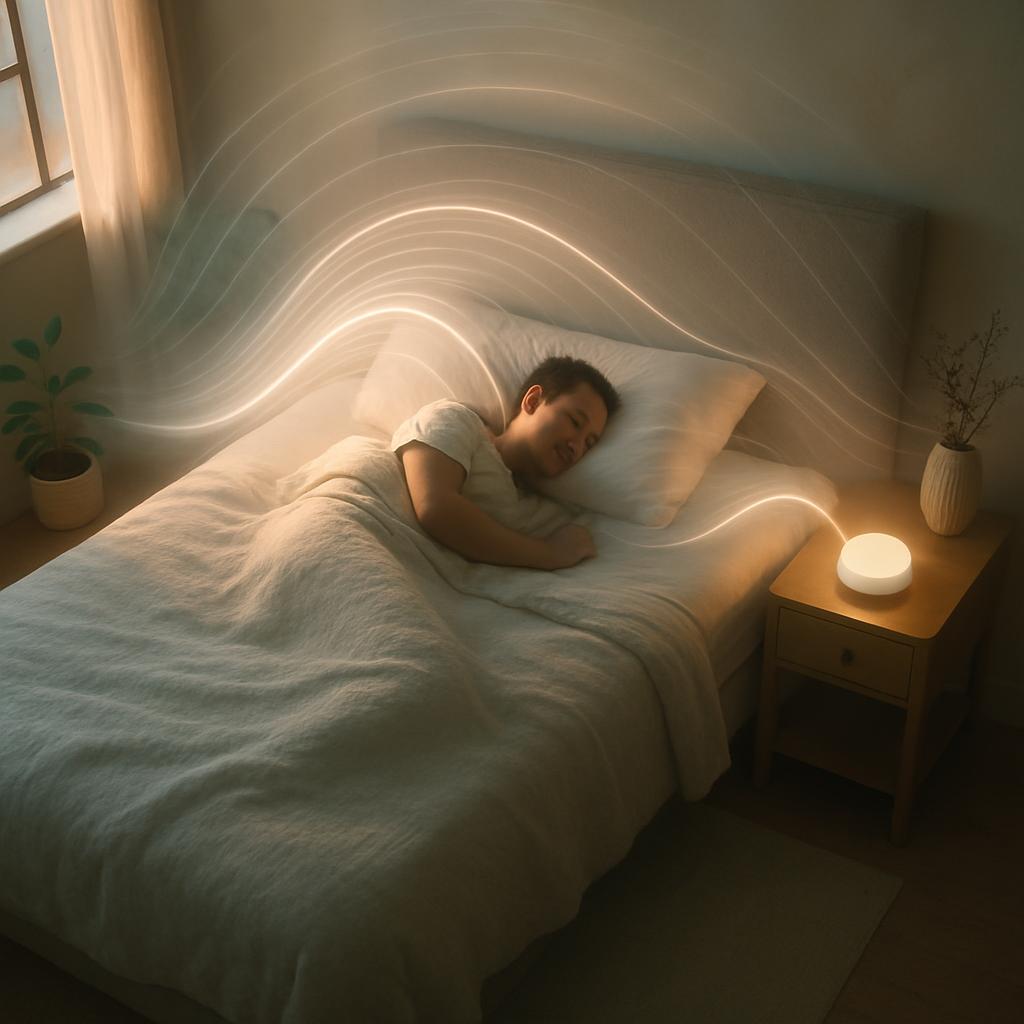
The placement of your white noise machine matters more than you might think. I suggest positioning it at a moderate distance from your bed, perhaps on a nightstand or dresser, rather than right next to your head. This creates a more ambient sound environment rather than having the noise source directly in your ear. Some people find better results placing the machine between their bed and the main source of disruptive noise, like a window facing a busy street or a shared wall with neighbors.
If you share your bed with a partner, communication about white noise preferences is essential. What works perfectly for you might be distracting for your sleeping partner. Take time to experiment together with different volume levels and even different types of white noise sounds. Many modern white noise machines offer variations like brown noise or pink noise, and finding a sound that works for both of you can make a significant difference in your combined sleep quality and your relationship harmony.
Setting Up Your White Noise Machine for Optimal Sleep
Getting your white noise machine set up correctly from the start sets you up for success with white noise benefits. The technical setup might seem straightforward, but paying attention to specific details can dramatically improve how white noise works for your sleep habits. I've helped many people troubleshoot their white noise setups, and the most common issues usually stem from overlooking these foundational elements.
First, consider the type of white noise machine you're using. There are two main categories: mechanical machines that use actual fans or motors to create sound, and electronic devices that play digitally generated or recorded white noise. Mechanical machines tend to produce more authentic white noise with natural variations, while electronic versions offer more control and variety. Neither is inherently better, but understanding what you have helps you optimize its use.
The power source for your white noise machine affects both convenience and sleep quality. Battery-operated machines offer portability, which is great for travel, but you'll need to monitor battery life to avoid your white noise cutting out mid-sleep. Plug-in models provide consistent power throughout the night without worry. If you choose a plug-in model, make sure the cord is safely positioned where you won't trip over it during nighttime bathroom visits, and consider using a surge protector to protect your investment.
Here's a practical guide for setting up different aspects of your white noise machine based on common sleeping scenarios:
| Sleep Scenario | Recommended Volume Level | Ideal Placement | Best Sound Type |
|---|---|---|---|
| Light sleeper in quiet neighborhood | Low to medium (40-50 dB) | On nightstand 3-4 feet from bed | Gentle white noise or rain sounds |
| Urban apartment with street noise | Medium to high (60-70 dB) | Between bed and noise source | Pure white noise or fan sounds |
| Shared bedroom with snoring partner | Medium (55-65 dB) | On your side of bed, angled toward you | Consistent white noise or ocean waves |
| Baby or child's room | Low (40-50 dB) | Across room from crib/bed | Soft white noise or heartbeat sounds |
| Shift worker sleeping during day | Medium to high (60-75 dB) | Central location in room | Brown noise or thunderstorm sounds |
Testing and adjusting your setup is a process that takes a few nights to perfect. Don't expect to get everything right on the first try. Start with your white noise machine at a lower volume and gradually increase it over several nights until you find the sweet spot where external noises are masked but the white noise itself doesn't disturb you. Keep a simple sleep journal during this adjustment period, noting the volume level, sound type, and how well you slept. This helps you identify patterns and make informed adjustments.
Many white noise machines now come with additional features like timers, brightness controls for display screens, and smartphone connectivity. If your machine has a timer function, I generally recommend setting it to run all night rather than shutting off after a few hours. If you fall asleep quickly but the noise stops mid-sleep cycle, you might wake up when environmental sounds suddenly become noticeable again. However, some people prefer the white noise to turn off after they've fallen asleep, so experiment to see what works best for your sleep habits.
Display brightness is another often-overlooked factor in white noise machine setup. Even small indicator lights can be disruptive if you're sensitive to light while sleeping. Many machines allow you to dim or completely turn off display lights. If yours doesn't have this feature, a small piece of electrical tape over the light can solve the problem without affecting functionality.
Finally, consider the maintenance needs of your white noise machine. Mechanical fans need periodic cleaning to prevent dust buildup, which can affect sound quality and potentially trigger allergies. Electronic machines typically require less maintenance but may need software updates if they're smart-enabled devices. Regular care ensures your machine continues delivering consistent white noise benefits for sleep improvement night after night.
Incorporating White Noise Into Your Evening Rituals for Sleep Success
Building white noise into a broader evening routine creates a powerful sleep system that goes beyond just masking sound. The human brain loves ritual and pattern, and when you consistently pair white noise with other relaxing activities, you create multiple triggers that tell your body it's time to rest. This layered approach to sleep sound therapy produces results that are greater than the sum of individual parts.
I suggest starting your evening wind-down routine about an hour before your target bedtime. This gives you enough time to complete relaxing activities without feeling rushed, which can increase stress and make falling asleep harder. Begin by dimming the lights in your home and turning on your white noise machine at a low volume. This early activation helps your brain begin the transition from daytime alertness to nighttime relaxation mode.
During this wind-down hour, engage in activities that calm your mind and body. Reading a physical book (not on a backlit screen), practicing gentle yoga stretches, taking a warm bath, or doing some light meditation all pair beautifully with background white noise. The consistent sound creates an audio environment that helps you stay present in these calming activities rather than getting distracted by random household noises or thoughts about your day.
The order of your evening activities matters for optimizing how white noise works within your routine. I recommend saving more active tasks like preparing tomorrow's lunch or laying out clothes for earlier in the evening, before you start your white noise. Once you turn on your white noise machine, commit to only restful, low-energy activities. This clear boundary helps reinforce the association between white noise and sleep preparation.
Technology use is one of the biggest sleep disruptors in modern life, and your white noise routine should include specific boundaries around screens. Ideally, turn off phones, tablets, computers, and televisions at least 30 minutes before bed. The blue light from these devices interferes with melatonin production, which regulates your sleep-wake cycle. If you must use devices during your wind-down time, enable blue light filters and keep brightness low. Some people use their smartphones to control white noise machines, which is fine, but avoid the temptation to check email or social media while you're adjusting settings.
Temperature regulation plays an important role in your evening routine alongside white noise. Most sleep experts recommend keeping bedrooms between 60-67 degrees Fahrenheit for optimal sleep. As you start your white noise machine, also adjust your thermostat or fans to reach your target temperature. The combination of consistent white noise and a cool room creates ideal physical conditions for deep sleep. Some people even use white noise from a fan specifically because it provides both sound masking and gentle air circulation.
Creating a pre-sleep checklist that incorporates white noise helps ensure you don't forget important steps when you're tired. Your checklist might include items like:
- Turn on white noise machine at 9:00 PM
- Dim all lights in the house
- Put phone on silent and place it across the room
- Complete skincare routine
- Change into comfortable sleepwear
- Read for 20 minutes with white noise in background
- Do 5 minutes of gentle stretching
- Adjust white noise to sleeping volume
- Turn off all lights except white noise machine
- Get into bed
Adapting your white noise routine for weekends and days off is important for maintaining consistent sleep habits. While it's tempting to completely change your schedule on non-work days, dramatic shifts confuse your body's internal clock and can lead to social jet lag. Try to keep your white noise routine and bedtime within an hour of your weekday schedule, even on weekends. This consistency helps stabilize your sleep patterns and makes Monday mornings less painful.
If you travel frequently, bringing a portable white noise machine or using a white noise app on your phone helps maintain your sleep routine away from home. Hotel rooms often have unpredictable noise issues, from hallway conversations to ice machines to traffic. Having your familiar white noise creates a sense of home and masks these foreign sounds, helping you sleep better in unfamiliar environments. Pack your white noise machine in your carry-on luggage so it's immediately available when you reach your destination.
Seasonal adjustments to your white noise routine can improve its effectiveness throughout the year. During summer months when windows might be open or air conditioners running, you may need slightly higher white noise volume to compete with these additional sounds. Winter months might call for lower volumes when houses are sealed tight against cold weather. Pay attention to how seasonal changes affect your sleep environment and adjust your white noise machine accordingly.
Remember that building a successful evening routine with white noise takes time and patience. Don't get discouraged if you don't see immediate sleep improvement. Most people need at least two to three weeks of consistent practice before their brain fully associates white noise with sleep time. Stick with your routine, make small adjustments as needed, and trust that your efforts will pay off with better sleep habits and improved overall sleep quality.
Common Misconceptions About White Noise and Sleep
When it comes to using white noise for sleep, there's a lot of confusion floating around. I've heard countless questions from customers at our shop about whether white noise is truly safe, if it's just a gimmicky trend, or if it actually works for everyone. The truth is, while white noise has gained massive popularity as a sleep aid, several myths and misconceptions have developed alongside its rise. Let me help clear up some of the most common misunderstandings so you can make an informed decision about whether a white noise machine belongs in your bedroom.
Many people worry that white noise might be harmful or that they'll become dependent on it to fall asleep. Others wonder if they're wasting their money on something that won't really make a difference in their sleep quality. These concerns are completely valid, especially when you're investing time and money into improving your sleep habits. Understanding the facts about white noise benefits and how white noise works can help you separate truth from fiction and decide if this sleep sound therapy approach is right for you.
What I find most interesting is that many of these misconceptions stem from misunderstandings about how our brains process sound during sleep. Some people think that any noise in the bedroom is automatically bad for sleep, while others believe that complete silence is the only way to achieve quality rest. The reality falls somewhere in between, and understanding the science behind white noise can help you use it effectively as part of your overall approach to better sleep.
Creating the ideal sleep environment goes beyond just managing sound. While white noise can certainly help mask disruptive noises, pairing it with a comfortable, supportive mattress like the Sealy Spring Bloom Medium Mattress can make an even bigger difference in your sleep quality. The combination of proper sleep sound therapy and physical comfort creates the foundation for truly restorative rest.
Is White Noise Safe? Addressing Common Concerns
One of the biggest questions I hear from people considering a white noise machine is whether it's actually safe to use every night. The short answer is yes, white noise is generally safe for most adults when used at appropriate volume levels. The key factor here is volume. Just like any sound exposure, white noise should be played at a reasonable level—typically around 50 to 60 decibels, which is comparable to moderate rainfall or a quiet conversation.
Some parents worry about using white noise for their children, and this concern comes from studies that examined extremely loud white noise machines placed too close to babies' cribs. These studies found that prolonged exposure to very high decibel levels could potentially affect hearing development. However, when used correctly—at safe volumes and placed at an appropriate distance—white noise poses no significant risk to hearing health for children or adults. I always recommend keeping your white noise machine at least seven feet away from your bed and keeping the volume at a comfortable level where you can still hear someone speaking in a normal voice.
Another safety concern people bring up is whether using white noise every night will damage their hearing over time. Research has shown that consistent exposure to sounds at or below 70 decibels doesn't cause hearing damage, even with long-term use. White noise machines designed for sleep typically operate well below this threshold. The American Academy of Pediatrics suggests keeping bedroom noise levels below 50 decibels, and most quality white noise machines allow you to control the volume to stay within this safe range.
"I was worried about using white noise every night, thinking it might hurt my ears. But after talking to my doctor and keeping it at a moderate volume, I've been using it for three years now with no issues. My hearing tests are still perfect, and I sleep better than ever!" – Review from verified customer, March 2024
Some people also wonder if they'll become psychologically dependent on white noise for sleep. While it's true that your brain may become accustomed to falling asleep with white noise, this isn't harmful dependency—it's simply conditioning, similar to how your body learns to feel sleepy when you follow a consistent bedtime routine. If you travel without your machine, you might experience some adjustment, but you won't suffer from withdrawal symptoms. Many people find that using white noise actually helps them develop better overall sleep habits because it creates a consistent sleep environment and signals to their brain that it's time to rest.
There's also been some discussion about whether white noise might mask important sounds like smoke alarms or crying babies. This is a valid concern, but when used at appropriate volumes, white noise should not completely block out these crucial sounds. The goal of white noise isn't to create total silence or block everything out—it's to create a consistent sound backdrop that masks irregular, jarring noises that might wake you. Emergency alarms and distress sounds are typically loud and distinct enough to be heard over white noise set at safe volume levels.
Busting Myths: Do You Really Need a White Noise Machine?
Let me address one of the most common myths I encounter: the belief that you absolutely must buy an expensive white noise machine to get white noise benefits. While dedicated white noise machines offer excellent sound quality and convenience, they're not the only option. You can use smartphone apps, fans, air purifiers, or even stream white noise from a computer or tablet. The question isn't whether you need a machine, but rather what works best for your lifestyle and sleep improvement goals.
That said, there are real advantages to using a purpose-built white noise machine over alternatives. Dedicated machines typically offer better sound quality without the digital artifacts or looping patterns that can occur with recorded white noise tracks. They also don't require WiFi or cellular data, won't die if you forget to charge them, and won't light up your room with screen notifications. If you're serious about using white noise for sleep as part of your long-term sleep habits, investing in a quality machine often proves worthwhile.
Another myth suggests that white noise only works for light sleepers or people who live in noisy environments. This simply isn't true. While white noise certainly helps people dealing with noisy neighbors, traffic sounds, or a snoring partner, it can benefit anyone looking to improve their sleep quality. The consistent sound helps maintain steady sleep cycles by preventing your brain from being startled awake by sudden changes in your environment. Even if you live in a relatively quiet area, small sounds like a creaking house, distant barking, or a partner getting up during the night can fragment your sleep without you fully waking up.
Some people believe that if white noise doesn't work immediately, it won't work at all. This misconception causes many people to give up too soon. Like any change to your sleep routine, your brain needs time to adjust to white noise. Some people feel the benefits right away, while others need a week or two of consistent use before they notice improvements in their sleep quality. The key is to give it a fair trial period—at least two weeks of nightly use—before deciding whether it works for you.
There's also a persistent myth that all white noise sounds the same, so it doesn't matter what you use. In reality, there are subtle differences in the quality and frequency distribution of white noise from different sources. Some machines produce "true" white noise with all frequencies at equal intensity, while others create variations that might be more soothing to your ears. Additionally, many modern machines offer different sound options beyond pure white noise, allowing you to experiment with what works best for your sleep improvement needs.
Perhaps the biggest myth is that using white noise is just a band-aid solution that doesn't address real sleep problems. While it's true that white noise won't cure underlying sleep disorders like sleep apnea or chronic insomnia caused by anxiety or medical conditions, it's far from just a temporary fix. White noise serves as an effective tool in a comprehensive approach to better sleep. When combined with good sleep hygiene practices, a comfortable sleep environment, and healthy lifestyle choices, white noise can significantly contribute to lasting improvements in your sleep habits and overall sleep quality.
Enhancing Your Sleep Habits Beyond White Noise
While white noise can work wonders for improving your sleep quality, it's just one piece of the puzzle when it comes to achieving truly restorative rest. I've seen many customers transform their sleep by combining white noise with other essential sleep habits and environmental factors. Think of white noise as a valuable tool in your sleep toolkit, but not the only tool you need. Creating an optimal sleep environment involves multiple factors working together to support your body's natural sleep rhythms.
The foundation of good sleep starts with your sleeping surface. No amount of white noise will compensate for an uncomfortable or unsupportive mattress that causes you to toss and turn throughout the night. Your mattress should properly support your spine alignment while providing pressure relief for your shoulders, hips, and other contact points. If you're waking up with aches and pains despite using white noise, it might be time to evaluate whether your mattress is meeting your needs. Many people don't realize that their mattress could be undermining all their other sleep improvement efforts.
Temperature regulation is another critical factor that works hand-in-hand with sleep sound therapy. Your body temperature naturally drops when you sleep, and keeping your bedroom between 60 and 67 degrees Fahrenheit helps facilitate this process. If you're too hot or too cold, even the most soothing white noise won't help you stay asleep. Consider breathable bedding materials, adjustable thermostats, or cooling mattress technologies that work alongside your white noise machine to create ideal sleeping conditions.
Light exposure plays a huge role in your sleep habits as well. Blue light from phones, tablets, and computers can interfere with your body's production of melatonin, the hormone that regulates sleep. While white noise helps mask auditory disruptions, you also need to address visual disruptions. Blackout curtains, eye masks, and limiting screen time at least an hour before bed can dramatically improve your ability to fall asleep and stay asleep. Creating a dark environment tells your brain it's time to wind down, just as white noise creates an auditory cue for sleep.
Your sleep position and pillow support shouldn't be overlooked either. The right pillow keeps your neck and spine properly aligned throughout the night, preventing the discomfort that can wake you even with white noise playing in the background. Different sleep positions require different levels of support—side sleepers typically need thicker pillows while back sleepers need medium support and stomach sleepers need thinner options. Pairing proper pillow support with the consistent sound environment created by white noise gives you the best chance at uninterrupted sleep.
Don't forget about your overall bedroom environment. Clutter, strong scents, and uncomfortable humidity levels can all impact your sleep quality. A clean, organized bedroom with neutral or calming colors promotes relaxation. Some people benefit from a slight scent like lavender, though be careful not to use anything too strong. Maintaining humidity levels between 30 and 50 percent prevents your nasal passages from drying out, which can disrupt sleep regardless of whether you're using white noise.
If you're ready to take your sleep environment to the next level, consider upgrading your mattress to something that complements your white noise routine. The Sealy Lacey Soft Hybrid Mattress offers the kind of comfortable, supportive sleep surface that works perfectly with white noise to create a complete sleep sanctuary. When your physical comfort matches your auditory comfort, that's when the magic really happens.
Other Sleep Solutions: Combining White Noise with Sleep Hygiene
Sleep hygiene refers to the habits and practices that promote consistent, quality sleep. While your white noise machine creates a helpful auditory environment, pairing it with solid sleep hygiene practices multiplies its effectiveness. I've noticed that customers who combine white noise with good sleep hygiene see much faster and more dramatic improvements in their sleep quality than those who rely on white noise alone. Let me share some essential sleep hygiene practices that work beautifully alongside your white noise routine.
Consistency is perhaps the most important element of good sleep hygiene. Your body's internal clock, or circadian rhythm, thrives on predictability. Going to bed and waking up at the same time every day—yes, even on weekends—helps regulate your sleep-wake cycle. When you turn on your white noise machine at the same time each night, it becomes a powerful signal to your brain that sleep is approaching. This conditioning effect strengthens over time, making it easier to fall asleep quickly once you hear that familiar sound.
Here are the key sleep hygiene practices that complement white noise benefits:
- Establish a relaxing bedtime routine. Spend 30 to 60 minutes before bed doing calming activities like reading, gentle stretching, or meditation. Turn on your white noise machine during this wind-down period to create an association between the sound and relaxation.
- Limit caffeine and alcohol consumption. Avoid caffeine at least six hours before bedtime, as it can interfere with your ability to fall asleep. While alcohol might make you feel drowsy initially, it disrupts sleep quality later in the night, reducing the effectiveness of white noise for maintaining continuous sleep.
- Create a technology-free zone. Keep phones, tablets, and laptops out of the bedroom, or at least turn them off an hour before sleep. The blue light and mental stimulation from these devices counteract the calming effects of white noise and make it harder to transition into sleep mode.
- Exercise regularly, but not too close to bedtime. Regular physical activity improves sleep quality, but vigorous exercise within three hours of bedtime can be too stimulating. Morning or afternoon workouts set you up for better sleep when you combine them with white noise for sleep at night.
- Watch your evening meals. Eating large, heavy meals close to bedtime can cause discomfort and indigestion that white noise can't overcome. If you're hungry before bed, opt for a light snack like a small bowl of yogurt or a banana, which actually contains compounds that promote sleep.
- Manage stress and anxiety. Practice stress-reduction techniques throughout your day, not just at bedtime. Journaling, deep breathing exercises, or talking with a therapist can help manage worries that might keep you awake despite the soothing sounds of your white noise machine.
- Use your bed only for sleep. Avoid working, eating, or watching TV in bed. This helps your brain associate your bed exclusively with sleep, making the combination of your comfortable mattress and white noise even more effective at inducing drowsiness.
One practice that deserves special mention is the concept of sleep restriction. If you find yourself lying awake in bed for long periods, get up and do a quiet activity in another room until you feel sleepy. This prevents your brain from associating your bed with wakefulness. When you return to bed and turn on your white noise, you're more likely to fall asleep quickly. This technique might seem counterintuitive, but it's remarkably effective when combined with consistent white noise use.
Managing your exposure to natural light during the day also enhances how well white noise works at night. Getting bright light exposure in the morning helps set your circadian rhythm, making you naturally tired at the appropriate time in the evening. Try to spend at least 30 minutes outdoors in natural daylight each day, preferably in the morning. This biological clock regulation makes your evening white noise routine much more effective because your body is already primed for sleep.
Nutrition and Sleep: How Your Diet Can Affect Your Sleep Quality
What you eat and drink throughout the day has a profound impact on how well you sleep at night, and this relationship extends to how effectively white noise works for you. Even the best white noise machine can't overcome the sleep disruption caused by poor dietary choices. I've learned that nutrition and sleep quality are closely linked, and understanding this connection can help you maximize the benefits of your white noise routine.
Certain foods naturally promote better sleep by providing nutrients that support the production of sleep-regulating hormones. Tryptophan, an amino acid found in turkey, chicken, eggs, and dairy products, helps your body produce serotonin and melatonin—both crucial for quality sleep. Magnesium-rich foods like almonds, spinach, and pumpkin seeds help relax your muscles and calm your nervous system, working in harmony with the relaxing effects of white noise. Complex carbohydrates from whole grains can also promote sleepiness by increasing tryptophan availability in your brain.
On the flip side, certain foods and drinks can seriously undermine your sleep efforts. Caffeine is the obvious culprit—it blocks adenosine receptors in your brain, which are responsible for making you feel tired. Even if you think you're not sensitive to caffeine, it has a half-life of about five to six hours, meaning half of that afternoon coffee is still in your system at bedtime. Chocolate, some medications, and even decaf coffee contain small amounts of caffeine that can add up if you're not careful.
Alcohol deserves special attention because many people mistakenly believe it helps them sleep. While alcohol might help you fall asleep faster initially, it significantly disrupts your sleep architecture later in the night. It reduces REM sleep, which is crucial for memory consolidation and mental restoration, and it increases the likelihood of waking up in the middle of the night. When this happens, even your trusty white noise machine might not help you fall back asleep easily. If you do drink alcohol, finish your last drink at least three to four hours before bedtime.
Timing your meals appropriately can make a big difference in how well you sleep with white noise. Going to bed either very hungry or very full can both disrupt sleep. A large meal too close to bedtime forces your digestive system to work hard when it should be winding down, potentially causing discomfort or acid reflux that keeps you awake despite the soothing sounds of white noise. On the other hand, hunger pangs can wake you up in the middle of the night. Aim to finish dinner at least two to three hours before bed, and if you need a snack closer to bedtime, choose something light and sleep-promoting.
Hydration is another factor that requires balance. While staying hydrated is important for overall health, drinking too much liquid close to bedtime means you'll likely wake up needing to use the bathroom. These interruptions fragment your sleep, even with white noise masking other sounds. Try to front-load your fluid intake earlier in the day and taper off as bedtime approaches. If you wake up thirsty during the night, take just a few small sips rather than a full glass of water.
Some specific foods can actively interfere with sleep quality. Spicy foods may cause heartburn or indigestion, while high-fat foods take longer to digest and can cause discomfort. Foods high in simple sugars can cause blood sugar spikes and crashes that might wake you during the night. Processed foods often contain hidden sources of caffeine, sugar, or additives that can be stimulating. Paying attention to how different foods affect your sleep can help you identify and avoid your personal trigger foods.
The good news is that making smart nutritional choices doesn't mean sacrificing enjoyment. There are plenty of delicious foods that actually support better sleep. A small bowl of oatmeal with sliced banana, a handful of walnuts, a cup of chamomile tea with honey, or some tart cherry juice are all tasty options that can enhance your sleep quality. When you combine sleep-supportive nutrition with the consistent auditory environment created by white noise, you're setting yourself up for the best possible rest. Your body and brain work together more effectively when you give them the right fuel and the right environment, creating a powerful synergy for sleep improvement that goes far beyond what any single strategy can achieve alone.
Conclusion: Transform Your Sleep with the Power of White Noise
Embrace Better Sleep Habits with a White Noise Machine
If you've been struggling with getting a good night's rest, adding white noise to your bedtime routine could be the game-changer you've been looking for. Throughout this post, we've explored how white noise works, the specific benefits it offers for sleep improvement, and practical ways to make it part of your nightly ritual. The beauty of white noise for sleep is that it's simple, accessible, and backed by real science that shows how consistent sound can help quiet your mind and block out disruptive noises that keep you awake.
Using a white noise machine doesn't require a complete overhaul of your sleeping habits. Instead, it works alongside the good sleep practices you may already have in place. Whether you're dealing with noisy neighbors, a snoring partner, traffic sounds, or just an overactive mind that won't settle down, white noise creates a consistent sound environment that helps your brain relax. The white noise benefits extend beyond just masking unwanted sounds—they actually help your brain establish a predictable auditory pattern that signals it's time to wind down and prepare for rest.
I've found that many people are surprised by how quickly they notice a difference once they start using white noise consistently. Some fall asleep faster, others stay asleep longer, and many wake up feeling more refreshed because their sleep wasn't interrupted multiple times during the night. The key is finding the right volume level and sound type that works for your specific needs. Remember, sleep sound therapy isn't one-size-fits-all, so give yourself permission to experiment with different settings until you find what feels most comfortable.
Experience the Life-Changing Benefits of Quality Sleep
Better sleep isn't just about feeling less tired in the morning—though that's certainly a wonderful benefit. When you consistently get quality rest, everything in your life starts to improve. Your mood becomes more stable, your focus sharpens, your immune system functions better, and you have more energy to tackle whatever the day brings. That's why investing in tools that support better sleep, like a white noise machine, is really an investment in your overall health and happiness.
If you're ready to take your sleep to the next level, consider pairing your white noise routine with a high-quality mattress that supports your body properly throughout the night. At Sleepology Mattress Shop, we understand that great sleep comes from creating the right environment, and that includes both the sounds you hear and the surface you sleep on. Our team is here to help you find the perfect combination of comfort and support that works with your unique sleeping needs.
The journey to better sleep doesn't have to be complicated or overwhelming. Start with small changes, like adding white noise to your routine, maintaining consistent sleep and wake times, and making sure your bedroom is dark, cool, and comfortable. As you build these healthy sleep habits over time, you'll likely notice improvements that extend far beyond just feeling more rested. You might find yourself handling stress better, making healthier food choices, and feeling more motivated to stay active throughout the day.
How white noise works is fascinating, but what really matters is how it can work for you. If you've been skeptical about whether something as simple as background sound could really make a difference, I encourage you to give it a try for at least a week or two. Many people who were initially doubtful have become white noise believers once they experienced the results firsthand. Your body and mind deserve the restorative rest that comes from deep, uninterrupted sleep, and white noise might be the missing piece that helps you finally achieve it.
Sweet dreams are within reach when you create the right conditions for your body to relax and recharge each night. With white noise as your sleep companion and a commitment to building better sleep habits, you're setting yourself up for nights of peaceful rest and days filled with energy and focus. Here's to transforming your sleep and, ultimately, transforming your life—one restful night at a time.
Frequently Asked Questions (FAQs)
What is white noise and how does it help with sleep?
White noise is a consistent sound that contains all frequencies audible to the human ear at equal intensity. It helps with sleep by masking sudden noises that might wake you up and by creating a predictable sound environment that helps your brain relax and transition into sleep mode more easily.
Can white noise machines really improve my sleep quality?
Yes, white noise machines can significantly improve sleep quality for many people. They work by blocking out disruptive environmental sounds and creating a consistent auditory backdrop that helps you fall asleep faster and stay asleep longer. Research shows that white noise benefits include reduced sleep disturbances and improved overall sleep satisfaction.
Is it safe to use white noise every night?
Yes, using white noise every night is generally safe for most adults when kept at a reasonable volume. Experts recommend keeping the volume around 50-60 decibels, which is about the level of a quiet conversation. This ensures you get the white noise benefits without risking any hearing damage from prolonged exposure to loud sounds.
How loud should I set my white noise machine?
Your white noise machine should be set loud enough to mask disruptive sounds but not so loud that it becomes disturbing itself. A good rule of thumb is to set the volume at around 50-60 decibels, which is comparable to moderate rainfall or a quiet office environment. You should be able to hear it clearly without it being overwhelming.
Will I become dependent on white noise for sleep?
While some people do prefer sleeping with white noise once they start using it, this isn't a harmful dependency. Think of it like preferring a dark room or a comfortable pillow—it's simply a sleep preference that helps create ideal conditions for rest. Most people can still sleep without white noise if needed, though they may prefer it when available.
What's the difference between white noise and pink noise for sleep?
White noise contains all frequencies at equal intensity, creating a static-like sound, while pink noise has more emphasis on lower frequencies, sounding softer and more like steady rainfall. For sleep, white noise tends to be more effective at masking sudden noises, while pink noise may sound more natural and soothing to some people. Both can be beneficial for sleep improvement.
How long does it take to see results from using white noise?
Many people notice improvements in their sleep within the first few nights of using white noise, though it can take up to two weeks for your body to fully adapt to this new sleep routine. Be patient and consistent with your white noise use, and you'll likely start experiencing better sleep and the various white noise benefits within a short period.
Can I use my phone or tablet instead of a white noise machine?
While you can use apps on your phone or tablet to play white noise, a dedicated white noise machine is often better for sleep. Phones emit blue light that can interfere with melatonin production, and notifications might disrupt your rest. A white noise machine is designed specifically for sleep sound therapy and won't have these drawbacks.
Should I run my white noise machine all night or just when falling asleep?
For best results with sleep improvement, keep your white noise machine running throughout the entire night. This provides consistent sound masking that protects your sleep during all stages, especially the lighter sleep phases when you're more vulnerable to being awakened by environmental noises. Continuous white noise helps maintain better sleep quality all night long.
Will white noise help with my partner's snoring?
Yes, white noise can be very helpful for masking snoring sounds. By creating a consistent sound backdrop, a white noise machine can make snoring less noticeable and less likely to wake you up throughout the night. This is one of the most common white noise benefits that couples appreciate when one partner snores.
Where should I place my white noise machine in my bedroom?
Place your white noise machine on a nightstand or dresser near your bed, but not too close to your ears. Ideally, it should be about three to six feet away from where you sleep. If you're trying to mask noise coming from a specific direction, like a window facing a busy street, position the machine between you and that noise source for maximum effectiveness.
Can white noise help with anxiety that keeps me awake?
White noise can help with sleep-related anxiety by giving your mind something neutral to focus on instead of racing thoughts or worries. The consistent, predictable nature of how white noise works helps create a calming environment that makes it easier for anxious minds to settle down. Many people find that sleep sound therapy helps reduce nighttime anxiety significantly.
Do I need an expensive white noise machine or will a basic one work?
A basic white noise machine can work just fine for most people's sleep improvement needs. The key features to look for are adjustable volume, continuous play without looping, and a sound quality that you find soothing. More expensive models may offer additional sound options and features, but they're not necessary to experience the main white noise benefits.
Can white noise work for shift workers who sleep during the day?
Absolutely! White noise is especially helpful for shift workers who need to sleep during daytime hours when environmental noise is typically higher. A white noise machine can mask traffic sounds, neighbor noise, and other daytime disturbances that make it difficult to get quality rest. This makes white noise for sleep particularly valuable for anyone with non-traditional sleep schedules.
How do I know if white noise is actually working for my sleep?
You'll know white noise is working if you notice you're falling asleep faster, waking up less frequently during the night, or feeling more rested in the morning. Keep a simple sleep journal for a week or two to track these changes. Most people who benefit from white noise report noticeable sleep improvement within the first week of consistent use.