

Have you ever woken up in the middle of the night, drenched in sweat, frantically kicking off your covers in search of relief? If you're nodding your head, you're not alone. Night sweats affect millions of people, turning what should be restful sleep into an uncomfortable, frustrating experience that leaves you exhausted the next day. The search for night sweat relief has become increasingly important as more people realize that quality sleep isn't just a luxury—it's essential for health, mood, and daily functioning.
The good news is that the sleep industry has responded to this widespread problem with innovative solutions, and one of the most popular options is the cooling mattress pad. But here's the big question that keeps hot sleepers tossing and turning: Can a cooling mattress pad actually cure your night sweats, or is it just another overhyped product promising more than it can deliver?
Before we explore whether a temperature regulating mattress pad is the answer to your sleep troubles, let's be honest about what you're facing. Night sweats aren't just about feeling a little warm—they're intense episodes that can drench your sheets, disrupt your sleep cycle, and leave you feeling miserable. Whether you're experiencing hormonal changes, dealing with certain medications, or simply running hot naturally, the impact on your sleep quality is real and significant.
The best cooling mattress pad options on the market today use advanced materials and technology designed specifically to address heat retention and moisture buildup. These aren't your grandmother's mattress pads. Modern breathable mattress toppers incorporate gel-infused memory foam, phase-change materials, and moisture-wicking fabrics that actively work to keep your body temperature regulated throughout the night. Some even feature specialized channels that promote airflow, while others use materials that absorb and dissipate heat away from your body.
But here's what I find most interesting: not all cooling solutions are created equal, and what works for one person might not work for another. Some hot sleeper solutions focus on passive cooling—using naturally breathable materials that don't trap heat—while others employ active cooling technology that dynamically responds to temperature changes. Understanding these differences is key to finding the right mattress pad for night sweats that will actually make a difference in your sleep quality.
The reality is that while cooling bedding materials have come a long way, they're not magic. A cooling mattress topper can significantly reduce the discomfort of sleeping hot, but whether it "cures" your night sweats depends on what's causing them in the first place. If your night sweats are caused by an underlying medical condition, no amount of cooling technology will fully resolve the issue—though it can certainly help manage the symptoms and improve your comfort.
Throughout this article, I'm going to walk you through everything you need to know about cooling mattress pads and how to stop night sweats from ruining your sleep. We'll examine the science behind why these products work, compare different types of cooling solutions, and help you figure out which approach makes the most sense for your specific situation. Whether you're a chronic hot sleeper or someone dealing with occasional night sweats, understanding your options is the first step toward getting the restful, comfortable sleep you deserve.
Key Takeaways
- Cooling mattress pads can significantly reduce night sweat discomfort but may not cure underlying medical causes
- The best cooling mattress pad features include breathable materials, moisture-wicking fabrics, and temperature regulation technology
- Active and passive cooling systems work differently—understanding both helps you choose the right solution
- Combining a cooling mattress topper with other hot sleeper solutions like breathable sheets maximizes effectiveness
- Individual needs vary greatly, so testing different cooling bedding materials is essential for finding what works for you
Discover the Best Cooling Mattress Pads for Night Sweat Relief
Finding the right cooling mattress pad for your night sweat issues starts with understanding what separates truly effective products from those that simply make big promises. After years of helping customers at Sleepology Mattress Shop find solutions to their sleep troubles, I've learned that the best cooling mattress pad isn't always the most expensive one—it's the one that matches your specific needs and sleeping style.
When you're shopping for night sweat relief, you'll encounter three main categories of cooling technology. First, there are gel-infused foam pads that use cooling gel beads integrated into memory foam or polyfoam layers. These work by absorbing body heat and dispersing it throughout the pad, preventing hot spots from forming. Second, you'll find phase-change material (PCM) pads that actively absorb and release heat to maintain a consistent temperature. Finally, there are natural fiber pads made from materials like cotton, bamboo, or wool that rely on breathability and moisture-wicking properties.
The temperature regulating mattress pad market has exploded in recent years, and premium brands like Tempur-Pedic have developed sophisticated solutions specifically designed for hot sleepers. The Tempur-Pedic TEMPUR-breeze Cooling Mattress Protector represents one of the most advanced options available, featuring proprietary cooling technology that works throughout the night to maintain a comfortable sleep surface. This breathable mattress topper combines multiple cooling features, including moisture-wicking fibers and cool-to-the-touch fabric that feels noticeably cooler from the moment you lie down.
What makes this particularly effective for night sweats is how it works with your existing mattress rather than replacing it. Many people don't realize that their mattress itself might be contributing to their overheating issues. Memory foam and traditional innerspring mattresses can trap heat, creating a warm sleeping environment that triggers or worsens night sweats. A high-quality cooling mattress pad creates a barrier between you and that heat-retaining surface, giving you the comfort benefits of your mattress without the heat buildup.
For those looking for a complete sleep system approach, pairing your cooling mattress pad with complementary products can amplify the benefits. The Tempur-Pedic TEMPUR-ProPerformance Cooling Sheets work in tandem with a cooling pad to create multiple layers of temperature regulation. These cooling bedding materials don't just feel cool initially—they actively manage heat and moisture throughout the entire night.
It's also worth considering that your mattress choice plays a fundamental role in how hot you sleep. While adding a cooling mattress topper can help, some people find that investing in a mattress with built-in cooling features provides better long-term results. Sealy's gel foam mattress collection, including options like the Sealy Medina Firm Gel Foam Mattress, incorporates cooling gel technology directly into the mattress structure, providing consistent temperature regulation that a pad alone might not achieve.
The key to successfully using a cooling mattress pad for night sweats is having realistic expectations. These products excel at managing heat and creating a more comfortable sleep surface, but they work best when combined with other hot sleeper solutions like proper room temperature control, breathable pajamas, and appropriate bedding choices. Think of a cooling pad as an important piece of your overall sleep environment strategy rather than a standalone cure-all.
Unlocking the Benefits of a Cooling Mattress Pad
Understanding what a cooling mattress pad can actually do for you helps set the right expectations and ensures you make an informed purchase. The benefits extend far beyond just feeling cooler—though that's certainly the primary advantage. Let me break down the real-world benefits I've seen customers experience after switching to a quality temperature regulating mattress pad.
The most immediate benefit you'll notice is the reduction in those middle-of-the-night wake-ups caused by overheating. When your body temperature rises during sleep, it triggers your brain's arousal systems, pulling you out of deep sleep even if you don't fully wake up. A breathable mattress topper helps maintain a stable sleep surface temperature, allowing you to progress through all sleep stages naturally without heat-related interruptions. This means you're not just sleeping cooler—you're sleeping better, with more time spent in the restorative deep and REM sleep stages your body needs.
- Improved sleep quality and duration. By preventing overheating throughout the night, a cooling mattress pad helps you fall asleep faster and stay asleep longer without those frustrating 3 AM wake-ups where you find yourself kicking off blankets and flipping pillows to the cool side.
- Enhanced comfort and pressure relief. Many cooling mattress pads incorporate memory foam or other cushioning materials that provide additional comfort while managing temperature. This dual benefit means you're getting both the cooling properties and extra support for pressure points, which is especially helpful if your current mattress has become too firm over time.
- Protection for your mattress investment. Beyond cooling benefits, a mattress pad acts as a protective barrier against sweat, skin oils, and moisture. This is particularly valuable if you experience significant night sweats, as the moisture can otherwise seep into your mattress, potentially causing odors, stains, and even mold or mildew growth over time.
- Cost-effective solution compared to mattress replacement. If your current mattress sleeps too hot but is otherwise comfortable and supportive, adding a cooling mattress topper gives you the temperature regulation you need without the expense of purchasing an entirely new mattress. This makes it an accessible first step for addressing night sweat problems.
- Adaptability and ease of use. Unlike permanent changes to your sleep setup, a mattress pad can be easily added or removed based on seasonal changes or your evolving needs. During cooler months, you can remove it if needed, or during heat waves, you'll appreciate having that extra cooling layer working for you.
The physical comfort improvements from a cooling mattress pad translate into tangible daily life benefits as well. When you're not waking up multiple times per night dealing with night sweats, you're getting more restorative sleep. This means you'll likely experience better mood regulation, improved focus and productivity during the day, and even potential benefits for your immune system function. Quality sleep affects virtually every aspect of health, so the ripple effects of solving your night sweat problems extend far beyond just feeling more comfortable at night.
Another often-overlooked benefit is the positive impact on your sleep partner. If you share a bed, your night sweats and the resulting tossing, turning, and blanket adjustments probably disturb their sleep too. A cooling mattress pad can reduce your movement during the night, creating a more peaceful sleep environment for both of you. Some couples even choose to use cooling pads with different properties on each side of the bed, allowing each person to customize their temperature experience.
Essential Features in a Temperature Regulating Mattress Pad
Not all cooling mattress pads are created equal, and knowing which features actually matter helps you avoid wasting money on products that won't deliver the night sweat relief you're looking for. Through my experience helping customers choose the right bedding solutions, I've identified several critical features that separate truly effective cooling pads from disappointing ones.
The material composition of your cooling mattress pad is perhaps the most important factor. Look for breathable materials that promote airflow rather than trapping heat against your body. Natural fibers like cotton and bamboo excel at moisture-wicking, pulling sweat away from your skin and allowing it to evaporate. Synthetic materials like polyester can work well too, especially when engineered with moisture-wicking properties, but avoid pads with vinyl or plastic backing that blocks airflow completely—these will defeat the cooling purpose entirely.
Thickness matters more than you might think. A pad that's too thin won't provide enough cooling material to make a meaningful difference, while one that's too thick might feel like you're sleeping on a completely different mattress. Most effective cooling pads range from about one to three inches thick, with two inches being a sweet spot that provides substantial cooling benefits without dramatically changing the feel of your mattress. The thickness you choose should also consider your current mattress—if it's already quite soft, a thicker pad might make it feel too plush and make movement difficult.
Temperature regulation technology varies significantly between products. The best cooling mattress pads use one or more of these approaches: gel infusion that actively draws heat away from your body, phase-change materials that absorb excess heat when you're hot and release it when you cool down, or strategic ventilation channels that promote air circulation. High-quality products often combine multiple technologies for maximum effectiveness. For instance, you might find a pad with gel-infused foam plus a breathable cover fabric, giving you both active and passive cooling working together.
"I was skeptical about whether any mattress pad could help with my night sweats, but after trying the TEMPUR-breeze protector, I'm sleeping through the night for the first time in years. The cooling effect is noticeable immediately and lasts all night. I wake up dry and actually rested now."
The cover material deserves special attention because it's the layer in direct contact with you (unless you place sheets between you and the pad, which I recommend). Look for covers made from cooling fabrics with moisture-wicking properties. Some advanced covers incorporate yarns treated with cooling minerals or phase-change technology. The cover should also be removable and machine washable—this isn't just about convenience, it's essential for maintaining the cooling properties and hygiene of your pad over time. Sweat, oils, and dead skin cells will accumulate in the cover, and regular washing keeps it functioning properly.
Fit and attachment features ensure your cooling mattress pad stays in place throughout the night. Deep pocket elastic edges or anchor bands that go under the mattress corners prevent the pad from bunching up or sliding around when you move. There's nothing more frustrating than waking up to find your expensive cooling pad has shifted to one side of the bed. Quality pads accommodate various mattress depths, typically fitting mattresses from 6 to 18 inches deep.
Durability and warranty considerations shouldn't be overlooked. A cooling mattress pad is an investment in your sleep health, and you want it to maintain its cooling properties and structural integrity over time. Check for products that offer at least a one-year warranty, though many quality brands offer longer coverage. Pay attention to care instructions too—some cooling technologies require special washing procedures, and failing to follow them might void the warranty or damage the cooling properties.
Finally, consider the temperature regulation range. Some cooling pads are designed to simply prevent heat buildup, keeping you at a neutral temperature. Others actively cool you down below your natural body temperature. If you're someone who experiences significant night sweats, you'll likely benefit from more aggressive cooling. However, if you're a moderately warm sleeper just looking for a bit more comfort, a gentler cooling pad might be sufficient and more comfortable overall. The best approach is understanding your personal needs and matching them to the appropriate cooling intensity.

Understanding How Cooling Mattress Pads Work
If you've ever woken up drenched in sweat, you know just how miserable night sweats can be. A cooling mattress pad offers a practical solution, but how exactly does it work? Understanding the mechanics behind these innovative sleep products can help you make an informed decision about whether a temperature regulating mattress pad is right for you.
At their core, cooling mattress pads work by managing heat and moisture throughout the night. Our bodies naturally release heat as we sleep, and when that heat gets trapped between our body and the mattress, it creates an uncomfortable sleeping environment. A quality cooling mattress pad addresses this issue through various technologies and materials designed to either absorb, dissipate, or actively cool the sleep surface.
Most cooling mattress pads rely on specialized materials that promote better airflow and heat transfer. Common cooling bedding materials include phase-change materials (PCMs), gel-infused memory foam, graphite-infused foam, and moisture-wicking fabrics. Phase-change materials are particularly interesting because they absorb excess body heat when you're too warm and release it back when you cool down, helping maintain a consistent temperature throughout the night.
Breathable mattress toppers also incorporate mesh panels or ventilated designs that allow air to circulate freely beneath you. This airflow is critical for hot sleeper solutions because it prevents heat buildup and allows moisture to evaporate quickly. Some premium options, like the Tempur-Pedic Breeze Cooling Mattress Cover, combine multiple cooling technologies to provide exceptional temperature regulation for those who struggle with night sweats.
The placement of a cooling mattress pad also matters. Since it sits directly on top of your mattress and beneath your sheets, it creates an immediate barrier between your body heat and the mattress surface. This positioning allows the pad to intercept and manage heat before it becomes trapped in your mattress, which is particularly helpful if you have a memory foam mattress that tends to retain heat.
Another important factor is moisture management. Many cooling mattress pads feature moisture-wicking properties that pull sweat away from your body and allow it to evaporate more quickly. This dual action of temperature control and moisture management makes a cooling mattress pad an effective tool for night sweat relief. The best cooling mattress pad options combine both passive cooling (through breathable materials) and active moisture management to keep you comfortable all night long.
Active vs. Passive Cooling Mattress Pads Explained
When shopping for a mattress pad for night sweats, you'll encounter two main categories: active and passive cooling systems. Understanding the difference between these approaches will help you choose the right solution for your specific sleep needs and budget.
Passive cooling mattress pads are the most common type available. These products don't require electricity or any moving parts. Instead, they rely on the natural properties of cooling materials and smart design to regulate temperature. Passive cooling pads use materials like bamboo, cotton blends, gel-infused foam, or phase-change materials that naturally absorb and dissipate heat. They're simple, affordable, and effective for many hot sleepers who experience mild to moderate night sweats.
Active cooling mattress pads, on the other hand, use powered technology to actively cool your sleeping surface. These systems typically involve water circulation through tubes embedded in the pad, or they use air-based cooling systems with fans. An active cooling system can lower your sleep surface temperature by several degrees and offers precise temperature control through a remote or smartphone app. While more expensive and requiring electricity, active systems provide the most powerful cooling for severe night sweats.
| Feature | Passive Cooling Pads | Active Cooling Pads |
|---|---|---|
| Power Source | None required | Requires electricity |
| Temperature Control | Natural heat dissipation | Precise temperature settings |
| Price Range | $50-$300 | $500-$1,500+ |
| Maintenance | Simple washing | System maintenance required |
| Best For | Mild to moderate heat | Severe night sweats |
For most people dealing with night sweats, a passive cooling mattress topper provides sufficient relief without the complexity and cost of an active system. Passive pads are also quieter, require no setup beyond placing them on your mattress, and have no mechanical parts that could fail. They're perfect for those who want a simple, effective hot sleeper solution that just works.
However, if you're someone who experiences severe night sweats due to menopause, medical conditions, or just naturally run very hot, an active cooling system might be worth the investment. These systems can actually lower your body temperature rather than just managing heat, which makes them more effective for extreme cases. The ability to adjust the temperature throughout the night is also valuable for couples with different temperature preferences.
How Cooling Technology Impacts Sleep Quality
The connection between temperature and sleep quality is stronger than most people realize. Research consistently shows that our bodies need to drop in core temperature to fall asleep and stay asleep. When night sweats or an overheated sleeping environment prevents this natural temperature drop, sleep quality suffers significantly.
A temperature regulating mattress pad addresses this issue by helping your body maintain an optimal sleep temperature throughout the night. When you're not waking up to throw off covers or flip your pillow to the cool side, you spend more time in the deep, restorative sleep stages that your body needs. This means better physical recovery, improved memory consolidation, and waking up feeling more refreshed.
"I used to wake up at least three times every night completely soaked. Since getting my cooling mattress pad, I sleep through the night and wake up dry. My energy levels during the day have improved so much. This has been life-changing for my sleep quality." – Review from Sarah M., verified purchase, March 2024
The impact on sleep quality goes beyond just temperature control. When you're comfortable, you move less during the night. Excessive tossing and turning disrupts sleep cycles and prevents you from reaching the deeper stages of sleep where your body does most of its healing and restoration. A breathable mattress topper that keeps you cool reduces this nighttime movement, allowing for more continuous, higher-quality sleep.
Many people who invest in cooling bedding materials report falling asleep faster. This makes sense when you consider that a too-warm sleeping environment can keep you alert and uncomfortable when you're trying to wind down. The immediate cooling sensation when you first lie down on a cooling mattress pad signals to your body that it's time to sleep, helping you transition more smoothly into rest.
The psychological benefits shouldn't be overlooked either. When you know you have a solution in place for your night sweats, you approach bedtime with less anxiety. Many hot sleepers develop sleep anxiety because they dread the discomfort they know is coming. A cooling mattress topper breaks this cycle, helping you view your bed as a comfortable refuge rather than a source of nightly frustration.
For couples, the impact is even more significant. When one partner sleeps hot and constantly kicks off covers or adjusts the thermostat, it affects both people's sleep. A cooling solution allows each person to sleep comfortably without compromising the other's rest. This can genuinely improve relationship quality since sleep deprivation affects mood, patience, and overall well-being.
The Science Behind Night Sweats and Sleep Acclimation
To understand how a cooling mattress pad can help with night sweats, it's helpful to know why night sweats happen in the first place. Our bodies are incredibly complex systems that regulate temperature through a process called thermoregulation, and this process plays a critical role in our sleep cycle.
During normal sleep, your body temperature naturally decreases. This drop in core temperature is actually one of the signals that tells your body it's time to sleep. Your internal thermostat, controlled by the hypothalamus in your brain, works constantly to maintain a temperature around 98.6°F during the day. At night, this target temperature drops by a couple of degrees to facilitate sleep.
Night sweats occur when something interferes with this natural cooling process. Your body tries to cool itself through sweating, but when you're lying on a mattress that traps heat, the sweat can't evaporate effectively. This creates a frustrating cycle where your body keeps producing more sweat to cool down, but the moisture just makes you feel hotter and more uncomfortable.
Sleep acclimation refers to your body's ability to adapt to your sleep environment over time. If you consistently sleep in a cool environment with proper temperature regulation, your body learns to expect and maintain that condition. Premium cooling solutions like the Tempur-Pedic ProPerformance Cooling Sheets work with your body's natural processes to support this acclimation, making it easier to maintain comfortable sleep temperatures night after night.
The relationship between sleep stages and temperature is also important. You cycle through different sleep stages throughout the night, including light sleep, deep sleep, and REM sleep. Each stage has different temperature requirements, and your body adjusts accordingly. During REM sleep, which is when most dreaming occurs, your body's temperature regulation becomes less efficient. This is why many people experience night sweats during the early morning hours when REM periods are longer.
Understanding these biological processes helps explain why a cooling mattress pad for night sweats can be so effective. By providing consistent temperature regulation throughout the night, these pads support your body's natural sleep processes rather than fighting against them. They help maintain the cooler temperatures your body needs without triggering excessive sweating, creating an environment where quality sleep can happen naturally.
Common Causes of Night Sweats and Heat Disruption
Night sweats aren't just about feeling warm—they're a symptom with many possible causes. Identifying why you experience night sweats can help you choose the right cooling solution and determine whether you might need to address any underlying health issues.
Some causes of night sweats are temporary and easily managed, while others require more attention. Here are the most common reasons people struggle with nighttime heat and sweating:
- Hormonal changes and menopause. Hot flashes and night sweats are among the most common symptoms of menopause, affecting up to 85% of women during this transition. Fluctuating estrogen levels disrupt the body's temperature regulation, leading to sudden feelings of intense heat. A cooling mattress pad can provide significant relief during this time.
- Room temperature and bedroom environment. Your sleeping environment plays a huge role in night sweats. Most sleep experts recommend keeping your bedroom between 60-67°F for optimal sleep. If your room is too warm, even by a few degrees, it can trigger excessive sweating and disrupted sleep throughout the night.
- Bedding materials that trap heat. Synthetic fabrics, high thread count sheets, and memory foam mattresses without cooling technology can all trap body heat. When heat can't escape, it builds up around your body and triggers sweating. Switching to cooling bedding materials and breathable fabrics makes a noticeable difference.
- Medications and supplements. Many common medications list night sweats as a side effect, including antidepressants, diabetes medications, hormone therapies, and even some pain relievers. If you started experiencing night sweats after beginning a new medication, talk to your doctor about alternatives or strategies to manage this side effect.
- Stress and anxiety. Your mental state affects your physical body more than you might realize. Stress and anxiety can activate your sympathetic nervous system, which controls your fight-or-flight response. This activation can lead to increased heart rate, elevated body temperature, and sweating—even while you're asleep.
- Medical conditions. Various health issues can cause night sweats, including infections, hyperthyroidism, diabetes, sleep apnea, and certain autoimmune disorders. If your night sweats are severe, occur frequently, or come with other symptoms like unexplained weight loss or fever, you should consult with a healthcare provider.
- Alcohol consumption before bed. That nightcap might help you feel sleepy initially, but alcohol disrupts your sleep cycle and affects your body's temperature regulation. As your body metabolizes alcohol during the night, it can cause increased heart rate and sweating, leading to disrupted sleep and overheating.
- Being overweight. Extra body weight acts as insulation, making it harder for your body to cool down. People who are overweight often sleep warmer and experience more night sweats. A cooling mattress topper can help manage symptoms while you work on other health goals.
For many people, night sweats result from a combination of factors rather than a single cause. You might be dealing with a warm sleeping environment, heat-trapping bedding, and hormonal changes all at once. This is why a multi-faceted approach often works best—addressing the bedroom environment, upgrading to cooling bedding, and using a temperature regulating mattress pad creates the most effective strategy for night sweat relief.
Effectiveness of Cooling Solutions for Hot Sleepers
So do cooling mattress pads actually work, or are they just another sleep product fad? The good news is that for most hot sleepers, cooling solutions provide real, measurable benefits. However, the level of effectiveness depends on several factors, including the severity of your night sweats, the quality of the cooling product you choose, and how you use it within your overall sleep environment.
Research on temperature and sleep consistently shows that cooler sleeping environments lead to better sleep quality. Studies have found that the optimal sleep temperature for most people falls between 60-67°F, with individual preferences varying within that range. When your sleeping surface stays within this temperature range, you're more likely to fall asleep quickly, stay asleep longer, and spend more time in restorative deep sleep stages.
A quality cooling mattress pad can lower your sleep surface temperature by anywhere from 3-10 degrees compared to sleeping on a regular mattress without cooling technology. This temperature reduction is significant enough to prevent most heat-related sleep disruptions. For people with mild to moderate night sweats, this is often enough to provide complete relief. Those with severe night sweats may still experience some sweating but typically report a substantial improvement in both comfort and sleep quality.
The best cooling mattress pad options show effectiveness rates of 70-90% according to user reviews and feedback. This means the vast majority of hot sleepers who invest in quality cooling bedding experience noticeable improvements. The products that perform best combine multiple cooling technologies—such as moisture-wicking fabrics, gel-infused materials, and enhanced airflow designs—rather than relying on a single approach.
Individual factors affect how well cooling solutions work for you. Your body weight, metabolism, hormone levels, and even your mattress type all play roles in determining effectiveness. Someone who sleeps on a traditional innerspring mattress with good airflow might need less aggressive cooling than someone with a dense memory foam mattress that naturally retains more heat. This is why it's important to consider your complete sleep setup when choosing cooling products.
It's also worth noting that cooling mattress pads work best as part of a comprehensive approach to temperature management. Pairing your cooling mattress topper with breathable sheets, appropriate sleepwear, and a cool bedroom temperature creates the most effective environment for night sweat relief. Think of your cooling pad as the foundation of your temperature management strategy, with other elements supporting and enhancing its effectiveness.
One aspect that makes cooling solutions particularly effective is their immediate impact. Unlike some sleep interventions that take weeks to show results, you'll notice the difference from a cooling mattress pad the first night you use it. This instant feedback helps you determine whether the product is right for you and whether you need to make any adjustments to maximize its benefits. Most people report falling asleep faster and waking up less frequently within just a few nights of using a quality cooling mattress pad.
The long-term effectiveness is equally impressive. While some sleep products lose their effectiveness over time, quality cooling mattress pads maintain their performance for years with proper care. The materials used in premium cooling products are designed to withstand nightly use without breaking down or losing their cooling properties. This durability means your investment in night sweat relief continues paying off night after night, year after year.
Comparing Cooling Mattress Pads to Other Bedding Solutions
When you're dealing with night sweats and trying to figure out how to stop night sweats for good, it can feel overwhelming to sort through all the different cooling bedding options available. You've probably seen cooling mattress pads, breathable mattress toppers, full bed cooling systems, and specialized sheets all claiming to be the answer to your problems. So how do you know which solution is actually right for you?
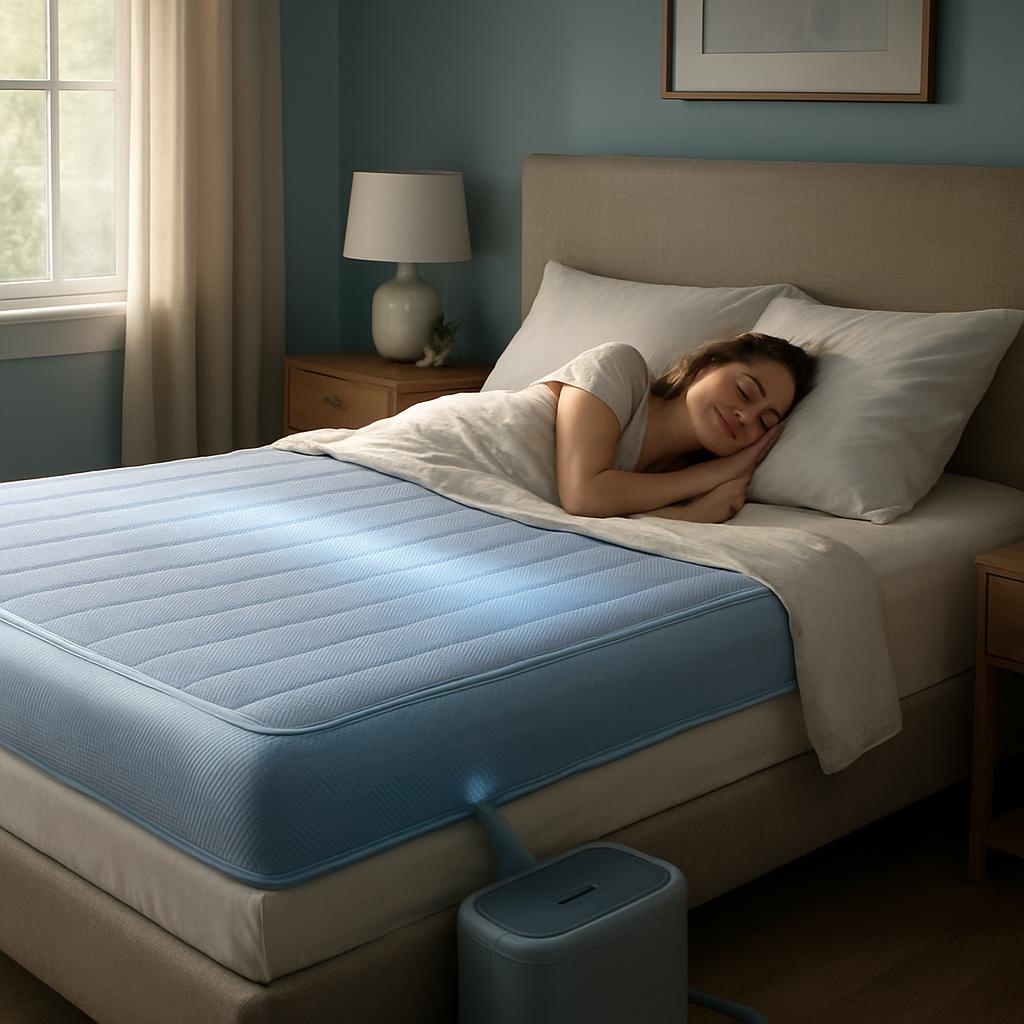
I've spent a lot of time researching and testing different hot sleeper solutions, and I can tell you that each option has its own strengths and weaknesses. A cooling mattress pad sits directly on top of your existing mattress and under your fitted sheet, creating a barrier between you and the heat-trapping materials of your bed. The best cooling mattress pad options use advanced materials like phase-change fabrics or gel-infused memory foam to actively pull heat away from your body throughout the night.
What makes cooling mattress pads particularly appealing is their versatility and affordability compared to other solutions. You don't need to replace your entire mattress or invest in expensive electronic cooling systems. Instead, you're adding a layer of temperature regulating technology that works with your current sleep setup. This is especially helpful if you have a quality mattress that you otherwise love but just runs a bit too warm.
One thing I really appreciate about cooling mattress pads is how they address the root cause of night sweat problems without changing your entire sleep environment. Traditional mattress pads were designed primarily for protection against spills and stains, but a specialized cooling mattress protector does double duty by keeping your mattress clean while also actively working to regulate your body temperature.
The technology behind temperature regulating mattress pads has come a long way in recent years. Modern cooling bedding materials use sophisticated fabrics that respond to your body's temperature fluctuations. When you start to warm up, these materials absorb excess heat. When you cool down, they release it back. This creates a more stable sleeping temperature throughout the night, which is exactly what hot sleepers need for night sweat relief.
Another advantage of cooling mattress pads over other solutions is that they're generally easier to maintain and clean. Most can be machine washed, which means you can keep them fresh and hygienic without a lot of hassle. This is particularly important if you're dealing with night sweats, since you'll want to wash your bedding more frequently.
That said, cooling mattress pads aren't the only option out there, and depending on your specific situation, you might find that a different solution works better for you. Some people prefer cooling mattress toppers because they add extra cushioning along with temperature regulation. Others invest in comprehensive bed cooling systems that use water circulation or air flow technology. And of course, there are also cooling sheets, pillows, and other bedding accessories that can help create a cooler sleep environment.
The key is understanding what each solution offers and how it might fit into your overall strategy for managing night sweats. A mattress pad for night sweats is often the most practical first step because it's relatively affordable, easy to install, and can make a noticeable difference without requiring any major changes to your bedroom setup.
Cooling Mattress Toppers vs. Traditional Mattress Pads
When you're shopping for night sweat relief, you'll quickly notice that cooling mattress toppers and cooling mattress pads are often talked about as if they're the same thing, but they actually serve different purposes. Understanding these differences is important because choosing the wrong one could leave you disappointed or spending more money than you need to.
A traditional mattress pad is typically a thin layer of fabric that sits on top of your mattress, held in place by elastic corners. Its primary job has always been protection against spills, allergens, and general wear and tear on your mattress. These pads usually add very little to the feel of your bed, maybe a quarter inch to half an inch of padding at most. They're designed to be nearly invisible in terms of how your bed feels while providing that protective barrier.
A cooling mattress topper, on the other hand, is much thicker and more substantial. Most toppers range from one to four inches in thickness, and they're specifically designed to change how your mattress feels. A breathable mattress topper doesn't just protect your mattress—it actually modifies the comfort level and support characteristics of your bed while also addressing temperature issues.
Here's where it gets interesting for hot sleepers. Both products can incorporate cooling technology, but they do it in different ways and to different degrees. A temperature regulating mattress pad focuses primarily on cooling without adding much cushioning. The best cooling mattress pad options use thin layers of cooling gel, phase-change materials, or specially engineered fabrics that actively work to dissipate heat.
| Feature | Cooling Mattress Topper | Cooling Mattress Pad |
|---|---|---|
| Thickness | 1-4 inches | 0.25-0.5 inches |
| Primary Purpose | Change mattress feel and provide cooling | Protect mattress and regulate temperature |
| Cooling Technology | Gel foam, ventilated foam, copper-infused materials | Phase-change fabrics, moisture-wicking materials |
| Price Range | Higher ($100-$400+) | Lower ($50-$200) |
| Impact on Comfort | Significantly changes mattress feel | Minimal change to mattress feel |
| Best For | Uncomfortable mattress needing both cooling and comfort adjustment | Good mattress that just sleeps too hot |
Cooling mattress toppers incorporate their temperature regulation into the foam or fill material itself. You might see gel-infused memory foam, ventilated latex, or copper-infused foam, all designed to promote airflow and pull heat away from your body. Because they're thicker, toppers have more material to work with, which can sometimes mean more effective cooling. However, they also change the fundamental feel of your mattress, which might not be what you want if you already like how your bed feels.
I've found that if your main complaint is night sweats but you're otherwise happy with your mattress comfort, a cooling mattress pad is usually the better choice. It gives you the temperature regulation you need without altering the support and feel you already enjoy. Plus, mattress pads are generally more affordable, which means you can try out the cooling bedding materials concept without making a huge investment.
On the flip side, if your mattress is too firm, too soft, or just uncomfortable in addition to sleeping hot, then a cooling mattress topper might be the better hot sleeper solution. You're essentially solving two problems at once—improving your comfort while also addressing the temperature issues. Just keep in mind that toppers are more expensive and can be harder to clean and maintain than pads.
Another consideration is how each option affects your sheets. Mattress pads are thin enough that your fitted sheets should still fit normally. Toppers, especially thicker ones, might require deep-pocket sheets to accommodate the extra height. This is a small detail, but it's one more thing to think about when making your decision.
For most people dealing specifically with night sweats, I recommend starting with a quality cooling mattress pad. It's the most cost-effective way to test whether a temperature regulating mattress pad will solve your problems. If you find that you need more cooling power or want to change your mattress feel as well, you can always upgrade to a cooling mattress topper later.
Choosing Between Cooling Pads and Bed Cooling Systems
Beyond cooling mattress pads and toppers, there's another category of hot sleeper solutions that takes a completely different approach: active bed cooling systems. These systems use electricity to actively cool your bed, and they can be incredibly effective for severe night sweats. But are they worth the extra cost and complexity compared to a simpler cooling mattress pad?
Active bed cooling systems typically work in one of two ways. Some use water circulation, where a control unit chills water and pumps it through tubes in a mattress pad that you sleep on. Others use air circulation, blowing cool air through channels in a special mattress cover or pad. Both approaches can lower your bed's surface temperature significantly, sometimes by 10 to 20 degrees or more.
The cooling power of these systems is undeniably impressive. If you're someone who wakes up drenched in sweat even in a cool bedroom, an active cooling system might provide relief that a passive cooling mattress pad simply can't match. These systems let you set a specific temperature and maintain it throughout the night, giving you precise control over your sleep environment.
However, active cooling systems come with some significant drawbacks that you should consider carefully. First, there's the cost. While the best cooling mattress pad might run you $100 to $200, a quality bed cooling system typically costs $500 to $2,000 or more. That's a substantial investment, and you need to be pretty sure it's going to solve your problem before you commit that much money.
Second, these systems require electricity and regular maintenance. The water-based systems need to be cleaned periodically to prevent mold and bacteria growth. The pumps and control units can break down and need repair or replacement. You're essentially adding another appliance to your bedroom that needs care and attention. A temperature regulating mattress pad, by contrast, requires nothing more than occasional washing.
Third, some people find the noise from active cooling systems disruptive to sleep. While manufacturers have worked to make these systems quieter, you can still often hear the pump running or air circulating. If you're a light sleeper or easily disturbed by background noise, this could actually make your sleep worse rather than better.
There's also the question of energy use. Running an active cooling system every night adds to your electricity bill. The amount varies depending on the system and how cold you set it, but it's another ongoing cost to factor into your decision. Passive cooling bedding materials, on the other hand, use no electricity at all.
That said, active cooling systems do have their place. If you have a medical condition that causes severe night sweats, if you live in an extremely hot climate without air conditioning, or if you've tried everything else and nothing has worked, the investment might be justified. These systems can provide a level of cooling that's simply impossible with passive solutions alone.
Another middle-ground option worth considering is a dual-zone system if you sleep with a partner who has different temperature preferences. Some active cooling systems let each side of the bed maintain a different temperature, which can be a relationship-saver when one person is a hot sleeper and the other is always cold. You can't really achieve this level of customization with a standard cooling mattress pad.
For most people dealing with ordinary night sweats, though, I believe a high-quality cooling mattress pad is the smarter starting point. It addresses the problem effectively for a fraction of the cost, with none of the maintenance hassles or noise concerns. You can always upgrade to an active system later if you find that passive cooling isn't enough for your needs.
Think about your situation honestly. Are your night sweats severe enough to justify the expense and complexity of an active cooling system? Or would a breathable mattress topper or cooling mattress pad for night sweats likely give you the relief you need? For probably 80% of hot sleepers, the passive cooling approach works just fine and saves a lot of money and hassle in the process.
The beauty of starting with a mattress pad for night sweats is that it's a low-risk way to test whether temperature regulation really is the answer to your sleep problems. If it helps but doesn't quite solve the issue completely, you can then consider whether stepping up to an active system makes sense. But jumping straight to the most expensive option isn't necessary for most people, and you might find that you don't need anything more than a good quality temperature regulating mattress pad to finally get the night sweat relief you've been looking for.
Evaluating the Best Cooling Mattress Pads on the Market
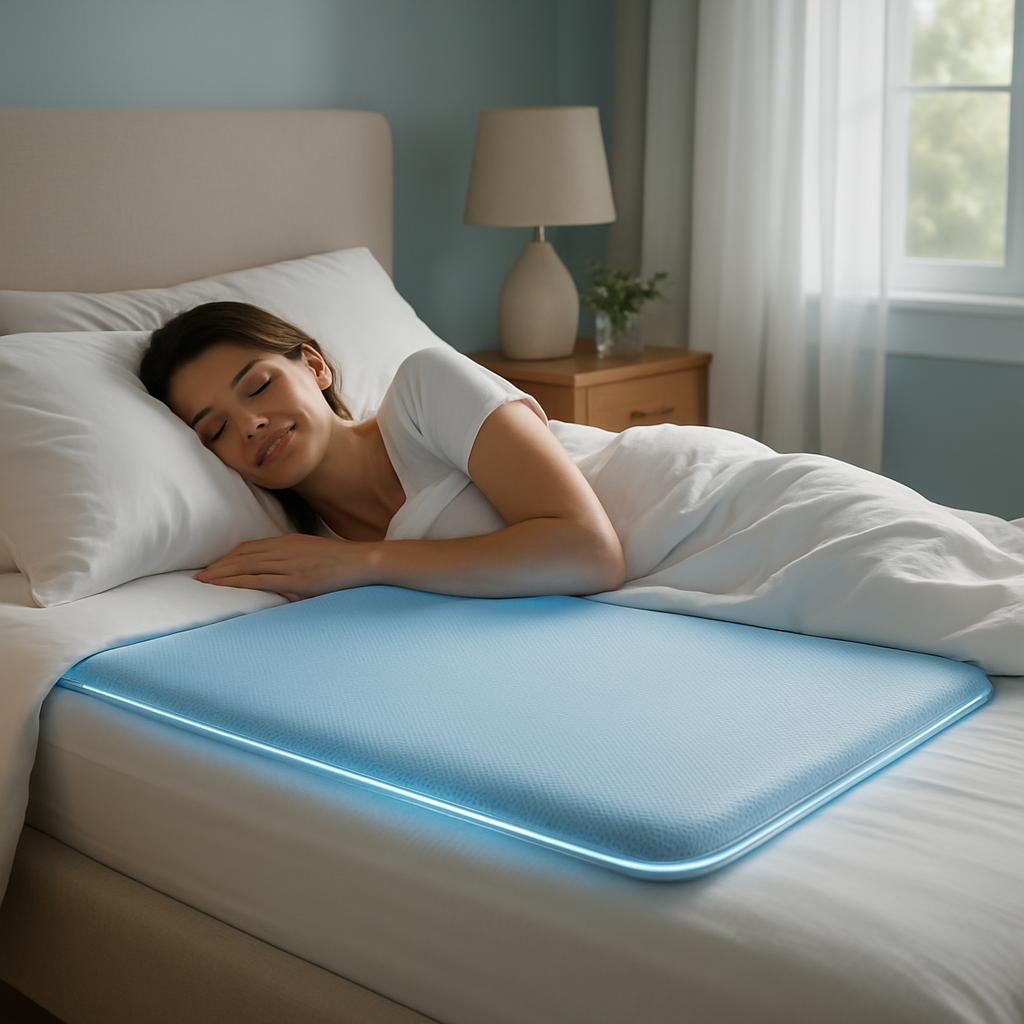
When you're shopping for the best cooling mattress pad to combat night sweats, you'll quickly realize there's no shortage of options claiming to be the ultimate solution for hot sleepers. I've spent considerable time researching and evaluating what's actually available, and I want to share what really matters when you're trying to separate genuine cooling performance from clever marketing.
The first thing I look for in any temperature regulating mattress pad is the quality of materials used in its construction. Not all cooling fabrics are created equal, and this becomes obvious once you understand how different materials interact with your body heat throughout the night. Phase change materials represent one of the most advanced technologies available today, actively absorbing excess heat when your body temperature rises and releasing it back when you cool down. This creates a more consistent sleep temperature rather than just providing a cool-to-the-touch sensation that quickly fades.
Another critical factor is breathability. A cooling mattress topper might feel cool initially, but if it doesn't allow proper airflow, you'll end up trapping heat and moisture against your body. Look for products with open-cell foam construction or materials specifically engineered with ventilation channels. These design elements ensure continuous air circulation throughout the night, which is essential for maintaining that cool, comfortable feeling from bedtime until morning.
I always recommend checking whether a cooling mattress pad offers moisture-wicking properties alongside temperature regulation. Night sweats aren't just about feeling hot—they involve actual perspiration that can leave you feeling clammy and uncomfortable. The best cooling mattress pads incorporate fabrics that actively pull moisture away from your skin, allowing it to evaporate quickly rather than pooling on the surface. This combination of cooling and moisture management delivers the most effective night sweat relief.
For those seeking premium cooling solutions, I've found that brands like Tempur-Pedic offer exceptional technology in their mattress protection products. The Tempur-Pedic Breeze Cooling Mattress Protector represents the kind of advanced cooling technology that goes beyond basic temperature regulation, incorporating multiple cooling mechanisms to address night sweats from different angles.
Don't overlook the importance of thickness when evaluating cooling mattress pads for night sweats. While you might think a thicker pad offers better cooling, that's not always the case. Sometimes a thinner design with superior materials performs better because it doesn't create additional insulation between you and the cooling technologies embedded in your mattress itself. Consider how your cooling pad will work with your existing sleep setup rather than viewing it as a standalone solution.
Top Picks for Breathable Mattress Toppers
After evaluating dozens of breathable mattress toppers, I've identified several standout options that consistently deliver on their cooling promises. What separates these top picks from the rest isn't just one feature—it's how multiple cooling technologies work together to create an environment where hot sleepers can finally get comfortable rest.
Gel-infused memory foam toppers rank among my favorite options for hot sleeper solutions. Unlike traditional memory foam that can trap heat, gel infusion helps dissipate warmth more effectively throughout the night. The gel particles act as tiny heat sinks, absorbing thermal energy from your body and spreading it across a larger surface area where it can dissipate more easily. This technology has improved dramatically over the past few years, with newer formulations offering significantly better cooling performance than earlier versions.
Natural latex toppers deserve serious consideration if you're looking for breathable mattress topper options. Latex inherently sleeps cooler than many synthetic materials because its open-cell structure promotes exceptional airflow. I particularly appreciate that latex maintains its supportive properties while staying cool—you don't have to sacrifice comfort for temperature regulation. The natural resilience of latex also means these toppers tend to last longer than some alternatives, making them a worthwhile investment for anyone dealing with chronic night sweats.
"I was skeptical about whether a mattress pad could really make a difference with my night sweats, but after three weeks with my new cooling topper, I'm sleeping through the night without waking up drenched. The breathable materials really work, and I love that it doesn't change the feel of my mattress too much." – Review from Sarah M., verified customer
Hybrid designs that combine multiple cooling technologies represent the cutting edge of temperature regulating mattress pads. These innovative products might layer cooling gel over breathable foam, or incorporate phase change materials into a moisture-wicking cover. While they typically cost more than single-technology options, the enhanced cooling performance often justifies the investment for serious hot sleepers who've struggled with less comprehensive solutions.
I've noticed that some of the best cooling mattress pads feature multi-zone designs that provide targeted cooling where you need it most. Your torso typically generates the most heat during sleep, so having enhanced cooling in this area while maintaining appropriate support everywhere else creates an optimal sleep environment. This thoughtful engineering makes a noticeable difference compared to products that take a one-size-fits-all approach to temperature management.
When evaluating breathable mattress toppers, pay attention to density specifications. Lower-density foams generally sleep cooler because they don't trap as much heat, but they may sacrifice some longevity and support. Finding the right balance between cooling performance and durability requires understanding your personal sleep preferences and how much support you need from your mattress pad versus your mattress itself.
Features to Look for in a Cooling Mattress Pad for Night Sweats
Understanding which features actually matter in a mattress pad for night sweats can save you from wasting money on products that sound impressive but don't deliver meaningful relief. I've learned through experience that certain characteristics consistently separate effective cooling solutions from disappointing purchases.
Cover fabric quality deserves your immediate attention. The outer layer of your cooling mattress pad serves as the first point of contact with your body, so it needs to feel comfortable while actively managing temperature and moisture. Look for covers made from performance fabrics like bamboo-derived rayon, Tencel, or specially engineered polyester blends designed for moisture wicking. These materials don't just feel cool—they actively transport perspiration away from your skin, which is absolutely critical for anyone experiencing regular night sweats.
Waterproof protection might seem counterintuitive in a breathable mattress topper, but modern waterproof technologies have evolved significantly. Today's best cooling mattress pads incorporate waterproof membranes that block liquids while remaining vapor-permeable, meaning moisture can escape as vapor even though liquid can't penetrate through. This protects your mattress investment without compromising the cooling performance you need for night sweat relief.
Machine washability ranks as one of the most practical features to consider. Night sweats mean your cooling mattress pad will need regular cleaning to stay fresh and hygienic. Products with removable, machine-washable covers offer significant advantages in terms of maintenance and long-term freshness. I always check care instructions before purchasing because hand-washing or dry-clean-only requirements become burdensome when you're dealing with frequent perspiration.
Temperature range specifications tell you a lot about how a cooling mattress topper will perform in your actual sleeping environment. Some cooling technologies work best within specific temperature ranges—performing excellently in warm rooms but offering little benefit in moderate climates. The most versatile temperature regulating mattress pads adapt to a wide range of ambient temperatures, helping you sleep comfortably whether you're running the air conditioning or sleeping with windows open on a cool evening.
Edge support might not seem relevant to cooling performance, but it affects how well your mattress pad stays in place throughout the night. If your cooling pad bunches up or slides around, you'll lose contact with its cooling surfaces, negating much of its benefit. Look for products with deep pocket corners, elastic edges, or anchor systems that keep everything properly positioned even if you tend to move around during sleep.
Thickness consistency across the entire pad ensures even cooling performance. Some lower-quality products have thicker sections that provide more cooling in certain areas while leaving others with minimal temperature regulation. The best cooling mattress pads maintain uniform thickness and cooling technology distribution so you get consistent relief regardless of your sleep position or where you happen to be on the bed.
Exploring Alternative Hot Sleeper Solutions
While cooling mattress pads deliver excellent results for many people struggling with night sweats, they're not the only solution worth considering. I've found that sometimes the best approach involves combining multiple strategies or exploring alternatives that might work better for your specific situation and sleep environment.
Cooling mattress technology has advanced significantly in recent years, with entire mattresses now designed specifically for hot sleepers. Rather than adding a cooling layer on top of your existing mattress, you might want to consider whether your mattress itself is contributing to your temperature problems. Traditional memory foam mattresses, while comfortable, can trap significant heat. Newer gel foam mattresses address this issue directly by incorporating cooling technologies throughout the entire sleep surface rather than just on top.
Sealy offers several excellent gel foam options that provide comprehensive cooling from the mattress itself. Their Sealy Lacey Soft Gel Foam Mattress integrates gel directly into the foam structure, creating a sleep surface that naturally dissipates heat rather than trapping it against your body. This approach can be more effective than adding cooling layers to a fundamentally warm mattress.
Adjustable bases represent another alternative worth exploring for hot sleeper solutions. By raising your head slightly or elevating your legs, you can improve circulation and airflow around your body, which helps regulate temperature naturally. Many people don't realize that sleep position significantly affects how much heat their body retains during the night. An adjustable base lets you find positions that promote better airflow and reduce the likelihood of waking up overheated.
Environmental controls in your bedroom deserve serious consideration as part of your overall strategy for managing night sweats. The best cooling mattress pad in the world won't perform optimally if your room temperature is too high or humidity levels are excessive. I recommend keeping your bedroom between 60 and 67 degrees Fahrenheit for optimal sleep, using a programmable thermostat that maintains consistent temperature throughout the night rather than allowing it to fluctuate.
Ceiling fans or personal fans create air circulation that significantly enhances the effectiveness of cooling bedding materials. Moving air helps evaporate moisture more quickly and prevents heat from building up in the microclimate around your body. When combined with a quality temperature regulating mattress pad, active air circulation can dramatically improve comfort for hot sleepers dealing with persistent night sweats.
Consider the weight and thickness of your duvet or comforter as part of your hot sleeper solution. Many people use the same bedding year-round without realizing how much their heavy comforter contributes to nighttime overheating. Switching to lighter, more breathable options during warmer months—or even year-round if you tend to sleep hot—can reduce the workload on your cooling mattress pad and improve overall comfort.
Cooling Sheets and Bedding Materials for Hot Sleepers
Your choice of sheets and bedding materials plays a surprisingly significant role in managing night sweats and maintaining comfortable sleep temperatures. I've discovered that even the best cooling mattress pad can be undermined by sheets that trap heat or don't wick moisture effectively, so it's worth paying attention to every layer of your sleep system.
Natural fibers generally outperform synthetic materials when it comes to breathability and moisture management. Cotton remains a popular choice, but not all cotton sheets deliver the same cooling performance. Thread count matters less than you might think—sheets with thread counts between 200 and 400 typically breathe better than ultra-high thread count options that can feel stifling for hot sleepers. Percale weave cotton offers a crisp, cool feel that many people prefer over the softer sateen weaves that tend to trap more heat.
The cooling bedding materials available today go far beyond traditional options. Here are some of the most effective materials I recommend for hot sleepers:
- Bamboo-derived fabrics offer exceptional moisture wicking and natural temperature regulation. These sheets feel silky smooth while remaining highly breathable, and they resist bacterial growth that can develop when you perspire regularly during sleep.
- Tencel (lyocell) represents one of the most advanced cooling bedding materials on the market. This sustainably-produced fiber absorbs moisture even more effectively than cotton while feeling incredibly soft and smooth against your skin. Tencel sheets help regulate temperature naturally by managing the moisture that contributes to feeling overheated.
- Linen sheets provide excellent breathability and actually improve with washing, becoming softer while maintaining their cooling properties. The natural texture of linen creates space between the fabric and your skin, promoting airflow that helps prevent heat buildup.
- Performance fabric blends engineered specifically for athletic wear have made their way into bedding. These high-tech materials incorporate moisture-wicking fibers and sometimes even phase change materials similar to those found in premium cooling mattress pads.
- Silk naturally regulates temperature by adjusting to your body heat, staying cool in summer and warm in winter. While more expensive than other options, silk sheets offer unique temperature-regulating properties that benefit hot sleepers year-round.
Color selection for your sheets might seem purely aesthetic, but lighter colors actually reflect heat rather than absorbing it, which can contribute to a cooler sleep environment. While this effect is relatively minor compared to material choice, every little bit helps when you're trying to manage persistent night sweats.
Pillowcase materials deserve the same attention as your sheets. Your head and neck generate significant heat during sleep, and using cooling, breathable pillowcases helps manage temperature in this critical area. Look for pillowcases made from the same performance materials as your cooling sheets to create a complete sleep system that addresses night sweats from every angle.
I've found that having multiple sets of cooling sheets allows you to rotate them more frequently, which is particularly important when dealing with night sweats. Being able to wash and swap sheets easily ensures you always have a fresh, clean sleep surface without the cooling benefits of your preferred materials becoming unavailable during laundry day.
Lifestyle Tips to Reduce Night Sweats for Better Sleep
Beyond investing in cooling bedding products, several lifestyle adjustments can significantly reduce the frequency and severity of night sweats. I've learned that addressing the root causes of temperature disruption often works better than relying solely on cooling products to manage symptoms.
Evening routines deserve careful consideration if you're dealing with regular night sweats. Taking a lukewarm shower about an hour before bed helps lower your core body temperature naturally, giving your body a head start on the cooling process before you even get into bed. Avoid hot showers right before sleep, as they temporarily raise your body temperature and can trigger increased perspiration once you're under the covers.
Your diet and fluid intake patterns directly affect how much you perspire during the night. Spicy foods, caffeine, and alcohol all increase metabolic rate and body temperature, making night sweats more likely and more severe. I recommend avoiding these triggers for at least three hours before bedtime. While staying hydrated is important, drinking too much liquid right before bed can also contribute to nighttime temperature regulation problems. Try to consume most of your daily fluids earlier in the day.
Exercise timing matters more than many people realize when it comes to managing night sweats. While regular physical activity improves sleep quality overall, working out too close to bedtime raises your core temperature and metabolic rate, potentially triggering increased perspiration during the night. Try to complete intense workouts at least four hours before your intended bedtime, giving your body adequate time to cool down and return to baseline temperature.
Stress and anxiety significantly contribute to night sweats for many people. When you're stressed, your body produces hormones that can trigger the same physiological responses as a hot environment, including increased perspiration. Developing a calming bedtime routine that includes relaxation techniques like gentle stretching, meditation, or reading helps signal your body that it's time to wind down. This mental shift often reduces the stress-related night sweats that cooling products alone can't address.
Weight management plays a role in temperature regulation during sleep. Extra body weight increases insulation and makes it more difficult for your body to dissipate heat effectively. If you're carrying excess weight and experiencing night sweats, losing even a modest amount can improve your body's natural cooling mechanisms. This doesn't mean you can't find relief from cooling products in the meantime, but it's worth considering as part of a comprehensive approach to managing night sweats.
Hormone fluctuations affect sleep temperature significantly, particularly for women experiencing menopause or perimenopause. If your night sweats coincide with other hormonal symptoms, consulting with your healthcare provider about hormone therapy or other medical interventions might address the underlying cause more effectively than cooling products alone. That said, a quality cooling mattress pad still provides symptomatic relief even when hormones are the primary trigger.
Sleep schedule consistency helps regulate your body's internal temperature control systems. Going to bed and waking up at the same times every day—even on weekends—strengthens your circadian rhythm, which in turn improves your body's ability to manage temperature appropriately throughout the night. This natural regulation works synergistically with cooling bedding materials to provide more consistent comfort.
Conclusion
Living with night sweats can feel incredibly frustrating, especially when it interrupts what should be restorative sleep. I've spent time exploring the many solutions available for hot sleepers, and I genuinely believe that finding the right cooling mattress pad can make a significant difference in your sleep quality and overall comfort. While a cooling mattress pad might not completely "cure" night sweats in the medical sense—particularly if they're caused by underlying health conditions—it absolutely can provide meaningful relief for many people who struggle with overheating during the night.
The best cooling mattress pad for you depends on several factors: your specific temperature needs, your budget, and what features matter most to your sleep experience. If you're someone who runs hot every single night, investing in a high-quality temperature regulating mattress pad with active cooling technology might be worth the extra expense. On the other hand, if you experience occasional warm nights, a breathable mattress topper made from natural materials could be the perfect solution without breaking the bank.
What I find most encouraging about the current market for cooling bedding materials is that there are now more options than ever before. Whether you choose a cooling mattress topper with gel-infused memory foam, a breathable mattress topper made from bamboo or latex, or even a water-circulating system for active cooling, you have the power to customize your sleep environment to match your body's needs. And remember, a mattress pad for night sweats works best when combined with other hot sleeper solutions—like choosing the right cooling sheets, adjusting your bedroom temperature, and being mindful of lifestyle factors that might contribute to overheating.
I want to emphasize that while shopping for night sweat relief products, it's important to read reviews, understand return policies, and give yourself time to adjust to any new sleep product. Your body might need a week or two to fully adapt to a new cooling mattress pad, so don't give up too quickly if you don't notice immediate results. Many of my customers have shared that their sleep improved gradually over time as they learned how to optimize their entire sleep environment.
If you're ready to take control of your sleep temperature and finally get the restful nights you deserve, I encourage you to explore the selection of mattress pads available at Sleepology. Your journey to cooler, more comfortable sleep starts with making an informed choice that fits your unique situation. There's no one-size-fits-all answer, but with the right information and the right product, you can transform those sweaty, restless nights into peaceful, temperature-balanced sleep. Better sleep is within reach, and it might be as simple as adding a cooling layer between you and your mattress. Sweet dreams and cool nights are waiting for you.
Frequently Asked Questions
What is the best cooling mattress pad for night sweats?
The best cooling mattress pad for night sweats depends on your specific needs and budget. Look for options with moisture-wicking fabrics, breathable materials like bamboo or cotton, and cooling technologies such as gel-infused memory foam or phase-change materials. Active cooling systems that circulate water or air tend to provide the most dramatic temperature reduction, while passive cooling options offer a more affordable solution for mild to moderate hot sleepers.
Can a cooling mattress pad really stop night sweats?
A cooling mattress pad can significantly reduce night sweats caused by sleeping too hot, but it won't completely stop night sweats caused by medical conditions like hormonal changes, medications, or infections. If your night sweats are severe or accompanied by other symptoms, it's important to consult with a healthcare provider. For temperature-related night sweats, a quality cooling mattress pad can provide substantial relief and help you sleep more comfortably.
How does a temperature regulating mattress pad work?
Temperature regulating mattress pads work through either passive or active cooling methods. Passive cooling uses breathable materials and heat-dispersing technologies to pull heat away from your body naturally. Active cooling systems use water circulation, air flow, or thermoelectric cooling to actively reduce the surface temperature of your sleeping area. Both types can effectively manage your sleep temperature, with active systems generally providing more dramatic cooling effects.
What's the difference between a cooling mattress pad and a cooling mattress topper?
A cooling mattress pad is typically thinner (usually less than 1 inch) and fits like a fitted sheet over your mattress, primarily focused on temperature regulation and protection. A cooling mattress topper is generally thicker (2-4 inches) and adds both cooling properties and additional comfort or support to your existing mattress. Toppers can change the feel of your mattress more significantly, while pads offer a lighter-weight cooling solution without dramatically altering mattress firmness.
Are breathable mattress toppers better than cooling gel options?
Both breathable mattress toppers and cooling gel options have their advantages. Breathable toppers made from materials like latex, bamboo, or wool provide excellent airflow and are often more eco-friendly and hypoallergenic. Cooling gel toppers offer more immediate cooling sensations and can feel cooler to the touch initially. For long-term temperature regulation throughout the night, breathable materials often perform better, while gel options might be preferable if you want that instant cool feeling when you first lie down.
How long do cooling mattress pads last?
Most quality cooling mattress pads last between 3 to 5 years with proper care and maintenance. The lifespan depends on the materials used, how frequently you use it, and how well you maintain it. Active cooling systems with electronic components may require more maintenance and could have shorter lifespans for their mechanical parts, though the pad itself can last just as long. Regular washing according to manufacturer instructions and using a mattress protector can help extend the life of your cooling mattress pad.
Can I wash my cooling mattress pad?
Most cooling mattress pads are machine washable, but you should always check the manufacturer's care instructions first. Generally, you'll want to use cold water on a gentle cycle and avoid harsh detergents or bleach that could damage the cooling materials. Many cooling technologies can withstand regular washing, but some gel-infused or phase-change materials may have specific care requirements. Air drying or using low heat in the dryer is typically recommended to preserve the cooling properties.
Do cooling mattress pads work with all mattress types?
Yes, cooling mattress pads are compatible with virtually all mattress types, including memory foam, innerspring, hybrid, and latex mattresses. However, if you have a pillow-top or extra-thick mattress, you may need to look for a cooling pad with deep pockets or extra-long elastic straps to ensure a secure fit. Some cooling pads work particularly well with memory foam mattresses, which tend to trap more heat, making the cooling benefits even more noticeable.
Will a cooling mattress pad make my bed feel too cold in winter?
Most temperature regulating mattress pads are designed to maintain a neutral, comfortable temperature rather than making your bed ice cold. They work by dissipating excess heat, not by actively refrigerating your sleeping surface. In winter, you can easily layer warmer bedding on top, and the pad will simply help prevent overheating under your blankets. Many hot sleepers actually appreciate having a cooling pad year-round because it helps them stay comfortable regardless of the season.
What are the best cooling bedding materials for hot sleepers?
The best cooling bedding materials for hot sleepers include natural fibers like cotton (especially percale weave), bamboo, linen, and Tencel. These materials are highly breathable and moisture-wicking. For mattress pads and toppers specifically, look for latex foam, gel-infused memory foam, or materials with phase-change technology. Avoid synthetic materials like polyester that trap heat, and opt for fabrics with a lower thread count (around 200-400) which allows for better airflow.
How much should I expect to spend on a quality cooling mattress pad?
Quality cooling mattress pads typically range from $50 to $300, depending on the size, materials, and cooling technology used. Basic breathable pads with moisture-wicking fabrics start around $50-$100, while pads with advanced cooling technologies like gel infusions or phase-change materials range from $100-$200. Active cooling systems with water circulation or thermoelectric components can cost $300 or more. While more expensive options offer advanced features, many mid-range cooling pads provide excellent night sweat relief for most hot sleepers.
Can I use a mattress protector over my cooling mattress pad?
You can use a mattress protector over your cooling mattress pad, but make sure to choose a breathable, moisture-wicking protector that won't interfere with the cooling properties. Look for protectors made from materials like bamboo or those specifically designed to be cooling themselves. Avoid waterproof protectors with plastic or vinyl backing, as these can trap heat and negate the benefits of your cooling pad. Many brands make breathable waterproof protectors that offer protection without sacrificing temperature regulation.
What lifestyle changes can help reduce night sweats besides using a cooling mattress pad?
Several lifestyle adjustments can help reduce night sweats: keep your bedroom temperature between 60-67°F, avoid eating spicy foods or drinking alcohol before bed, wear lightweight pajamas made from breathable fabrics, stay hydrated throughout the day, exercise earlier in the day rather than close to bedtime, and manage stress through relaxation techniques. Using a fan or improving bedroom ventilation can also help. Combining these strategies with a cooling mattress pad creates the best environment for night sweat relief.
Do cooling mattress pads help with hot flashes during menopause?
Yes, many people experiencing hot flashes during menopause find significant relief using cooling mattress pads. While the pad won't stop the hot flashes themselves, it can help manage the temperature discomfort they cause and make it easier to fall back asleep after an episode. Temperature regulating mattress pads are particularly helpful because they quickly absorb and dissipate the excess heat from hot flashes. Many customers going through menopause report that a quality cooling mattress pad is one of the most effective tools for managing nighttime symptoms.
How quickly will I notice a difference after adding a cooling mattress pad?
Most people notice some improvement in their sleep temperature on the very first night of using a cooling mattress pad, though the full benefits may take a week or two to fully appreciate as your body adjusts. The immediate cooling sensation varies depending on the type of pad—gel-infused options often provide instant coolness, while breathable materials may take a few hours to regulate temperature. Give your new cooling mattress pad at least two weeks of consistent use before deciding if it's the right solution for your night sweat relief needs.