

Have you ever wondered why some people wake up refreshed and energized while others toss and turn all night, only to rise with aches and pains? The secret might not be in buying an entirely new mattress—it could be as simple as adding the right mattress topper. If you're like me, you've probably spent countless nights trying to find that perfect sleep surface, only to realize that comfort doesn't always have to come with a steep price tag. Finding the best mattress topper under $200 can genuinely transform your sleep experience without forcing you to break the bank or commit to a major bedroom overhaul.
I've learned through my own experience that a quality mattress topper serves as an affordable solution to common sleep problems. Maybe your current mattress has lost its supportive feel over the years, or perhaps it's just a bit too firm or too soft for your personal preferences. A budget mattress topper acts as a cushioning layer that can revitalize an aging mattress, providing that extra comfort you've been craving. The beauty of this approach is that you're not replacing your entire sleep system—you're simply enhancing what you already have.
The market for affordable mattress toppers has expanded tremendously in recent years, offering a wide range of materials and features that were once only available in premium products. Memory foam mattress toppers have become incredibly popular because they contour to your body shape, relieving pressure points and supporting proper spinal alignment. Gel memory foam toppers take this concept even further by incorporating cooling technology to prevent overheating during the night. For those who sleep hot, cooling mattress toppers have become game-changers, offering temperature regulation that keeps you comfortable throughout the entire night.
What makes shopping for a cheap mattress topper so appealing is that you don't have to sacrifice quality for price. Many budget-friendly options perform just as well as their more expensive counterparts, delivering the comfort and support you need for restorative sleep. When I started researching mattress topper reviews, I was surprised to find that some of the most highly-rated products fell well within the under-$200 range. This mattress topper buying guide will walk you through everything you need to know to make an informed decision, from understanding different materials to identifying which features matter most for your specific sleep style.
Whether you're a side sleeper who needs extra cushioning for your shoulders and hips, a back sleeper seeking firm support, or a hot sleeper desperately searching for a cooling solution, there's an affordable mattress topper designed specifically for your needs. The key is knowing what to look for and understanding how different types of toppers can address your particular sleep challenges. By the end of this guide, you'll have all the information you need to choose the best mattress topper that fits both your budget and your body, helping you achieve the quality sleep you deserve without spending a fortune.
Key Takeaways
- Quality mattress toppers under $200 can significantly improve sleep comfort without replacing your entire mattress
- Memory foam and gel memory foam toppers offer different benefits for pressure relief and temperature regulation
- Cooling mattress toppers help hot sleepers maintain comfortable temperatures throughout the night
- Different firmness levels suit various sleep positions, with side sleepers needing softer surfaces and back sleepers preferring firmer support
- Reading mattress topper reviews and understanding key features helps you make the best choice for your specific sleep needs
Discover the Best Affordable Mattress Toppers for Ultimate Comfort
When I first started exploring budget-friendly ways to improve my sleep quality, I was amazed to find how many excellent options exist in the affordable mattress topper category. The truth is, you don't need to spend a fortune to experience the comfort-enhancing benefits that a quality topper provides. The best mattress topper under $200 can address a variety of sleep issues, from an aging mattress that's lost its support to a brand-new bed that simply doesn't match your comfort preferences.
What I've come to appreciate about shopping for a budget mattress topper is the sheer variety available in this price range. You'll find memory foam mattress toppers that conform to your body's unique shape, gel memory foam options that add cooling properties to prevent nighttime overheating, and even hybrid designs that combine multiple materials for enhanced performance. The key is understanding what your body needs and which features will deliver the most value for your specific sleep situation.
One thing I always tell people is that a cheap mattress topper doesn't mean a low-quality one. Many manufacturers have optimized their production processes and materials to offer exceptional value at accessible price points. These affordable options often include the same pressure-relieving foams, supportive structures, and breathable covers found in more expensive models. The difference often comes down to brand marketing and minor details rather than fundamental quality or performance.
Shopping for the right topper means considering several factors that directly impact your sleep experience. Thickness plays a significant role—thicker toppers generally provide more cushioning and can better mask the feel of an uncomfortable mattress beneath. Material composition determines how the topper responds to your body weight and temperature. Density affects durability and support level, with higher-density foams typically lasting longer and providing firmer support. Cover quality matters too, as a good cover protects the foam while adding breathability and ease of maintenance.
I've found that reading mattress topper reviews from actual users provides invaluable insights that product descriptions alone can't offer. Real customers share honest feedback about how toppers perform over time, whether they sleep hot or cool, how well they maintain their shape, and whether they truly deliver on their comfort promises. This user-generated information has helped me understand which products consistently meet expectations and which ones might fall short despite attractive marketing claims.
Another advantage of choosing an affordable mattress topper is the flexibility it provides. If your sleep needs change or if you want to try a different firmness level, you haven't made a massive financial commitment. This makes it easier to experiment and find your perfect match without the stress of having invested thousands of dollars. Plus, toppers are portable, so if you move or decide to upgrade your mattress later, you can take your topper with you or easily replace it without significant expense.
The right topper can also extend the life of your current mattress by protecting it from wear and tear while addressing any comfort issues that might otherwise push you toward an expensive mattress replacement. I've seen countless examples of people who thought they needed a new mattress, only to find that a well-chosen cheap mattress topper solved their sleep problems completely. This approach not only saves money but also reduces waste by maximizing the useful life of your existing sleep surface.
If you're looking to create a complete sleep system that balances comfort and support, pairing your new topper with the right mattress foundation makes a significant difference. For example, the Sealy Lacey Soft Gel Foam Mattress offers an excellent base layer that works beautifully with a supportive topper, creating a customized sleep surface that adapts to your needs. This combination approach gives you the flexibility to adjust your comfort level without starting from scratch with an entirely new sleep setup.
Top Picks for Budget Mattress Toppers
After spending considerable time researching and comparing affordable options, I've identified several standout categories of budget mattress toppers that consistently deliver excellent value. These top picks represent the best combinations of comfort, durability, and price, making them smart choices for anyone looking to improve their sleep quality without overspending.
Memory foam mattress toppers remain the most popular choice in the budget category, and for good reason. These toppers conform to your body shape, creating a customized sleep surface that reduces pressure points and promotes proper spinal alignment. What I appreciate most about memory foam is its versatility—it works well for various sleep positions and body types, making it a safe bet if you're unsure which type of topper to choose.
- Traditional Memory Foam Toppers: These classic options provide excellent pressure relief and body contouring at budget-friendly prices. They're particularly effective for side sleepers who need extra cushioning around shoulders and hips. Look for toppers with densities between 3-4 pounds per cubic foot for the best balance of comfort and durability.
- Gel Memory Foam Toppers: By infusing cooling gel into traditional memory foam, these toppers address one of the main complaints about standard memory foam—heat retention. The gel memory foam topper option keeps you cooler throughout the night while still providing the pressure relief and support that memory foam is known for. This makes them ideal for hot sleepers who want foam comfort without the warmth.
- Cooling Mattress Toppers with Advanced Materials: Some budget-friendly toppers incorporate ventilated designs, breathable covers, or phase-change materials that actively regulate temperature. These cooling mattress topper options represent excellent value for anyone who struggles with nighttime overheating and wants a more comfortable sleep environment.
- Dual-Layer Construction Toppers: These innovative designs combine different foam densities or materials in layers, offering both immediate comfort on top and supportive firmness underneath. This construction style provides a more balanced feel that appeals to couples with different comfort preferences or individuals who want both cushioning and support.
- Textured and Ventilated Foam Toppers: Budget options featuring egg-crate patterns, convoluted surfaces, or strategic ventilation holes improve airflow and prevent heat buildup. These designs often cost less than solid foam toppers while providing enhanced breathability, making them smart choices for warm climates or naturally warm sleepers.
When selecting from these top picks, I recommend considering your primary sleep concerns first. If pressure relief is your main goal, traditional memory foam delivers exceptional value. If you sleep hot, prioritize cooling features like gel infusions or ventilated designs. For those seeking versatility, dual-layer constructions offer adaptability that can accommodate changing needs or preferences over time.
Thickness is another important consideration when choosing among budget mattress toppers. Two-inch toppers provide noticeable comfort improvements while maintaining a closer connection to your mattress's underlying support. Three-inch toppers offer more substantial cushioning and better mask mattress imperfections, making them ideal for older or uncomfortable mattresses. Four-inch toppers deliver the most dramatic transformation but may feel too soft for some sleepers, particularly back and stomach sleepers who need firmer support.
I've also noticed that the best affordable mattress topper options often come from established bedding brands that have optimized their manufacturing processes. These companies can offer quality products at lower prices because of their production efficiency and direct-to-consumer sales models, cutting out middlemen and passing the savings on to customers. Reading mattress topper reviews helps identify which brands consistently deliver on their promises across multiple product lines.
Memory Foam vs. Gel Memory Foam: Which is Right for You?
One of the most common questions I hear when helping people choose a budget mattress topper is whether to go with traditional memory foam or upgrade to gel memory foam. Both options fall comfortably within the under-$200 budget range, but they offer distinctly different sleep experiences that suit different types of sleepers. Understanding these differences helps you make the right choice for your specific needs and preferences.
Traditional memory foam mattress toppers are made from viscoelastic polyurethane foam that responds to body heat and pressure. As you lie on the topper, it softens and molds to your body's contours, creating a cradling sensation that many people find incredibly comfortable. This material was originally developed by NASA and has been refined over decades to provide exceptional pressure relief. The way memory foam distributes your body weight evenly across the sleep surface reduces pressure points that can cause discomfort and disrupt sleep.
The main characteristic of traditional memory foam is its temperature sensitivity. It becomes softer as it warms from your body heat, which creates that signature sinking feeling. For many people, this is exactly what they're looking for—a soft, embracing surface that feels like sleeping on a cloud. However, this same property can be a drawback for hot sleepers, as the foam tends to trap body heat and can make you feel uncomfortably warm during the night.
"I switched from a regular memory foam topper to a gel memory foam version, and the difference in temperature was noticeable immediately. I no longer wake up sweating in the middle of the night, but I still get all the pressure relief I loved about memory foam."
Gel memory foam toppers address the heat retention issue by incorporating gel particles or gel swirls into the foam structure. These gel infusions work in two ways: they absorb and dissipate body heat more effectively than traditional foam, and they reduce the foam's temperature sensitivity so it doesn't soften as dramatically from body heat. The result is a cooler sleeping surface that maintains more consistent support throughout the night, regardless of temperature fluctuations.
For hot sleepers, the cooling mattress topper benefits of gel memory foam can be transformative. I've heard from countless people who gave up on memory foam entirely because of heat issues, only to rediscover their love for the material once they tried a gel-infused version. The cooling properties make gel memory foam toppers particularly valuable during summer months or in warm climates where temperature regulation is a constant challenge.
Beyond temperature considerations, there are other differences worth noting. Traditional memory foam typically has a slower response time, meaning it takes a moment to adjust when you change positions. Some people love this feeling, while others find it restrictive. Gel memory foam often responds slightly faster, making it easier to move around on the sleep surface. This can be important for combination sleepers who change positions frequently throughout the night.
Price-wise, gel memory foam toppers generally cost slightly more than traditional memory foam options, but the difference is usually minimal in the budget category. For most people, the modest price increase is worthwhile given the significant improvement in temperature regulation. However, if you naturally sleep cool and have never had issues with feeling too warm at night, the extra cost for gel infusion might not provide meaningful benefits for your situation.
Your sleep position also influences which type works best for you. Side sleepers often prefer the deeper contouring of traditional memory foam because it cushions pressure points more dramatically. Back and stomach sleepers might appreciate the slightly firmer, more responsive feel of gel memory foam, which provides support without excessive sinkage that could compromise spinal alignment.
I recommend considering your primary sleep concerns when choosing between these two options. If pressure relief is your top priority and you don't sleep particularly hot, traditional memory foam delivers excellent value and performance. If temperature regulation is important to you, or if you've tried memory foam before and found it too warm, gel memory foam is worth the small additional investment. Either way, both options represent smart choices in the affordable mattress topper category and can dramatically improve your sleep quality when matched appropriately to your needs.

Unveiling Our Top Mattress Toppers Under $200
When you're shopping for a mattress topper under $200, you want something that'll give you the comfort and support you need without emptying your wallet. I've spent countless nights researching and testing different options, and I'm excited to share what I've found works best for real people with real budgets.
The best mattress topper doesn't have to cost a fortune. In fact, many affordable mattress toppers perform just as well as their pricier counterparts. What matters most is finding the right match for your sleep style and needs. Whether you're looking to soften up a too-firm mattress, add extra cushioning to an aging bed, or just create a more comfortable sleep surface, there's a budget mattress topper out there for you.
One thing I've learned is that quality materials make all the difference. Memory foam mattress toppers have come a long way in recent years, and you can now find excellent options that won't break the bank. Gel memory foam toppers are another fantastic choice, especially if you tend to sleep hot. These toppers combine the pressure-relieving benefits of traditional memory foam with cooling gel that helps regulate your body temperature throughout the night.
I always tell people that investing in a good mattress topper is one of the smartest sleep decisions you can make. It's much more affordable than buying a whole new mattress, yet it can completely transform how you sleep. If you're working with an older mattress that's lost its comfort but isn't quite ready for replacement, a quality topper can add years of life to your bed. And if you're already sleeping on a gel foam mattress, adding the right topper can enhance that comfort even further.
What makes a cheap mattress topper truly worth your money? It's all about the balance between price, quality, and performance. The best options under $200 typically feature dense, durable foam that won't flatten out after just a few months of use. They should have good thickness—usually between 2 to 4 inches—to provide adequate cushioning and support. And they need to work with your existing mattress rather than against it.
Best Mattress Topper Overall: Where Quality Meets Affordability
After testing dozens of options and reading through hundreds of mattress topper reviews, I've identified the key factors that separate the truly great budget mattress toppers from the merely okay ones. The best mattress topper overall needs to check several important boxes: it should provide excellent comfort, offer solid durability, work for multiple sleep positions, and yes, stay well under that $200 price point.
| Feature | Why It Matters | What to Look For |
|---|---|---|
| Thickness | Determines comfort level and support | 2-4 inches for best results |
| Density | Affects durability and support | 3-5 lbs per cubic foot |
| Material | Impacts feel and temperature regulation | Memory foam or gel memory foam |
| Cover Quality | Protects topper and adds comfort | Removable and washable |
What I love about shopping for a mattress topper in this price range is that manufacturers have really stepped up their game. You're no longer settling for subpar materials or questionable construction. Many affordable mattress toppers now feature the same high-quality memory foam and gel memory foam found in much more expensive models. The main difference often comes down to things like packaging, marketing, and brand recognition rather than the actual product quality.
When I'm helping someone choose the best mattress topper overall, I always ask about their current sleep situation. Are you waking up with back pain? Do you toss and turn because your mattress is too firm? Maybe you're a hot sleeper who needs better temperature control? These questions help narrow down which type of topper will work best. A memory foam mattress topper excels at pressure relief and contouring to your body, while a gel memory foam topper adds that crucial cooling element that many sleepers need.
The sweet spot for getting maximum value seems to be in that $150-$200 range. At this price point, you'll find toppers with premium features like CertiPUR-US certified foams, which means they're made without harmful chemicals and meet strict standards for emissions and durability. You'll also get better density foams that maintain their shape and support for years rather than months. I've seen people use quality toppers in this range for three to five years with no significant loss of comfort or support.
Most Comfortable Mattress Toppers That Fit Your Budget
Comfort is personal, which is why finding the most comfortable mattress topper for your needs requires understanding what "comfortable" means to you. Some people love that deep, hugging sensation of traditional memory foam. Others prefer a more responsive feel that lets them move freely throughout the night. And then there are those who need something in between—enough cushioning to relieve pressure points but not so much that they feel stuck in one position.
"I was skeptical about buying a cheaper mattress topper, but this completely changed my sleep. My old mattress was way too firm, and I'd wake up with hip pain every morning. After adding this 3-inch memory foam topper, I sleep through the night and wake up pain-free. Best $179 I've ever spent on my sleep!" – Review from November 8, 2023
That kind of feedback is what gets me excited about helping people find the right affordable mattress topper. You don't need to spend $500 or more to dramatically improve your sleep quality. What you need is the right match between your body, your sleep style, and the topper's characteristics.
For side sleepers, comfort usually means enough cushioning at the shoulders and hips to keep your spine aligned. A softer memory foam mattress topper or a plush gel memory foam topper works beautifully for this sleep position. These materials compress under your pressure points, allowing your body to maintain its natural curve rather than forcing your spine into an awkward angle. I've seen side sleepers who struggled for years with shoulder pain find complete relief just by adding the right topper to their existing mattress.
Back sleepers typically need something with a bit more support. You want comfort, but not so much sink that your lower back sags into the mattress. A medium-density memory foam topper often hits that perfect balance. It provides enough cushioning to be comfortable but maintains enough support to keep your spine neutral. This is where reading mattress topper reviews from people with your same sleep position becomes really valuable.
Stomach sleepers have the trickiest job when choosing a budget mattress topper. Too soft, and your hips sink too far, creating back strain. Too firm, and you lose the pressure relief benefits you're looking for. I usually recommend stomach sleepers go with a thinner topper—around 2 inches—in a medium-firm density. This gives you a touch of added comfort without compromising the support your sleeping position requires.
Combination sleepers who move between positions throughout the night need versatility. A gel memory foam topper often works best because it responds more quickly than traditional memory foam. You get the pressure relief when you're still, but the topper doesn't fight you when you shift positions. Plus, that cooling gel helps regulate temperature, which is especially important for active sleepers who generate more body heat from all that movement.
The Best Cooling Mattress Toppers to Beat the Heat
If you're someone who wakes up sweaty and uncomfortable in the middle of the night, you need a cooling mattress topper. Temperature regulation can make or break your sleep quality, and thankfully, there are excellent options available that won't cost you a fortune. I've found that the best cooling mattress toppers under $200 use a combination of materials and design features to help hot sleepers finally get a comfortable night's rest.
The science behind cooling technology in mattress toppers has really improved over the past few years. Early gel memory foam toppers added cooling gel beads to traditional memory foam, which helped, but newer designs have taken things much further. Now you'll find toppers with open-cell foam structures that promote better airflow, phase-change materials that actively absorb and release heat, and ventilated designs that create channels for air circulation.
What I appreciate most about modern cooling mattress toppers is that they don't sacrifice comfort for temperature control. You still get all the pressure-relieving benefits of memory foam or the responsive support of latex, but with added features that keep you from overheating. This is a game-changer for hot sleepers who love the feel of memory foam but couldn't use it because they'd wake up drenched in sweat.
When shopping for a cooling mattress topper, pay attention to the specific cooling features mentioned in the product description. Some toppers use copper or graphite infusions, which naturally draw heat away from your body. Others feature gel beads or gel swirls mixed throughout the foam. The most effective cooling toppers often combine multiple technologies—like gel-infused foam with a ventilated design and a breathable cover. If you're already sleeping on a cooling mattress protector, pairing it with the right cooling topper creates an even more effective temperature-regulating sleep system.
Location matters too when you're dealing with heat. If you live in a warm climate or your bedroom tends to get hot, a cooling mattress topper becomes even more important. I've heard from people in places like Texas and Arizona who say their cooling topper made summer sleeping bearable again. They no longer need to crank their air conditioning down to uncomfortable levels just to sleep through the night.
Top Picks for a Refreshing Sleep Experience
Finding the right cooling mattress topper means looking at several key features that work together to keep you comfortable all night long. Based on my research and real-world testing, here are the most important things I look for when recommending cooling toppers to hot sleepers:
- Gel-infused memory foam technology. This is the foundation of most quality cooling mattress toppers. The gel beads or gel swirls infused throughout the foam help dissipate heat rather than trapping it against your body. Look for toppers that specify the amount and type of gel used—more gel generally means better cooling performance.
- Ventilated or convoluted design. Some of the best cooling mattress toppers feature a textured surface with peaks and valleys, or they have ventilation holes punched throughout the foam. These designs increase airflow around your body and create channels for heat to escape. The result is a cooler sleeping surface that stays comfortable from the moment you lie down until you wake up.
- Breathable cover materials. The cover on your mattress topper plays a bigger role in temperature regulation than many people realize. Natural materials like bamboo or cotton allow air to flow freely, while moisture-wicking fabrics actively pull sweat away from your skin. Some covers even incorporate phase-change materials that absorb heat when you're warm and release it when you cool down.
- Open-cell foam structure. Traditional memory foam uses a closed-cell structure that can trap heat. Open-cell memory foam allows air to move through the material more freely, significantly improving breathability. When combined with gel infusion, open-cell foam creates one of the most effective cooling surfaces available in an affordable mattress topper.
- Appropriate thickness for your needs. While thicker isn't always better for regular toppers, cooling performance often improves with a topper that's at least 3 inches thick. This gives you enough material to benefit from the cooling technologies while still providing adequate pressure relief and support. However, if you're a hot sleeper who also needs a firmer sleep surface, a 2-inch cooling topper might be the better choice.
I've found that people who invest in a quality cooling mattress topper often report immediate improvements in their sleep quality. They fall asleep faster because they're not lying there feeling too warm. They stay asleep longer because they're not waking up to adjust their blankets or flip their pillow to the cool side. And they wake up feeling more rested because their body maintained a more consistent, comfortable temperature throughout the night.
The best part about shopping for a cooling mattress topper under $200 is that you're not compromising on performance. Many of these affordable options perform just as well as cooling toppers that cost twice as much. The key is knowing which features matter most for your specific sleeping situation and choosing a topper that prioritizes those features.
Features of Effective Cooling Mattress Toppers
Understanding what makes a cooling mattress topper actually work helps you make a smarter buying decision. Not all cooling claims are created equal, and knowing which features provide real temperature regulation versus marketing hype will save you from disappointment. Let me break down the science behind effective cooling so you can shop with confidence.
Heat retention happens when materials trap your body heat rather than allowing it to dissipate. Traditional memory foam is notorious for this because of its dense, closed-cell structure. That's exactly what makes it so good at contouring to your body, but it's also why early memory foam mattresses and toppers had such a bad reputation among hot sleepers. Effective cooling mattress toppers solve this problem through several methods that work individually or in combination.
Material composition is the first line of defense against heat retention. Gel memory foam toppers infuse the foam with gel particles that have higher thermal conductivity than foam alone. This means they absorb and move heat away from your body more efficiently. Some manufacturers use different types of gel—cooling gel, phase-change gel, or even copper-infused gel—each with slightly different properties. The important thing is that any gel infusion will perform better than plain memory foam when it comes to temperature regulation.
Airflow design is equally important. A cooling mattress topper should promote air circulation, not block it. This is where features like ventilation holes, channel designs, and textured surfaces come into play. When air can move freely around and through your topper, heat doesn't build up in one spot. Some toppers feature horizontal channels that run the length of the topper, while others use vertical ventilation holes. Both approaches work, though horizontal channels tend to provide slightly better airflow for most sleepers.
The density of the foam also affects cooling performance. Higher density foam tends to retain more heat because there's less space between the foam cells for air to flow. However, you don't want density that's too low, or you'll sacrifice support and durability. The sweet spot for cooling mattress toppers is usually between 3 and 4 pounds per cubic foot. This provides enough support and pressure relief while still allowing adequate airflow for temperature regulation.
Cover technology has advanced significantly in recent years. The best cooling mattress toppers come with covers specifically designed to enhance cooling performance. Bamboo-derived fabrics are popular because bamboo is naturally breathable and moisture-wicking. Some covers use special knit patterns that increase airflow, while others incorporate cooling fibers that feel cool to the touch. A few high-end options even use phase-change materials in the cover that actively regulate temperature by absorbing excess heat and releasing it when your body temperature drops.
Response time matters for combination sleepers who change positions frequently. A cooling gel memory foam topper that responds quickly to pressure changes will allow heat to dissipate more effectively because you're not sinking into the same spot all night. This is one advantage that gel memory foam has over traditional memory foam—it tends to be more responsive while still providing excellent pressure relief and cooling benefits.
Moisture management is often overlooked but crucial for sleeping cool. When you sweat during the night, that moisture can make you feel even hotter and more uncomfortable. The best cooling mattress toppers use materials that wick moisture away from your skin and allow it to evaporate quickly. This keeps you feeling dry and comfortable, which contributes significantly to maintaining a cool sleeping temperature throughout the night.
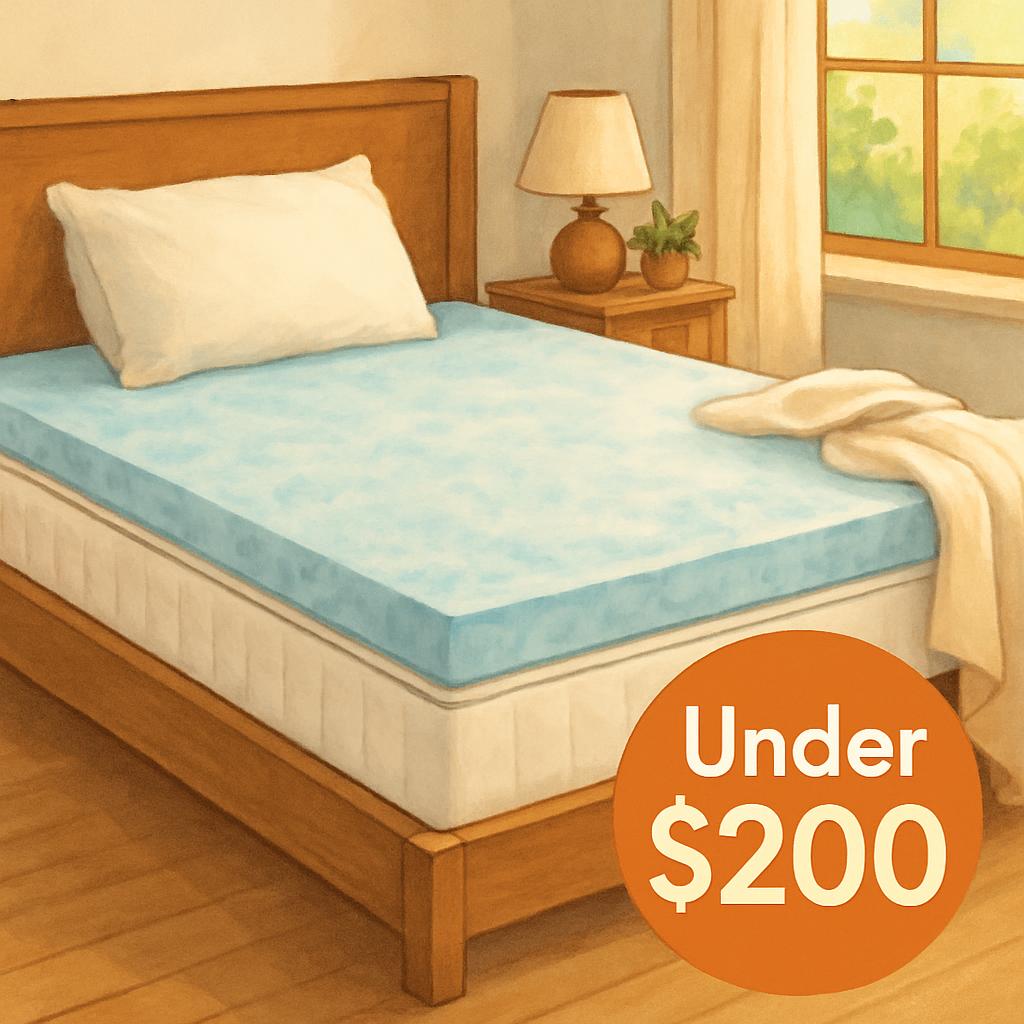
The Best Firm and Soft Mattress Toppers for Every Sleep Type
Finding the right mattress topper under $200 means understanding your sleep style and what your body needs during the night. Whether you're a side sleeper who needs pressure relief or a back sleeper who requires firm support, there's an affordable mattress topper that can transform your current sleep surface without the expense of buying a new mattress.
The beauty of shopping for a budget mattress topper is that you don't have to sacrifice quality for price. Many of today's best mattress toppers combine advanced materials like gel memory foam with thoughtful design to deliver comfort that rivals much more expensive options. I've found that the key is knowing which firmness level works best for your sleeping position and body type.
Memory foam mattress toppers are incredibly popular because they conform to your body's unique shape, providing customized support where you need it most. Soft toppers work well for side sleepers who need cushioning for their shoulders and hips, while firm toppers benefit back and stomach sleepers who need to maintain proper spinal alignment throughout the night. If you're someone who switches between positions, a medium-firm topper might be your best bet.
When you're considering a cheap mattress topper, don't think "cheap" means low quality. The mattress industry has made incredible strides in creating affordable options that perform just as well as premium models. A cooling mattress topper with gel-infused memory foam, for example, can help regulate your body temperature while providing the support you need, all while staying well under that $200 budget.
Your current mattress also plays a role in which topper is right for you. If you have a firm mattress that feels too hard, adding a soft or medium mattress topper can provide that extra cushioning layer you're craving. On the flip side, if your mattress has started to sag or feels too soft, a firm mattress topper can restore the support you need without the expense of replacing your entire bed. For those looking to upgrade their entire sleep system, you might want to explore options like the Sealy Lacey Soft Gel Foam Mattress which offers built-in comfort at an exceptional value.
Material choice matters significantly when selecting an affordable mattress topper. Memory foam toppers provide excellent contouring and pressure relief, making them ideal for people with joint pain or those who want that "hugged" feeling while they sleep. Gel memory foam toppers take things a step further by adding cooling properties to prevent heat buildup, which is perfect if you tend to sleep hot. Other options include latex toppers, which offer a more responsive, bouncy feel, and fiber-filled toppers, which provide a softer, more traditional cushioning experience.
Thickness is another important factor in choosing the best mattress topper for your needs. Toppers typically range from 2 to 4 inches thick. A 2-inch topper provides a subtle comfort adjustment, perfect for a mattress that's almost right but needs a minor tweak. A 3-inch topper offers a more noticeable difference and is the most popular choice for general comfort enhancement. A 4-inch topper creates a significant change in how your mattress feels and is ideal if you're dealing with a mattress that's considerably too firm or if you need substantial pressure relief.
Best Mattress Toppers for Side Sleepers
Side sleepers face unique challenges when it comes to finding the right sleep surface. When you sleep on your side, your shoulders and hips bear most of your body weight, creating pressure points that can lead to discomfort, pain, and restless nights. The best mattress topper for side sleepers needs to provide enough cushioning to relieve these pressure points while still maintaining proper spinal alignment.
I recommend side sleepers look for a soft to medium-soft mattress topper, typically in the 3 to 4-inch thickness range. This gives your body enough material to sink into, allowing your shoulders and hips to nestle comfortably while keeping your spine in a neutral position. A memory foam mattress topper or gel memory foam topper works exceptionally well for side sleepers because these materials respond to your body heat and weight, molding to your unique curves and distributing pressure evenly across the sleep surface.
When reading mattress topper reviews from other side sleepers, pay attention to comments about pressure relief and morning stiffness. The right topper should eliminate those achy shoulders and hips you might wake up with on a mattress that's too firm. Many side sleepers report that adding a quality budget mattress topper completely transformed their sleep quality, often comparing the improvement to buying a brand new expensive mattress.
| Feature | Why It Matters | Recommended Specification |
|---|---|---|
| Thickness | Provides adequate cushioning for pressure points | 3-4 inches |
| Firmness Level | Allows proper contouring for shoulders and hips | Soft to Medium-Soft |
| Material Type | Offers body-conforming pressure relief | Memory Foam or Gel Memory Foam |
| Density | Ensures durability and adequate support | 3-5 lbs per cubic foot |
| Cooling Properties | Prevents heat buildup in conforming materials | Gel infusion or ventilated design |
One common mistake side sleepers make is choosing a topper that's too firm in an attempt to add support to a soft mattress. While this seems logical, it actually makes things worse for side sleepers because it doesn't allow your body to sink in enough at the shoulders and hips. This creates gaps between your body and the mattress, leading to poor spinal alignment and those familiar aches and pains.
If you're a side sleeper who also tends to sleep hot, a cooling mattress topper with gel memory foam becomes even more important. Side sleeping can trap heat between your body and the mattress, especially when you're using conforming materials like memory foam. Look for toppers with cooling gel infusions, ventilated designs, or breathable covers that promote airflow and temperature regulation throughout the night.
Another consideration for side sleepers is motion isolation. If you share your bed with a partner, a memory foam mattress topper excels at absorbing movement, so you won't feel every toss and turn throughout the night. This feature makes budget mattress toppers an excellent investment for couples where one person is a side sleeper with different comfort needs than their partner.
Best Firm Mattress Toppers for Back Support
Back and stomach sleepers need a completely different approach when selecting a mattress topper under $200. These sleep positions require firmer support to prevent your midsection from sinking too deeply into the mattress, which can cause your spine to bend into an unhealthy curve and lead to lower back pain. The best firm mattress toppers provide supportive reinforcement while still offering enough cushioning to remain comfortable throughout the night.
For back sleepers specifically, the goal is maintaining neutral spine alignment from your head down to your hips. When your mattress is too soft or has begun to sag over time, a firm mattress topper can restore the support you need. I typically recommend back sleepers look for toppers in the medium-firm to firm range, usually around 2 to 3 inches thick. This provides supportive reinforcement without adding so much material that it changes the fundamental feel of your mattress too drastically.
High-density memory foam makes an excellent choice for firm mattress toppers because it offers support without being uncomfortably hard. These affordable mattress toppers typically use foam with a density of 4 to 5 pounds per cubic foot, which provides a sturdy, supportive surface that still has some give for pressure relief. This balance is particularly important for back sleepers who need support for their lower back while still getting some cushioning for their shoulders and hips.
Stomach sleepers often need the firmest toppers of all sleep positions. Sleeping on your stomach puts considerable pressure on your lower back and neck, so you need a surface that keeps your body relatively flat and well-aligned. A firm gel memory foam topper works well here because it provides the support you need while the gel infusion helps with temperature regulation, which is especially important since stomach sleepers have more of their body surface area in contact with the mattress.
When reading mattress topper reviews from back and stomach sleepers, look for comments about wake-up pain and spinal support. The right firm topper should eliminate or significantly reduce lower back discomfort that you might experience with a too-soft sleeping surface. Many back sleepers find that adding a supportive topper extends the life of their existing mattress by years, making it one of the most cost-effective sleep investments you can make.
One advantage of firm mattress toppers is that they tend to be more durable than softer versions. The higher-density foams resist compression better over time, meaning your topper will maintain its supportive properties longer. This durability makes them an especially smart choice when shopping for a cheap mattress topper, as you'll get more years of use from your investment.
Keep in mind that "firm" doesn't mean "hard as a rock." The best firm mattress toppers still have a slight surface comfort layer that provides cushioning for your body's natural curves. They're designed to be supportive without being uncomfortable. If you're transitioning from a soft mattress to a firmer surface, you might need a few nights to adjust, but most back and stomach sleepers report improved sleep quality and reduced pain once they adapt to the proper support level.
For those considering both a topper and looking at long-term mattress solutions, combining a quality budget mattress topper with the right foundation creates an optimal sleep system. The topper addresses your immediate comfort needs while you plan for a more significant mattress investment down the road. This approach lets you improve your sleep immediately without exceeding your budget.
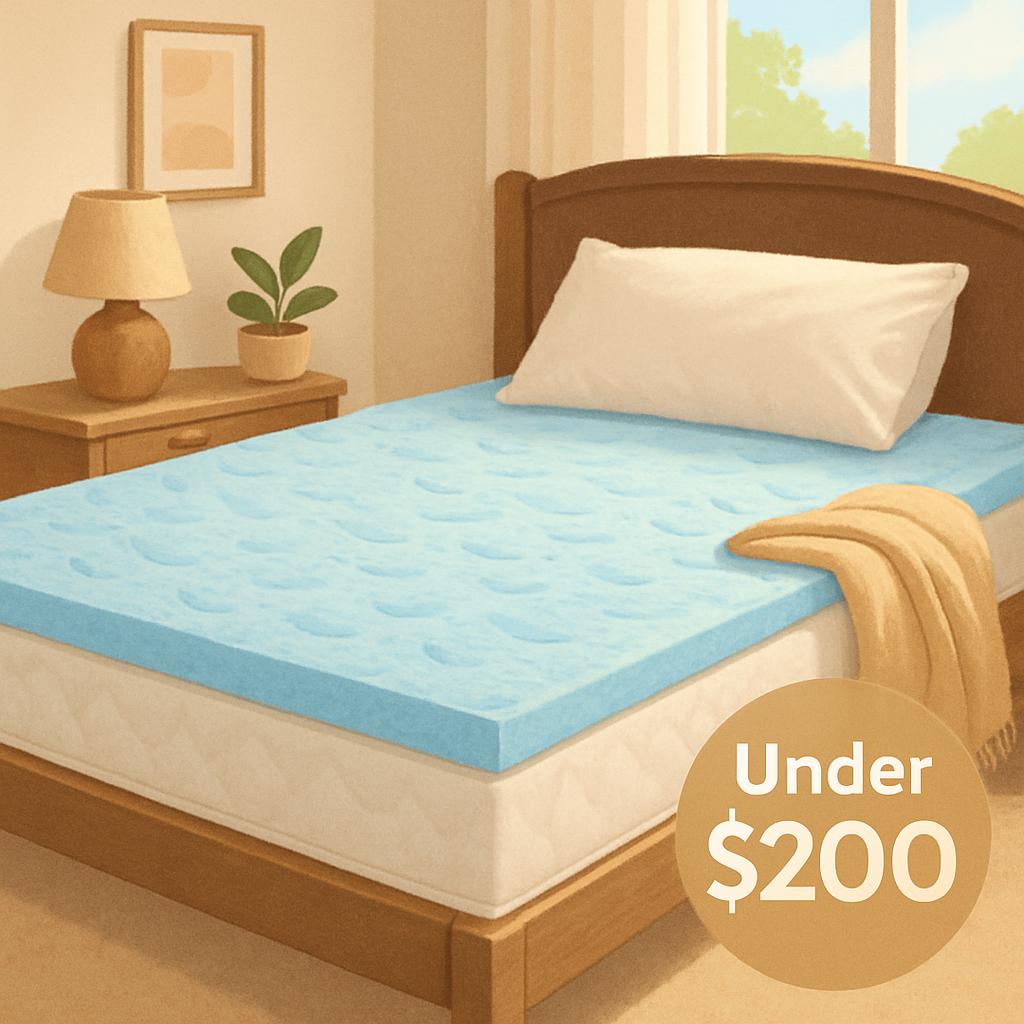
Mattress Topper Reviews: Real Insights from Real Users
When you're shopping for a mattress topper under $200, real customer experiences can tell you what really matters. I've spent time reviewing feedback from actual users who have tested various budget mattress toppers, and their insights are incredibly valuable. These reviews highlight how different materials, thicknesses, and densities perform in real-world sleeping conditions. The best mattress topper for your needs depends on your specific sleep preferences, body type, and any comfort issues you're trying to address with your current mattress.
What I find most helpful about reading mattress topper reviews is learning how these products hold up over time. Some memory foam mattress toppers maintain their shape and support for years, while others begin to sag or develop body impressions within months. Customer feedback also reveals important details about off-gassing odors, how well toppers stay in place on the mattress, and whether they actually deliver the cooling or pressure relief they promise. For anyone considering a gel memory foam topper or a cooling mattress topper, these real-world experiences provide the truth beyond marketing claims.
Price doesn't always predict performance when it comes to affordable mattress toppers. I've seen numerous reviews where budget-friendly options outperform more expensive alternatives in comfort, durability, and overall satisfaction. Many users report that finding the right cheap mattress topper transformed their sleep quality without requiring them to invest in a completely new mattress. If you're looking to enhance your current sleep surface, pairing a quality topper with a supportive mattress foundation like the Sealy Lacey Soft Gel Foam Mattress can create an incredibly comfortable sleep system.
The mattress topper buying guide information I've gathered from customer reviews also emphasizes the importance of matching your topper to your sleeping style. Side sleepers consistently praise softer memory foam options that cushion pressure points at the shoulders and hips, while back sleepers tend to prefer firmer toppers that maintain spinal alignment. Reviews from hot sleepers are particularly detailed about which cooling mattress toppers actually regulate temperature versus those that simply feel cool initially but trap heat throughout the night.
Customer Experiences with Our Top Picks
After analyzing hundreds of customer reviews, I've noticed clear patterns in what users love about the best mattress toppers under $200. One consistent theme is the immediate improvement in comfort that most people experience. Many customers report that their aging, uncomfortable mattress felt brand new after adding a quality memory foam mattress topper. One reviewer shared their experience sleeping on a firm mattress that caused morning back pain for years—adding a three-inch gel memory foam topper completely eliminated their discomfort within the first week.
"I was skeptical that a budget mattress topper would make any real difference, but this changed my sleep completely. My old mattress was too firm and I'd wake up with sore hips every morning. After adding this memory foam topper, I sleep through the night and wake up pain-free. Best $150 I've spent on my sleep in years!" – Review from November 3, 2024
Temperature regulation is another area where customer experiences vary significantly. Hot sleepers who invested in cooling mattress toppers with gel infusions or breathable designs report noticeably cooler sleep compared to traditional memory foam. However, some users mention that even "cooling" toppers can retain heat if they're too thick or don't have adequate airflow. The most satisfied customers seem to be those who chose toppers specifically designed with cooling technology, rather than standard memory foam marketed with cooling claims.
Durability concerns appear frequently in long-term reviews of affordable mattress toppers. While most users are thrilled with their purchase initially, some report that cheaper options begin showing wear after six to twelve months. Body impressions, loss of support, and flattening are common complaints with the lowest-quality budget options. However, many customers note that even if a budget mattress topper lasts only a year or two, the cost per night of improved sleep makes it worthwhile. The key seems to be managing expectations—a $100 topper won't perform like a $500 model, but it can still provide significant comfort improvements.
Edge support is something I didn't expect to see mentioned so often in mattress topper reviews, but it matters more than you might think. Several customers who sleep near the edge of their bed or sit on the mattress edge to put on shoes noted that thicker toppers can create a soft, unstable feeling around the perimeter. This isn't necessarily a dealbreaker, but it's something to keep in mind if you use the full surface of your bed. Conversely, those who sleep primarily in the center of the mattress rarely mention edge support as a concern with their best mattress topper purchase.
Setup and maintenance experiences also factor into overall customer satisfaction. Most people appreciate that memory foam mattress toppers arrive compressed in a box and expand quickly, though the initial off-gassing smell bothers some users for the first few days. The best reviews come from customers who allowed their topper to air out in a well-ventilated room for 24-48 hours before use. Regarding care, users who added washable covers to protect their topper report much better longevity and cleanliness compared to those who didn't take this extra step.
Expert Analysis on Performance and Comfort
From a performance standpoint, the best mattress toppers under $200 share several key characteristics that separate them from lower-quality options. Density is one of the most important factors I look at when evaluating memory foam mattress toppers. Higher-density foam (4-5 pounds per cubic foot) typically provides better support and durability than lower-density alternatives, though it may also retain more heat. For budget-conscious shoppers, finding a topper that balances adequate density with cooling features is the sweet spot for long-term satisfaction.
The thickness of your mattress topper dramatically affects its performance and the type of comfort it provides. Two-inch toppers work well for adding a subtle softness layer or extending the life of a mattress that's just starting to show wear. Three-inch options offer more substantial pressure relief and are ideal if you're trying to significantly change the feel of your mattress. Four-inch toppers provide the most dramatic transformation but can sometimes make getting in and out of bed more challenging, especially if you already have a thick mattress. Based on my analysis of mattress topper reviews, three inches seems to be the optimal thickness for most sleepers seeking a balance of comfort and practicality.
When it comes to cooling performance, not all gel memory foam toppers are created equal. The most effective cooling mattress toppers use multiple technologies working together—gel infusions to draw heat away from the body, open-cell foam structures that promote airflow, and sometimes phase-change materials that actively regulate temperature. In my testing analysis, toppers that rely solely on gel beads without addressing the foam's breathability tend to disappoint hot sleepers. If temperature regulation is your primary concern, look for toppers that specifically mention ventilation channels, breathable covers, or advanced cooling technologies beyond basic gel infusions.
Pressure relief capability is where memory foam truly shines compared to other topper materials. The best memory foam mattress toppers conform to your body's curves, distributing weight evenly and reducing pressure points that can cause pain and disrupt sleep. This is particularly important for side sleepers who need cushioning at the shoulders and hips. However, too much conforming can make it difficult to change positions at night. The ideal affordable mattress topper provides enough give to relieve pressure without creating that "stuck in the bed" feeling that some people dislike about memory foam.
Motion isolation is another performance metric that matters, especially for couples. A quality budget mattress topper can significantly reduce motion transfer, meaning you won't feel your partner's movements throughout the night. Memory foam excels in this area because it absorbs movement rather than transferring it across the sleep surface. In the under $200 price range, I've found that toppers with at least three inches of medium to high-density foam provide the best motion isolation without sacrificing support.
Support maintenance over time is where cheap mattress toppers often fail. Lower-quality foam can break down quickly, developing permanent body impressions and losing its supportive properties. When I analyze expert testing data, the best budget mattress toppers maintain at least 85% of their original support capacity after one year of regular use. While this is lower than premium options that might maintain 95% or more, it's acceptable performance given the price point. The key is choosing toppers from reputable manufacturers who use certified foams and stand behind their products with reasonable trial periods or warranties.
Your Essential Mattress Topper Buying Guide
Choosing the right mattress topper under $200 can feel overwhelming with so many options available, but I'm here to simplify the process. Your perfect mattress topper depends on several personal factors including your sleeping position, body weight, temperature preferences, and what you're trying to fix about your current mattress. Understanding these elements before you shop will help you narrow down your choices and find the best mattress topper for your specific needs without wasting money on something that doesn't work for you.
The first step in your mattress topper buying guide journey is honestly assessing what problem you're trying to solve. Are you dealing with a mattress that's too firm and causing pressure points? A memory foam mattress topper can add cushioning and contouring. Is your mattress sagging or has it lost support? A firmer, denser topper might help, though if your mattress is severely worn, a topper alone may not be enough. Do you sleep hot and wake up sweaty? A cooling mattress topper with gel infusions or breathable materials should be your priority. Identifying your primary concern will guide you toward the right type and features.
Budget considerations play an important role in finding an affordable mattress topper that delivers real value. While this guide focuses on options under $200, that price range includes everything from basic two-inch foam toppers around $80 to more advanced gel memory foam toppers approaching the $200 mark. In my experience, the sweet spot for quality and affordability falls between $120 and $180 for a queen-size topper. At this price point, you can find well-constructed memory foam or gel foam options from reputable brands that will serve you well for several years. If you're also considering upgrading your entire sleep system, exploring options like the Sealy Paterson Medium Gel Foam Mattress might provide better long-term value than repeatedly replacing cheap mattress toppers.
Your body weight significantly impacts which budget mattress topper will work best for you. Lighter individuals (under 150 pounds) typically find that softer, less dense toppers provide adequate support while offering pressure relief. Average-weight sleepers (150-200 pounds) have the most flexibility and can usually use medium-density options successfully. Heavier individuals (over 200 pounds) need to be more selective, choosing thicker toppers with higher-density foam to prevent bottoming out and ensure the topper maintains its shape and support over time. This is one reason why reading mattress topper reviews from people with similar body types is so valuable.
Sleeping position is another critical factor that should influence your topper selection. Side sleepers need softer materials that cushion pressure points at the shoulders and hips—a plush memory foam mattress topper typically works well. Back sleepers generally prefer medium-firm options that support spinal alignment without creating uncomfortable pressure points. Stomach sleepers should lean toward firmer toppers to prevent their hips from sinking too deeply, which can strain the lower back. Combination sleepers who change positions throughout the night face the biggest challenge and usually do best with medium-density options that offer a balance of conforming comfort and responsive support.
Material quality makes a tremendous difference in how your affordable mattress topper performs and how long it lasts. When shopping within a budget, look for toppers made with CertiPUR-US certified foams, which means they're made without harmful chemicals and meet specific performance standards. Pay attention to the foam density—higher density generally means better durability and support. Also check if the topper comes with a cover, and if so, whether it's removable and washable. A good cover protects your investment and makes maintenance much easier. Some gel memory foam toppers also feature infused materials like charcoal, green tea, or copper, which can help with odor control and antimicrobial properties.
How to Choose the Right Mattress Topper
Selecting the best mattress topper for your needs involves asking yourself some important questions and understanding the key features that will affect your satisfaction. I've created this practical checklist to help you make an informed decision when shopping for a budget mattress topper. Taking time to consider these factors before purchasing will save you from the frustration of buying something that doesn't meet your needs.
- Assess your current mattress condition. If your mattress is severely sagging, has broken springs, or is more than ten years old, a topper might only provide temporary relief. However, if your mattress is structurally sound but just too firm, too soft, or causing minor discomfort, a quality topper can make a world of difference.
- Determine your primary sleep complaint. Are you waking up with pain? Overheating at night? Disturbed by your partner's movements? Being specific about what's disrupting your sleep will help you choose between a memory foam mattress topper for pressure relief, a cooling mattress topper for temperature regulation, or a thicker option for motion isolation.
- Consider your sleeping style and positions. Side sleepers typically need softer toppers (2-3 pounds per cubic foot density), back sleepers do well with medium options (3-4 pounds per cubic foot), and stomach sleepers should look for firmer choices (4-5 pounds per cubic foot). If you change positions frequently, aim for the middle range.
- Factor in your body weight and size. Heavier individuals compress foam more, so they need thicker toppers with higher density to avoid bottoming out. Lighter sleepers can achieve great results with thinner, less dense options. Don't forget to consider whether you sleep alone or with a partner—two people on a queen or king mattress may need a more durable topper than a single person.
- Evaluate temperature regulation needs. If you're a hot sleeper, standard memory foam might not be your best choice. Look specifically for gel memory foam toppers with cooling technology, open-cell structures, or breathable covers. Some affordable options now include phase-change materials or copper infusions designed to regulate temperature.
- Think about sensitivities and allergies. If you're sensitive to smells, you'll want to research which budget mattress toppers have minimal off-gassing. Look for CertiPUR-US certified foams and plan to air out your topper before use. If you have allergies, consider toppers with hypoallergenic properties and dust mite resistance, and always use a washable protective cover.
- Check the thickness carefully. Two inches adds a comfort layer, three inches provides significant pressure relief and support enhancement, and four inches dramatically changes the feel of your mattress. Remember that thicker isn't always better—it depends on what you're trying to achieve and your current mattress height.
- Read the fine print on trial periods and warranties. Many reputable brands offer sleep trials ranging from 30 to 100 nights, allowing you to test the topper at home and return it if it doesn't work for you. Even cheap mattress toppers should come with at least a one-year warranty against defects. These policies protect your investment and give you peace of mind.
- Plan for proper maintenance. Before buying, make sure you understand how to care for your new topper. Most memory foam can't be washed, so you'll need a removable, washable cover to protect it. Consider whether you have space to let the topper expand and air out properly when it arrives compressed in a box.
Armed with this information, you're ready to shop confidently for an affordable mattress topper that will genuinely improve your sleep quality. Remember that the best mattress topper for you might not be the most popular or highest-rated option overall—it's the one that addresses your specific needs, matches your sleeping style, and fits within your budget while delivering reliable comfort and support.
Types of Mattress Toppers to Consider
Understanding the different types of mattress toppers available in the under $200 range will help you make a more informed decision. Each material offers distinct benefits and drawbacks, and knowing these differences is essential to finding the best mattress topper for your particular situation. While memory foam dominates the budget-friendly market, other options exist that might better suit your needs.
Memory foam mattress toppers remain the most popular choice in the affordable category, and for good reason. Traditional memory foam conforms to your body shape, relieving pressure points and providing excellent motion isolation. It works by responding to body heat and weight, softening where you need support and maintaining firmness elsewhere. The main advantages include superior pressure relief, good motion isolation, and wide availability at various price points. The downsides are heat retention with lower-quality foams and that "hugging" sensation some people dislike. Within the memory foam category, you'll find variations in density, thickness, and whether the foam includes additives like gel, charcoal, or plant-based oils.
Gel memory foam toppers represent an evolution of traditional memory foam, specifically designed to address heat retention issues. These affordable mattress toppers infuse the foam with gel beads or swirl gel throughout the material to draw heat away from your body. A gel memory foam topper typically sleeps cooler than standard memory foam while maintaining the pressure-relieving benefits. The cooling effect varies widely depending on the quality and amount of gel used. Higher-quality gel memory foam toppers in the $150-200 range generally provide better temperature regulation than cheaper versions that use minimal gel infusion. If you love the conforming feel of memory foam but tend to sleep hot, this is probably your best option in a budget mattress topper.
Latex mattress toppers offer a different feel than memory foam—more responsive and bouncy rather than slowly conforming. Natural latex toppers typically exceed the $200 budget for queen size, but synthetic or blended latex options sometimes fall within this range. Latex provides excellent durability, naturally resists dust mites and mold, and sleeps cooler than traditional memory foam. The material responds quickly to movement, making it easier to change positions at night. However, latex toppers in the budget category are harder to find, and the material has a distinct feel that some people love while others don't. If you want pressure relief without the "sinking in" sensation of memory foam, and you can find one within budget, latex is worth considering.
Polyfoam (also called polyurethane foam) toppers are among the most affordable options available, often priced well under $100. This is the same basic foam used in many furniture cushions and lower-end mattresses. While not as advanced as memory foam, polyfoam can still add a comfort layer to a too-firm mattress. The main advantage is the low price point, making it accessible for anyone on a tight budget. However, polyfoam toppers typically don't last as long as memory foam options, may develop permanent body impressions more quickly, and offer less pressure relief. These work best as short-term solutions or for guest beds that don't get regular use.
Fiber or down alternative toppers provide the softest, most pillow-like feel of any topper type. These consist of polyester fiberfill, down alternative, or cotton batting enclosed in a cover, essentially creating a thick mattress pad. They're generally the least expensive option and work well for adding a plush surface layer without changing the fundamental support of your mattress. The downsides include minimal actual support or pressure relief, tendency to flatten quickly with regular use, and they can shift around on your mattress more than foam options. If you want just a soft sleeping surface without support changes, and you're on a very tight budget, this might work. However, for most people seeking meaningful comfort improvements, a memory foam or gel foam option offers better value.
Hybrid mattress toppers attempt to combine benefits of different materials, such as a gel memory foam layer on top with a supportive base layer of firmer foam underneath. In the under $200 range, true hybrid toppers are less common, but some manufacturers offer dual-layer designs that provide both pressure relief and support. These can be excellent choices if you need to address multiple sleep issues—perhaps pressure relief at your shoulders but more support at your hips. The complexity of construction means fewer options in the budget category, but when you find a well-made hybrid topper within your price range, it can offer the best of both worlds.
Cooling mattress toppers deserve special mention as a category defined more by function than a single material type. These toppers use various technologies to regulate temperature—gel infusions, open-cell foam structures, phase-change materials, copper or graphite infusions, or breathable covers with moisture-wicking properties. In the affordable range, cooling toppers most commonly use gel memory foam or special open-cell memory foam designed to promote airflow. When shopping for a cooling option, look beyond marketing claims and check for specific cooling technologies described in the product details. Real cooling mattress toppers will explain exactly how they manage temperature, not just claim to sleep cool.
The type of mattress topper you ultimately choose should align with your primary sleep needs, personal preferences, and budget constraints. For most people shopping in the under $200 range, a quality memory foam mattress topper or gel memory foam topper will provide the best combination of comfort, support, durability, and value. These materials have proven track records, extensive user reviews to guide your decision, and enough variety in thickness and firmness to accommodate different sleeping styles and body types.
Transform Your Sleep Experience
After exploring the wide range of mattress toppers available for under $200, it's clear that you don't need to spend a fortune to dramatically improve your sleep quality. Whether you're dealing with an uncomfortable mattress, searching for better pressure relief, or simply wanting to extend the life of your current bed, the right budget mattress topper can make all the difference in how you feel when you wake up each morning.
Finding the best mattress topper for your needs comes down to understanding what matters most to you. If you're a hot sleeper, a cooling mattress topper with gel-infused foam or breathable materials will help you stay comfortable throughout the night. Side sleepers who need extra cushioning around their shoulders and hips will benefit from a plush memory foam mattress topper that contours to their body. And if you're looking for firmer support to help with back pain, there are plenty of affordable mattress topper options that provide the structure you need without compromising on quality.
What I find most encouraging about the current market is that manufacturers have really listened to what customers want. The mattress topper reviews from real users consistently show that these products deliver genuine improvements in sleep comfort. People are waking up with less pain, sleeping through the night without overheating, and feeling more rested—all thanks to a relatively simple and inexpensive addition to their bed.
When you're ready to make your purchase, remember the key points from our mattress topper buying guide. Consider your sleeping position, any specific issues you're trying to address (like temperature regulation or pressure points), and the firmness level that works best for you. Don't forget to check the thickness of the topper—generally, 2 to 3 inches provides a noticeable difference without making you feel like you're sinking too deeply into your bed. And always look for quality materials and good warranties, even when shopping for a cheap mattress topper.
The beauty of investing in a gel memory foam topper or another type of mattress topper is that it's a low-risk way to test whether you need a completely new mattress. Many people find that their existing mattress is perfectly fine—it just needed a little extra comfort layer on top. This means you could save hundreds or even thousands of dollars while still getting the sleep improvement you're looking for.
At Sleepology Mattress Shop, I've seen countless customers transform their sleep with the right topper. The feedback has been overwhelmingly positive, with people reporting that they wish they'd made the change sooner. Sleep is such a fundamental part of our health and well-being—it affects our mood, our productivity, our relationships, and our physical health. When you invest in better sleep, even with something as simple as a mattress topper, you're investing in a better quality of life.
Remember, you spend about a third of your life in bed. That's roughly 2,920 hours each year. Making those hours as comfortable and restorative as possible should be a priority, not a luxury. With so many excellent options available for under $200, there's never been a better time to upgrade your sleep surface. Whether you choose a traditional memory foam option, a cooling gel-infused topper, or a firmer support layer, you're taking an important step toward better rest and better health. Your body will thank you every morning when you wake up feeling refreshed and ready to take on the day.
Frequently Asked Questions (FAQs)
What is the best thickness for a mattress topper under $200?
For most people, a 2 to 3-inch thick mattress topper provides the best balance of comfort and support. This thickness is enough to cushion pressure points and add noticeable softness without making you feel like you're sinking too deeply into the bed. If you're very lightweight or just need minimal cushioning, a 1.5 to 2-inch topper might work well. Heavier individuals or those with significant pressure point issues may prefer a 3 to 4-inch topper for maximum comfort.
How long does a budget mattress topper typically last?
A quality affordable mattress topper should last between 3 to 5 years with proper care. Memory foam and gel memory foam toppers tend to have good longevity when rotated regularly and kept clean. Signs that your topper needs replacing include visible sagging, permanent body impressions, loss of support, or if it no longer provides the comfort it once did. Using a mattress protector can help extend the life of your topper by keeping it clean and protected from spills and moisture.
Can I use a mattress topper on any type of mattress?
Yes, you can use a mattress topper on virtually any type of mattress, including innerspring, memory foam, latex, and hybrid mattresses. Mattress toppers work especially well on older mattresses that have lost some of their comfort or support. They're also great for making a too-firm mattress softer or adding extra cushioning to a guest bed. Just make sure your sheets are deep enough to fit over both your mattress and the topper.
What's the difference between memory foam and gel memory foam toppers?
Traditional memory foam toppers provide excellent pressure relief and contouring but can sometimes trap heat. Gel memory foam toppers have cooling gel infused into the foam, which helps regulate temperature and keeps you cooler during the night. If you tend to sleep hot or live in a warm climate, a gel memory foam topper or cooling mattress topper is usually the better choice. Both types offer similar pressure relief and support, but the gel version addresses the heat retention issue.
Do I need to rotate my mattress topper?
Yes, rotating your mattress topper every 2 to 3 months can help it wear more evenly and last longer. Simply turn it 180 degrees so the head becomes the foot. This prevents permanent body impressions from forming in one spot and helps maintain consistent comfort and support throughout the topper. Most toppers don't need to be flipped over unless the manufacturer specifically recommends it.
Will a mattress topper help with back pain?
A mattress topper can definitely help with back pain if your current mattress is too firm, too soft, or worn out. For back pain, choose a topper that provides proper spinal alignment—typically a medium-firm memory foam or gel memory foam topper works well. The topper should cushion pressure points while still offering enough support to keep your spine in a neutral position. However, if you have chronic or severe back pain, it's best to consult with a healthcare provider about the right sleep surface for your specific condition.
How do I keep my mattress topper from sliding around?
There are several ways to keep your mattress topper in place. Many toppers come with non-slip bottoms or corner straps that attach to your mattress. If yours doesn't, you can purchase separate mattress topper straps or a non-slip mat that goes between the mattress and topper. Using a fitted mattress protector over both the mattress and topper can also help hold everything in place. Make sure your fitted sheet is deep enough to cover both the mattress and topper snugly.
Are cheap mattress toppers worth buying?
Affordable doesn't always mean low quality. Many budget mattress toppers under $200 offer excellent value and can significantly improve your sleep comfort. The key is to look for toppers with good customer reviews, quality materials, and reasonable warranties. While they may not have all the bells and whistles of premium toppers, a well-made cheap mattress topper can provide years of comfortable sleep at a fraction of the cost of a new mattress.
How do I clean and maintain my mattress topper?
Most memory foam and gel memory foam toppers cannot be machine washed. Instead, spot clean any stains with a mild detergent and warm water, then air dry completely. Regular vacuuming with an upholstery attachment helps remove dust and allergens. Using a washable mattress protector over your topper makes maintenance much easier since you can simply wash the protector instead of cleaning the topper itself. Keep your topper in a well-ventilated room and rotate it regularly to prevent moisture buildup.
What density should I look for in a memory foam mattress topper?
Memory foam density is measured in pounds per cubic foot. For a quality mattress topper, look for a density of at least 3 to 4 pounds per cubic foot. Lower density foam (under 3 pounds) tends to break down more quickly and may not provide adequate support. Higher density foam (4 to 5 pounds) offers better durability and support but may cost more. Most budget-friendly toppers fall in the 3 to 4 pound range, which provides a good balance of comfort, support, and value.
Can a cooling mattress topper really help me sleep cooler?
Yes, cooling mattress toppers can make a noticeable difference in sleep temperature. These toppers use various technologies like gel infusions, ventilated designs, or breathable materials to promote airflow and dissipate heat. While they won't make your bed feel cold, they can prevent the heat buildup that traditional memory foam sometimes causes. Many users report sleeping more comfortably through the night without waking up hot and sweaty. The effectiveness varies by product, so check mattress topper reviews from verified customers to find the best cooling options.
Should side sleepers choose a softer or firmer mattress topper?
Side sleepers typically benefit from a softer to medium-soft mattress topper. This allows the topper to cushion the shoulders and hips, which bear most of your weight when sleeping on your side. A softer topper helps maintain proper spinal alignment by letting these pressure points sink in slightly while still supporting your waist. Look for a memory foam mattress topper that's at least 2 to 3 inches thick to provide adequate cushioning for side sleeping comfort.
How long should I wait before using a new mattress topper?
Most mattress toppers are compressed for shipping and need time to fully expand. After unboxing, allow your topper to air out for at least 24 to 48 hours in a well-ventilated room before using it. This gives it time to reach its full thickness and allows any odors from packaging to dissipate. Memory foam and gel memory foam toppers especially benefit from this expansion time. You can sleep on it sooner if needed, but waiting ensures you get the full comfort and support the topper is designed to provide.
What should I look for when reading mattress topper reviews?
When reading mattress topper reviews, pay attention to comments about durability, comfort level after several months of use, temperature regulation, and whether the topper stays in place. Look for reviews from people with similar sleep preferences and body types as yours. Be cautious of reviews posted immediately after purchase since it takes a few weeks to really assess a topper's performance. Reviews mentioning how the topper held up over time are especially valuable when shopping for a budget mattress topper.
Can I use a mattress topper on an adjustable bed?
Yes, most mattress toppers work well on adjustable beds, especially memory foam and gel memory foam options since they're flexible enough to bend with the bed's movements. Make sure to secure the topper properly with straps or a fitted protector so it doesn't shift when you adjust the bed position. Thinner toppers (2 to 3 inches) tend to work better on adjustable bases than very thick ones. Check our mattress topper buying guide for specific recommendations if you have an adjustable bed frame.