

Have you ever found yourself lying awake at 2 AM, staring at the ceiling, wondering why sleep feels so impossible to catch? You're not alone in this frustrating experience. The truth is, the answer to better sleep might not be hiding in a pill bottle or requiring a complete lifestyle overhaul—it could be as simple as making a few strategic changes to your bedroom environment right now. Tonight, in fact.
Think about it: we spend roughly one-third of our lives sleeping (or at least trying to), yet most of us put more thought into organizing our kitchen pantry than optimizing our sleep space. Your bedroom environment plays a massive role in determining whether you'll drift off peacefully or spend another night counting sheep. From the temperature of your room to the quality of light filtering through your windows, every element either supports or sabotages your body's natural ability to rest.
The good news? You don't need to wait weeks or months to see improvements. These bedroom environment hacks deliver what I call "instant sleep wins"—changes you can implement tonight that will make a noticeable difference in how quickly you fall asleep and how well you stay asleep. We're talking about practical sleep tips and sleep hygiene tips that address the most common environmental factors keeping you awake: uncomfortable sleeping surfaces, poor lighting conditions, less-than-ideal bedroom temperatures, disruptive noises, and even the scents (or lack thereof) in your space.
Whether you're dealing with occasional restlessness or chronic sleep struggles, your sleep environment matters more than you might realize. Research consistently shows that optimizing your bedroom for sleep can significantly improve both sleep quality and duration. And the best part? Many of these quick sleep hacks cost little to nothing and take just minutes to implement. From bedroom lighting hacks that work with your body's natural rhythms to achieving that perfect cool bedroom temperature, from noise reduction for sleep strategies to aromatherapy for sleep techniques—we're covering all the bases.
I've spent years helping people transform their bedrooms into true sleep sanctuaries, and I'm excited to share these instant sleep tips with you. These aren't complicated theories or expensive renovations—they're straightforward, proven strategies that work with your body's biology rather than against it. So if you're ready to stop struggling and start sleeping, let's transform your bedroom into the restful retreat it should be. Your best night's sleep is waiting for you, and it starts with the space around you.
Key Takeaways
- Your bedroom environment directly impacts how quickly you fall asleep and how well you rest
- Optimizing temperature, lighting, and noise levels creates instant improvements in sleep quality
- The right mattress and pillows form the foundation of any effective sleep environment
- Simple additions like blackout curtains, white noise machines, and aromatherapy provide quick wins
- Consistent sleep hygiene tips and environmental monitoring lead to long-term sleep success
Transform Your Bedroom into a Sleep Sanctuary
Creating a true sleep sanctuary isn't about having the fanciest bedroom or spending thousands on a complete makeover. It's about intentionally designing a space that signals to your brain and body: this is where we rest. Your bedroom should be your personal retreat from the demands of daily life, a place where stress melts away and sleep comes naturally. This transformation starts with understanding that every element in your room either contributes to or detracts from quality sleep.
The foundation of any sleep sanctuary is comfort, and comfort begins with the surface you sleep on. Your mattress and pillows are the most important investments you'll make in your sleep environment—they literally support you for thousands of hours each year. If you're waking up with aches and pains, tossing and turning throughout the night, or simply not feeling rested after eight hours in bed, your sleep surface is likely the culprit. The good news is that upgrading to a quality mattress designed for your specific sleep needs can deliver immediate improvements in how you feel both at night and the next morning.
When I talk to people about transforming their bedrooms, I always emphasize that this isn't a one-size-fits-all approach. Your ideal sleep sanctuary reflects your personal preferences, sleep position, body type, and any specific comfort needs you might have. Some people need the firm support of a traditional innerspring mattress, while others benefit from the pressure-relieving properties of memory foam or the balanced feel of a hybrid design. The key is finding what works for your body and your sleep style.
Beyond the functional aspects of comfort, your sleep sanctuary should also feel inviting and calming. This means paying attention to the overall atmosphere of the room—the colors you see, the textures you touch, and the general feeling you get when you walk through the door. These softer elements might seem less important than practical considerations like mattress firmness or pillow height, but they work together with the physical comfort factors to create an environment that genuinely promotes relaxation and rest.
At Sleepology Mattress Shop, we've helped countless customers find their perfect sleep setup, and I've seen firsthand how the right combination of quality products and thoughtful bedroom design can completely transform someone's sleep experience. Whether you're starting from scratch or making targeted improvements to your current setup, focusing on both the foundational elements (mattress and pillows) and the atmospheric details (colors, textures, and overall vibe) will help you create a bedroom that truly serves as your personal sleep sanctuary. And when your bedroom is optimized for rest, those instant sleep wins become not just possible, but probable—every single night.
Enhance Comfort with the Right Mattress and Pillows
Let me be straight with you: if your mattress is more than seven to ten years old, sagging in the middle, or leaving you stiff and sore each morning, no amount of bedroom optimization will give you the sleep quality you deserve. Your mattress is the single most important factor in your physical comfort during sleep, and investing in the right one pays dividends in better rest, improved health, and increased daytime energy.
The mattress industry has come a long way, and today's options offer something for every type of sleeper. Whether you sleep on your back, side, or stomach, whether you prefer a firm feel or something softer, whether you sleep hot or cold—there's a mattress designed specifically for your needs. Brands like Sealy and Tempur-Pedic have spent decades perfecting their designs to deliver optimal support, pressure relief, and durability.
When you're shopping for a new mattress, here are the key factors to consider:
- Support level matters more than firmness. A mattress should support your spine in proper alignment while cushioning pressure points. Firm doesn't always mean better—it's about finding the right balance for your body weight and sleep position.
- Material makes a difference in feel and temperature regulation. Memory foam offers excellent pressure relief and motion isolation, innerspring provides traditional bounce and airflow, and hybrid designs combine the best of both worlds.
- Quality construction ensures longevity. Look for well-constructed mattresses with quality materials and solid warranties. A good mattress should maintain its support and comfort for years, not months.
- Personal preferences should guide your choice. What works for your friend or family member might not work for you. If possible, test mattresses in person or choose retailers with generous trial periods.
But your mattress is only half the equation—your pillow plays an equally critical role in sleep comfort and spinal alignment. The right pillow keeps your head, neck, and spine in proper alignment based on your sleep position. Side sleepers typically need thicker, firmer pillows to fill the gap between their shoulder and head. Back sleepers usually prefer medium-thickness pillows that support the natural curve of the neck. Stomach sleepers (though this position isn't ideal) need thinner pillows to prevent neck strain.
Just like mattresses, pillow technology has advanced significantly. Memory foam pillows conform to your head and neck, providing customized support throughout the night. Latex pillows offer responsive support with excellent durability. Even traditional fiber-fill pillows have improved, with better loft retention and washability. The Sealy Memory Foam Supportive Pillow is a great example of how modern pillow design addresses common sleep complaints like neck pain and poor spinal alignment.
Don't overlook the importance of replacing your pillows regularly, either. Even the best pillows lose their support over time, typically needing replacement every one to two years depending on the material and quality. If you're folding your pillow to get comfortable, waking with neck pain, or noticing visible wear and flattening, it's time for new pillows. This is one of those quick sleep hacks that people often overlook, but it can make an immediate difference in comfort and sleep quality. When you combine a supportive, comfortable mattress with pillows that properly align your spine, you're creating the ideal foundation for instant sleep wins—and you're setting yourself up for years of better rest ahead.
Create a Cozy and Inviting Atmosphere
Once you've got the functional comfort elements in place, it's time to focus on the sensory and emotional aspects of your sleep environment. Creating a cozy and inviting atmosphere isn't just about aesthetics—it's about designing a space that psychologically signals relaxation and rest. When you walk into your bedroom at the end of a long day, you should immediately feel your stress levels drop and your mind begin to unwind.
Color plays a surprisingly powerful role in how we feel in a space. While you don't need to repaint your entire bedroom tonight, understanding color psychology can guide future decisions. Soft, muted tones like gentle blues, calming greens, warm grays, and subtle earth tones tend to promote relaxation better than bold, stimulating colors. These cooler, neutral shades create a sense of tranquility that supports your body's natural wind-down process. If you love brighter colors, consider incorporating them through easily changeable elements like throw pillows or artwork rather than wall paint.
Texture is another often-overlooked element that contributes significantly to that cozy feeling. Soft, touchable fabrics make your bedroom feel more inviting and comfortable. Think about layering different textures: a plush comforter or duvet, smooth cotton sheets, a chunky knit throw blanket draped across the foot of the bed, or a soft rug beside the bed where your feet land first thing in the morning. These tactile elements don't just look good—they feel good, and that sensory comfort helps signal to your brain that this is a safe, relaxing space.
The overall organization and cleanliness of your bedroom also impacts how restful it feels. A cluttered bedroom creates visual stress and mental distraction, making it harder for your mind to settle into sleep mode. You don't need to be a minimalist, but keeping surfaces relatively clear, putting away clothes before bed, and maintaining general tidiness helps create that sanctuary feeling. Consider your bedroom a dedicated sleep and relaxation zone rather than a catch-all storage space or home office.
"I never realized how much my bedroom environment was affecting my sleep until I made some simple changes. Adding softer bedding, clearing the clutter, and choosing calming colors made my room feel like an actual retreat. Now I actually look forward to bedtime instead of dreading another restless night."
Lighting—which we'll address in more detail in the next section—also contributes to atmosphere. For now, consider that harsh overhead lighting doesn't create a relaxing vibe. Softer, layered lighting options like bedside lamps with warm-toned bulbs help ease the transition from day to night. If you're reading before bed, a focused reading light prevents eye strain while keeping the overall room atmosphere calm and dim.
Personal touches make your bedroom feel more like your own special retreat. This might include meaningful photographs, artwork that brings you joy, plants that add life and improve air quality, or items that simply make you happy. The goal is to surround yourself with things that create positive feelings and support relaxation, not stimulation or stress. Your bedroom should reflect your personality while serving its primary function as a sleep space.
Temperature and air quality also contribute to that cozy, inviting feeling. Fresh, cool air is more conducive to sleep than stuffy, stale air. Opening a window (if weather and noise levels permit), using a fan for circulation, or running an air purifier can improve the overall feel of the room. We'll talk more about achieving the ideal cool bedroom temperature later, but know that the physical feeling of the air in your room matters as much as how the space looks.
These atmospheric elements work together with your comfortable mattress and supportive pillows to create a complete sleep sanctuary. When every aspect of your bedroom—from the big-ticket items like your mattress to the small details like the softness of your throw blanket—works together to promote comfort and relaxation, you're implementing some of the most effective sleep hygiene tips available. And the beauty of focusing on atmosphere is that many of these changes cost little to nothing while delivering significant improvements in how your bedroom feels. That cozy, inviting atmosphere becomes one of your most powerful tools for achieving those instant sleep wins you're looking for, night after night after night.

Optimize Bedroom Lighting for Better Sleep Quality
When I think about bedroom environment hacks that can deliver instant sleep wins, lighting immediately comes to mind. The way you manage light in your bedroom plays a massive role in how quickly you fall asleep and how well you rest throughout the night. Your body's internal clock, known as the circadian rhythm, relies heavily on light cues to know when it's time to wind down and when it's time to wake up. That's why optimizing bedroom lighting is one of the most effective sleep hygiene tips you can implement tonight.
Here's the thing: exposure to bright lights, especially blue light from screens and overhead fixtures, signals to your brain that it's still daytime. This suppresses the production of melatonin, the hormone that makes you feel sleepy. When you control the brightness and type of light in your bedroom during the evening hours, you're essentially giving your body permission to start preparing for sleep. These bedroom lighting hacks are simple to put into action and can make a noticeable difference in how quickly you drift off.
Another important factor is consistency. Creating the same lighting routine each night helps train your brain to recognize when bedtime is approaching. Whether you're reading a book, folding laundry, or getting ready for bed, the lighting in your sleep environment should gradually shift from bright and alert to dim and calming. This transition doesn't require expensive equipment or a complete bedroom overhaul. Small, intentional changes to how you use light can transform your space into a true sleep sanctuary.
Beyond just falling asleep faster, proper bedroom lighting can improve your overall sleep quality. When your room stays dark throughout the night, you're less likely to experience disruptions that pull you out of deep sleep. Even small amounts of light from street lamps, digital clocks, or hallway lights can fragment your rest. By addressing these light sources, you create an environment that supports continuous, restorative sleep cycles. And when you pair smart lighting solutions with the right bedding—like the cooling comfort found in Tempur-Pedic ProPerformance Cooling Sheets—you're setting yourself up for sleep success from every angle.
The bottom line is this: bedroom lighting isn't just about aesthetics or convenience. It's a critical component of sleep hygiene that directly affects how well you sleep. From dimming the lights an hour before bed to eliminating unwanted light sources, these quick sleep hacks are some of the easiest ways to improve your nightly rest. Let me walk you through some practical strategies that you can start using tonight.
Control Brightness with Smart Lighting Solutions
One of the best instant sleep tips I can share is to take control of your bedroom's brightness using smart lighting solutions. Traditional overhead lights and bright lamps can keep you wired long after you should be winding down. The good news is that you don't need to stumble around in the dark or settle for harsh lighting. Smart bulbs, dimmer switches, and adjustable lamps give you the flexibility to create the perfect lighting atmosphere for sleep.
Smart bulbs are a game-changer when it comes to bedroom lighting hacks. These bulbs connect to your smartphone or smart home system, allowing you to adjust brightness, color temperature, and even set schedules. You can program your lights to gradually dim as bedtime approaches, mimicking a natural sunset. This gradual reduction in light intensity signals to your brain that it's time to start producing melatonin. Many smart bulbs also offer a warm light setting that filters out blue wavelengths, which are known to interfere with sleep.
If you're not ready to invest in smart bulbs, a simple dimmer switch can work wonders. Installing a dimmer on your bedroom light fixture lets you manually adjust the brightness to suit your needs. I recommend keeping lights at about 30% brightness during the hour before bed. This creates a calm, relaxed atmosphere that encourages your body to shift into sleep mode. Pair this with bedside lamps that have adjustable settings, and you've got a versatile lighting setup that works for reading, relaxing, or preparing for sleep.
Another smart lighting solution is using motion-activated night lights for midnight trips to the bathroom. These lights provide just enough illumination to navigate safely without flooding your eyes with brightness. When you minimize light exposure during the night, you protect your sleep cycles from unnecessary disruptions. Even a few seconds of bright light can reset your circadian rhythm and make it harder to fall back asleep.
Here's a quick comparison of popular smart lighting options to help you choose the best fit for your bedroom:
| Lighting Type | Brightness Control | Color Temperature | Best For |
|---|---|---|---|
| Smart LED Bulbs | App-controlled, adjustable | Warm to cool, customizable | Full bedroom automation |
| Dimmer Switch | Manual dial or slider | Depends on bulb type | Budget-friendly control |
| Bedside Lamps with Dimming | Touch or dial adjustable | Usually warm tones | Reading and relaxation |
| Motion-Activated Night Lights | Low, automatic | Soft warm light | Nighttime navigation |
When you're setting up your smart lighting, think about layering different light sources. Overhead lights can provide general illumination during the day, while bedside lamps and accent lights create a softer environment in the evening. This layered approach gives you maximum flexibility and control over your sleep environment. You can adjust lighting based on what you're doing—whether that's getting dressed, reading, or winding down for the night.
Another helpful tip is to eliminate or cover up small indicator lights on electronics. Those tiny LED lights on TVs, chargers, and alarm clocks might seem harmless, but they can actually disrupt your sleep. Even small amounts of light can interfere with melatonin production and fragment your rest. Use electrical tape or stickers to cover these lights, or move devices to drawers or behind furniture where they won't bother you.
Managing your bedroom lighting doesn't have to be complicated or expensive. Simple adjustments like dimming lights an hour before bed, using warm-toned bulbs, and reducing blue light exposure can lead to instant sleep wins. These sleep hygiene tips work because they align with how your body naturally responds to light. When you create a dim, calming environment, your brain gets the message that it's time to rest, making it easier to fall asleep and stay asleep throughout the night.
Use Blackout Curtains for Total Darkness
If you really want to optimize your sleep environment, blackout curtains are one of the most effective bedroom lighting hacks you can invest in. Total darkness is essential for deep, uninterrupted sleep, and blackout curtains deliver exactly that. They block external light sources like street lamps, car headlights, early morning sunlight, and even the glow from neighboring buildings. When your bedroom is completely dark, your body can produce melatonin without interruption, leading to better sleep quality and more restful nights.
I've found that blackout curtains make a huge difference, especially if you live in an urban area or have irregular sleep schedules. Shift workers, parents with young children, and anyone who needs to sleep during daylight hours can benefit from these curtains. They create an environment where sleep is possible at any time of day, giving you control over your sleep schedule regardless of what's happening outside your window.
Beyond blocking light, blackout curtains also provide additional benefits like noise reduction and temperature regulation. The thick, heavy fabric helps dampen outside sounds, which ties into other quick sleep hacks like reducing noise disruptions for sleep. Some blackout curtains are also insulated, helping to keep your room cooler in the summer and warmer in the winter. This dual function makes them a smart investment for anyone serious about improving their sleep hygiene.
When shopping for blackout curtains, look for options that fit your windows properly and cover the entire frame. Gaps around the edges can let in light, defeating the purpose of the curtains. Consider hanging them from a rod that extends beyond the window frame, or use side tracks to seal the edges. Layering blackout curtains with sheer curtains gives you flexibility—you can let in natural light during the day and block it out completely at night.
"I used to wake up every morning when the sun came up, no matter how tired I was. Since I installed blackout curtains, I sleep straight through until my alarm goes off. It's made such a difference in how rested I feel!" – Review from November 3, 2024
Another thing to consider is the color and style of your blackout curtains. Darker colors naturally block more light, but lighter colors with a blackout lining can work just as well and might better match your bedroom decor. Many modern blackout curtains come in a variety of styles, so you don't have to sacrifice aesthetics for function. You can create a sleep sanctuary that looks great and performs even better.
Don't forget about other potential light leaks in your bedroom. Check around door frames, especially if your bedroom door faces a hallway with lights that stay on at night. Draft stoppers or door sweeps can block light from seeping under the door. If you have a digital alarm clock, turn it away from your face or switch to one with a dimmer display. Every small step you take to eliminate light sources contributes to a darker, more sleep-friendly environment.
For those who travel frequently or have difficulty creating total darkness at home, a high-quality sleep mask can serve as a portable alternative to blackout curtains. While not as comprehensive, a good sleep mask can block enough light to help you fall asleep faster and stay asleep longer. It's one of those instant sleep tips that's easy to implement and can travel with you wherever you go.
Using blackout curtains is one of the simplest and most effective ways to improve your sleep environment. When you combine total darkness with other sleep hygiene tips like controlling bedroom temperature and reducing noise, you create the ideal conditions for restorative rest. Darkness isn't just about comfort—it's a biological necessity for quality sleep. Your body needs it to regulate hormones, repair tissues, and consolidate memories. By investing in blackout curtains, you're investing in your overall health and well-being.
Master Temperature Control for Ideal Sleep Conditions
Temperature control is another critical factor when it comes to creating the perfect sleep environment. Most people don't realize just how much their bedroom temperature affects the quality of their rest. Your body's core temperature naturally drops as you prepare for sleep, and a cool bedroom helps facilitate this process. When your room is too warm, it can interfere with your body's natural cooling mechanisms, making it harder to fall asleep and stay asleep. On the other hand, when your bedroom is too cold, you might find yourself tossing and turning, unable to get comfortable.
The ideal bedroom temperature for most people falls between 60 and 67 degrees Fahrenheit. This range supports your body's natural temperature regulation and promotes deeper, more restorative sleep. Of course, personal preferences vary, so you might need to experiment within this range to find what works best for you. Some people prefer the cooler end of the spectrum, while others feel more comfortable closer to 67 degrees. The key is to find that sweet spot where you feel comfortable without needing excessive blankets or feeling too warm.
Achieving the perfect cool bedroom temperature isn't just about setting your thermostat and forgetting about it. There are multiple factors that contribute to your bedroom's overall temperature, including bedding materials, air circulation, and even the type of mattress you sleep on. For example, memory foam mattresses can trap heat, which is why products like the Tempur-Pedic TEMPUR-breeze Cooling Mattress Cover are designed to help regulate temperature and keep you comfortable throughout the night.
Another important consideration is air circulation. A stuffy, stagnant bedroom can feel warmer than it actually is. Using a ceiling fan or a portable fan helps move air around the room, creating a cooling effect even if the temperature remains the same. Fans also provide gentle white noise that can mask other disruptive sounds, supporting better sleep quality. Just be mindful of where you position your fan—you don't want a strong breeze blowing directly on you all night, as this can sometimes lead to discomfort or dryness.
Humidity levels also play a role in how comfortable your bedroom feels. High humidity can make a room feel warmer and more oppressive, while low humidity can lead to dry skin and respiratory discomfort. Ideally, you want to maintain indoor humidity levels between 30% and 50%. A humidifier or dehumidifier can help you achieve this balance, depending on your climate and the season. Proper humidity control complements temperature regulation and contributes to an overall healthier sleep environment.
Temperature control is one of those sleep hygiene tips that requires attention to detail. It's not enough to simply set your thermostat and hope for the best. You need to consider how different elements of your bedroom—from your bedding to your mattress to the air quality—all work together to create the ideal sleep conditions. When you get the temperature right, you'll notice that you fall asleep faster, experience fewer nighttime awakenings, and wake up feeling more refreshed.
Achieve the Perfect Cool Bedroom Temperature
Now let's talk about the practical steps you can take to achieve the perfect cool bedroom temperature. These quick sleep hacks are easy to implement and can lead to instant sleep wins, starting tonight. The first step is to assess your current bedroom temperature and make adjustments as needed. If you don't have a thermometer in your bedroom, consider getting one so you can monitor the temperature accurately. Digital thermometers are inexpensive and provide real-time readings that help you fine-tune your sleep environment.
Setting your thermostat between 60 and 67 degrees is a great starting point, but you'll also want to think about how you cool your room throughout the evening. If you live in a warmer climate or it's the middle of summer, running your air conditioning a bit earlier in the evening can help bring the room down to a comfortable temperature before bedtime. Pre-cooling your bedroom ensures that you're not climbing into a hot bed and waiting for the room to cool down while you're trying to fall asleep.
Here are some practical tips to help you maintain the ideal cool bedroom temperature:
- Use a programmable or smart thermostat. This allows you to set your bedroom to cool down automatically before you go to bed and adjust throughout the night if needed.
- Keep your bedroom door open during the day. This promotes air circulation and prevents heat from building up in your room while you're away.
- Close curtains or blinds during the day. This blocks out sunlight and prevents your room from heating up, especially during the warmer months.
- Consider a portable air conditioner or tower fan. If central air isn't an option, these devices can provide targeted cooling right where you need it.
- Avoid using electronics before bed. Devices like laptops and TVs generate heat, which can raise the temperature of your room and interfere with your sleep.
- Take a warm shower before bed. This might seem counterintuitive, but a warm shower causes your body temperature to drop afterward, helping you feel cooler and more ready for sleep.
Another effective strategy is to use cooling bedding accessories. Gel-infused pillows, cooling mattress pads, and moisture-wicking sheets can all help regulate your body temperature throughout the night. These products work by drawing heat away from your body and promoting airflow, preventing you from overheating during sleep. When you combine these cooling accessories with a properly regulated room temperature, you create an environment that supports uninterrupted, high-quality rest.
If you share your bed with a partner, finding the right temperature can be a bit more challenging. One person might prefer a cooler room while the other likes it warmer. In these cases, layering your bedding can help. Use separate blankets so each person can adjust their own level of warmth without affecting the other. You might also consider using a dual-zone electric blanket or a mattress with adjustable temperature settings on each side.
Don't underestimate the power of proper ventilation. Opening a window slightly can allow fresh air to circulate, which helps cool down your room naturally. Just be mindful of outdoor noise levels and allergens if you go this route. If opening a window isn't practical, make sure your HVAC system is well-maintained and filters are changed regularly. Clean air filters improve airflow and help your heating and cooling system work more efficiently.
Seasonal adjustments are also important. What works in the summer might not work in the winter, and vice versa. During colder months, you might need to lower your thermostat even further or use lighter bedding to maintain that ideal cool bedroom temperature. Pay attention to how your body responds and make adjustments as needed. The goal is to create a consistent, comfortable environment that supports restful sleep year-round.
Experiment with Bedding Materials
The materials you choose for your bedding can make a significant difference in how well you regulate temperature while you sleep. Not all fabrics are created equal when it comes to breathability and moisture-wicking properties. Some materials trap heat and moisture, leaving you feeling hot and uncomfortable, while others promote airflow and help you stay cool throughout the night. Experimenting with different bedding materials is one of the smartest sleep hygiene tips you can follow if temperature control is a challenge for you.
Natural fabrics like cotton, linen, and bamboo are excellent choices for keeping cool. Cotton is breathable, soft, and widely available, making it a popular option for sheets and pillowcases. Egyptian or Pima cotton varieties are particularly luxurious and durable, offering a high thread count without sacrificing airflow. Linen is another fantastic option, especially for those who tend to sleep hot. It's naturally moisture-wicking and has a relaxed, textured feel that gets softer with each wash.
Bamboo fabric has gained popularity in recent years due to its eco-friendly properties and excellent temperature regulation. Bamboo sheets are incredibly soft, hypoallergenic, and naturally antimicrobial. They wick moisture away from your body and allow air to circulate freely, keeping you cool and dry. If you're someone who struggles with night sweats or hot flashes, bamboo bedding might be the solution you've been looking for.
On the other hand, synthetic materials like polyester and microfiber tend to trap heat and moisture, which can lead to discomfort during the night. While these materials are often less expensive and easier to care for, they don't provide the same level of breathability as natural fibers. If you currently use synthetic bedding and find yourself waking up hot, switching to natural fabrics could be a simple yet effective change that improves your sleep quality.
Thread count is another factor to consider, but it's not the only measure of quality. A higher thread count doesn't always mean better breathability. In fact, sheets with an extremely high thread count can sometimes feel heavy and trap heat. For cooling purposes, a thread count between 200 and 400 is generally ideal, as it balances softness with airflow. Pay attention to the weave as well—percale weaves tend to be cooler and crisper, while sateen weaves are softer but can retain more heat.
Your comforter or duvet also plays a role in temperature regulation. Down and down-alternative comforters come in different weights, allowing you to choose one that suits the season. Lightweight down comforters provide warmth without excessive bulk, making them a versatile choice. If you prefer alternatives to down, look for comforters filled with materials like Tencel or eucalyptus fibers, which offer similar softness and breathability without using animal products.
Don't forget about your mattress protector. While it might seem like a small detail, the wrong mattress protector can trap heat and negate the cooling benefits of your mattress and sheets. Look for protectors made from breathable materials like cotton or bamboo, and avoid vinyl or plastic-backed options that can create a barrier to airflow. Some mattress protectors are specifically designed with cooling technology, offering an extra layer of temperature control.
Pillows are another area where material choice matters. Memory foam pillows can retain heat, but many manufacturers now offer gel-infused or ventilated versions that promote better airflow. Alternatively, pillows filled with natural materials like buckwheat or shredded latex provide excellent breathability and can be adjusted for personalized support. Choosing the right pillow material ensures that your head and neck stay cool and comfortable throughout the night.
Experimenting with bedding materials is a trial-and-error process, but it's worth the effort. Start by assessing what you currently have and identifying areas where you might be trapping heat. Swap out synthetic sheets for natural fibers, try a lighter comforter, or invest in a cooling mattress protector. These incremental changes can add up to big improvements in your overall sleep quality. And when you pair the right bedding materials with a cool bedroom temperature, you create an environment that's perfectly suited for restful, rejuvenating sleep.
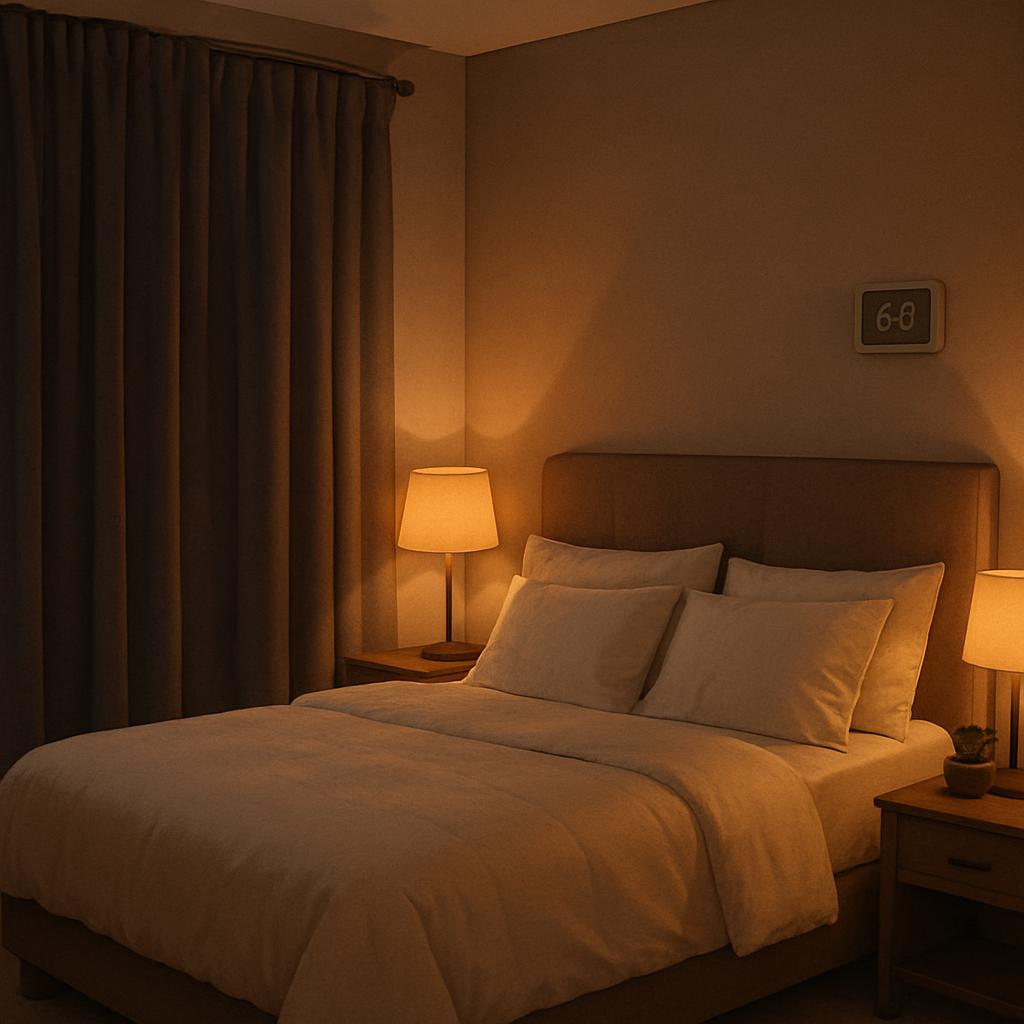
Reduce Noise Disruptions for Peaceful Slumber
When it comes to getting quality rest, one of the most underrated sleep hygiene tips is managing the sounds around you. Noise disruptions can be a serious barrier to falling asleep quickly and staying asleep throughout the night. Whether you live on a busy street, have noisy neighbors, or share your home with pets or family members, unwanted sounds can trigger your brain to stay alert when it should be winding down. Understanding how to control noise in your sleep environment is one of the most effective instant sleep tips you can implement tonight.
The science behind noise and sleep is pretty straightforward. Our brains are wired to stay somewhat alert to potential dangers, even during sleep. This evolutionary trait means that sudden or inconsistent sounds can pull us out of deep sleep cycles or prevent us from entering them in the first place. Research shows that even if you don't fully wake up, noise can still fragment your sleep, reducing the overall quality of rest you get. That's why noise reduction for sleep is such an important component of good sleep hygiene tips.
Creating a quieter bedroom doesn't always mean complete silence. In fact, for many people, total silence can be just as disruptive as noise because it makes every small sound more noticeable. The goal is to create a consistent, soothing sound environment that masks sudden disruptions. This is where strategic planning of your sleep environment comes into play. By combining different approaches to noise management, you can create a bedroom that protects you from disturbances while promoting relaxation.
Before you start making changes, spend a few nights identifying which sounds are actually disrupting your sleep. Is it traffic noise? A snoring partner? The hum of appliances? Understanding your specific noise challenges will help you choose the most effective solutions. Keep a sleep journal for three to five nights, noting when you wake up and what sounds you notice. This awareness is the first step in implementing quick sleep hacks that will work for your unique situation.
It's also worth noting that your mattress and bedding can play a role in noise reduction. A quality mattress like the Sealy Paterson Medium Hybrid Mattress absorbs movement and reduces the squeaking or creaking sounds that older mattresses can make when you shift positions during the night. This is especially helpful if you sleep with a partner who moves around frequently. Combining a supportive, quiet mattress with other noise reduction strategies creates a comprehensive approach to better sleep quality.
Incorporate a White Noise Machine
A white noise machine is one of the most popular and effective tools for creating a better sleep environment. These devices work by producing a consistent sound that masks other noises, making sudden disruptions less noticeable to your sleeping brain. Think of it as creating a sound blanket that covers up the unpredictable noises that would otherwise wake you up or keep you from falling asleep. White noise machines have become increasingly popular as more people recognize them as essential instant sleep tips that deliver real results.
The beauty of white noise is that it contains all frequencies at equal intensity, creating a steady, unchanging sound. This consistency is what makes it so effective for sleep. Your brain learns to tune it out as background noise, but it still masks other sounds that would normally grab your attention. Many people who try a white noise machine for the first time are amazed at how much faster they fall asleep and how much more rested they feel in the morning.
Not all white noise machines are created equal, and the market offers a wide range of options with different features and price points. Some produce pure white noise, while others offer variations like pink noise, brown noise, or nature sounds such as rain, ocean waves, or forest ambiance. The key is finding the sound that works best for you. Some people find pure white noise too harsh and prefer the deeper tones of brown noise, while others love the natural sound of rainfall or gentle waves.
| Feature | Why It Matters | Best For |
|---|---|---|
| Volume Control | Allows you to adjust sound level to mask your specific noise environment | Light sleepers and varying noise levels |
| Sound Variety | Different sound options like white, pink, brown noise, or nature sounds | People who prefer customization |
| Timer Function | Can be set to turn off after you fall asleep to save energy | Those who prefer silence once asleep |
| Portability | Compact size and battery option for travel | Frequent travelers or multiple room use |
| Non-Looping Sound | Continuous sound without repeating patterns that brain can detect | Sensitive sleepers who notice loops |
When shopping for a white noise machine, consider where you'll place it in your bedroom. The ideal location is usually somewhere between you and the source of disruptive noise. For example, if street noise comes through your window, placing the machine closer to the window can help mask those sounds more effectively. However, you also want it close enough that you can hear it clearly without needing to turn the volume up too high. Experiment with placement to find the sweet spot that works best for your sleep environment.
If you're not ready to invest in a dedicated white noise machine, there are other options to explore. Many smartphones have apps that produce white noise or nature sounds, and you can use a small speaker to project the sound throughout your room. Some people also use fans, which create a consistent humming sound while providing the added benefit of air circulation. The downside of fans is that they only work well in warmer months, and they can be too loud or create too much air movement for some people.
One important tip: give yourself time to adjust to white noise if you've never used it before. Some people adapt immediately, while others need a few nights to get used to the new sound in their bedroom. Start with a lower volume and gradually increase it as needed. Most people find that after three to five nights, the white noise becomes a comforting part of their sleep routine, and they actually sleep worse without it. This is one of those quick sleep hacks that becomes a long-term solution for better rest.
Remember that consistency is key when using a white noise machine. Your brain responds well to predictable patterns, so using your machine every night helps signal to your body that it's time to sleep. This makes white noise part of your overall sleep hygiene routine. Combine it with other sleep hygiene tips like maintaining a cool bedroom temperature and keeping your room dark, and you'll create an environment that promotes deep, restorative sleep night after night.
Seal Gaps and Insulate Your Room
While a white noise machine helps mask sounds, physically blocking noise from entering your bedroom in the first place is equally important. Sound travels through the smallest gaps and openings, which means that sealing these entry points can make a significant difference in your overall sleep environment. This approach to noise reduction for sleep is often overlooked, but it can be incredibly effective and doesn't require expensive equipment or major renovations.
Start by identifying where sound is entering your room. The most common culprits are gaps around doors and windows. Even a small gap under your bedroom door can allow a surprising amount of sound to travel through from other parts of your home. The same goes for windows, especially older ones that may not seal properly. Walk around your room during a noisy time of day and notice where sounds seem loudest. This will help you prioritize which areas to address first.
Door sweeps and draft stoppers are simple, affordable solutions for blocking sound that comes through the gap at the bottom of your door. These attach to the bottom of your door or sit against it, creating a seal that blocks both sound and light. You can find options that are permanent or temporary, depending on whether you rent or own your home. For windows, weather stripping is your best friend. This adhesive-backed foam or rubber material fills the gaps around window frames, reducing both noise and drafts.
Heavy curtains or drapes do double duty by blocking light and absorbing sound. Look for curtains labeled as thermal or insulated, as these have multiple layers that help dampen noise from outside. The thicker and heavier the fabric, the more effective it will be at sound absorption. If you already have blackout curtains for light control, you're likely getting some sound-blocking benefits as well. Hang curtains as close to the window as possible and make sure they extend beyond the window frame on all sides for maximum effectiveness.
Rugs and carpeting are often overlooked tools for noise reduction, but they can make a real difference, especially if you live in an apartment or multi-story home. Hard flooring reflects sound, while soft surfaces absorb it. A thick area rug with a quality pad underneath can absorb sound from below and reduce echoes within your room, creating a quieter overall environment. This is particularly helpful if you have noisy downstairs neighbors or if sounds from other rooms travel through your floor.
Wall treatments can also help with noise reduction, though they require a bit more investment. Fabric wall hangings, tapestries, or acoustic panels can absorb sound and reduce echo in your bedroom. Even something as simple as moving your bookshelf against a shared wall can help dampen noise from neighbors. Books are surprisingly good at absorbing sound because of their density and irregular surfaces. If you're dealing with particularly loud neighbors or street noise, consider adding a layer of acoustic foam panels in strategic locations.
Don't forget about electrical outlets and light switches on exterior walls. These can be unexpected sources of sound leakage because they create holes in your walls. Foam gaskets that fit behind outlet and switch plate covers can block these gaps and are incredibly easy to install. You simply remove the cover plate, place the gasket, and reattach the cover. This small fix takes minutes but can noticeably reduce sound transmission through your walls.
If you're dealing with particularly stubborn noise issues, consider the arrangement of your bedroom furniture. Placing your bed against an interior wall rather than one that faces the street or neighbors can make a noticeable difference. Your headboard itself can act as a sound buffer, especially if it's upholstered or padded. Think strategically about how to position large furniture pieces to create barriers between you and noise sources. Even something as simple as moving your dresser to a different wall can change the acoustics of your room.
For renters who can't make permanent changes, there are plenty of temporary solutions. Removable weather stripping, portable door sweeps, and freestanding acoustic panels can all be taken with you when you move. The investment in these items pays off in better sleep quality, which affects every aspect of your life from mood to productivity to overall health. When you think about it that way, spending a little time and money on noise reduction for your sleep environment is one of the smartest things you can do for yourself.
Combining physical noise barriers with a white noise machine creates a powerful one-two punch for protecting your sleep. The physical barriers reduce the amount of noise entering your room, while the white noise masks whatever sounds still make it through. Together, these strategies create an environment where your brain can truly relax and your body can cycle through the deep sleep stages it needs for restoration and healing. This comprehensive approach to managing your sleep environment is what transforms occasional good nights into consistent, refreshing sleep that leaves you feeling energized every morning.
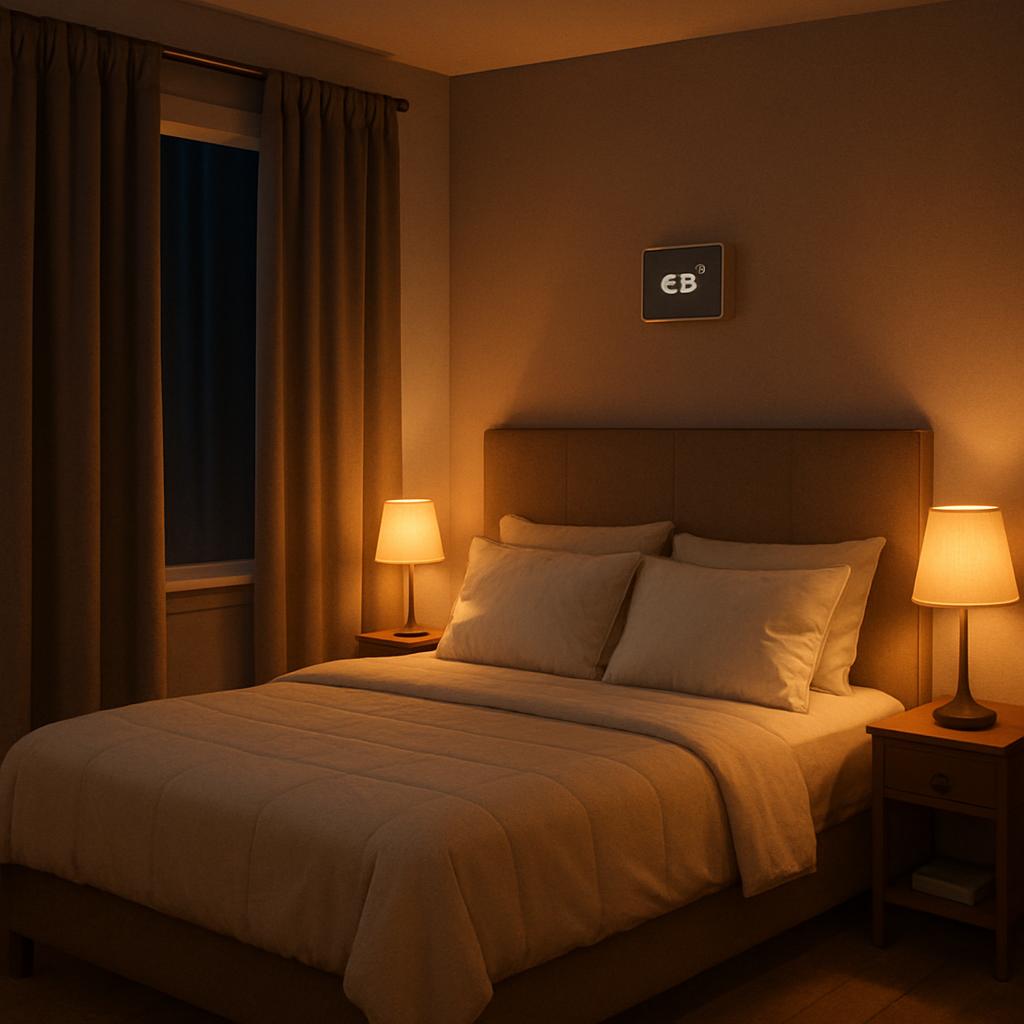
Utilize Aromatherapy for Enhanced Relaxation
When it comes to quick sleep hacks and improving your sleep environment, aromatherapy stands out as one of the most effective yet underrated instant sleep tips available. The connection between scent and sleep quality is deeply rooted in how our brains process sensory information, making aromatherapy for sleep a powerful tool in your sleep hygiene tips arsenal. The beauty of incorporating aromatherapy into your nighttime routine is that it works almost immediately, helping you relax both mentally and physically while preparing your body for restorative rest.
Aromatherapy works by stimulating the olfactory system, which is directly connected to the limbic system in your brain—the part responsible for emotions, memories, and arousal. When you inhale certain calming scents, your brain releases neurotransmitters like serotonin and dopamine that naturally reduce stress and anxiety. This physiological response makes aromatherapy particularly valuable for those who struggle with racing thoughts at bedtime or find themselves lying awake feeling tense and worried.
What makes aromatherapy such a practical addition to your bedroom environment is its simplicity and versatility. Unlike major renovations or expensive equipment, aromatherapy requires minimal investment and can be customized to your personal preferences. Whether you're dealing with occasional sleeplessness or chronic sleep difficulties, incorporating the right scents into your sleep space can make a noticeable difference in how quickly you fall asleep and how deeply you rest throughout the night.
The science behind aromatherapy for sleep continues to grow stronger with each passing year. Multiple studies have shown that certain essential oils can reduce heart rate, lower blood pressure, and decrease cortisol levels—all physiological markers of relaxation. When combined with other sleep hygiene tips like maintaining a cool bedroom temperature and using proper supportive pillows, aromatherapy creates a multi-sensory environment that signals to your body it's time to wind down and prepare for sleep.
One of the reasons aromatherapy works so well as part of your sleep tips routine is consistency. When you use the same calming scents night after night, your brain begins to associate those fragrances with sleep. This classical conditioning effect means that over time, simply smelling your chosen aromatherapy scent can trigger feelings of drowsiness and relaxation, making it easier to transition from wakefulness to sleep. This makes aromatherapy not just a quick sleep hack, but a long-term strategy for better rest.
Incorporate Essential Oils in Your Sleep Routine
Essential oils are the foundation of any effective aromatherapy for sleep practice, and choosing the right oils can significantly impact your results. Lavender essential oil remains the gold standard for sleep-promoting scents, backed by extensive research showing its ability to increase slow-wave sleep, which is the deep, restorative sleep stage your body needs most. The naturally occurring compounds in lavender, particularly linalool and linalyl acetate, have sedative properties that help calm nervous system activity and prepare your body for rest.
Beyond lavender, chamomile essential oil offers another excellent option for your sleep environment. Roman chamomile, in particular, contains compounds that bind to the same brain receptors as some anti-anxiety medications, providing a natural way to ease tension and worry before bed. The gentle, apple-like scent of chamomile is less floral than lavender, making it a good alternative if you find lavender too strong or if you simply want variety in your aromatherapy routine.
Bergamot essential oil presents a unique case in aromatherapy for sleep because it's a citrus oil, and most citrus scents are energizing rather than relaxing. However, bergamot is the exception—it contains compounds that reduce anxiety and lower heart rate while maintaining a fresh, uplifting quality that many people find more appealing than traditional floral sleep scents. This makes bergamot an excellent choice for those who want the benefits of aromatherapy without the heavy, perfume-like fragrances of some essential oils.
"I started using lavender oil in my bedroom about three months ago, and I honestly can't believe the difference it's made. I fall asleep so much faster now, and I wake up feeling more rested. It's become such an important part of my nighttime routine that I actually get anxious if I forget to turn on my diffuser!" – Review from November 8, 2024
Cedarwood essential oil is another valuable addition to your sleep hygiene tips toolkit. The woody, grounding scent of cedarwood has been shown to increase sedative serotonin production in the brain, which then converts to melatonin—your body's natural sleep hormone. Cedarwood works particularly well when blended with lavender, creating a balanced aroma that combines floral and earthy notes for a more complex sensory experience.
Ylang ylang essential oil might not be as well-known as lavender, but it deserves consideration for your sleep routine. This exotic floral oil has been shown to lower blood pressure and heart rate while promoting feelings of calm and peace. The sweet, slightly fruity scent pairs beautifully with lavender or can be used alone for those who prefer a warmer, more sensual fragrance in their bedroom environment.
When incorporating essential oils into your sleep routine, quality matters significantly. Look for oils labeled as "therapeutic grade" or "100% pure" to ensure you're getting genuine essential oils without synthetic additives or dilution. Lower-quality oils often contain fillers or artificial fragrances that won't provide the same therapeutic benefits and may even cause headaches or irritation. Investing in high-quality oils means you'll use less product overall since pure essential oils are highly concentrated.
The timing of when you introduce aromatherapy into your evening routine also impacts its effectiveness. I recommend starting your aromatherapy about 30 to 45 minutes before your intended bedtime. This gives the scent time to fill your bedroom and allows your body to begin its natural wind-down process. Pairing aromatherapy with other instant sleep tips—like dimming the lights and lowering your bedroom temperature—creates a comprehensive approach to better sleep that addresses multiple factors simultaneously.
Use a Diffuser to Create a Calm Environment
A diffuser is the most effective and safe way to disperse essential oils throughout your sleep environment, turning your bedroom into a true sanctuary for rest. Unlike candles or direct application methods, diffusers break down essential oils into micro-particles that are easily absorbed through inhalation, maximizing their therapeutic effects without overwhelming your senses. The gentle mist created by most diffusers also adds a touch of humidity to your bedroom air, which can be particularly beneficial during dry winter months or in climates with low humidity.
Ultrasonic diffusers are the most popular type for bedroom use because they operate silently and don't require heat, which can degrade the therapeutic properties of essential oils. These diffusers use ultrasonic vibrations to create a fine mist of water and essential oil that disperses evenly throughout your room. The quiet operation is crucial for maintaining a peaceful sleep environment—the last thing you want is a noisy device working against your other sleep hygiene tips by creating auditory distractions.
When choosing a diffuser for your bedroom, consider the size of your space. Most diffusers are rated for specific square footage, and using a diffuser that's too small for your room means you won't get the full aromatherapy benefits. Conversely, an overly powerful diffuser in a small bedroom can make the scent too intense, which can actually interfere with sleep rather than promote it. As a general rule, a diffuser with a 100-200 milliliter water capacity works well for average-sized bedrooms of about 200-300 square feet.
The placement of your diffuser within your bedroom environment matters more than many people realize. Position your diffuser on a stable, flat surface at least two feet off the ground, which allows the mist to disperse more effectively throughout the room. Avoid placing it directly next to your bed where the mist might be too concentrated, or right under air vents that could blow the mist away before it has a chance to spread. A dresser or nightstand on the opposite side of the room from your bed typically provides ideal placement.
Timer functions on diffusers represent one of the most valuable features for incorporating aromatherapy into your sleep routine. Many modern diffusers offer interval settings that allow the device to run for 30 minutes to an hour before automatically shutting off. This prevents the scent from becoming too strong overnight and conserves your essential oils. Running your diffuser intermittently—perhaps 30 minutes on, 30 minutes off—can actually be more effective than continuous diffusion because it prevents your nose from becoming desensitized to the scent.
Maintaining your diffuser properly ensures it continues working effectively as part of your quick sleep hacks routine. Clean your diffuser at least once a week by filling it with clean water and a small amount of white vinegar, running it for about five minutes, then emptying and wiping it dry. This prevents oil residue buildup that can clog the ultrasonic mechanism and reduce misting efficiency. Regular cleaning also prevents different essential oil scents from mixing together, allowing you to experience each fragrance at its purest.
Creating custom essential oil blends in your diffuser allows you to personalize your aromatherapy for sleep experience. A popular sleep-promoting blend combines four drops of lavender, two drops of cedarwood, and one drop of bergamot. Another effective combination uses three drops of chamomile with two drops of ylang ylang. Experimenting with different blends helps you discover which scents work best for your individual sleep needs and preferences, making aromatherapy a truly customized component of your sleep environment.
If you're new to using a diffuser, start with fewer drops of essential oil than you think you'll need—usually three to five drops is sufficient for most bedroom spaces. You can always add more if the scent is too faint, but starting with too much oil can create an overpowering aroma that makes sleep more difficult. Remember that your sense of smell is most sensitive in the evening, so what seems like a light scent when you start your diffuser might feel stronger as you're trying to fall asleep.
Develop a Consistent Nighttime Routine
Creating and maintaining a consistent nighttime routine stands as one of the most powerful sleep hygiene tips you can implement for lasting improvements in sleep quality. While quick sleep hacks and instant sleep tips can provide immediate relief on difficult nights, a well-structured bedtime routine addresses the root causes of sleep difficulties by training your body and mind to recognize when it's time to transition from wakefulness to rest. This consistency works with your body's natural circadian rhythm rather than against it, making sleep feel effortless rather than forced.
The power of a nighttime routine lies in its predictability. When you perform the same sequence of activities each evening, your brain begins to anticipate sleep and initiates the physiological changes necessary for rest—lowering body temperature, releasing melatonin, and slowing mental activity. This conditioning effect becomes stronger with each repetition, which means your nighttime routine becomes more effective the longer you maintain it. Think of it as building a pathway in your brain that leads directly to sleep, and each night you follow your routine, that pathway becomes clearer and easier to follow.
Your nighttime routine should begin at least one hour before your intended bedtime, giving your body adequate time to shift from the active state of daytime to the relaxed state needed for sleep. This buffer period is crucial because falling asleep isn't like flipping a switch—it's a gradual process that requires time and the right conditions. Starting your routine too close to bedtime often results in lying awake feeling frustrated because your body simply hasn't had enough time to make the necessary physiological adjustments.
One of the most overlooked aspects of developing a consistent nighttime routine is addressing your sleep surface. If you're following all the right sleep tips but still tossing and turning, your mattress might be working against you. The right mattress provides the support and comfort your body needs to relax fully, which is why investing in quality sleep products from brands like Sealy can transform your entire sleep experience. A supportive mattress doesn't just feel comfortable—it actively promotes better sleep by maintaining proper spinal alignment and reducing pressure points that can cause nighttime wakings.
Environmental cues play a significant role in the effectiveness of your nighttime routine. Just as you might use aromatherapy for sleep or maintain a cool bedroom temperature, incorporating consistent lighting changes into your routine helps signal the approaching bedtime to your brain. Dimming lights progressively throughout your routine mimics the natural sunset, which historically signaled to humans that sleep time was approaching. This gradual reduction in light exposure helps your brain increase melatonin production naturally, making you feel genuinely sleepy rather than just tired.
The activities you choose for your nighttime routine should be genuinely relaxing and enjoyable—not something you force yourself to do out of obligation. If reading makes you anxious because you feel pressure to finish a chapter, it's not the right activity for your routine. Similarly, if you find meditation frustrating because your mind won't stop racing, forcing it might do more harm than good. Your routine should feel like a gift you give yourself each evening, a peaceful transition that you actually look forward to rather than another item on your to-do list.
Consistency in timing proves just as important as consistency in activities. Going through your nighttime routine at wildly different times each evening confuses your circadian rhythm and undermines the conditioning effect you're trying to create. Even on weekends or days off, try to maintain your routine within a 30-minute window of your usual time. This regularity reinforces your body's internal clock and helps regulate the natural release of sleep-promoting hormones, making falling asleep easier every single night.
Engage in Relaxation Techniques Before Bed
Relaxation techniques before bed serve as the cornerstone of an effective nighttime routine, helping to quiet both physical tension and mental activity that can interfere with sleep. These techniques work by activating your parasympathetic nervous system—the "rest and digest" system that counters the "fight or flight" stress response. When you consciously engage in relaxation practices, you're essentially telling your body that it's safe to let go of the day's tensions and prepare for restorative sleep.
Progressive muscle relaxation is one of the most effective instant sleep tips for people who carry physical tension in their bodies. This technique involves systematically tensing and then releasing different muscle groups throughout your body, starting with your toes and working up to your head. The process takes about 10-15 minutes and helps you become aware of where you hold stress while teaching your muscles how to release it. Many people find that after practicing progressive muscle relaxation regularly, they can achieve the same relaxed state more quickly, making it an increasingly efficient component of their sleep hygiene tips routine.
Deep breathing exercises represent another powerful relaxation technique that can produce noticeable results within minutes. The 4-7-8 breathing method, developed by Dr. Andrew Weil, has become particularly popular as a quick sleep hack. The technique involves breathing in through your nose for a count of four, holding your breath for a count of seven, and exhaling completely through your mouth for a count of eight. Repeating this cycle four times activates your body's relaxation response and can help you fall asleep significantly faster than lying in bed waiting for sleep to arrive naturally.
Effective relaxation techniques to incorporate into your sleep environment include:
- Guided imagery meditation where you visualize peaceful, calming scenes in detail, engaging all your senses to create a mental escape from daily stressors. Apps and audio recordings can guide you through these visualizations until you become comfortable creating your own.
- Body scan meditation that involves mentally scanning your body from head to toe, noticing sensations without judgment and consciously releasing any tension you discover. This practice increases body awareness and promotes physical relaxation.
- Gentle yoga or stretching focusing on poses that promote relaxation rather than invigoration, such as child's pose, legs-up-the-wall pose, or supine twists. These movements release physical tension while signaling to your body that activity is winding down.
- Journaling or brain dumping to transfer racing thoughts from your mind onto paper, creating mental space for sleep. Writing down tomorrow's to-do list or processing the day's events prevents these thoughts from cycling through your mind as you try to fall asleep.
- Listening to calming music or nature sounds at a low volume to create a peaceful auditory environment that masks disruptive noises and provides a focal point for your attention that isn't mentally stimulating.
The key to making relaxation techniques work as part of your nighttime routine is practicing them consistently, even on nights when you don't feel particularly stressed or wound up. Regular practice strengthens the connection between these activities and sleep in your brain, making them more effective over time. It's similar to how athletes practice their skills regularly rather than only when they need them—the consistency builds neural pathways that make the response automatic.
When selecting which relaxation techniques to incorporate into your routine, consider your personal preferences and what types of activities naturally calm you. Some people find physical practices like stretching most effective, while others respond better to mental techniques like visualization or breathing exercises. There's no universal "best" relaxation technique—the most effective one is the one you'll actually do consistently because you find it genuinely soothing and enjoyable.
Combining multiple relaxation techniques can create a more comprehensive approach to preparing for sleep. You might start with gentle stretching to release physical tension, transition to deep breathing exercises to calm your nervous system, and finish with guided imagery to quiet your mind. This layered approach addresses tension on multiple levels—physical, physiological, and mental—creating an ideal state for falling asleep quickly and sleeping soundly throughout the night.
Remember that relaxation techniques become more effective with practice, so don't get discouraged if they don't produce immediate results during your first few attempts. Your mind and body need time to learn these new patterns and responses. Give yourself at least two to three weeks of consistent practice before evaluating whether a particular technique works for you. This patience and persistence pays off with improved sleep quality that extends far beyond any quick sleep hacks or temporary solutions.
Stick to a Fixed Sleep Schedule
Maintaining a fixed sleep schedule ranks among the most scientifically supported sleep hygiene tips available, yet it's often the most challenging to implement consistently. Your body operates on a roughly 24-hour internal clock called the circadian rhythm, which regulates not just sleep and wakefulness but also hormone production, body temperature, and numerous other physiological processes. When you go to bed and wake up at consistent times, you align your daily activities with this natural rhythm, making sleep feel effortless and wakefulness feel natural and energizing.
The impact of a consistent sleep schedule extends far beyond simply feeling more rested. Regular sleep and wake times improve the quality of your sleep by allowing you to spend more time in the deep, restorative sleep stages your body needs most. When your sleep schedule varies significantly from night to night, you experience what researchers call "social jet lag"—essentially giving yourself jet lag without ever leaving your time zone. This disruption compromises sleep quality even if you're getting adequate hours of sleep, leaving you feeling tired and unfocused despite spending plenty of time in bed.
Establishing your ideal sleep schedule starts with determining how much sleep your body actually needs. While eight hours is often cited as the standard, individual sleep needs vary from about seven to nine hours per night. Pay attention to how you feel after different amounts of sleep—not just immediately upon waking, but throughout the entire day. Your ideal sleep duration is the amount that leaves you feeling alert, focused, and energetic from morning until your usual bedtime without relying heavily on caffeine or other stimulants.
Once you've identified your sleep needs, work backward from your necessary wake time to determine your ideal bedtime. If you need to wake at 6:30 AM and require eight hours of sleep, your target bedtime should be 10:30 PM. However, remember that bedtime refers to when you actually fall asleep, not when you get into bed. If you typically take 20-30 minutes to fall asleep, you should be in bed by 10:00 PM to achieve your 10:30 PM sleep time. Building in this buffer prevents the frustration of watching the clock tick past your intended bedtime while you're still awake.
Weekend consistency presents the biggest challenge for most people trying to maintain a fixed sleep schedule. The temptation to stay up late Friday and Saturday nights and sleep in the following mornings is strong, especially if you feel like you're "catching up" on missed sleep from the week. However, this pattern significantly disrupts your circadian rhythm and makes Monday morning feel brutal as your body struggles to readjust. If you must vary your schedule on weekends, limit the difference to no more than one hour from your weekday routine.
Creating environmental conditions that support your fixed sleep schedule makes consistency easier to maintain. This includes optimizing your sleep environment with appropriate lighting, noise reduction for sleep, and maintaining that crucial cool bedroom temperature we discussed earlier. When your bedroom environment consistently signals that it's time for sleep, your body responds more readily to your schedule. This is where all your sleep hygiene tips work together synergistically—each element supporting and reinforcing the others.
Dealing with schedule disruptions requires planning and flexibility without completely abandoning your routine. If you know you have an event that will keep you up past your normal bedtime, try to maintain your regular wake time the following morning despite getting less sleep. While this might make for a tired day, it prevents throwing off your entire schedule. You can compensate with a short afternoon nap of 20-30 minutes if needed, but avoid napping too close to bedtime as this can interfere with falling asleep at your scheduled time.
The relationship between your sleep schedule and your sleep environment can't be overstated. Even the most consistent schedule won't overcome the challenges of an uncomfortable mattress or poor sleeping conditions. This is why addressing both timing and environmental factors creates such powerful results. When you combine a fixed sleep schedule with proper sleep surfaces, appropriate lighting, noise control, and all the other bedroom environment hacks we've discussed, you create conditions where great sleep becomes the natural, expected outcome rather than an occasional achievement.
Tracking your sleep schedule helps maintain accountability and allows you to identify patterns that might be interfering with your sleep quality. Simple methods work well—a basic calendar where you mark your bedtime and wake time each day provides valuable data over time. You might notice that certain activities, foods, or stressors consistently impact your ability to maintain your schedule, giving you actionable information to adjust your routine. This data-driven approach transforms sleep improvement from guesswork into a systematic process with measurable results.
Make Simple Changes for a Better Night's Sleep
Getting quality sleep doesn't have to be complicated or expensive. The bedroom environment hacks I've shared throughout this post are practical, achievable changes that can make a real difference starting tonight. Whether you're struggling with falling asleep or staying asleep, these sleep tips focus on creating the ideal conditions for your body to naturally drift off and stay in restful slumber.
Think about your bedroom right now. Is it truly optimized for sleep? Most of us spend a third of our lives sleeping, yet we often neglect the space where this crucial activity happens. By addressing the key factors—lighting, temperature, noise, and comfort—you're setting yourself up for instant sleep wins that compound over time. These aren't just temporary fixes; they're foundational sleep hygiene tips that support your overall health and well-being.
Start with the changes that feel most manageable to you. Maybe that means investing in a better mattress that properly supports your body, or perhaps it's as simple as installing blackout curtains to create total darkness. The beauty of these bedroom lighting hacks and temperature adjustments is that they work together synergistically. When you combine a cool bedroom temperature with reduced noise and calming scents from aromatherapy for sleep, you're creating an environment where your body knows it's time to rest.
Remember that noise reduction for sleep can be as straightforward as adding a white noise machine to your nighttime routine. This simple device can mask disruptive sounds from neighbors, traffic, or other household members, allowing your brain to relax without constantly monitoring for potential disturbances. Pair that with the right bedding materials that help regulate your body temperature, and you've created a sleep environment that rivals any luxury hotel.
The consistency piece matters too. These quick sleep hacks work best when they become part of your regular routine. Your body thrives on patterns and predictability. When you maintain the same sleep schedule, use the same calming scents, and keep your bedroom at the optimal temperature night after night, you're training your body to recognize these cues as signals that sleep is coming. This conditioning makes falling asleep faster and more natural over time.
Don't feel like you need to implement every suggestion at once. Pick two or three changes that resonate most with your current sleep challenges, and start there. Maybe you're someone who runs hot at night—focus on achieving that perfect cool bedroom temperature first. Or perhaps light from street lamps keeps you awake—prioritize those blackout curtains. As each change becomes second nature, you can layer in additional improvements.
Your bedroom should be your personal retreat, a place where stress melts away and rest comes easily. With these practical strategies, you're not just improving your sleep—you're investing in better mornings, more productive days, and improved overall health. Quality sleep affects everything from your mood and memory to your immune system and metabolism. When you prioritize creating the right sleep environment, you're choosing to show up as your best self every single day.
Tonight, when you walk into your bedroom, you'll have the knowledge and tools to make it work for you rather than against you. Sweet dreams and restful nights are within your reach. Here's to waking up refreshed, energized, and ready to take on whatever comes your way.
Frequently Asked Questions
What is the ideal bedroom temperature for sleeping?
The ideal cool bedroom temperature for most people falls between 60-67°F (15-19°C). Your body naturally drops in temperature when preparing for sleep, so a cooler room helps facilitate this process. If you tend to sleep hot, aim for the lower end of this range. Experiment to find what feels most comfortable for your personal needs.
How does a white noise machine help with sleep?
A white noise machine produces consistent, soothing sounds that mask sudden noises like traffic, barking dogs, or noisy neighbors. This steady background sound helps your brain stop monitoring the environment for potential threats, making it easier to fall asleep and stay asleep. It's one of the most effective noise reduction for sleep solutions available.
What are the best essential oils for aromatherapy for sleep?
Lavender is the most researched and popular choice for promoting relaxation and sleep. Other effective options include chamomile, bergamot, sandalwood, ylang-ylang, and cedarwood. You can use these individually or create custom blends. Start with just a few drops in a diffuser about 30 minutes before bedtime as part of your sleep hygiene routine.
Do blackout curtains really make a difference?
Yes, blackout curtains can significantly improve your sleep environment by blocking external light sources that interfere with melatonin production. Even small amounts of light can disrupt your circadian rhythm. Blackout curtains are especially helpful if you work night shifts, live in an urban area with street lights, or sleep past sunrise. They're one of the most effective bedroom lighting hacks you can implement.
How long does it take for sleep environment changes to work?
Some instant sleep tips like adjusting room temperature or using a white noise machine can work the very first night. However, your body typically needs about 1-2 weeks to fully adjust to new sleep hygiene tips and establish new patterns. Be patient and consistent with your changes, and you'll likely notice gradual improvements in both how quickly you fall asleep and the quality of your rest.
What type of bedding material is best for temperature regulation?
Natural, breathable fabrics like cotton, linen, and bamboo are excellent for temperature regulation. These materials wick moisture away from your body and allow air circulation. For cooler weather, consider flannel or jersey knit. Avoid synthetic materials like polyester that can trap heat and moisture. The right bedding works hand-in-hand with maintaining a cool bedroom temperature throughout the night.
Should I sleep with my bedroom door open or closed?
This depends on your specific situation. A closed door provides better noise reduction for sleep and can help maintain your desired room temperature. However, if you need air circulation or want to hear family members during the night, leaving it slightly open might work better. Fire safety experts also recommend sleeping with doors closed as they can slow the spread of fire and smoke.
How often should I replace my mattress and pillows?
Most mattresses should be replaced every 7-10 years, though quality mattresses from brands like Tempur-Pedic or Sealy may last longer with proper care. Pillows typically need replacement every 1-2 years, or when they no longer provide adequate support. If you're waking up with neck pain or your mattress has visible sagging, it's time for an upgrade. Quality sleep surfaces are fundamental sleep hygiene tips that shouldn't be overlooked.
What color should I paint my bedroom for better sleep?
Calming, cool colors like soft blues, gentle greens, and neutral tones like beige or gray tend to promote relaxation and better sleep. These colors have been shown to lower heart rate and blood pressure. Avoid bright, stimulating colors like red, orange, or bright yellow in the bedroom. Your sleep environment should feel peaceful and serene, and color plays a significant role in creating that atmosphere.
Is it better to sleep in complete silence or with background noise?
This varies by person, but many people sleep better with consistent background noise rather than complete silence. Total silence can make you more aware of sudden sounds like a creaking house or distant traffic. A white noise machine provides steady sound that your brain can tune out while masking disruptive noises. Try both approaches to see which creates the better sleep environment for you.
Can houseplants in the bedroom improve sleep quality?
Yes, certain houseplants can improve your sleep environment by purifying air and releasing oxygen at night. Snake plants, aloe vera, and jasmine are good choices for bedrooms. However, avoid overwatering and ensure proper drainage to prevent mold growth. Plants also add a calming, natural element to your space that can promote relaxation as part of your overall sleep hygiene tips.
What's the best lighting for reading in bed before sleep?
Warm, dim lighting is best for reading before bed. Look for bulbs with a color temperature of 2700K or lower, which produces a warm, amber glow that doesn't suppress melatonin production like blue light does. Adjustable reading lamps let you direct light onto your book while keeping the rest of the room dark. These bedroom lighting hacks help you wind down without disrupting your body's preparation for sleep.
How can I reduce humidity in my bedroom for better sleep?
Use a dehumidifier if you live in a humid climate, as excess moisture can make your room feel warmer and less comfortable. Aim for humidity levels between 30-50%. Proper ventilation also helps—crack a window when weather permits or use a fan to improve air circulation. Controlling humidity is an often-overlooked aspect of maintaining the ideal cool bedroom temperature and overall sleep environment.
Should I use a fan for white noise or cooling?
A fan can serve both purposes effectively, making it a versatile tool for your sleep environment. It provides gentle white noise for sleep while also promoting air circulation and cooling. Just be sure to point it away from directly blowing on you all night, as this can cause dry skin and sinuses. In cooler months, you might prefer a dedicated white noise machine for sound without the cooling effect.
What are some quick sleep hacks I can try tonight?
Here are instant sleep tips you can implement immediately: lower your thermostat by a few degrees, use a towel or blanket to block light from under your door, try a free white noise app on your phone, take a warm shower before bed to trigger your body's cooling response, and remove electronic devices from your bedroom. These simple changes require minimal effort but can produce noticeable results in your sleep quality tonight.