

Have you ever wondered why your partner nudges you awake in the middle of the night, frustrated by the rumbling soundtrack of your snoring? Or perhaps you're the one lying awake, struggling to sleep beside someone whose snoring seems to shake the walls? If snoring has become an unwelcome guest in your bedroom, you're not alone. Millions of people across the United States deal with snoring every single night, and it's more than just an annoying habit—it can seriously impact the quality of sleep for everyone involved. The good news? The solution might be simpler than you think, and it doesn't involve complicated surgeries, uncomfortable mouthguards, or expensive medical treatments. What if I told you that the secret to reducing snoring naturally could be as straightforward as changing the position you sleep in?
When most people think about snoring solutions, they imagine complicated devices or drastic lifestyle changes. But here's something that might surprise you: the way you position your body during sleep plays a massive role in whether you snore—and how loudly. Your sleep position affects everything from how your airway stays open to how gravity works with or against your breathing throughout the night. This is where adjustable bed positions come into play, offering a practical and effective approach to sleep position therapy that can dramatically reduce snoring without pills, procedures, or uncomfortable contraptions.
The concept of using adjustable sleep positions to combat snoring isn't just a trendy wellness hack—it's backed by science and recommended by sleep specialists worldwide. When you adjust the angle of your head and upper body, you're actually changing the physical dynamics of your airway. An elevated head position can keep your airways more open, reduce the vibration of soft tissues that causes snoring, and even help with other sleep-related breathing issues. Whether you're using an adjustable mattress snoring solution or a simple bed wedge snoring remedy, the principle remains the same: proper positioning can be a game-changer for snorers and their sleep partners.
I've spent years helping people find better sleep solutions at Sleepology Mattress Shop, and one of the most common concerns I hear is about snoring. What makes this issue particularly challenging is that snoring doesn't just affect the person doing it—it impacts the sleep quality of everyone in the household. That's why I'm passionate about sharing information about anti-snore positions and how modern adjustable beds can provide snore relief positions that work naturally with your body. These aren't temporary fixes or Band-Aid solutions; they're sustainable approaches to better sleep that address the root cause of the problem rather than just masking symptoms.
Throughout this article, I'm going to share practical, science-backed strategies for using the best sleep positions snoring sufferers need to know about. We'll explore how different angles and positions affect your breathing, why certain positions work better than others, and how you can implement these snore relief positions in your own bedroom starting tonight. Whether you're dealing with occasional snoring or chronic nighttime noise, understanding the connection between sleep position therapy and breathing can transform your nights from restless to restful.
Key Takeaways
- Sleep position significantly impacts snoring severity and airway openness
- Elevated head positions help reduce snoring naturally by keeping airways clear
- Adjustable beds offer customizable anti-snore positions for personalized comfort
- Side sleeping combined with slight elevation provides optimal snore relief
- Sleep position therapy is a non-invasive solution that works with your body's natural mechanics
Mastering Anti-Snore Positions for a Peaceful Night's Sleep
If you've tried everything from nasal strips to sleeping on your side without lasting success, it might be time to think beyond traditional snoring remedies. The truth is, mastering anti-snore positions requires understanding that not all sleep positions are created equal when it comes to breathing. Your body's alignment during sleep directly influences how easily air flows through your throat and nasal passages. When you lie flat on your back, gravity pulls your tongue and soft palate backward, which can partially block your airway and create the vibrations we hear as snoring. This is why so many sleep experts recommend exploring different adjustable bed positions to find what works best for your unique physiology.
What makes adjustable sleep positions so effective is their ability to address the mechanical causes of snoring right at the source. When you raise the head of your bed even by a modest angle—typically between 30 and 45 degrees—you're working with gravity instead of against it. This slight elevation helps keep your airway open throughout the night, reducing the likelihood of soft tissue collapse that triggers snoring. I've seen countless customers at Sleepology Mattress Shop experience dramatic improvements in their sleep quality simply by incorporating an elevated head position into their nightly routine. Some report that their partners can finally sleep through the night without being disturbed, while others notice they wake up feeling more refreshed because they're actually breathing better during sleep.
The connection between adjustable mattress snoring solutions and better sleep isn't just anecdotal—it's supported by research from sleep medicine specialists who study breathing disorders. When you pair the right mattress with an adjustable foundation like the Sealy Ease Power Base, you gain the flexibility to find your perfect anti-snore position. This type of adjustable base allows you to customize your sleeping angle with precision, and you can adjust it throughout the night if needed. The beauty of modern adjustable beds is that they offer preset positions designed specifically for snore relief, taking the guesswork out of finding the best sleep positions snoring sufferers need.
Beyond just elevation, the best anti-snore positions also consider how you're lying—whether on your back, side, or stomach. While sleeping on your back is often the worst position for snorers, an adjustable bed can make back sleeping viable by providing enough elevation to keep airways open. Side sleeping remains one of the most recommended positions for reducing snoring naturally, and when combined with a slight incline, it becomes even more effective. The key is finding a position that you can maintain comfortably throughout the night, because constantly shifting positions can actually disrupt both your sleep and your breathing patterns.
Many people don't realize that their mattress plays a crucial role in how well these anti-snore positions work. A mattress that's too soft might not provide adequate support for your spine when the bed is elevated, while one that's too firm might create pressure points that make it uncomfortable to maintain the position all night. That's why pairing an adjustable base with a compatible mattress—like the Sealy Paterson Medium Hybrid, which offers both support and conforming comfort—creates the ideal sleep environment for snore relief positions. The right combination supports your body properly while allowing the adjustable base to do its job of positioning you for optimal breathing.
I always remind customers that finding your perfect anti-snore position is a personal journey. What works wonderfully for one person might not be as effective for another, which is why the adjustability feature is so valuable. You can experiment with different angles and positions until you find what gives you the best combination of comfort and breathing support. Some people find that a moderate incline of about 30 degrees works perfectly, while others need a steeper angle to achieve meaningful snore reduction. The important thing is that you have the flexibility to make these adjustments and fine-tune your sleep position therapy approach based on your actual results and comfort level.
Understanding the Science Behind Anti-Snore Positions
To really appreciate why certain sleep positions help reduce snoring while others make it worse, we need to look at what's actually happening inside your throat when you sleep. Snoring occurs when air can't move freely through your nose and throat during sleep, causing the surrounding tissues to vibrate and create that familiar sound. The position of your body fundamentally changes the physical space available for air to pass through, which is why sleep position therapy can be so remarkably effective for many snorers. When you understand the mechanics, it becomes clear why something as simple as adjusting your angle can make such a significant difference.
The anatomy of your upper airway is more complex than most people realize, and gravity plays a surprisingly important role in how well it functions during sleep. When your muscles relax as you drift off to sleep, the soft tissues in your throat, including your tongue, soft palate, and uvula, can partially collapse backward if you're lying flat. This narrowing of the airway is what creates resistance to airflow and triggers snoring. By changing to an elevated head position, you're essentially using gravity as an ally rather than an adversary, helping to keep these tissues from falling back and blocking your airway. This is the fundamental principle behind why adjustable bed positions work so effectively for snore relief.
Here's what happens in your body when you adopt proper anti-snore positions:
- Improved airway alignment: Elevating your head and upper body naturally extends your neck slightly, which helps straighten and open your airway passage, making it easier for air to flow smoothly without creating vibrations.
- Reduced tissue collapse: When you're at an incline rather than completely flat, gravity pulls your tongue and soft palate forward instead of backward, preventing them from obstructing your breathing pathway during sleep.
- Better nasal drainage: An elevated position helps prevent congestion from pooling in your nasal passages, which is particularly helpful if allergies or sinus issues contribute to your snoring problem.
- Decreased pressure on the diaphragm: When your upper body is slightly elevated, there's less pressure on your diaphragm from your abdominal organs, allowing for easier, more efficient breathing throughout the night.
- Enhanced oxygen saturation: Better airflow means your body can maintain optimal oxygen levels more easily, which not only reduces snoring but also improves overall sleep quality and how you feel when you wake up.
Research in sleep medicine has shown that even modest elevation—raising the head of your bed by just four to six inches—can significantly reduce snoring frequency and intensity for many people. This isn't about sleeping propped up uncomfortably on a stack of pillows, which can actually create neck and back problems. Instead, adjustable bed positions allow you to elevate your entire upper body in a way that maintains proper spinal alignment while still achieving the breathing benefits. This distinction is important because comfort and sustainability matter; you're more likely to stick with a snoring solution that feels natural and doesn't create new problems while solving the old one.
Another fascinating aspect of the science behind anti-snore positions involves how different sleeping angles affect different types of snorers. If your snoring is primarily caused by your tongue falling back, you might need a different angle than someone whose snoring comes from nasal congestion or soft palate vibration. This is why adjustable beds are so valuable—they let you experiment and fine-tune your position based on your specific physiology. Some people find that a combination of elevation and side sleeping provides the best results, while others achieve excellent snore reduction with elevation alone, even while sleeping on their back.
The relationship between sleep position and snoring also connects to other factors like body weight, age, and overall health. As we age, the tissues in our throat naturally become more relaxed and prone to collapse during sleep, which is why snoring often becomes more common or severe as we get older. Extra weight, particularly around the neck, can also contribute to airway narrowing. While adjustable sleep positions can't change these underlying factors, they can effectively compensate for them by optimizing your breathing mechanics regardless of your age or body composition. This makes sleep position therapy one of the most accessible and universally applicable approaches to managing snoring.
The Best Sleep Positions to Combat Snoring Naturally
Now that we understand why position matters, let's talk about the specific best sleep positions snoring sufferers should try. The most consistently effective approach combines side sleeping with a gentle elevation of the head and upper body. This combination addresses snoring from multiple angles—side sleeping prevents your tongue from falling backward, while elevation keeps your airway open and reduces tissue vibration. If you've been a lifelong back sleeper, transitioning to side sleeping might feel awkward at first, but the improvement in both your snoring and overall sleep quality can make it worth the adjustment period.
For many people, sleeping on their left side specifically offers additional benefits beyond just snore reduction. This position can improve circulation and digestion while still keeping the airway optimally open. When you combine left-side sleeping with an adjustable bed set to a 30- to 40-degree incline, you're creating what many sleep specialists consider the gold standard anti-snore position. The elevation component is particularly important because it prevents you from inadvertently rolling onto your back during the night, which could trigger snoring even if you started the night on your side. An adjustable base makes maintaining this position throughout the night much more comfortable than trying to sleep propped up on regular pillows.
"After years of my husband complaining about my snoring, I finally tried an adjustable bed. The difference was immediate and incredible. The very first night, he said he didn't hear me snore once. I set it to a gentle incline and sleep on my side, and it's been a game-changer for both of us." – Customer review from November 2023
If side sleeping isn't comfortable for you due to shoulder pain or other issues, don't worry—there are still effective options. Back sleeping can work well for snore relief if you have enough elevation to keep your airway properly aligned. The key is finding that sweet spot angle where your head and chest are elevated sufficiently to prevent soft tissue collapse, but not so steep that it creates neck strain or discomfort. Most people find this ideal angle falls somewhere between 30 and 45 degrees, though individual preferences vary. The beauty of adjustable bed positions is that you can test different angles easily and adjust as needed, even in the middle of the night if you find you need a slight modification.
Another position worth considering is what I call the "semi-inclined side sleep," where you're primarily on your side but with your entire torso elevated at about a 30-degree angle. This position combines the airway benefits of side sleeping with the gravity-assisted breathing support of elevation, and many of my customers report that it provides the most dramatic snore reduction of any position they've tried. To make this position comfortable long-term, you need a mattress that provides good pressure relief for your shoulders and hips, such as the Sealy Lacey Soft Hybrid, which conforms to your body while still offering the support needed when the bed is angled.
For those who struggle with severe snoring or mild sleep apnea, a steeper incline of 45 degrees or more might be necessary to achieve adequate snore relief. While this might sound uncomfortably upright, modern adjustable beds are designed to make even steeper angles feel natural and supportive. The key is that your entire upper body—not just your head and neck—is elevated smoothly, which maintains proper spinal alignment and prevents the neck pain that would occur if you tried to achieve this angle with pillows alone. Many adjustable beds even have preset positions specifically designed for optimal breathing support that you can activate with a simple remote control.
It's also worth mentioning that consistency matters when it comes to anti-snore positions. Your body needs time to adapt to new sleeping positions, and you might not see the full benefits immediately. Give yourself at least a week or two to adjust to sleeping with elevation or on your side before deciding whether a particular position is working for you. Some people notice dramatic improvements on the very first night, while others find the benefits build gradually as they get more comfortable with the new position and their muscles adapt to the different sleeping angle.
Finally, remember that the best sleep positions snoring reduction isn't just about your head and neck—your whole body positioning matters. Keep your legs slightly elevated as well if your adjustable bed allows it, as this can reduce pressure on your lower back and make the inclined position more comfortable for extended periods. Some people also benefit from placing a pillow between their knees when side sleeping to maintain proper hip and spine alignment. The goal is to create a complete sleep position therapy system where every aspect of your positioning supports both comfort and effective breathing throughout the night.

Elevate Your Sleep: Benefits of an Elevated Head Position
When it comes to finding relief from nighttime snoring, sometimes the simplest adjustments make the biggest difference. Raising the head of your bed just a few inches can transform your sleep experience and significantly reduce snoring naturally. This approach works by addressing one of the main causes of snoring: airway obstruction that happens when you lie flat.
The elevated head position has become one of the best sleep positions snoring sufferers can adopt. When your head and upper body are slightly raised, gravity helps keep your airways open throughout the night. This prevents the soft tissues in your throat from collapsing backward, which is what creates those disruptive snoring sounds that can wake both you and your partner.
I've seen countless customers at Sleepology Mattress Shop share their success stories after switching to an elevated sleeping arrangement. Many report noticing improvements within the first few nights. Beyond just reducing snoring, this position also helps with other sleep-related issues like acid reflux, congestion, and even circulation problems. When you sleep with your head elevated, your body simply functions better.
One of the most effective ways to achieve this elevated head position is through an adjustable foundation that allows you to customize your sleeping angle. Unlike stacking pillows under your head, which can create uncomfortable neck angles and slip around during the night, an adjustable bed provides consistent, stable elevation that stays in place.
The beauty of adjustable bed positions is that they work with any quality mattress. Whether you prefer the plush comfort of a soft hybrid or the supportive feel of a firmer option, pairing your mattress with an adjustable base opens up a whole new world of sleep position therapy possibilities. You can fine-tune the exact angle that works best for your body and your breathing patterns.
Many people worry that sleeping at an angle will feel unnatural or uncomfortable, but most adjust within a few nights. Your body quickly adapts to the new position, especially when you experience the immediate benefits of quieter, more restful sleep. The key is finding the right elevation level for your needs—typically somewhere between 30 to 45 degrees provides optimal snore relief positions without causing discomfort.
It's worth noting that while bed wedge snoring solutions like foam wedges can provide some elevation, they often lack the adjustability and comfort of a proper adjustable mattress snoring system. With an adjustable base, you can easily change your position with a remote control, allowing you to find your perfect anti-snore positions for reading, watching TV, or sleeping.
The elevated head position isn't just about stopping snoring in the moment. Over time, this sleep position can help train your body to breathe more efficiently during sleep. Your airways stay open more consistently, your oxygen levels remain stable, and your overall sleep quality improves dramatically. These improvements can lead to better daytime energy, improved mood, and even potential cardiovascular benefits.
How Elevation Can Reduce Snoring and Improve Sleep Quality
Understanding exactly how elevation reduces snoring naturally requires looking at what happens in your throat and airways when you sleep. The mechanics are fascinating and explain why this approach works so well for so many people struggling with nighttime breathing disruptions.
When you lie completely flat, gravity pulls everything downward, including the soft tissues at the back of your throat, your tongue, and your jaw. This creates a narrower passage for air to flow through as you breathe. When air is forced through this restricted space, it causes vibrations in the surrounding tissues—and that's what creates the sound we recognize as snoring.
| Sleep Factor | Flat Position | Elevated Position |
|---|---|---|
| Airway Opening | Restricted by gravity | Naturally widened |
| Snoring Frequency | High likelihood | Significantly reduced |
| Oxygen Intake | May be compromised | Improved flow |
| Sleep Interruptions | More frequent | Fewer awakenings |
| Acid Reflux | More common | Minimized |
By raising your head and upper body, you counteract gravity's pull. Your airways stay more open, allowing air to move freely without causing those vibrations. This is why the elevated head position ranks among the best sleep positions snoring relief methods available. It's a natural, drug-free approach that addresses the root cause rather than just masking symptoms.
The benefits extend far beyond just quieter nights. When your airways remain open and you breathe more easily, your blood oxygen levels stay stable throughout the night. This means your brain and body receive the oxygen they need for proper rest and recovery. You move through sleep cycles more smoothly, spending more time in the deep, restorative stages of sleep that leave you feeling refreshed in the morning.
Research has shown that people who use adjustable bed positions for snoring often experience improvements in several areas. Their partners report better sleep quality too, since they're no longer being awakened by loud snoring. This creates a more peaceful bedroom environment for everyone. Many couples find that solving one partner's snoring problem actually strengthens their relationship, as both people finally get the rest they need.
Another often-overlooked benefit of the elevated sleeping position is its positive effect on sinus drainage and congestion. When your head is raised, mucus doesn't pool in your sinuses and throat as easily. This means you're less likely to wake up with that stuffy, congested feeling that can make breathing difficult and contribute to snoring. People with allergies or chronic sinus issues often find this aspect particularly helpful.
The elevated position also helps with circulation throughout your body. When you're slightly inclined, your heart doesn't have to work as hard to pump blood back from your lower extremities. This can reduce swelling in your legs and feet, and some people even notice reduced morning stiffness and joint pain. It's remarkable how one simple adjustment can create such widespread improvements in how your body functions during sleep.
Recommended Adjustable Bed Positions for Snore Relief
Finding your ideal anti-snore positions on an adjustable bed doesn't have to be complicated. While everyone's body is different and individual needs vary, there are some tried-and-true configurations that work well for most people dealing with snoring issues. These recommended positions have helped thousands of people achieve quieter, more restful nights.
The most popular starting point is what I call the "classic elevation" position. This involves raising the head of your bed between 30 and 40 degrees. At this angle, your upper body is elevated enough to keep airways open, but you're not sitting so upright that you feel like you're trying to sleep in a chair. Most people find this angle comfortable and notice immediate improvements in their breathing.
"After years of trying everything to stop my snoring, I finally got an adjustable base and paired it with my mattress. My wife says the snoring has dropped by at least 80%. I wake up feeling more rested than I have in years. This was the best investment we've made for our sleep." – Review from November 3, 2024
For those who need a bit more elevation or have issues with acid reflux in addition to snoring, raising the head between 40 and 45 degrees often provides additional relief. This steeper angle ensures that gravity works even more effectively to keep airways open and prevent stomach acid from traveling up the esophagus during sleep. Many customers report that this position helps them wake up without the sore throat or hoarseness that often accompanies nighttime reflux and snoring.
Some adjustable bases also allow you to slightly elevate the foot of the bed along with the head. This creates a gentle overall incline that some people find even more comfortable. The leg elevation can improve circulation and reduce pressure on your lower back, making it easier to maintain your snore relief positions throughout the entire night without shifting around.
One of the most important aspects of using adjustable bed positions effectively is giving yourself time to adapt. Your body has likely spent years sleeping flat, so it may take a week or two to fully adjust to your new position. Start with a modest elevation—maybe 20 to 25 degrees—and gradually increase the angle over several nights until you find your sweet spot. This gradual approach helps your body adapt without causing discomfort.
I always recommend that customers experiment with their adjustable base settings during the day first. Spend 20 or 30 minutes lying in different positions while you're watching TV or reading. This helps you get a feel for what's comfortable before committing to sleeping in that position all night. Many adjustable bases come with preset positions and memory settings, making it easy to save your favorite configurations and return to them instantly.
The side-sleeping angle is another valuable position for snoring relief. If you tend to snore more when sleeping on your back, you can combine a modest head elevation (around 30 degrees) with side sleeping for maximum benefit. This combination keeps airways open through elevation while also preventing the tongue from falling back toward the throat, which commonly happens in back sleepers. It's like getting double protection against snoring.
For people with sleep apnea or more severe breathing issues, working with a healthcare provider to determine the optimal adjustable mattress snoring position is important. They may recommend specific angles based on your individual anatomy and breathing patterns. Many sleep specialists now routinely recommend adjustable beds as part of comprehensive sleep position therapy for their patients.
Discovering the Zero Gravity Position: Comfort Meets Snore Relief
If you haven't heard about the zero gravity position yet, you're in for a treat. Originally developed by NASA scientists to reduce stress on astronauts' bodies during rocket launches, this innovative sleeping position has become increasingly popular for addressing snoring and improving overall sleep quality. The zero gravity position represents one of the most effective anti-snore positions available through modern adjustable bed technology.
The name "zero gravity" comes from the way this position distributes your body weight evenly across the mattress, mimicking the neutral body posture astronauts experience in space. In this position, your head is elevated, your knees are slightly raised, and your body forms a gentle curve that takes pressure off your spine, joints, and internal organs. It's like floating on a cloud while still being firmly supported.
What makes the zero gravity position particularly effective for reducing snoring naturally is how it optimizes your body's alignment. Your head and chest are elevated at approximately 30 to 45 degrees, while your legs are raised slightly—usually around 15 to 20 degrees. This creates the perfect angle to keep your airways open without putting strain on any part of your body. The position naturally encourages your jaw to stay forward and prevents your tongue from falling back into your throat.
Many of my customers at Sleepology Mattress Shop initially come in skeptical about the zero gravity position, thinking it sounds too futuristic or complicated. But once they try it on a quality adjustable foundation, they're amazed at how natural and comfortable it feels. Most adjustable bases include a one-touch zero gravity button that automatically adjusts the bed to the optimal position, making it incredibly easy to use.
Beyond snoring reduction, the zero gravity position offers numerous health benefits that contribute to better sleep quality overall. By elevating your legs slightly, you improve circulation and reduce swelling in your lower extremities. This can be especially beneficial if you spend a lot of time on your feet during the day or deal with issues like varicose veins. The improved blood flow helps your entire body recover more effectively during sleep.
The zero gravity position also reduces pressure on your lower back by supporting the natural curve of your spine. Instead of your lumbar region sinking into the mattress or being pushed into an unnatural arch, it maintains its proper alignment throughout the night. Many people with chronic back pain report that sleeping in zero gravity provides significant relief and helps them wake up with less stiffness and discomfort.
Zero Gravity Explained: A Gateway to Better Sleep
To truly appreciate how the zero gravity position can transform your sleep and reduce snoring, it helps to understand exactly what happens to your body when you assume this position. The science behind it is fascinating and explains why so many people experience dramatic improvements in their sleep quality once they make the switch.
In the zero gravity position, your body achieves what sleep experts call "neutral body posture." This is the position your body would naturally assume in a weightless environment, where there's no gravity pulling on your joints, spine, and muscles. By recreating this posture in bed, you minimize stress on your musculoskeletal system and allow your body to fully relax. This deep relaxation extends to the muscles in your throat and airways, which helps prevent the tension that can contribute to snoring.
Here are the key components that make the zero gravity position one of the best sleep positions snoring sufferers can adopt:
- Elevated head and chest positioning. Your upper body is raised to an angle that keeps airways open naturally. This prevents the soft tissues in your throat from collapsing and vibrating, which is what creates snoring sounds. The elevation is gentle enough to be comfortable but significant enough to make a real difference in how easily you breathe.
- Raised knee and leg support. Your lower body is slightly elevated, which takes pressure off your lower back and pelvis. This positioning encourages proper spinal alignment from your neck all the way down to your tailbone. When your spine is properly aligned, everything in your body functions more efficiently, including your respiratory system.
- Reduced pressure points throughout the body. In zero gravity, your weight is distributed more evenly across the entire surface of the mattress. This means no single area bears too much pressure, reducing the likelihood that you'll toss and turn during the night to find a more comfortable position. Better sleep continuity means more time in deep sleep stages.
- Improved breathing mechanics. With your chest elevated and your diaphragm unrestricted, your lungs can expand more fully with each breath. This increased lung capacity means you take in more oxygen with less effort. Your breathing becomes deeper and more regular, which naturally reduces the turbulent airflow that causes snoring.
- Enhanced circulation patterns. The slight leg elevation helps blood return more easily from your extremities to your heart. This improved circulation ensures that all your tissues receive adequate oxygen and nutrients during sleep. Better circulation also means less inflammation and swelling, which can affect airway size.
- Minimized acid reflux and heartburn. The elevated upper body position prevents stomach acid from traveling back up your esophagus. This is crucial because acid reflux can irritate throat tissues and contribute to snoring. Many people don't realize their snoring is partly caused by nighttime reflux until they try the zero gravity position.
The zero gravity position works especially well when combined with a high-quality mattress that provides proper support across all these elevated sections. The mattress needs to flex and bend with the adjustable base while still maintaining its supportive properties. This is why choosing the right combination of adjustable base and mattress is so important for achieving optimal snore relief positions.
One aspect of zero gravity that often surprises people is how quickly they notice results. Unlike some sleep position therapy approaches that require weeks or months to show benefits, many people experience reduced snoring from their very first night in zero gravity. Their partners often notice the difference immediately—quieter nights mean better sleep for everyone in the bedroom.
The psychological benefits shouldn't be overlooked either. When you sleep better and snore less, you wake up feeling more refreshed and energized. This improved daytime functioning creates a positive cycle where better sleep leads to better days, which then contribute to even better sleep. Many customers tell me that solving their snoring problem through the zero gravity position has genuinely improved their quality of life.
How Setting Your Bed to Zero Gravity Can Stop Snoring
Making the transition to zero gravity sleeping might seem intimidating at first, but I promise you it's much simpler than you might think. Modern adjustable bed positions are designed with user-friendliness in mind, and most people master the controls within minutes. The immediate benefits you'll experience make any small learning curve completely worthwhile.
The first step is simply pressing the zero gravity button on your adjustable base remote control. Most quality adjustable foundations include this preset position specifically because it's so popular and beneficial. The bed will automatically adjust both the head and foot sections to the optimal angles, creating that perfect neutral body posture we've been discussing. You can usually customize these angles slightly if needed, but the preset typically works great for most people.
When you first settle into the zero gravity position, take a moment to notice how your body feels. You should sense an immediate reduction in pressure points, particularly in your lower back and shoulders. Your breathing should feel easier and more natural. If anything feels uncomfortable or strained, you can make small adjustments using the up and down controls on your remote. The goal is to find that sweet spot where everything feels relaxed and effortless.
For snoring specifically, the zero gravity position works by addressing multiple contributing factors simultaneously. Your elevated head position keeps your airways open through gravity assistance. The slight backward tilt of your head—when properly supported by your pillow—prevents your jaw from dropping open too far, which can contribute to mouth breathing and snoring. Your overall body alignment ensures that your breathing muscles can work efficiently without any restrictions.
Many people wonder whether they need a special pillow when using the zero gravity position. The answer depends on personal preference and your mattress type. Some people find they need a thinner pillow or no pillow at all because of the natural head elevation provided by the bed. Others prefer their regular pillow for neck support. I recommend experimenting to find what works best for you. The key is maintaining proper neck alignment without pushing your head too far forward, which could actually restrict rather than open your airways.
One of the most effective strategies for maximizing the snoring reduction benefits of zero gravity is consistency. Try to use this position every night for at least two weeks. Your body needs time to adjust to the new sleeping posture, and the benefits tend to compound over time. In the first few nights, you might find yourself unconsciously trying to adjust back to your old flat sleeping position, but stick with it. Most people adapt completely within a week and find they actually prefer the zero gravity position.
It's also worth noting that the zero gravity position can be particularly effective if you combine it with other healthy sleep habits. Maintaining a consistent sleep schedule, avoiding alcohol close to bedtime, staying hydrated, and keeping your bedroom cool and dark all work together with your optimized sleep position to reduce snoring naturally. Think of the zero gravity position as the foundation of your anti-snore strategy, with other healthy habits building upon it.
For couples dealing with snoring issues, the zero gravity position can be a relationship saver. When the snoring partner finally sleeps quietly, both people get better rest. Many adjustable bases come in split configurations, allowing each person to customize their own side of the bed independently. This means if one partner needs the zero gravity position for snoring while the other prefers a different arrangement, both can be perfectly comfortable.
The long-term benefits of using bed wedge snoring alternatives like adjustable beds in zero gravity position extend beyond just quieter nights. Over time, many people notice improvements in their daytime energy levels, mood, and even cognitive function. Quality sleep affects every aspect of your health, from your immune system to your weight management to your emotional well-being. By addressing snoring through proper sleep position therapy, you're investing in your overall health and longevity.
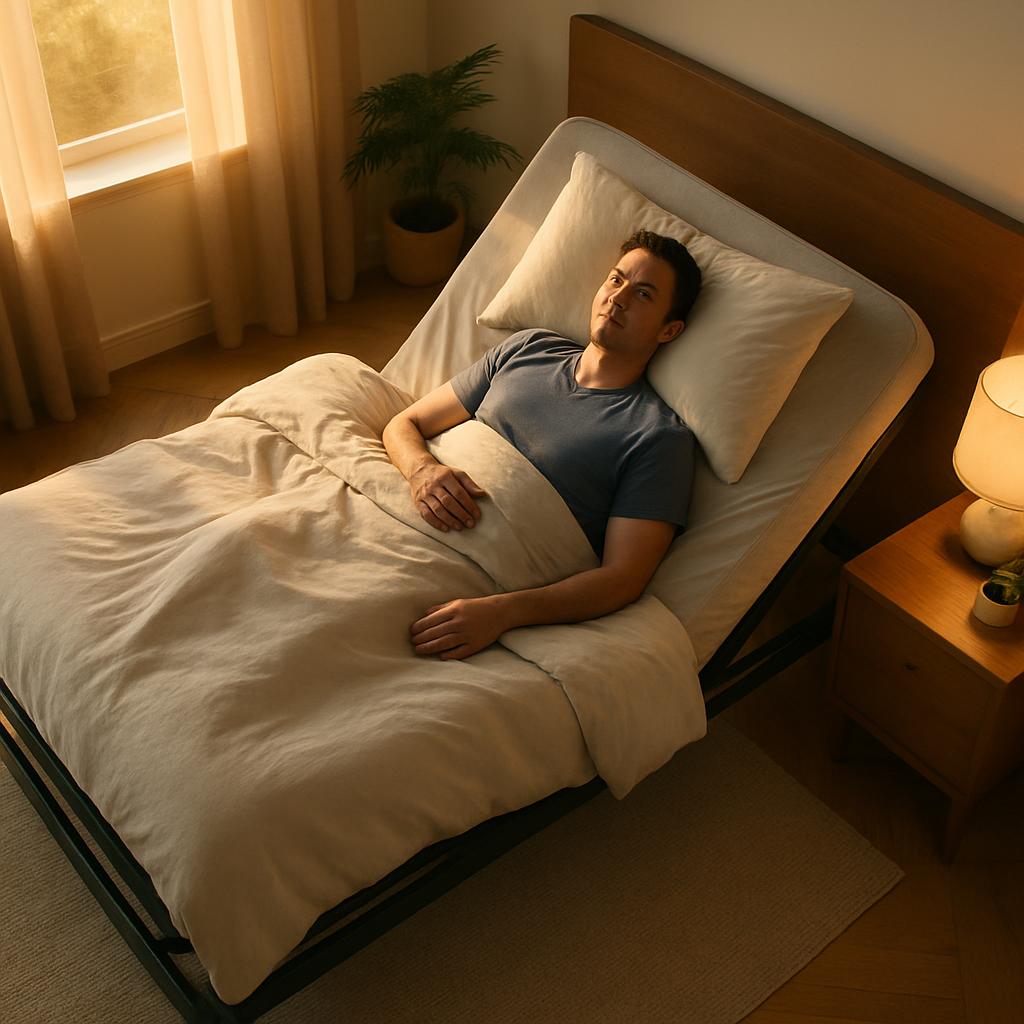
Customisable Bed Positions for Tailored Sleep Solutions
When it comes to reducing snoring naturally, one size definitely doesn't fit all. Every person sleeps differently, and what works perfectly for your partner might not be the ideal solution for you. That's where customisable bed positions come into play, offering a personalized approach to combating nighttime breathing issues that have kept both you and your loved ones awake for far too long.
Adjustable bed positions allow you to fine-tune your sleeping setup based on your unique body type, health needs, and comfort preferences. Unlike traditional flat mattresses that force everyone into the same horizontal position, adjustable mattresses give you the freedom to experiment and find exactly what works best for your body. This flexibility is particularly valuable for those dealing with persistent snoring, as even small adjustments in angle can make a significant difference in keeping airways open throughout the night.
The beauty of modern adjustable mattress technology is that it puts you in complete control. With just the press of a button, you can raise your head to reduce snoring naturally, lift your legs to improve circulation, or find that perfect middle ground that addresses multiple sleep concerns at once. Many people who invest in adjustable foundations report that they wish they'd made the switch years earlier, especially after experiencing the dramatic improvement in their sleep quality and reduction in snoring episodes.
Customisation goes beyond just raising and lowering different sections of your bed. Modern adjustable bed positions often include preset configurations designed specifically for snore relief positions, reading, watching television, or simply lounging comfortably. These presets take the guesswork out of finding anti-snore positions, providing you with scientifically-backed angles that have proven effective for thousands of snorers before you.
The relationship between your mattress and your adjustable base also matters significantly. Not all mattresses work well with adjustable foundations, which is why it's important to choose a flexible mattress that can bend and move without losing its supportive qualities. Memory foam and hybrid mattresses tend to perform exceptionally well on adjustable bases, maintaining their comfort and support even when positioned at various angles.
Another advantage of customisable bed positions is that they allow couples to address different sleep needs simultaneously. If you snore but your partner doesn't, split-king adjustable bases let each person control their side independently. You can elevate your head to stop snoring while your partner remains flat, ensuring both of you get the rest you need without compromise.
The ability to adjust your sleeping position throughout the night is also valuable because our bodies change positions naturally as we sleep. If you start the night in an elevated head position but need to adjust later, you can make those changes without getting out of bed or disturbing your partner. This convenience encourages consistent use of anti-snore positions rather than abandoning them when they become uncomfortable.
Sleep position therapy has gained recognition as a legitimate treatment option for mild to moderate snoring, and adjustable beds make implementing this therapy remarkably simple. Rather than propping yourself up with multiple pillows that shift and flatten throughout the night, an adjustable bed maintains consistent elevation and support, giving your airways the best possible chance to stay open and clear.
Finding Your Ideal Position with Adjustable Mattresses
Finding your perfect sleep position with an adjustable mattress involves some experimentation, but the process is surprisingly straightforward once you understand the basics. The key is to approach this as a gradual journey rather than expecting immediate perfection on night one. Your body needs time to adapt to new sleeping positions, especially if you've spent years sleeping flat.
Start by identifying your primary sleep concerns beyond just snoring. Do you also experience acid reflux? Lower back pain? Swollen legs or feet? Understanding all your sleep-related issues helps you prioritize which adjustable bed positions to try first. For many people dealing with snoring, the best sleep positions snoring solutions also happen to address other common problems, making the investment in an adjustable system even more worthwhile.
The following table outlines different adjustable bed positions and their specific benefits for addressing snoring and related sleep issues:
| Position Name | Head Elevation | Foot Elevation | Primary Benefits | Best For |
|---|---|---|---|---|
| Elevated Head | 30-45 degrees | Flat | Opens airways, reduces snoring, helps with acid reflux | Snorers, GERD sufferers |
| Zero Gravity | 30 degrees | 35 degrees | Reduces pressure, improves breathing, promotes circulation | Snorers with back pain |
| Slight Incline | 15-20 degrees | Flat | Gentle airway opening for mild snoring | Light snorers, first-time adjustable bed users |
| Anti-Snore Plus | 45 degrees | 10 degrees | Maximum airway opening with leg support | Chronic snorers, sleep apnea patients |
| Side Sleeper Support | 25 degrees | 15 degrees | Maintains side sleeping with elevation benefits | Side sleepers who snore |
When testing different positions, give each one at least three to five nights before making a judgment. Your body's initial reaction might not reflect how you'll feel once you've adjusted. Keep a simple sleep journal noting which positions you tried, how you felt in the morning, and whether your partner noticed any change in your snoring levels. This record becomes invaluable for identifying patterns and making informed decisions about your ideal setup.
Pay attention to subtle cues from your body during this experimentation phase. Morning neck stiffness might indicate your head is elevated too high, while continued snoring suggests you need more elevation. Numbness in your legs could mean the foot elevation is too pronounced, while lower back discomfort might be resolved by raising your legs slightly. These physical feedback signals guide you toward your personal sweet spot.
Remember that seasonal changes, weight fluctuations, and health conditions can all affect which position works best for you. What feels perfect in summer might need adjustment in winter when indoor air is drier and respiratory passages more sensitive. The flexibility to make these seasonal tweaks is one of the major advantages of owning an adjustable bed system.
Don't hesitate to combine your adjustable bed positions with other snore-reducing strategies. Using a bed wedge snoring solution in addition to your adjustable base might seem redundant, but some people find that extra support pillows help fine-tune their position even further. Similarly, maintaining good sleep hygiene practices like keeping your bedroom cool and using a humidifier can enhance the snore-relief benefits of your optimized sleep position.
Personalizing Sleep Position Therapy for Optimal Results
Sleep position therapy represents a non-invasive, drug-free approach to managing snoring that puts you in control of your treatment. Unlike other interventions that require ongoing costs or uncomfortable devices, adjustable bed positions offer a one-time investment that continues paying dividends night after night. The key to success lies in truly personalizing this therapy to match your specific needs and circumstances.
Your age, weight, fitness level, and overall health all influence which anti-snore positions will work best for you. A younger, more flexible person might tolerate steeper elevation angles better than someone dealing with arthritis or joint stiffness. Similarly, individuals carrying extra weight around their midsection often find that elevating both the head and feet provides better snore relief than head elevation alone, as it reduces pressure on the diaphragm and lungs.
Timing also plays a role in personalizing your sleep position therapy. Some people discover that starting the night in a more elevated position and gradually lowering it after a few hours works better than maintaining the same angle all night. Modern adjustable beds with programmable settings can automate these position changes, transitioning smoothly without waking you up. This approach can be particularly helpful if you find elevated positions uncomfortable for extended periods but need them to fall asleep initially.
Consider your sleeping style and preferences when customizing your approach. If you're a dedicated side sleeper, forcing yourself to sleep on your back in an elevated position might prove unsustainable long-term. Instead, experiment with slight elevation that allows you to maintain your preferred side-sleeping posture while still opening your airways enough to reduce snoring naturally. Many successful anti-snore positions involve combinations of posture and elevation rather than complete changes to your natural sleeping habits.
The mental and emotional aspects of sleep position therapy shouldn't be overlooked either. If you associate your adjustable bed with better sleep and reduced snoring, you're more likely to use it consistently and see positive results. Create a bedtime routine that incorporates adjusting your bed to your preferred snore relief positions, making it a natural part of winding down for the night rather than an afterthought or chore.
Track your progress over weeks and months, not just days. Snoring patterns can fluctuate based on numerous factors including allergies, alcohol consumption, stress levels, and even what you ate for dinner. Looking at longer-term trends gives you a more accurate picture of whether your personalized sleep position therapy is truly working. Many people find that their snoring doesn't disappear completely but reduces significantly in frequency and volume, which can be enough to restore peaceful sleep for everyone in the household.
Don't be afraid to seek professional input as you refine your approach. Sleep specialists and respiratory therapists can provide valuable insights into optimizing your adjustable bed positions based on your specific type of snoring. If you suspect you might have sleep apnea rather than simple snoring, medical guidance becomes even more important, as proper diagnosis and treatment could involve combining sleep position therapy with other interventions for maximum effectiveness.
Finally, remember that personalizing your sleep position therapy is an ongoing process rather than a one-time setup. As your body changes, your needs will evolve too. Stay open to adjusting your positions, trying new angles, and refining your approach based on how you feel and how well you're sleeping. The beauty of adjustable mattress technology is that it grows and changes with you, providing customizable support for whatever sleep challenges you face now and in the future.
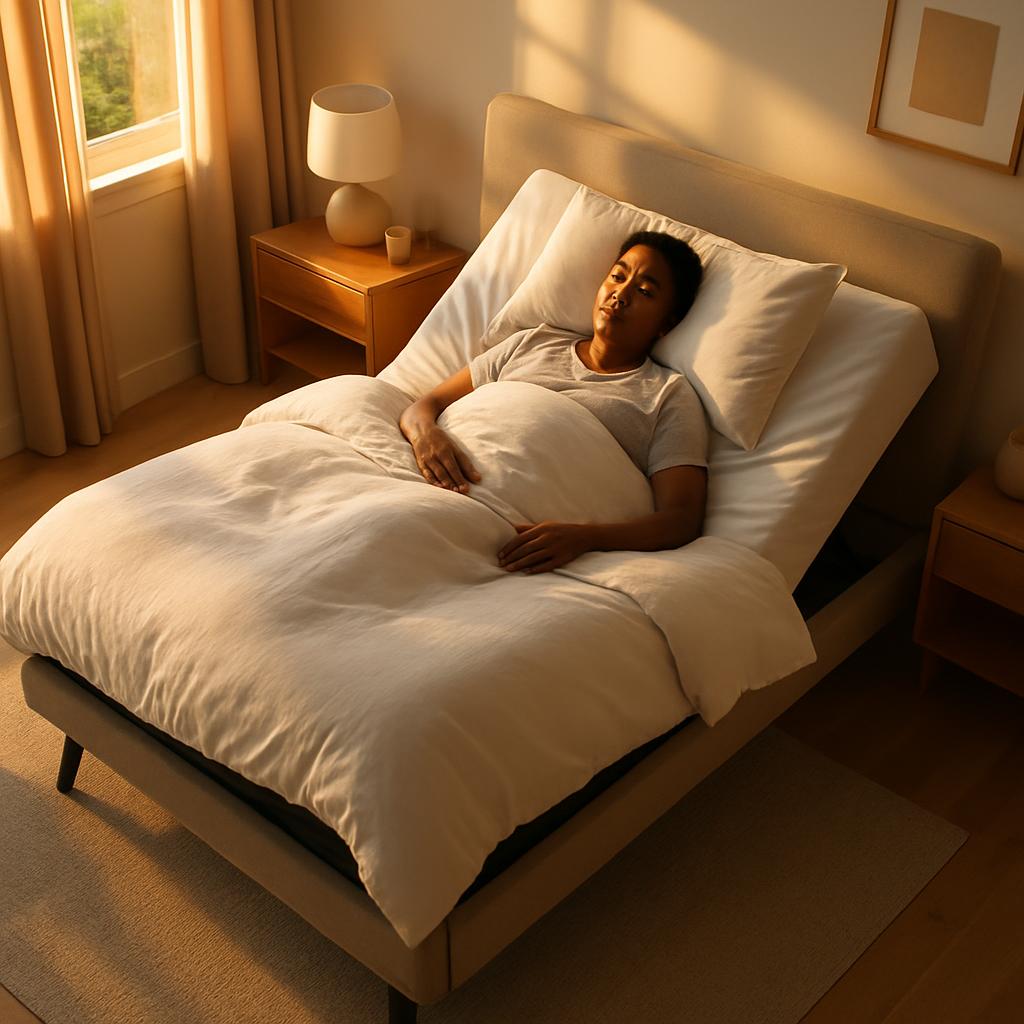
Additional Tips for Enhancing Sleep on an Adjustable Bed
Getting the most out of your adjustable bed goes beyond simply pressing a button to change positions. While finding the right adjustable bed positions is essential for snore relief, there are several other factors that can significantly improve your sleep quality and help you reduce snoring naturally. I've found that when people invest in an adjustable mattress, they sometimes overlook the smaller details that can make a huge difference in their overall comfort and breathing patterns throughout the night.
First, let's talk about the importance of maintaining a consistent sleep schedule. Your body thrives on routine, and going to bed at the same time each night helps regulate your internal clock. This consistency works hand-in-hand with your adjustable sleep positions to create an environment where your body knows it's time to rest. When you combine a regular sleep schedule with the best sleep positions for snoring, you're setting yourself up for success in combating those nighttime breathing disruptions.
Room temperature plays a surprisingly significant role in sleep quality and snoring reduction. I recommend keeping your bedroom between 60 and 67 degrees Fahrenheit. A cooler room helps prevent nasal congestion and keeps your airways open, which complements the anti-snore positions you've programmed into your adjustable bed. When your room is too warm, you're more likely to experience swelling in the nasal passages, which can counteract even the most effective elevated head position.
Hydration is another key factor that many people overlook when trying to reduce snoring naturally. Staying properly hydrated throughout the day keeps the tissues in your throat and nasal passages from becoming sticky and creating more resistance when you breathe. However, I suggest limiting fluid intake two hours before bedtime to avoid disrupting your sleep with bathroom trips. A well-hydrated body combined with proper sleep position therapy creates an optimal environment for breathing freely through the night.
Consider pairing your adjustable bed with a compatible mattress designed to work with various positions. The Sealy Paterson Medium Hybrid Mattress offers excellent flexibility and support for different adjustable bed positions, ensuring you maintain proper spinal alignment whether you're using an elevated head position or experimenting with other bed wedge snoring solutions.
Weight management deserves attention as well. Excess weight, particularly around the neck and throat area, can contribute to airway obstruction and snoring. Even a small amount of weight loss can lead to noticeable improvements in breathing during sleep. When combined with the right adjustable mattress snoring positions, managing your weight can provide remarkable results in reducing nighttime disturbances.
Lastly, avoid alcohol and sedatives for at least three hours before bedtime. These substances relax the muscles in your throat and tongue, increasing the likelihood of snoring even when you're sleeping in optimal snore relief positions. If you must take medication that causes drowsiness, talk with your healthcare provider about timing your dose to minimize its impact on your sleep breathing patterns.
Lifestyle Changes That Complement Adjustable Sleep Positions
Making meaningful lifestyle changes can dramatically enhance the effectiveness of your adjustable bed's anti-snore positions. I've seen countless people transform their sleep quality by addressing daily habits that directly impact nighttime breathing. These changes work synergistically with your elevated head position and other adjustable bed positions to create lasting improvements in sleep quality and snoring reduction.
Regular exercise stands out as one of the most powerful lifestyle modifications you can make. Physical activity strengthens the muscles in your throat and tongue, which helps keep your airways open during sleep. Aim for at least 30 minutes of moderate exercise most days of the week. You don't need to run marathons – simple activities like brisk walking, swimming, or cycling can make a substantial difference. Just remember to complete your workout at least three hours before bedtime to avoid having elevated energy levels interfere with your sleep onset.
Smoking cessation is absolutely critical for anyone serious about reducing snoring naturally. Smoking irritates the membranes in your nose and throat, causing inflammation that narrows your airways. This inflammation directly counteracts the benefits of even the best sleep positions for snoring. If you smoke, quitting is arguably the single most impactful change you can make for your overall sleep health and breathing quality.
"Since I started using my adjustable bed with the elevated head position and made some simple lifestyle changes, my partner says my snoring has decreased by at least 70%. I feel more rested than I have in years, and I'm no longer waking up with headaches every morning." – Review from November 3, 2023
Dietary adjustments can also support your sleep position therapy efforts. Avoiding heavy meals within three hours of bedtime prevents digestive issues that can interfere with comfortable breathing. Dairy products, in particular, can increase mucus production in some people, potentially worsening snoring despite optimal positioning. Pay attention to how different foods affect your sleep quality and adjust accordingly.
Nasal breathing exercises and throat exercises can strengthen the muscles involved in keeping your airway open. Try singing or playing a wind instrument during the day – these activities naturally tone the soft palate and throat muscles. Some people find that practicing specific throat exercises for just 10-15 minutes daily leads to noticeable improvements in their snoring within a few weeks, especially when combined with proper adjustable sleep positions.
Establishing a relaxing bedtime routine signals your body that it's time to wind down. This might include reading, gentle stretching, or meditation. Stress and tension can cause you to breathe through your mouth and clench your jaw, both of which contribute to snoring. Creating a calming pre-sleep ritual helps you approach bedtime in a relaxed state, making it easier for your body to benefit from your carefully chosen anti-snore positions.
Managing allergies and nasal congestion is essential for maintaining clear airways throughout the night. Regular use of a saline nasal rinse before bed can help clear passages and reduce inflammation. If you suffer from seasonal allergies, working with your doctor to find effective treatments ensures your airways stay open, allowing your elevated head position to work more effectively.
Accessories to Encourage Better Sleep Habits
The right accessories can transform your adjustable bed from a simple furniture piece into a comprehensive sleep solution system. While the adjustable bed positions themselves provide the foundation for snore relief, strategic accessories enhance comfort, maintain proper alignment, and address specific sleep challenges that might interfere with your anti-snore positions.
Pillows designed specifically for adjustable beds are worth serious consideration. Unlike standard pillows, these are engineered to work with the contours created by different adjustable bed positions. When you're using an elevated head position, you need a pillow that fills the gap between your neck and the bed without pushing your head too far forward. A pillow that's too thick can actually negate the benefits of your carefully adjusted sleeping angle by creating a chin-to-chest position that restricts airflow.
Mattress protectors serve a dual purpose that many people don't fully appreciate. Beyond protecting your investment from spills and stains, quality protectors can help regulate temperature and reduce allergen exposure. Temperature-regulating protectors work particularly well with adjustable mattress snoring solutions because they keep you comfortable in various positions throughout the night. When you're not constantly shifting due to temperature discomfort, you're more likely to maintain the best sleep positions for snoring that you've programmed into your bed.
A white noise machine or fan can mask environmental sounds that might disrupt your sleep and cause position changes throughout the night. Consistent background noise helps maintain steady breathing patterns and prevents the sudden movements that can shift you out of your optimal snore relief positions. Some people find that certain frequencies of white noise actually help open their nasal passages, providing an additional benefit beyond simple sound masking.
Bedroom humidifiers deserve special mention for their role in supporting sleep position therapy. Dry air can irritate nasal passages and throat tissues, leading to inflammation that contributes to snoring regardless of your sleeping position. A humidifier maintains optimal moisture levels, typically between 30-50% relative humidity, which keeps your airways lubricated and reduces the tissue vibration that causes snoring sounds. This is particularly helpful during winter months when heating systems dry out indoor air.
Adjustable bed sheets and bedding designed for split configurations ensure you and your partner can each find your ideal adjustable bed positions without compromise. These specially designed sheets stay in place despite the bed's movements and contours, preventing the bunching and pulling that can disturb sleep and cause you to shift out of effective anti-snore positions. Look for sheets with deep pockets and strong elastic bands that can accommodate the various angles your adjustable bed creates.
Light-blocking curtains or sleep masks help regulate your circadian rhythm, which indirectly supports consistent sleep patterns and reduces the restlessness that might interfere with maintaining proper positioning throughout the night. When your sleep is deeper and more continuous, you're less likely to unconsciously shift into positions that promote snoring.
Reading lights or book holders attached to your bed frame allow you to enjoy pre-sleep activities without compromising your positioning. Many people like to read before sleep, and having proper lighting that doesn't require you to contort your body helps you transition smoothly into your chosen elevated head position when you're ready to sleep. This maintains the proper angles you've set for reducing snoring naturally from the moment you close your eyes.
Positioning Yourself for Success: Revolutionary Sleeping Techniques
The revolution in sleep technology has brought us incredible tools for addressing snoring and sleep quality issues, but tools are only as effective as how we use them. Understanding and implementing revolutionary sleeping techniques with your adjustable bed transforms it from a luxury item into a genuine health intervention. I've witnessed how proper technique implementation can mean the difference between marginal improvement and life-changing results in snore reduction and overall sleep quality.
The foundation of success with any adjustable bed lies in understanding that your body needs time to adapt to new sleeping positions. You can't expect to find the perfect anti-snore position on your first night. Your muscles, joints, and even your breathing patterns have developed habits over years or decades of sleeping in traditional flat positions. When you first start using adjustable bed positions, your body might resist the change, even though the new position is objectively better for your breathing and spinal alignment.
Start with gradual adjustments rather than immediately moving to the maximum elevated head position. Begin by raising your head just 3-4 inches for the first few nights. This gentle introduction allows your body to acclimate without creating discomfort that might discourage you from continuing. After three to four nights, increase the elevation by another inch or two. Continue this gradual progression until you reach the angle that provides optimal snore relief positions for your specific anatomy and breathing patterns.
Experimentation is key to finding your personal best sleep positions for snoring. While research suggests that elevating the head between 30-45 degrees works well for most people, your ideal angle might fall outside this range. Some individuals find maximum relief at 25 degrees, while others need a full 50-degree elevation. The beauty of modern adjustable beds like the Sealy Ease Power Base Adjustable Foundation is that they allow you to fine-tune your position with precision, helping you discover exactly what works for your unique physiology.
Combining elevation with slight knee bend creates what many sleep specialists consider the optimal position for reducing snoring naturally. When your knees are slightly elevated, it takes pressure off your lower back and prevents you from sliding down the bed during the night. This position stability is crucial because even if you start in the perfect elevated head position, sliding downward negates the benefits by collapsing your airway angle. The slight knee elevation acts as an anchor, keeping you in your chosen position throughout the night.
Side sleeping combined with elevation provides compound benefits for many snorers. When you sleep on your side with your head elevated, gravity helps keep your tongue and soft palate from falling backward into your airway. Many adjustable beds allow you to create a slight tilt to one side in addition to head and foot elevation, making side sleeping more comfortable and sustainable throughout the night. This combination of sleep position therapy techniques addresses snoring from multiple angles simultaneously.
The timing of position changes throughout the night matters more than most people realize. If you find yourself waking during the night, take a moment to readjust your position slightly rather than immediately trying to fall back asleep in a position that might not be optimal. Many modern adjustable beds include preset positions for different activities – sleeping, reading, watching television, or gentle stretching. Learning to use these presets effectively means you can quickly return to your optimal snore relief positions after a nighttime awakening without fumbling with multiple buttons in the dark.
Breathing exercises performed while in your elevated position can enhance the effectiveness of adjustable sleep positions. Before falling asleep, practice slow, deep breathing through your nose while lying in your chosen position. This practice accomplishes two things: it helps you relax into the position, and it trains your body to maintain nasal breathing throughout the night. Nasal breathing is significantly less likely to cause snoring than mouth breathing, so establishing this pattern as you fall asleep increases the likelihood it will continue during sleep.
Integrating Snore Relief Positions into Your Routine
Creating a sustainable routine around your snore relief positions requires more than just setting your bed to a certain angle and hoping for the best. Integration means weaving these positions into your overall sleep hygiene practices so they become second nature. When positioning becomes automatic rather than something you have to think about, you've achieved true integration, and that's when you'll see the most consistent results in reducing snoring naturally.
The transition to using adjustable bed positions effectively begins with education and preparation. Before you even lie down on your adjustable bed for the first time, spend time understanding your bed's controls and capabilities. Read the manual thoroughly, experiment with different positions while you're awake, and identify which settings create the angles that feel most comfortable for your body. This daytime familiarization makes nighttime adjustments intuitive and effortless.
Building a consistent pre-sleep positioning ritual helps signal your body that it's time to rest. Here's a step-by-step approach that has worked well for many people seeking to reduce snoring naturally:
- Complete your bedtime routine before positioning your bed. Brush your teeth, wash your face, and finish any other pre-sleep tasks while your bed is still flat. This prevents the need to get up and down repeatedly after you've found your comfortable position.
- Adjust your bed to your chosen elevated head position while sitting on the edge. This allows you to gauge the angle more accurately than adjusting after you're already lying down. Start with a moderate elevation and fine-tune from there.
- Add the slight knee elevation to prevent sliding. Once your head is positioned, raise your knees enough to feel supported but not so much that you feel bent or cramped. This usually means raising them 3-6 inches less than your head elevation.
- Settle into position and take five deep breaths. Use these breaths to consciously relax your shoulders, jaw, and neck muscles. Tension in these areas can interfere with breathing even when you're in an optimal position for reducing snoring.
- Make micro-adjustments for comfort. Fine-tune your position by making small changes – a degree or two of elevation, shifting your pillow slightly, or adjusting how your arms are positioned. These small details significantly impact whether you'll maintain the position throughout the night.
Tracking your progress helps maintain motivation and allows you to identify patterns in what works best. Keep a simple sleep journal noting your bed position, sleep quality, and any feedback from a partner about your snoring levels. After two weeks, review your notes to identify which adjustable bed positions provided the most consistent snore relief. This data-driven approach takes the guesswork out of finding your optimal anti-snore positions.
Addressing partner concerns about different positioning needs requires open communication and sometimes creative solutions. If you share a bed with someone who prefers sleeping flat, consider a split adjustable base that allows each person to choose their own position. Many couples find this solution saves their relationship by ensuring both people get quality sleep without compromise. The ability to independently control positions means you can find the best sleep positions for snoring without forcing your partner to adapt to your needs.
Periodic reassessment of your positioning needs is important because your body changes over time. Weight fluctuations, aging, changes in fitness level, and even seasonal allergies can affect which positions work best for you. Every three to six months, spend a week experimenting with slightly different angles and configurations to ensure you're still using the most effective positions for your current situation. What worked perfectly six months ago might need adjustment now.
Creating environmental cues that remind you to use proper positioning helps reinforce the habit. Some people set a gentle alarm 30 minutes before bedtime that reminds them to begin their positioning routine. Others place a note on their nightstand with their ideal bed settings written down. These external reminders help during the initial weeks when the routine hasn't yet become automatic. After consistent practice, your body will naturally crave the comfort and improved breathing that comes with your established snore relief positions.
Long-term Benefits of Adjustable Sleep for Snorers
The benefits of consistently using proper adjustable sleep positions extend far beyond simply quieter nights. While reducing snoring naturally is often the primary goal that drives people to invest in adjustable beds, the long-term health advantages touch virtually every aspect of physical and mental wellbeing. Understanding these broader benefits helps maintain commitment to proper sleep position therapy even when the novelty of a new bed wears off.
Cardiovascular health improvements represent one of the most significant long-term benefits of using adjustable bed positions to address snoring. Chronic snoring isn't just annoying – it's often a symptom of disrupted breathing that reduces oxygen levels throughout the night. These repeated oxygen drops force your heart to work harder, potentially contributing to high blood pressure, irregular heart rhythms, and increased cardiovascular disease risk. By maintaining an elevated head position that keeps airways open, you support consistent oxygen flow, giving your cardiovascular system the rest it needs to maintain long-term health.
Cognitive function and mental clarity show remarkable improvement when people consistently sleep in anti-snore positions that promote quality rest. Fragmented sleep caused by breathing disruptions prevents you from spending adequate time in deep sleep stages essential for memory consolidation, learning, and mental processing. Over months and years, this sleep debt can contribute to difficulty concentrating, memory problems, and even increased dementia risk. People who commit to proper sleep position therapy often report feeling mentally sharper, experiencing better memory, and having improved problem-solving abilities within just a few weeks of consistent use.
Relationship quality benefits substantially when snoring is effectively managed through adjustable sleep positions. Partners of chronic snorers often experience their own sleep deprivation, leading to irritability, reduced intimacy, and relationship strain. Some couples even resort to sleeping in separate rooms to cope with snoring issues. When adjustable bed positions successfully reduce snoring, many couples report feeling closer, communicating better, and enjoying improved emotional and physical intimacy. The shared experience of finally getting good sleep together strengthens the relationship bond.
Daytime energy levels and productivity increase dramatically when nighttime breathing improves through elevated head positions and other adjustable bed configurations. Chronic fatigue from poor sleep quality affects job performance, exercise motivation, and overall quality of life. People who successfully implement snore relief positions consistently report having more energy for activities they enjoy, better workplace performance, and increased motivation to maintain healthy habits like regular exercise and good nutrition. This creates a positive cycle where better sleep enables healthier choices, which in turn further improves sleep quality.
Reduced dependency on medications and devices represents another long-term advantage of mastering the best sleep positions for snoring. Many people try various interventions for snoring – from over-the-counter strips and sprays to prescription medications and CPAP machines. While these tools have their place, many individuals find that proper sleep position therapy reduces or eliminates the need for these interventions. This means fewer side effects, reduced costs, and greater freedom in how you sleep. Even people who need CPAP machines for sleep apnea often find that sleeping in an elevated position makes the therapy more comfortable and effective.
Immune system function benefits from the deep, restorative sleep that proper adjustable mattress snoring positions facilitate. Your immune system performs essential maintenance and strengthening activities during quality sleep. Chronic sleep disruption from breathing difficulties weakens immune response, making you more susceptible to infections and potentially affecting your body's ability to fight more serious diseases. Consistent use of proper adjustable bed positions supports the deep sleep your immune system needs to function optimally.
Metabolic health and weight management improve when sleep quality increases through effective use of anti-snore positions. Poor sleep disrupts hormones that regulate hunger and metabolism, leading to increased appetite, cravings for unhealthy foods, and difficulty losing weight. Quality sleep achieved through proper positioning helps normalize these hormones, making it easier to maintain a healthy weight. Since excess weight can worsen snoring, this creates another positive feedback loop where better positioning leads to better sleep, which supports weight management, which further reduces snoring.
The cumulative effect of these benefits over years and decades is profound. People who commit to proper sleep position therapy don't just experience better sleep tonight or next week – they're investing in their long-term health trajectory. The reduced cardiovascular strain, improved cognitive function, better metabolic health, and stronger immune system compound over time, potentially adding both years to your life and life to your years. This perspective transforms an adjustable bed from a luxury purchase into a genuine health investment that pays dividends for decades to come.
Unlock the Secret to Restful Sleep with Adjustable Positions
If you've been spending your nights listening to snoring—whether it's your own or your partner's—you already know how much it affects sleep quality for everyone in the bedroom. The good news? You don't have to accept restless nights as your reality. By making simple changes to your sleep position using an adjustable bed, you can significantly reduce snoring naturally and wake up feeling refreshed instead of exhausted.
Throughout this guide, we've explored how adjustable bed positions can transform your sleep experience. The elevated head position opens airways, the zero gravity setting takes pressure off your body while keeping breathing passages clear, and customizable angles let you find exactly what works for your unique needs. These aren't just comfortable alternatives—they're proven methods backed by sleep science that address the root causes of snoring.
What makes adjustable sleep positions so effective is that they work with your body's natural design. When you sleep flat on your back, gravity works against you, causing soft tissues in your throat to collapse and block airflow. But when you use anti-snore positions with proper elevation, you're giving your airways the support they need to stay open throughout the night. This is sleep position therapy at its most practical and accessible.
The beauty of modern adjustable mattresses is that they put control directly in your hands. You're not limited to one fixed position or stuck propping yourself up with a pile of regular pillows that shift and flatten during the night. Instead, you can adjust your bed at the touch of a button, finding the perfect angle that provides snore relief positions while still feeling comfortable enough to fall asleep and stay asleep. Whether you prefer a slight incline or the full zero gravity experience, the choice is yours.
Remember that reducing snoring isn't just about quieter nights—though your sleeping partner will certainly appreciate that benefit. It's about improving the quality of your sleep, which affects every aspect of your health and daily life. Better sleep means more energy, improved mood, sharper focus, and even a stronger immune system. When you address snoring with the best sleep positions, you're investing in your overall well-being.
If you've tried bed wedge snoring solutions in the past without success, an adjustable base offers a more stable and customizable alternative. Unlike wedge pillows that can slide around or create uncomfortable pressure points, an adjustable bed maintains consistent elevation throughout the night. You can also combine your elevated position with other healthy sleep habits we've discussed, creating a complete approach to better rest.
The path to quieter, more restful nights doesn't require complicated treatments or expensive medical procedures. For many people, the solution lies in something as straightforward as adjusting how they sleep. By experimenting with different adjustable bed positions and giving your body time to adapt to these changes, you can find relief from snoring that lasts night after night.
Your journey to better sleep starts with a single decision—the choice to try something different. Whether you're dealing with occasional snoring or nightly disruptions, adjustable sleep positions offer a natural, non-invasive way to breathe easier and sleep more soundly. The snore-stopping secret isn't really a secret at all—it's simply about positioning yourself for success, one comfortable night at a time. Sweet dreams await, and they're just an adjustment away.
Frequently Asked Questions (FAQs)
What is the best sleep position to stop snoring?
The best sleep positions for snoring typically involve sleeping on your side with your head elevated at a 20-30 degree angle. This combination keeps your airways open and prevents soft tissues in your throat from collapsing. An adjustable bed makes it easy to maintain this position throughout the night without needing to stack multiple pillows.
How quickly will I notice a difference after changing my sleep position?
Many people notice improvement in their snoring the very first night they try anti-snore positions with proper elevation. However, it may take your body 3-7 nights to fully adjust to sleeping in a new position. Give yourself time to adapt and fine-tune the angle that works best for you.
Can I use a regular mattress with an adjustable base?
Most modern mattresses work with adjustable bases, but flexible materials like memory foam, latex, and hybrid mattresses perform best. Traditional innerspring mattresses with rigid construction may not bend properly. Check with your mattress manufacturer or visit our store to ensure compatibility before purchasing an adjustable base.
Will sleeping with my head elevated cause neck pain?
When done correctly with an adjustable bed, sleeping with an elevated head position should not cause neck pain. The key is ensuring your entire upper body is elevated evenly, not just your head. Start with a gentle incline and use a supportive pillow that maintains proper neck alignment in your chosen position.
What if my partner doesn't want the bed elevated?
Many adjustable bases come with split or dual options, allowing each person to control their side independently. This means you can use snore relief positions while your partner sleeps flat or at a different angle. It's a perfect solution for couples with different sleep needs and preferences.
Is the zero gravity position really better for reducing snoring?
The zero gravity position can be excellent for reducing snoring naturally because it keeps your head elevated while also lifting your legs, which improves circulation and reduces pressure on your airways. Many people find this position comfortable and effective, though the best angle varies from person to person.
How is an adjustable bed different from using a bed wedge for snoring?
Unlike a bed wedge that only lifts your upper body in a fixed position, an adjustable bed lets you customize the exact angle and can elevate both your head and legs independently. Adjustable bases also provide more stable, consistent support without the sliding or shifting that often happens with wedge pillows.
Can changing my sleep position completely cure my snoring?
For many people, using the best sleep positions for snoring with an adjustable mattress significantly reduces or even stops snoring altogether. However, snoring can have multiple causes, and position changes work best for snoring related to airway positioning. If you have severe or persistent snoring, consult with a healthcare provider to rule out sleep apnea or other conditions.
What degree of elevation is recommended for anti-snore positions?
Most sleep experts recommend elevating your head between 20-30 degrees for optimal snoring reduction. This range is enough to keep your airways open without being so steep that it becomes uncomfortable. Start at the lower end and gradually adjust upward until you find what provides the best snore relief for you.
Will I slide down the bed when sleeping in an elevated position?
Quality adjustable beds are designed to prevent sliding with features like retention bars or specially textured surfaces. Choosing the right mattress material also helps—memory foam and other conforming materials naturally grip your body better than smooth surfaces. If sliding becomes an issue, adding a mattress pad with grip can help.
Are adjustable beds only helpful for back sleepers who snore?
No, adjustable bed positions can help reduce snoring for side sleepers and back sleepers alike. Even if you prefer sleeping on your side, keeping your upper body elevated helps maintain open airways. The key is finding the right combination of elevation angle and sleeping position that feels comfortable while providing snore relief.
How long does it take to get used to sleeping on an adjustable bed?
Most people adapt to sleeping on an adjustable mattress within one to two weeks. Start with subtle adjustments rather than dramatic elevation changes, and give your body time to adjust gradually. Many users find that once they experience the comfort and snoring benefits, they wonder how they ever slept flat.
Can sleep position therapy replace my CPAP machine?
If you've been prescribed a CPAP machine for sleep apnea, you should not stop using it without consulting your doctor. However, many people find that using adjustable bed positions alongside their CPAP therapy makes treatment more comfortable and effective. Some may even be able to reduce their reliance on CPAP over time with their doctor's guidance.
What other health benefits come from using an elevated head position besides reducing snoring?
Beyond snoring reduction, an elevated head position can help with acid reflux, congestion, sinus drainage, and circulation issues. Many people with respiratory conditions, allergies, or chronic congestion find that sleeping with their head elevated helps them breathe easier and wake up feeling less congested.
Do adjustable beds work with all bed frames?
Adjustable bases typically work best with platform-style frames or can be used without a frame at all, resting directly on the floor or on adjustable legs that come with the base. Traditional box spring frames are not compatible with adjustable bases. When shopping for an adjustable bed, ask about frame compatibility to ensure your setup will work properly.