

Is Serta a Good Mattress? An Honest, Expert Guide From a Sleepologist
If you are wondering whether Serta is a good mattress brand, you are probably already feeling some decision fatigue. You walk into a store or start browsing online, see "Perfect Sleeper," "iComfort," "Classic," "iSeries," and a dozen price points, and suddenly "Is Serta good?" turns into "What on earth is the difference, and will any of this actually help me sleep?" You are not alone. I talk to people every week who are genuinely stressed that one wrong mattress choice will lock them into years of bad sleep and nagging pain.
That anxiety is not misplaced. According to the Sleep Foundation, most adults need 7 to 9 hours of sleep per night, and mattress comfort and support have a measurable impact on both sleep quality and next day functioning. When a mattress sags, runs too hot, or does not match your body type and sleep position, you see it show up as more wakeups, more pain, and more daytime fog. Over 8 to 10 years, that is a big slice of your life riding on this decision.
You are also trying to translate marketing language into real-world experience. Serta has been around for nearly a century and is one of the most recognizable names on the floor, which naturally makes people think "safe bet." At the same time, newer hybrid brands and online darlings promise more cooling, more pressure relief, and longer warranties. The question is not only "Is Serta good?" but "Is Serta the right value and design for how I personally sleep, compared with what else is out there?"
Here, we will walk through Serta in a clear, human way. We will look at how their main lines actually feel, who they tend to work best for, where they fall short, and how they stack up against well built alternatives you can find at Sleepology. By the end, you should feel calm, informed, and able to say either "Yes, a Serta fits me and my budget" or "I understand why I might be better off in a different design."
How To Think About "Is Serta a Good Mattress?" The Right Question To Ask
Brand reputation vs real sleep outcomes
Serta has been building mattresses since the 1930s, and that legacy can be reassuring. A long running brand usually means decent quality control, a wide distribution network, and customer service processes that have been tested over time. Independent outlets like Consumer Reports and CNET regularly review Serta models and generally describe them as solid mid range options with strong name recognition rather than ultra luxury standouts.
At the same time, a big brand name does not automatically mean the mattress you pick will be right for your body. The American Academy of Sleep Medicine emphasizes that comfort and spinal alignment are highly individual; the "best" mattress is the one that allows you to maintain neutral alignment in your preferred sleep position and wake with minimal pain, not simply the one with the most familiar logo. In other words, "Is Serta good?" needs to become "Is this specific Serta model, in this firmness, a good match for my body, sleep style, and budget compared with alternatives?"
The main Serta families you will run into
To answer that more precisely, it helps to know how Serta organizes its lineup. As of , their main collections include:
- Serta Classic and Serta Five Star (value hybrids and innersprings, including some bed in a box options)
- Serta Perfect Sleeper (innerspring and hybrid lines in several sub series)
- Serta Perfect Sleeper X and Perfect Sleeper Pro (upgraded hybrid designs with more zoning and foams)
- Serta iComfort and iComfortPro (foam based, higher end cooling oriented models)
- Serta iSeries NXG (hybrid and foam models with advanced foams and zoning)
Within each collection you will usually see multiple firmness choices, often labeled plush, medium, firm, or extra firm, sometimes with pillow top variations. Third party test labs like NapLab and Sleep Doctor tend to find that these lines offer broad firmness coverage and good edge support, but performance on cooling, motion isolation, and long term pressure relief varies widely from model to model.
What independent testing and medical guidance tell us
When I evaluate a brand, I look at how its products line up with what we know from sleep research and biomechanical testing. The Cleveland Clinic notes that people with back pain often do best on a medium firm surface that supports spinal alignment without creating pressure points, and studies published in journals like The Lancet have found that very firm or very soft mattresses can worsen pain for many sleepers. That is why I pay close attention to:
- How honestly a brand labels firmness
- Whether their "medium" options genuinely land in that supportive but cushioning sweet spot for most bodies
- The quality and thickness of comfort foams that provide pressure relief over time
Serta generally does well on variety and on offering medium and firmer options that can work for many back and stomach sleepers. Where they sometimes lag behind premium hybrids is in the density and feel of the foams in their comfort layers, which affects durability and the subtle difference between "good enough" and "wow, I finally wake up without that hip ache."
“I grew up thinking the big brands were automatically the best, so I bought a mid range Serta without much research. It was fine for a couple of years, but my lower back started complaining. Talking with Mia at Sleepology helped me realize I needed a slightly more supportive hybrid with better foam quality. I switched into a Sealy Posturepedic Pro Hybrid and the difference was obvious within a week.” – Karen S., November
Serta’s Strengths: Where The Brand Really Can Be “Good”

Wide range of firmnesses and feels
One genuine advantage of Serta is choice. Across the Classic, Perfect Sleeper, and iSeries type lines, you can usually find:
- Plush and pillow top models that let side sleepers sink deeply enough at the shoulders and hips
- Medium and medium firm models that support back sleepers and combination sleepers well
- Firm and extra firm models that keep the torso from bowing on stomach and many heavier sleepers
Independent reviewers who put these beds through pressure mapping and firmness devices often confirm that Serta’s firm and extra firm options are indeed appropriately supportive, while their medium and plush versions offer deeper contouring. That is valuable if you have specific support needs or you and your partner prefer very different feels.
From a clinical sleep perspective, the American Academy of Orthopaedic Surgeons notes that people with back issues often benefit from a mattress that is not too soft, especially if they sleep on their back or stomach. Serta does a nice job serving this population with their firmer Perfect Sleeper and iSeries hybrid options, which include zoned coil systems that put extra support under the lumbar region.
Solid edge support and usable surface area
Across several third party test labs, Serta hybrids and innersprings tend to score well on edge support. Reinforced perimeters make it easier to sit on the side of the bed, tie your shoes, or sleep closer to the edge without feeling like you will slide off. That matters more than most people realize, especially:
- If you share a smaller size like a full or queen
- If you have mobility challenges and use the edge to get in and out
- If you tend to roll toward the edge in your sleep
Better edge support effectively makes your mattress feel bigger. NapLab’s data driven tests, for example, often show Serta hybrids with sitting edge sinkage that is slightly better than average and "excellent" ratings for lying near the edge. For couples in particular, this is one area where Serta often performs as well as or better than some popular online only brands.
Comfortable, familiar feel for traditional mattress lovers
Not everyone wants a hyper responsive latex or an ultra slow moving memory foam. Many Serta models, especially in the Perfect Sleeper and Classic lines, have a neutral to slightly traditional feel: you feel coils supporting you from below, with a foam and fiber quilt up top. For sleepers who grew up on classic innersprings, that familiarity can be soothing and easier to adapt to than very "modern" foam feels.
I often see this preference with:
- Older adults who are replacing a long time innerpsring
- People who dislike feeling "stuck" in memory foam
- Shoppers who want bounce for ease of movement and changing positions
When those needs are front and center, certain Serta hybrids can absolutely be a "good" choice, especially if we pair them with the right pillow and support system from our Pillows, Sheets, Toppers, Protectors collection to fine tune comfort.
“We tried a trendy all foam mattress from an online brand and returned it within three weeks. It just felt dead and hard to move on. Mia listened to how we sleep and suggested we try a more classic hybrid feel. We tested a Serta and a Sealy side by side at Sleepology and ended up with a Sealy Posturepedic Plus Medium Mattress – Paterson II Euro Pillow Top because it gave us that familiar bounce with noticeably better pressure relief than our old Serta.” – Luis R., October
Where Serta Falls Short: Tradeoffs You Should Be Aware Of
Foam quality and long term pressure relief
One consistent theme in third party testing of Serta’s mid priced lines is this: generous thickness in the comfort layers, but foams that feel more mid grade than premium. That means you often get good pressure relief and contour on day one, but there is a higher risk of body impressions or softening in the first several years compared with heavier, higher density foams used in some competing hybrids.
From a biomechanics standpoint, pressure relief matters at two levels:
- Short term comfort, so you are not waking up from shoulder or hip pressure.
- Long term alignment, so the mattress does not form troughs that pull your spine out of neutral.
The Sleep Foundation points out that sagging and loss of support are major contributors to back and joint pain over time. When test labs describe Serta comfort foams as slightly "crunchy," "less refined," or worrisome for longevity, that does not mean they are bad, but it does mean you should calibrate expectations. Many Serta models are priced below some luxury hybrids for a reason.
At Sleepology, we often steer people who want a similar overall feel but more robust comfort layers toward models like the Sealy Posturepedic Pro Medium Mattress – Dupont II Euro Pillow Top. These use higher quality foams on top of zoned coils, which tend to hold their feel better through the 8 to 10 year lifespan Mayo Clinic suggests for most mattresses when properly supported.
Cooler than old innersprings, but not always best in class cooling
Most modern Serta hybrids include design elements for temperature management such as:
- Gel infused foams
- More breathable covers
- Coils that allow airflow
In objective tests, many of these mattresses land in the "good, but not outstanding" range for cooling. Sleep Doctor, for instance, describes Serta’s Perfect Sleeper Renewed Night line as offering "a decent level of temperature control," with firmer models sleeping cooler than the plusher versions that cradle you more deeply.
If you are an average temperature sleeper, that is often perfectly adequate. But if you run hot or are going through life stages like menopause, night sweats and overheating may be one of your main reasons for shopping. In those cases, I tend to recommend looking for hybrids with more aggressively breathable foams or specific cooling textiles, and Serta’s upper mid range alone is not always the strongest value.
Sealy’s hybrid line is a good example of this competitive difference. A model like the Sealy Posturepedic Pro Medium Hybrid Mattress – Dupont II combines targeted coils with gel foams and a cool to the touch cover that many hot sleepers find more effective than basic "cooling gel" memory foams.
Trial periods and warranties compared with the broader market
Serta’s typical 100 to 120 night trial and 10 year limited warranty are entirely respectable and in line with many traditional brands. The catch is that the online and specialty hybrid space has raised the bar. A significant number of quality brands now offer:
- Trials closer to 180 to 365 nights
- Warranties of 10 years non prorated, 15 years, or even "lifetime" under specific conditions
Longer does not always mean better, but it can signal a manufacturer’s confidence in long term performance. When NapLab compares Serta’s terms against over 300 mattresses, they consistently call out that Serta’s trial is "almost 2 months shorter than average" and the warranty shorter than typical hybrid competitors.
That does not make Serta a poor choice, but if you are deciding between a Serta and a similarly priced hybrid with thicker, denser foams and a longer warranty, it may influence where the best value lies.
How Serta Compares To Other Mattress Types You Will See At Sleepology
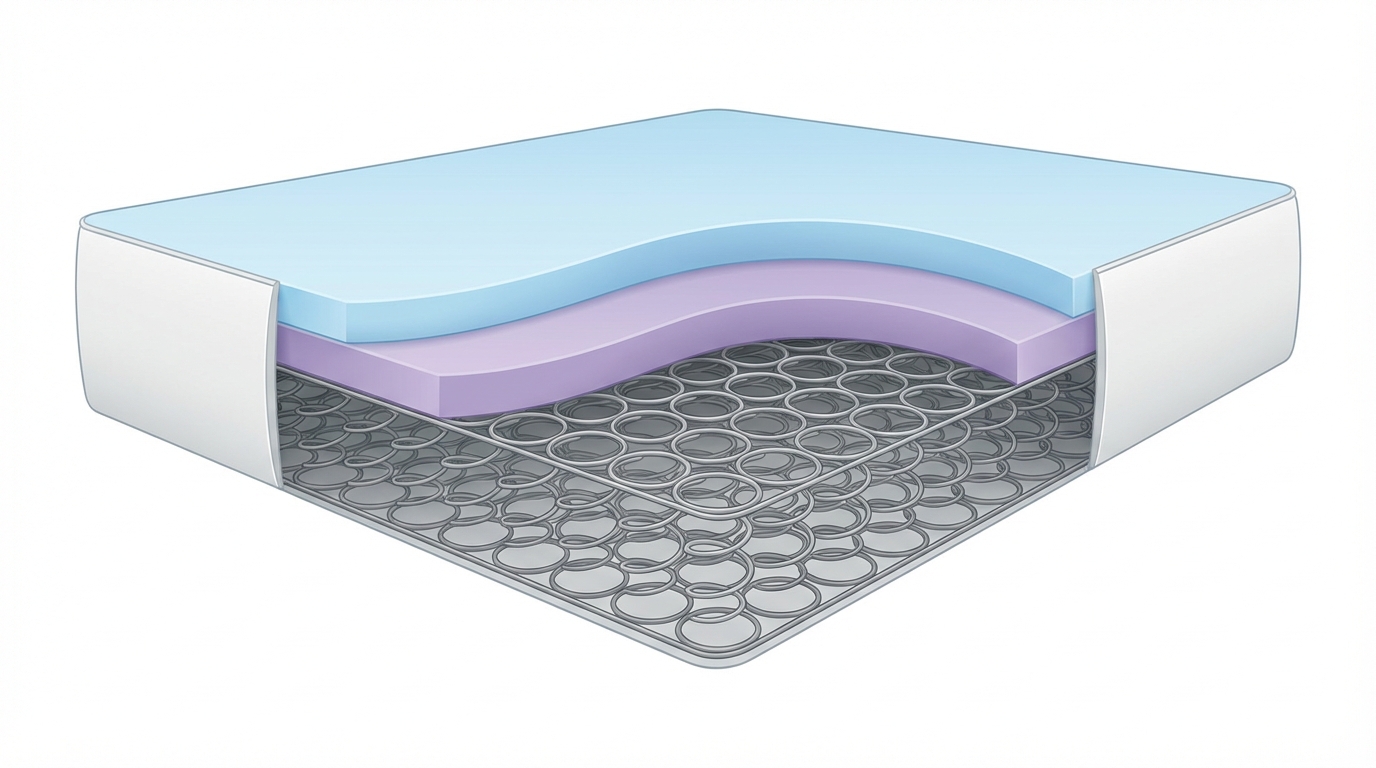
A question I often hear in the showroom is not just "Is Serta good?" but "How does a Serta hybrid compare to other hybrid or innerspring options you carry?" Rather than dive into every model name, it helps to compare the big categories shoppers usually bounce between.
Hybrids vs traditional innersprings vs all foam
Most Serta models you will see today fall into one of two broad camps:
- Innerspring with foam comfort layers
- Hybrid, which still uses coils but often with thicker and more advanced foam stacks
Compared with all foam beds, these coil based designs generally offer:
- Better edge support
- Easier movement and repositioning
- More inherent airflow through the core
The Sleep Foundation notes that coil based beds tend to be more supportive for heavier sleepers and those with back issues, because coils can handle load without compressing as permanently as low density foam. Where hybrids usually pull ahead of basic innersprings is in pressure relief; the thicker, more responsive comfort layers spread weight more evenly, especially for side sleepers.
Serta hybrids do perform this balancing act reasonably well, but so do other lines we carry at Sleepology. For instance:
- The Sealy Posturepedic Pro Soft Mattress – Dupont II Euro Pillow Top is often a better fit for lighter side sleepers who want that plush, enveloping feel without sacrificing support in the center third of the mattress.
- The Sealy Posturepedic Elite Extra Firm Mattress – Brenham II delivers the kind of ultra firm, deeply supported feel that stomach sleepers and some people with lower back pain find hard to match, with very sturdy coils and denser comfort materials.
When we compare, Serta’s mid line hybrids usually land in a "good but not standout" place: better support and durability than many value foam mattresses, but not as refined in feel or materials as the more carefully engineered hybrids in our curated collections.
Comparison table: Serta style hybrid vs curated hybrid alternatives
To ground this, here is a simplified comparison of how a typical mid range Serta hybrid stacks up against two common alternatives we often recommend. This is not about exact model specs, but about the feel and performance buckets most shoppers care about.
| Mattress type / example | Overall feel and support | Best suited for | Potential drawbacks |
|---|---|---|---|
| Mid range Serta hybrid (Perfect Sleeper type) | Deep contour, moderate bounce, strong edges, familiar coil feel | Shoppers who like traditional innerspring feel with more cushion; mixed position couples | Foams can feel mid grade; average cooling; shorter trial/warranty |
| Sealy Posturepedic Pro Medium Hybrid – Dupont II | Medium firm with targeted zoned support, cool cover, balanced pressure relief | Back and combo sleepers needing lumbar support; mild to moderate back pain | Slightly higher price than some Serta Classics, more "modern" feel than old school springs |
| Sealy Posturepedic Elite Medium – Brenham II Euro Pillow Top | Luxuriously plush surface over robust coil core, excellent pressure relief | Side sleepers with shoulder/hip sensitivity; couples wanting hotel like comfort | Too soft for strict stomach sleepers or those needing very firm support |
The point of this comparison is not that Serta is "bad" and Sealy is "good." It is that in the real world price bands where Serta tends to live, there are often mattresses with slightly better materials, support zoning, or cooling at similar price or just above. A smart strategy is to put them side by side, feel them, and let your body tell you where the money is best spent.
“My husband really liked the Serta we saw at a big box store, but I was not convinced after reading a few reviews about sagging. At Sleepology we were able to compare that feel against a Sealy Posturepedic Pro Firm Hybrid – Dupont II. The price difference was about $300, but we both agreed the support and edge strength felt noticeably more solid on the Sealy. It felt like spending a little more now to avoid replacing it too soon.” – Dana W., December
Who Might Be A Good Candidate For A Serta Mattress?
Sleepers Serta often works well for
Based on lab tests, customer feedback, and two decades of fitting bodies to beds, here are the profiles that tend to do well on the better Serta models:
Back and stomach sleepers who like a firm or medium firm feel Serta does a commendable job with firm and extra firm hybrids that hold the pelvis up and keep the spine more neutral. For people whose main complaint is "I sink too much and my back aches," those models can be an improvement over sagging older beds or soft memory foam.
Combination sleepers who want a familiar, neutral hybrid feel If you roll from back to side to stomach and do not have intense pain in any one area, Serta’s medium hybrids often feel very "normal" and non fussy. They move with you, offer some contour, and are easy to adapt to, which can be ideal if you and your partner have different body types but moderate needs.
Shoppers who want the reassurance of a long standing national brand There is real psychological value in buying from a name you recognize and can easily track down for service or warranty. Serta’s distribution into major retailers and its long company history matter to some buyers, especially those who have had a Serta they liked in the past and want something in the same family.
Sleepers who may want to look beyond Serta
On the other hand, some people are better served looking at brands that focus more on specific performance features.
Very pressure sensitive side sleepers If you have sharp shoulder or hip pain or are very light in body weight, you may need exceptionally plush, slow responding foams or more carefully zoned support. Some Serta pillow tops do a reasonable job here, but we often find more consistent success with models like the Sealy Posturepedic Medium Mattress – Medina II Euro Pillow Top, which balances contour and support with foams that feel more refined.
Hot sleepers and night sweat sufferers If overheating is your main complaint, I generally suggest narrowing your search to hybrids with advanced cooling covers and open cell foams that have been specifically tested for lower heat retention. Independent tests show Serta as "good" but not among the coolest options. That does not disqualify them, but it means you may want to consciously compare them to stronger cooling contenders.
People who keep mattresses beyond 10 years or have a history of early sagging The Mayo Clinic and other medical organizations often say to reevaluate your mattress around the 8 to 10 year mark. If you are the type who pushes that longer, or if you have previously seen body impressions form quickly on mid range brands, paying for denser foams and longer warranties can be a smart investment. That might push you to look at certain Posturepedic Elite or Plus models rather than a similarly priced Serta.
A Simple Checklist To Decide If A Serta Is "Good Enough" For You
Sometimes the hardest part of mattress shopping is moving from theory to decision. Here is a straightforward checklist you can walk through. If most answers under Serta are "yes," it is likely a solid option for you. If not, we pivot.
- Does the firmness truly match your sleep position and body weight?
- When you lie on the Serta in your position for at least 10 minutes, do your pressure points feel cushioned without your spine sagging?
- Do you and your partner feel you can use the whole surface without feeling like you will roll off?
- Are you comfortable with the price to materials ratio and warranty compared with alternatives?
- Does your gut say, "I can see myself sleeping on this for 8 years," or are you talking yourself into it because it is familiar?
If you would like a curated set of options aligned to how you actually sleep, our Best Mattresses For Back Sleepers, Best Side Sleeper Mattress Collection, and Best Mattresses For Stomach Sleepers are a helpful next step. They include Serta like feels where appropriate, alongside Sealy and other designs that have tested well for each position category.
Conclusion: So, Is Serta A Good Mattress Brand?

Serta is a good mattress brand in the sense that it offers safe, middle of the road hybrids and innersprings from a long established company, with a broad range of firmnesses and generally strong edge support. Many people sleep comfortably on Serta beds for years, and for some shoppers, especially those who want a classic coil feel and a familiar name, a carefully chosen Serta can be a very reasonable choice.
At the same time, "good" is relative. When you compare Serta’s mainstream models against carefully engineered hybrids at similar or slightly higher price points, you often find that you can get denser, more durable foams, more advanced cooling, or more generous warranties by looking beyond the biggest name in the aisle. For side sleepers with significant pressure needs, very hot sleepers, and people who are going to hold onto a mattress longer than 10 years, that incremental upgrade can make a meaningful difference in comfort and long term spinal health.
My advice is to treat Serta as one solid option in a field of many, not as an automatic default. Use the framework we have walked through: your sleep position, body type, pain points, temperature, and budget. Let your body’s response on the actual surface guide you, and do not be afraid to compare that Serta you liked to a Sealy Posturepedic hybrid or pillow top that may quietly check more boxes.
If you would like help translating all of this into one or two specific recommendations you can feel confident about, you are always welcome to reach out. At Sleepology, our role is not to push one brand over another, but to listen closely to how you live and sleep, and then match you with the design that will quietly support your best nights for years.
Frequently Asked Questions
Is Serta a good mattress for back pain?
Serta can be a good option for back pain if you choose one of their medium firm or firm hybrids that uses zoned coils to support the lumbar area. Medical organizations like the Cleveland Clinic often recommend medium firm surfaces for many people with back issues, because they reduce excessive sinking while still allowing some contour. The key is to test the mattress in your usual position and verify that your lower back feels supported rather than hammocking. In the same price band, many shoppers also find strong back support on models like the Sealy Posturepedic Pro Firm Hybrid Mattress – Dupont II, which combines firm coils with targeted center zoning.
How long does a Serta mattress typically last?
Most Serta mattresses are designed with an expected lifespan of around 7 to 10 years, which lines up with general guidance from Mayo Clinic on when to consider replacing a mattress. Actual longevity depends heavily on your body weight, how well the mattress is supported by its foundation, and whether you rotate it as recommended. Because some independent tests have raised concerns about the long term resilience of certain Serta comfort foams, I encourage buyers who tend to keep mattresses longer than a decade to consider paying for slightly higher density foams and stronger warranties where possible.
Is Serta a good mattress brand for side sleepers?
Serta’s plush and pillow top models can work well for many side sleepers, especially those in the average weight range who like a deep, enveloping feel around the shoulders and hips. The Sleep Foundation notes that side sleepers typically need more surface cushioning to maintain neutral alignment and avoid pressure points, which Serta’s thicker comfort layers can provide. If you are very light or highly pressure sensitive, you may want to compare those options to a plush hybrid like the Sealy Posturepedic Elite Medium Mattress – Brenham II Euro Pillow Top, which many side sleepers describe as more "floating" and less likely to bottom out over time.
Do Serta mattresses sleep hot?
Most current Serta hybrids and innersprings are reasonably temperature neutral for average sleepers, thanks to coil cores that promote airflow and gel infused foams in the comfort layers. However, third party testing often rates their cooling performance as "good" rather than truly "cooling," and the plushest models can trap more heat simply because they cradle you more deeply. If you identify as a hot sleeper, it is worth prioritizing a model with a dedicated cooling cover and more breathable foams, and comparing that Serta to hybrids explicitly built for cooling, such as some of the Sealy Posturepedic Pro and Elite lines we carry.
Are Serta mattresses worth the money compared with other brands?
Whether a Serta is worth the money comes down to what you value most. You are typically paying for a widely available, well known brand with a broad range of firmness options and solid, if not exceptional, materials. In many cases, for just a modest increase in budget you can move into hybrids with higher quality foams, more advanced zoning, or longer warranties from other reputable brands. If you can comfortably afford that small step up, I often see people feel they are getting more long term value from those alternatives. If your budget is strict and a Serta hybrid fits it cleanly while feeling good to your body, it can absolutely be a reasonable, "good enough" choice.
Is Serta a good choice for heavier people over 230 pounds?
For sleepers over about 230 pounds, I tend to recommend looking closely at coil gauge, coil count, and foam density, regardless of brand. Some of Serta’s firmer hybrids with zoned coils can support heavier bodies reasonably well, especially in the first several years. However, because heavier weights compress foams more deeply and accelerate wear, I often suggest heavier individuals consider very robust hybrids with thicker coils and denser comfort layers, which are more commonly found in upper tier Posturepedic type designs and some specialty brands. The right pillow and foundation matter here too, since alignment is a whole system, not just a mattress.
Does Serta have good motion isolation for couples?
Motion isolation on Serta mattresses varies by model and firmness, but many of their hybrids and foam heavy designs do a good job minimizing partner disturbance, especially in the plusher or medium versions. Independent testing often gives them above average scores for motion isolation compared with older style innersprings, thanks to individually wrapped coils and thicker foam layers. If your partner is a very restless sleeper or you are extremely sensitive to movement, you may still want to compare how a Serta feels next to a competing hybrid with slightly denser top foams, which can dampen motion even more effectively.