

How To Make A Mattress Firmer: Expert Fixes That Actually Work
If your mattress feels too soft, you probably feel it every morning in your back, hips, or shoulders. Maybe you bought a plush bed that felt great for the first week, then slowly started swallowing you up. Or your once firm mattress has softened over the years, and now you wake up in a dip you never chose. It can be frustrating to feel like you made an expensive mistake, or that your bed aged faster than you expected.
A too soft mattress is not just an annoyance. It can pull your spine out of alignment, strain your muscles, and make existing back or hip pain harder to manage. The Sleep Foundation notes that mattress support and spinal alignment are key factors in reducing pain and improving sleep quality for most adults. When the surface under you is softer than your body needs, your core muscles have to work overnight just to keep you stable, which is the opposite of restorative sleep.
The good news is that you usually have several practical ways to make a mattress feel firmer before you have to replace it. Some involve quick, inexpensive tweaks. Others require a more thoughtful reset of your foundation or sleep setup. And if it truly is time for a new bed, there are smart ways to choose a firmness that will support you for years, not just months.
You will learn how to firm up a mattress by adjusting the base, using the right topper, managing temperature and humidity, and correcting common setup mistakes. You will also see when it is worth investing in a new mattress, and how to choose one that actually matches your body and sleep style. My goal is to help you stop guessing, understand what your body is telling you, and make changes that let your mattress work for you instead of against you.
Step One: Make Sure Firmness Is Really Your Problem
Before you start stacking plywood or shopping for a new bed, it helps to confirm that softness, not something else, is what is causing your discomfort. Many people blame a soft mattress for pain that is actually coming from poor pillow support, sleeping position, or an unsupportive base under the mattress.
The first clue is how your body feels when you wake up versus later in the day. Research highlighted by organizations like the Mayo Clinic and Cleveland Clinic shows that morning stiffness and pain that eases as you move around is often related to overnight position and support. If your lower back is achy right when you get up, and you notice your hips sink deeply when you lie on the bed, your mattress is likely too soft for you.
You can also use a simple at home check. Lie on your back in the center of the mattress, with your usual pillow, and slide one hand under your lower back. If your hips sink so far that your lower back is arched and there is a large gap under your spine, the bed is not providing enough support. If you are a side sleeper and you feel your midsection sagging toward the middle of the bed, or your shoulder disappears into the mattress while your neck bends sharply, you are experiencing the same issue from a different angle.
Another useful test is to compare how you feel after sleeping on a different surface for a night or two. If you visit a hotel or sleep on a guest bed and wake up with less pain on a noticeably firmer mattress, that is strong evidence that extra firmness helps your body. According to the Sleep Foundation, medium firm to firm mattresses tend to support neutral spinal alignment better for back and stomach sleepers, and for people over about 200 pounds, than very plush surfaces.
If you are still not sure, you can reach out to your doctor or a physical therapist, especially if you have chronic back or joint conditions. They can help you confirm whether firmer support is appropriate for your spine and joints. Once you know that a softer mattress is contributing to your discomfort, the rest of the steps in this guide will make far more sense and feel less like trial and error.
“Mia helped me realize the problem was not just ‘old age.’ Once we walked through how my hips were sinking on my plush mattress, it clicked. Firming things up made a bigger difference than any pain cream I tried.” – Dana R., November
Optimize Your Support System: Frame, Foundation, And Slats
Your mattress can only be as supportive as what sits under it. Many so called soft mattress problems are actually base problems. A good mattress on a weak, flexible, or broken foundation will feel softer, sag more, and wear out faster than it should.
Check The Type And Condition Of Your Base
Start by looking under the bed. If you have an older box spring with actual springs inside, it may be contributing bounce and dip that your mattress cannot cancel out. Many modern mattress brands and sleep experts recommend pairing newer foam and hybrid mattresses with solid foundations or closely spaced slats instead of traditional box springs. When the base flexes under the mattress, you lose the firm, even platform that helps you feel supported.
Look for any of these red flags in your base:
- Slats spaced more than 3 inches apart
- Slats that bow or flex when you press on them
- A box spring that squeaks or visibly sags in the middle
- Missing center support legs on queen and king frames
- A platform frame with cracks or soft spots
If any of that sounds familiar, you can often restore a lot of firmness by upgrading your foundation rather than replacing the mattress right away. A simple, sturdy solution is a solid mattress foundation that pairs correctly with your mattress. For example, if you are using a Sealy Posturepedic model, a proper matching foundation such as the Sealy Mattress Base Boxspring Foundation | Low Profile 5 inch height can turn a wobbly setup into a stable one and instantly make the surface feel firmer and more consistent.
Use Plywood Carefully When You Need A Quick Fix
You may have seen advice to put plywood under a mattress to make it firmer. This can work, but it should be used thoughtfully. A sheet of smooth, sanded plywood placed between your mattress and an older box spring or flexible slats can create a more even, solid surface. That often makes the bed feel firmer and can help slow down sagging.
However, there are trade offs. Plywood can reduce airflow, which can trap heat and moisture. Higher humidity inside a mattress makes foams break down faster and can encourage mold, especially if you live in a damp climate. If you use plywood, make sure edges are sanded so they do not tear your mattress cover, and periodically lift the mattress to let everything air out. Manufacturers like Sleep Foundation and Consumer Reports caution that blocking ventilation can shorten the lifespan of some foam mattresses more than it helps.
For many people, plywood is best as a temporary step while you decide whether to invest in a proper foundation or new bed frame. If you find that plywood helps a lot but ruins cooling, that is a sign that a new, solid base plus a more breathable, supportive mattress will be worth it.
“We were ready to throw out our mattress, but Mia spotted that our center support leg was missing and the slats were bowed. A new frame and foundation from Sleepology cost us about half of what we expected to pay for a mattress, and the bed felt firm and stable again the first night.” – Marcus L., October
Use A Firm Mattress Topper The Right Way

Mattress toppers are one of the easiest tools you can use to change how a bed feels. While many toppers are designed to soften a firm mattress, there are also toppers made specifically to add support and firmness to beds that feel too plush.
Choose Materials That Add Support, Not Plushness
Firmness from a topper depends heavily on the material. Dense latex, high density foam, and some fiber filled pads quilted tightly can all increase surface firmness. In contrast, low density memory foam, feather beds, and thick down alternatives usually make a bed feel softer, which is the opposite of what you want in this case.
Latex toppers, especially those made with firm or extra firm dunlop latex, maintain their structure well and resist deep body impressions. They can give you a more buoyant, on top of the bed feel. Higher density foam toppers can also work, though they may trap more heat. According to the Sleep Foundation, responsive materials that prevent excessive sink are preferable for stomach sleepers and many back sleepers who need extra support.
Thickness matters as well. For firming up a soft bed, 2 to 3 inches of dense material is usually enough. Much thinner, and you may not feel a meaningful difference. Much thicker, and you risk creating a soft upper layer that still lets you sink too far if the material is not supportive enough.
Pair Toppers With The Right Mattress Underneath
A topper cannot fix a deeply worn out, sagging mattress. If your bed has a visible valley that you roll into no matter where you start, placing a firm topper on top may simply mirror that dip. In those cases, you may gain a little comfort but not real support.
Toppers work best when the mattress is structurally sound but simply too plush at the surface. For example, if you bought a soft euro pillow top and now wish it were medium firm, a topper can help you dial in the feel without replacing the entire mattress. This is common with high quality pillow top models like the Sealy Posturepedic euro tops. A shopper who loves the underlying support of a Sealy Posturepedic Elite Soft Mattress – Brenham II Euro Pillow Top but wants less sink can often correct that with a firm latex topper rather than a new bed.
If you are not sure whether your mattress is still healthy enough for a topper to help, look practically. If the surface is even and the issue is more about feel than structure, a topper is worth trying. If you see deep, permanent impressions, lumps, or coils you can feel through the fabric, your money is usually better spent preparing for a replacement.
Manage Temperature And Humidity To Preserve Firmness
Mattresses, especially those with foam layers, are not immune to their environment. Temperature and humidity can both change how firm your bed feels day to day and how long it maintains that feel over time.
Memory foam and many polyfoams are temperature sensitive. As explained in sleep research shared by the Sleep Foundation and Harvard sleep medicine resources, these foams become more pliable and soft as they warm up and can feel significantly firmer in cooler conditions. That is why a foam bed might feel stiff at first when you get into it on a cold night and then soften under your body heat.
If you like a firmer feel, leaning into the cooler end of the recommended bedroom temperature range can help. Many sleep experts, including the Sleep Foundation, suggest a sleep environment around 60 to 67 degrees Fahrenheit for adults. Keeping your room on the cooler side of that range can reduce how much your foam warms and softens under you. You do not need to turn your bedroom into a refrigerator, but shaving a couple of degrees off a very warm room can be surprisingly noticeable.
Humidity is another quiet softening factor. Mattresses gradually absorb moisture from the air and from your body. High humidity makes some materials feel denser or heavier, and over time can break down foams and fiber fill. This tends to show up as quicker sagging and a loss of resilience, which you read as the bed getting softer even if the original firmness rating has not changed.
You can protect firmness by:
- Using a breathable, washable mattress protector and washing bedding regularly
- Letting your mattress air out uncovered for a few hours on dry days
- Running a dehumidifier if your bedroom is consistently humid
- Avoiding placing the mattress directly on the floor, where air flow is worst and moisture can accumulate
These steps will not take a plush mattress to firm, but they help you maintain the firmness you do have and slow the natural softening that happens with all materials over time.
Rotate Or Flip (If Allowed) To Redistribute Wear
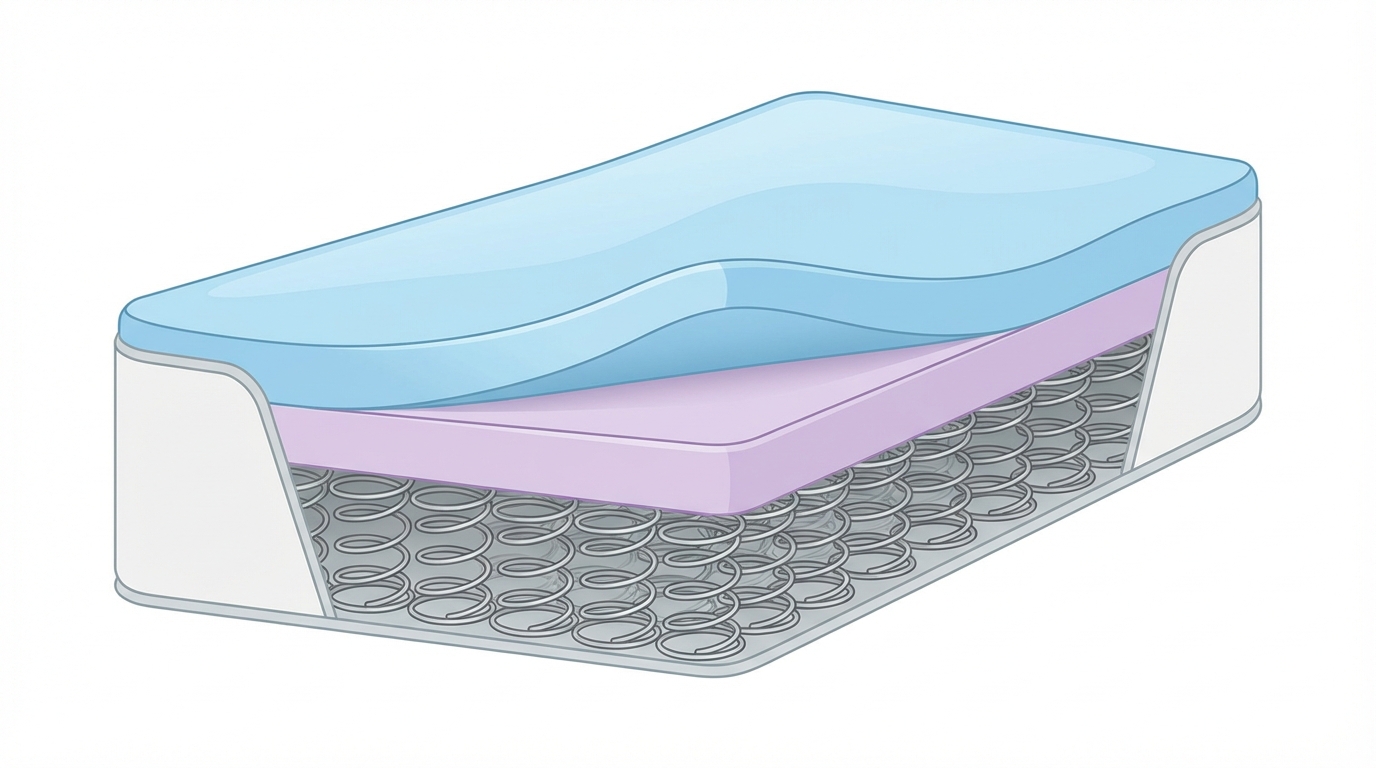
Many mattresses feel softer because certain zones have been doing more work than others. If you always sleep in the same spot, on the same side, that area gets compressed night after night. Over years, that spot relaxes more than the rest, which creates a localized dip that can feel like your whole mattress turned soft.
Understand Your Mattress Construction First
Not every mattress should be flipped. Many modern beds are built with specific layers in a top to bottom order, with comfort materials above support cores. Flipping a one sided mattress often means you end up sleeping on a very firm base layer that was never meant to be a sleep surface, which can be uncomfortable and may reduce the lifespan of the bed.
Instead of guessing, check the manufacturer’s care instructions or tag. If it says “no flip” or “rotate only,” follow that guidance. Rotation means turning the mattress 180 degrees from head to foot so that your body weight is distributed onto less used zones. The Sleep Foundation and several large mattress manufacturers suggest rotating most mattresses 1 to 2 times per year, though heavier sleepers or couples in the middle may benefit from doing it every 3 to 4 months.
Two sided mattresses, which are less common but do exist, can be flipped as well as rotated. These are designed with similar comfort layers on both faces. Flipping a two sided mattress spreads wear even more and can help keep both sides feeling firmer for longer.
How Rotation Helps Firmness
By rotating a mattress, you move your body weight into fresher territory. The softer, more compressed area under your usual sleep spot is now under your legs or pillow area, while your torso and hips rest on support that is closer to its original firmness. Many people notice an immediate difference after rotation, even with an older bed.
If rotation makes your bed feel firmer for a week or two and then you are right back in a soft trough, that is a sign that the internal materials may be reaching the end of their healthy life. You can use rotation in that case as a short term tool while you research new options, but you will likely be happier once you upgrade.
Simple Setup Tweaks That Make A Mattress Feel Firmer
Sometimes the path to a firmer feel runs through surprisingly small details. The way your bedding is layered, the height of your pillow, and your sleep position all influence how much support you feel from the same mattress.
Tighten Your Bedding And Simplify Layers
Loose, puffy bedding can blur your body’s connection with the support layers. Thick mattress pads paired with lofty comforters and loosely fitted sheets can make a bed feel marshmallow soft, even if the mattress underneath is decently firm. When you are trying to firm up your sleep surface, think tidy rather than fluffy.
Use a well fitting, snug sheet that grips the corners and pulls the surface tight. Avoid stacking multiple soft pads unless you need them for a specific reason like temperature regulation or allergy control. A single, firm topper and a thin, smooth protector is usually better than three squishy layers stacked together.
Changing bedding alone is not going to transform a plush mattress into a firm one, but it can sharpen up the feel. Many people are surprised how different a bed feels after they switch from a thick, padded protector to a more streamlined, breathable option.
Adjust Your Pillow And Sleep Position
Your pillow’s height and firmness change how your spine interacts with the mattress. For instance, if you are a back sleeper using an extra high, soft pillow, your neck may be pushed forward while your hips sink, which creates the impression that the entire bed lacks support. For stomach sleepers, a thick pillow can force your neck to twist unnaturally and exaggerate the feeling that your midsection is sinking too deeply.
For people working to firm up a mattress, I often suggest:
- Back sleepers using a medium height, slightly firmer pillow that keeps the chin level with the chest
- Stomach sleepers using a very low pillow or sometimes none at all under the head, with perhaps a thin pillow under the hips for extra support
- Side sleepers making sure their pillow fills the space between shoulder and ear without tilting the head
With the pillow in a better range, many people suddenly feel more of the mattress support that was already there. If you discover that you sleep primarily on your back or stomach, you may also confirm that you truly need a firmer surface. In that case, a supportive model from a back sleeper friendly line, like those in The Best Mattresses For Back Sleepers, can be a smart long term target.
When It Is Time To Replace Your Mattress Instead Of Fighting It
All the tricks in the world cannot turn a worn out mattress into a new one. Knowing when to stop patching and start planning for replacement will save you both frustration and wasted money on band aid fixes.
Sleep organizations often suggest replacing a mattress every 7 to 10 years, but the real indicator is condition, not age alone. According to the Sleep Foundation and Consumer Reports, visible sagging deeper than about 1.5 inches, exposed or poking coils, and large body impressions that do not rebound are clear signs that a mattress is past its prime. If you need to constantly reposition yourself to avoid a valley, you are doing the job your mattress was supposed to do.
When your bed looks and feels tired, adding toppers, plywood, or frequent rotations may buy you a little time, but they rarely restore true support. At that point, your efforts are better focused on choosing the right new mattress and setting it up properly so you do not end up in the same situation again.
If budget is a concern, you can plan your replacement in stages. One approach is to first invest in a solid, long lasting base or adjustable foundation that you can keep for future mattresses. Collections like the Adjustable Bed Frame and Base at Sleepology give you a foundation that can be paired with different mattresses over time, while also allowing you to fine tune head and foot angles for comfort and support.
Once your base is ready, you can focus your mattress budget entirely on the feel and materials that support your sleep rather than patching structural issues from below.
“I had used toppers, plywood, everything. Mia finally told me, “Your mattress has done its job, it is time to retire it.” We chose a firmer Sealy hybrid with an adjustable base, and I honestly wish I had made the switch years earlier.” – Kevin S., December
Choosing A Firmer Mattress That Actually Fits Your Body
When you decide to replace a too soft mattress, the natural temptation is to swing all the way to the opposite end and buy the firmest model you can find. That often backfires. The right firmness is personal and depends on your body weight, shape, sleep position, and pain profile.
Match Firmness To Your Sleep Position And Body Type
Health and sleep organizations consistently point out that spinal alignment is the central goal of mattress selection. A mattress that is too firm can create pressure points and lift certain parts of your body too high, just as a mattress that is too soft can let them sink too low.
In general:
- Back sleepers tend to do best on medium firm to firm beds that support the natural curve of the spine while allowing the hips to sink just slightly. Collections like The Best Mattresses For Back Sleepers focus on models with strong lumbar support and even weight distribution.
- Stomach sleepers usually need a firmer surface to prevent their hips and abdomen from sinking and pulling the spine into a U shape. Options from The Best Mattresses For Stomach Sleepers are designed with this in mind, emphasizing firmer cores and flatter, more supportive comfort layers.
- Side sleepers often require a slightly softer top over a supportive core, so shoulders and hips can nestle in without bottoming out. For them, moving from ultra plush to medium or medium firm is often a better step than going to extra firm.
Your body weight also matters. People over about 200 pounds typically compress foams more deeply, so a mattress that is marketed as medium may feel soft to them. In that case, choosing a firm model can deliver the true medium feel they are expecting. Lighter individuals, under about 130 pounds, often experience firm mattresses as extra firm, so they may prefer a medium firm bed that still offers solid support.
Use Real Mattresses As Reference Points
If you currently own a specific model, it can be very useful as a calibration tool. Suppose you sleep on a soft euro pillow top like the Sealy Posturepedic Elite Soft Mattress – Albany II Euro Pillow Top and find you are consistently sinking too much. When you move into something like the Sealy Posturepedic Plus Firm Mattress – Paterson II Euro Pillow Top, you are not just guessing at firmness levels. You are stepping from one clearly defined feel into another with a stronger support core and a firmer cushioning layer that you can test in person.
Descriptions like “plush,” “medium,” and “firm” vary from brand to brand, but within a given line of mattresses they are more consistent. That is one reason why working with a retailer like Sleepology, which has hands on familiarity with many models, can save you time. We can often say “this will feel one step firmer than what you have” instead of throwing you into the abstract world of number scales.
Compare Mattress Types For Built In Firmness
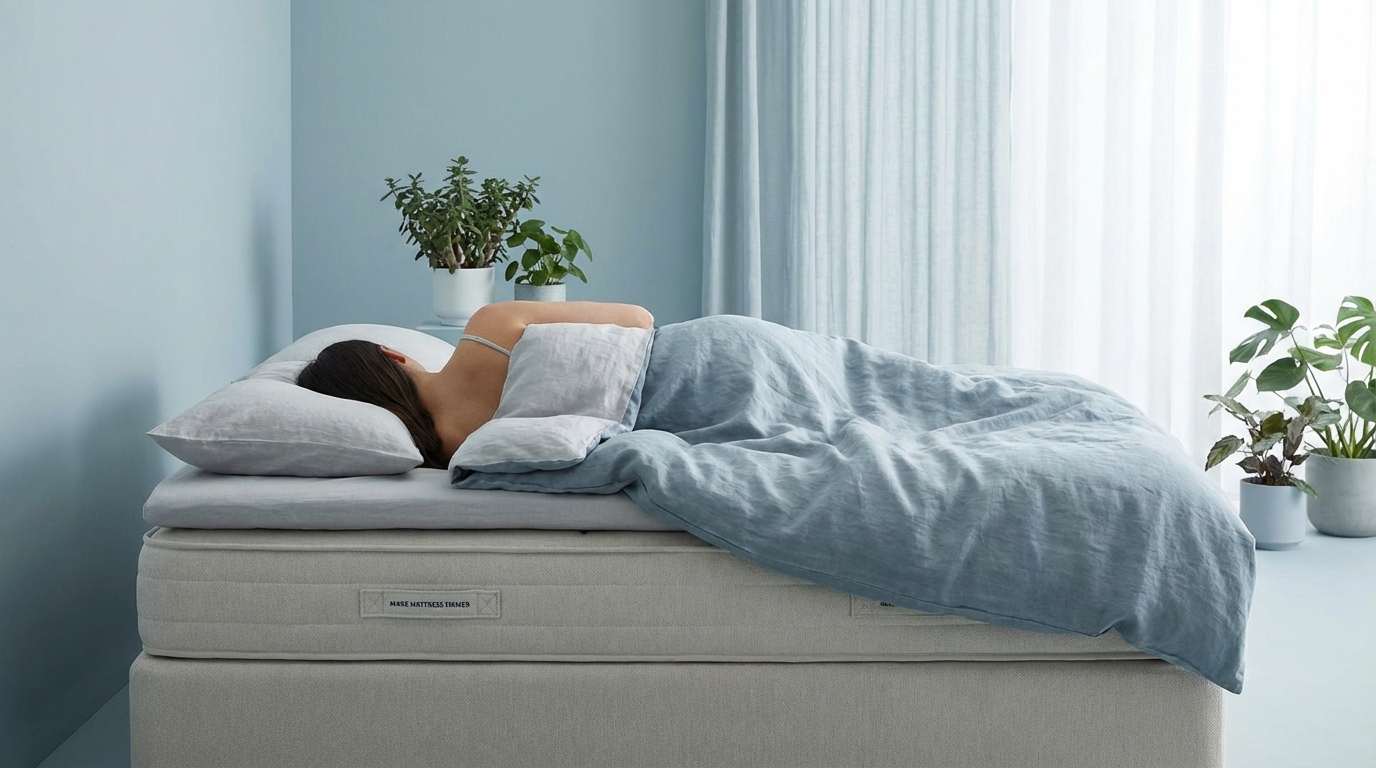
Different mattress constructions naturally lend themselves to different feels. Understanding these tendencies helps you pick a design that is more likely to stay firm over time, rather than softening more quickly than you prefer.
How Major Mattress Types Tend To Feel
Below is a simple comparison of common mattress types and how they tend to perform for people seeking firmer support.
| Mattress Type | Typical Firmness Range For Adults | How It Feels For Support | Best Fits When You Want A Firmer Bed |
|---|---|---|---|
| Innerspring | Medium to firm | Bouncy, very supportive, less contouring | Back and stomach sleepers who like a traditional, lifted feel |
| Hybrid (coils + foam or latex) | Medium soft to firm | Balance of support and contouring, can be tailored | Most sleepers; easy to find true medium firm and firm models |
| All foam (memory or polyfoam) | Soft to medium firm | Close contouring, less bounce, can feel softer over time | Side sleepers or lighter back sleepers who still want structure |
| Latex (all latex or latex hybrid) | Medium to firm | Buoyant, responsive, supports without deep sink | Hot sleepers, people wanting firm but not rigid, allergy conscious shoppers |
When you are moving away from a mattress that felt too soft, hybrids and latex hybrids are often great landing spots. They combine strong coil support with comfort layers that can be chosen in firmer feels. For instance, a hybrid with zoned coils under the lumbar region and firmer foam at the top will feel more supportive under your hips than a simple foam stack of the same firmness rating.
Within the Sealy lineup, beds like the Sealy Posturepedic Plus Firm Mattress – Paterson II Euro Pillow Top pair robust coil support with a firm but cushioned top, giving many back and stomach sleepers the combination of comfort and structure they struggle to find elsewhere.
Put It All Together: A Practical Firmness Game Plan
By now you have seen that “how to make a mattress firmer” is really a layered question. You are working with the base, the mattress, the bedding, the environment, and your body all at once. It can feel a bit overwhelming, so here is a simple way to turn these ideas into action without getting lost.
Start with what is easiest and least expensive. Verify that your bed frame and foundation are solid, with good center support and slats that are not bending. Tighten up your bedding, simplify your layers, and make sure your pillow height matches your sleep position. Rotate your mattress if the manufacturer allows it, and see how your body feels for a week or two.
If your mattress is structurally sound but still too plush, consider adding a firm latex or high density foam topper, especially if you are close to the firmness you want. Manage temperature and humidity in your bedroom so the firmness you do have does not vanish on hot, sticky nights. Together, these steps often solve the problem for mattresses that are only a little softer than ideal.
If you keep chasing firmness with temporary fixes, and your bed still feels like a hammock rather than a support system, use that as permission to move on. Plan for a new mattress that matches your body type and sleep style, and pair it with a supportive base you trust. Whether that leads you to a firmer hybrid from the Best Mattresses For Stomach Sleepers or a back friendly model from The Best Mattresses For Back Sleepers, you can make your next setup much more intentional than the last.
Frequently Asked Questions
How can I tell if my mattress is too soft or if my pillow is the real problem?
You can separate the two by doing a quick experiment. Lie on your mattress in your usual sleep position with your head directly on the mattress and no pillow. Pay attention to how your back and hips feel. If your spine feels more neutral and supported without the pillow, your pillow height may be throwing off your alignment more than the mattress itself. If your hips and midsection still sink deeply and your lower back arches or collapses even without a pillow, the mattress is likely too soft.
Is putting my mattress on the floor a good way to make it firmer?
Placing a mattress directly on the floor can make it feel firmer in the short term, because the ground offers a completely rigid surface. However, it also reduces airflow, increases exposure to dust and moisture, and raises the risk of mold growth, especially if you live in a humid area. Many sleep health resources caution against long term floor use for these reasons. A better long term solution is a solid foundation or platform frame that supports the mattress while allowing air circulation.
How thick should a firm mattress topper be to make a difference?
For most adults, a firm topper in the 2 to 3 inch range is the sweet spot for increasing firmness without feeling like a separate, wobbly layer. Thinner toppers, around 1 inch, tend to smooth the surface but do not dramatically change firmness. Toppers thicker than 3 inches can work, but they must be made from very dense materials, such as firm latex, to avoid simply creating a new soft layer on top of an already soft mattress.
Can I make a very old, sagging mattress feel firm again?
You can sometimes reduce the feeling of sagging temporarily with plywood, toppers, or rotation, but once a mattress has deep, permanent impressions or exposed components, there is no way to truly restore its original support. At that stage, the internal materials have broken down. Continuing to sleep on it often aggravates pain and can interfere with sleep quality. It is almost always more effective and healthier to replace a heavily worn mattress than to invest in more patchwork fixes.
How often should I rotate my mattress to keep it firm?
If your mattress is designed to be rotated, doing so every 3 to 6 months is a good general guideline. Heavier individuals, couples, or those who sleep in the same small area of the bed may benefit from rotating slightly more often, such as every 3 to 4 months. Each rotation spreads out the wear on internal materials so one section does not soften long before the rest of the bed.
Does a firmer mattress always help with back pain?
Not always. While many people with back pain find relief on medium firm to firm mattresses, research published in spine and orthopedic journals suggests that the best choice is a mattress that keeps the spine in neutral alignment, not simply the hardest surface you can tolerate. For some side sleepers or people with certain joint conditions, an overly hard bed can actually increase pain by creating pressure points. If your back pain is significant, it is wise to talk with a healthcare professional about your specific condition while you evaluate mattress options.
Will an adjustable base make my mattress feel firmer or softer?
An adjustable base does not change the intrinsic firmness of the mattress, but it can change how supported you feel. Elevating the head or foot can take pressure off certain areas, reduce snoring, or ease lower back strain. Many people find that a slightly elevated head and knees position feels more supportive even if the mattress itself is unchanged. However, if the mattress is truly too soft and sagging, an adjustable base will not correct that, and you may still need a firmer mattress on top of it.